Why Are Bed Covers So Expensive
Why Are Bed Covers So Expensive? The Hidden Secrets Behind Premium Bedding Costs
When you walk into a home goods store or browse luxury bedding online, the price tags on high-end bed covers can often cause a moment of "sticker shock." It is not uncommon to see premium comforters, duvets, and quilts priced anywhere from $200 to over $1,000. For many consumers, the question naturally arises: Why are bed covers so expensive? Is it just a matter of brand name, or is there a genuine difference in quality that justifies the investment?
The truth is that a bed cover is one of the most technically complex textile products in your home. Unlike a simple t-shirt or a set of curtains, a bed cover must balance thermal regulation, breathability, weight, durability, and skin-friendly texture—all while enduring years of nightly use and frequent laundering. In this comprehensive guide, we will break down the various factors—from raw material sourcing to manufacturing intricacies—that contribute to the high cost of quality bedding.
1. The Quality of Raw Materials: Not All Cotton is Created Equal
The primary driver of the price of any bed cover is the raw material used for the shell and the filling. Most people believe that "100% Cotton" is a standard mark of quality, but within that category, there is a massive range in price and performance. Cheap bed covers often use short-staple cotton, which is scratchy and prone to pilling. In contrast, expensive bed covers utilize Long-Staple (LS) or Extra-Long Staple (ELS) cotton, such as Egyptian or Pima cotton.
These fibers are longer, stronger, and much softer. Because they are harder to harvest and represent only a small percentage of the world's cotton production, the cost of the raw material is significantly higher. Additionally, luxury materials like silk, linen (derived from European flax), and bamboo lyocell require specialized harvesting and processing methods that add to the final retail price.
2. Advanced Weaving Techniques and Thread Count Realities
While the "Thread Count Myth" (the idea that higher is always better) has been somewhat debunked, the density and style of the weave still play a massive role in cost. A high-quality bed cover requires a dense weave to prevent the filling (especially down or feathers) from poking through the fabric. This is known as a down-proof weave.
Furthermore, the type of weave affects the feel and price:
- Percale: A crisp, matte, one-over-one-under weave that is breathable but requires high-quality yarn to feel soft.
- Sateen: A four-over-one-under weave that creates a silky sheen and a heavier feel, requiring more complex machinery to produce.
- Jacquard: Intricate patterns woven directly into the fabric rather than printed on top, which significantly increases production time and cost.
3. What’s Inside: Fill Power and Insulation Costs
If you are buying a comforter or a duvet, the "fill" is often the most expensive component. This is where the price can jump from $50 for a polyester-filled "bed in a bag" to $500 for a premium down duvet.
Natural Down: Goose and duck down are prized for their warmth-to-weight ratio. The "Fill Power" indicates how much space an ounce of down occupies. High fill power (700+) means the down is exceptionally fluffy and insulating. Harvesting down ethically and cleaning it to remove allergens is a costly, labor-intensive process.
Specialty Fills: Materials like Mulberry silk or wool are also used in expensive bed covers. Silk is naturally hypoallergenic and temperature-regulating, but the labor involved in layering silk cocoons to create a flat fill is immense.
| Aspek Biaya (Cost Factor) | Why It Increases Price |
|---|---|
| Fiber Length | Long-staple fibers prevent pilling and increase softness but are rarer and more expensive to grow. |
| Filling Material | Natural down, silk, and wool provide superior insulation compared to cheap synthetic polyester. |
| Construction (Baffle Box) | Complex stitching that keeps filling from shifting requires more labor and fabric. |
| Certifications | Labels like OEKO-TEX or GOTS ensure no harmful chemicals were used, adding to testing costs. |
| Ethical Sourcing | Ensuring fair wages and humane treatment of animals (RDS down) raises operational expenses. |
4. The Importance of Construction: Baffle Box vs. Sewn-Through
If you have ever owned a cheap bed cover, you might have noticed that after a few washes, all the filling bunches up in one corner, leaving you with cold spots. High-end bed covers prevent this through Baffle Box Construction. This involves sewing internal fabric walls (baffles) between the top and bottom layers of the cover. This creates individual "rooms" for the filling, allowing it to remain evenly distributed and reach its full loft.
This construction method is much more time-consuming and requires more fabric than the standard "sewn-through" method, where the two layers are simply stitched together. The result of baffle box construction is a fluffier, warmer, and much more durable product that maintains its shape for years.
5. Certifications, Health, and Sustainability
Modern consumers are increasingly concerned about what they are sleeping under for 8 hours a night. Premium brands often invest in third-party certifications that guarantee their products are free from harmful chemicals, pesticides, and heavy metals. Some of the most common certifications that drive up costs include:
- OEKO-TEX Standard 100: Ensures the fabric is safe for human health and free from toxic substances.
- GOTS (Global Organic Textile Standard): Guarantees that the fiber is grown organically and processed ethically.
- RDS (Responsible Down Standard): Ensures that the down used was not plucked from live animals and comes from treated birds.
Obtaining and maintaining these certifications requires rigorous auditing and higher-quality manufacturing facilities, which is reflected in the final price of the bed cover.
The "Cost Per Use" Perspective
While the initial price is high, experts often argue that expensive bed covers are actually more economical in the long run. A cheap synthetic comforter might need to be replaced every 1-2 years as it loses its shape and warmth. A high-quality down duvet with a long-staple cotton shell, if cared for properly, can easily last 10 to 15 years. When you divide the $400 price tag by 3,650 nights of sleep, the cost is roughly 11 cents per night for significantly better sleep quality.
Frequently Asked Questions (FAQ)
1. Is a higher thread count always worth the extra money?
Not necessarily. Anything above 400-600 is often the result of "creative math" where manufacturers count multi-ply yarns. Focus more on the quality of the fiber (like Long-Staple Cotton) and the weave type rather than just the number.
2. Why is linen bedding more expensive than cotton?
Linen is made from the flax plant, which is much more difficult to harvest and weave than cotton. However, linen is significantly more durable, more breathable, and becomes softer with every single wash.
3. Can I find a high-quality bed cover at a mid-range price?
Yes. Direct-to-consumer (DTC) brands often offer premium materials without the traditional "luxury markup" of department stores. Look for sales on items with baffle-box construction and OEKO-TEX certification.
Conclusion
In summary, bed covers are expensive because they are an amalgamation of high-quality raw materials, specialized manufacturing techniques, and ethical production standards. When you pay a premium, you aren't just paying for a brand name; you are paying for long-staple fibers that won't pill, baffle-box stitching that keeps you warm, and certifications that ensure you aren't breathing in chemicals while you sleep.
Ultimately, your bed is the place where you spend a third of your life. Investing in a high-quality bed cover is not just a decorative choice—it is an investment in your physical health, your sleep hygiene, and your long-term comfort. By understanding the factors of material, construction, and fill, you can make an informed decision and find a bed cover that offers the best value for your specific needs.
Why Are Bed Covers So Expensive
Why Are Bed Covers So Expensive
Collection of why are bed covers so expensive wallpapers for your desktop and mobile devices.

Mesmerizing Why Are Bed Covers So Expensive Capture for Your Screen
Experience the crisp clarity of this stunning why are bed covers so expensive image, available in high resolution for all your screens.
Stunning Why Are Bed Covers So Expensive Landscape Illustration
This gorgeous why are bed covers so expensive photo offers a breathtaking view, making it a perfect choice for your next wallpaper.
Spectacular Why Are Bed Covers So Expensive Wallpaper for Your Screen
Immerse yourself in the stunning details of this beautiful why are bed covers so expensive wallpaper, designed for a captivating visual experience.

Dynamic Why Are Bed Covers So Expensive Wallpaper Photography
This gorgeous why are bed covers so expensive photo offers a breathtaking view, making it a perfect choice for your next wallpaper.

Captivating Why Are Bed Covers So Expensive Abstract Art
Find inspiration with this unique why are bed covers so expensive illustration, crafted to provide a fresh look for your background.

Lush Why Are Bed Covers So Expensive Background Concept
This gorgeous why are bed covers so expensive photo offers a breathtaking view, making it a perfect choice for your next wallpaper.

Beautiful Why Are Bed Covers So Expensive Image in HD
Experience the crisp clarity of this stunning why are bed covers so expensive image, available in high resolution for all your screens.

Lush Why Are Bed Covers So Expensive Photo Digital Art
Immerse yourself in the stunning details of this beautiful why are bed covers so expensive wallpaper, designed for a captivating visual experience.

Breathtaking Why Are Bed Covers So Expensive View for Mobile
Transform your screen with this vivid why are bed covers so expensive artwork, a true masterpiece of digital design.

Stunning Why Are Bed Covers So Expensive Landscape in 4K
A captivating why are bed covers so expensive scene that brings tranquility and beauty to any device.

High-Quality Why Are Bed Covers So Expensive Wallpaper Concept
Explore this high-quality why are bed covers so expensive image, perfect for enhancing your desktop or mobile wallpaper.

Spectacular Why Are Bed Covers So Expensive Picture in 4K
Find inspiration with this unique why are bed covers so expensive illustration, crafted to provide a fresh look for your background.
Gorgeous Why Are Bed Covers So Expensive Image in HD
Find inspiration with this unique why are bed covers so expensive illustration, crafted to provide a fresh look for your background.

Vivid Why Are Bed Covers So Expensive Wallpaper Photography
Transform your screen with this vivid why are bed covers so expensive artwork, a true masterpiece of digital design.
Mesmerizing Why Are Bed Covers So Expensive Scene in HD
Discover an amazing why are bed covers so expensive background image, ideal for personalizing your devices with vibrant colors and intricate designs.

Stunning Why Are Bed Covers So Expensive Wallpaper Collection
This gorgeous why are bed covers so expensive photo offers a breathtaking view, making it a perfect choice for your next wallpaper.
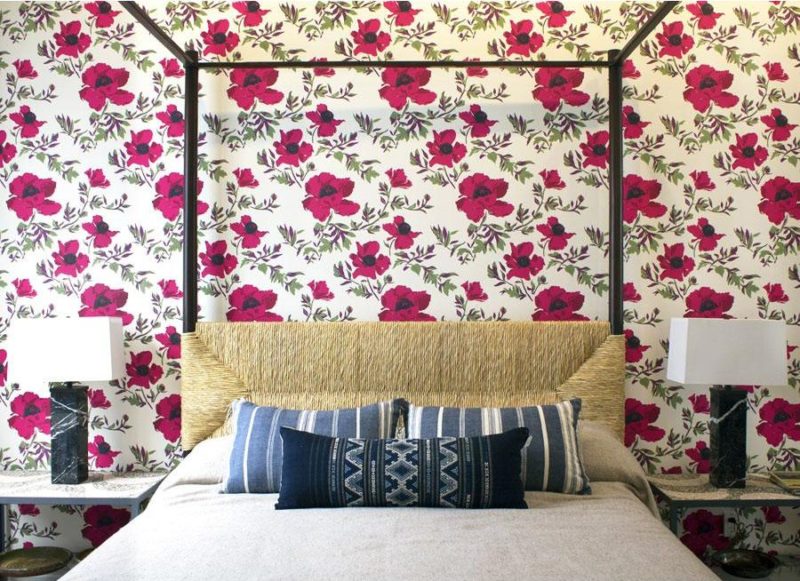
Dynamic Why Are Bed Covers So Expensive Moment Art
Immerse yourself in the stunning details of this beautiful why are bed covers so expensive wallpaper, designed for a captivating visual experience.

Crisp Why Are Bed Covers So Expensive Scene for Your Screen
This gorgeous why are bed covers so expensive photo offers a breathtaking view, making it a perfect choice for your next wallpaper.

Dynamic Why Are Bed Covers So Expensive Picture Art
Immerse yourself in the stunning details of this beautiful why are bed covers so expensive wallpaper, designed for a captivating visual experience.

Crisp Why Are Bed Covers So Expensive View Concept
Immerse yourself in the stunning details of this beautiful why are bed covers so expensive wallpaper, designed for a captivating visual experience.
Download these why are bed covers so expensive wallpapers for free and use them on your desktop or mobile devices.