Iran considering US proposal to end war, official says
Iran considering US proposal to end war, official says
The geopolitical landscape of the Middle East is currently witnessing a monumental shift as reports emerge that Iran considering US proposal to end war, official says. After months of intense military engagement following the February 2026 strikes, both Washington and Tehran appear to be searching for a diplomatic off-ramp. A senior Iranian official confirmed that the government is currently reviewing a 14-point memorandum of understanding (MOU) delivered via Pakistani intermediaries. This potential breakthrough comes amid a fragile ceasefire and a crippling naval blockade in the Strait of Hormuz, which has severely impacted global energy markets. While President Donald Trump has expressed skepticism, labeling the likelihood of a final deal a "big assumption," the fact that both sides are actively exchanging detailed proposals suggests the highest level of diplomatic engagement since the conflict began.
According to recent updates, the US proposal involves a one-page memorandum that outlines a path toward ending active hostilities and establishing a framework for long-term nuclear negotiations. Key components of the deal reportedly include a moratorium on Iranian nuclear enrichment in exchange for the lifting of economic sanctions and the release of billions of dollars in frozen Iranian assets. Furthermore, the agreement seeks to reopen the Strait of Hormuz to international shipping, a move that would provide immediate relief to the global economy. As an Iranian official says the proposal is "under review," the world watches closely to see if this diplomatic window will lead to a lasting peace or if the region will descend back into a "much higher level and intensity" of conflict as threatened by the White House.
The Genesis of the 2026 US-Iran Conflict
The current state of war between the United States and Iran traces its immediate roots to a series of escalating provocations that culminated in joint US-Israeli strikes across the Islamic Republic on February 28, 2026. This military action, dubbed "Operation Epic Fury" by the Trump administration, was characterized as a necessary response to Iran's advancing nuclear capabilities and its perceived role in regional instability. The strikes targeted critical military infrastructure, nuclear research facilities, and air defense systems, marking the most significant direct military engagement between the two nations in decades.
In the aftermath of the initial strikes, the conflict rapidly expanded into a multi-domain struggle. The United States implemented a comprehensive naval blockade of Iranian ports, effectively severing the country's maritime trade. Iran responded by leveraging its geographic advantage in the Strait of Hormuz, a narrow waterway through which approximately 20% of the world's crude oil supply passes. By deploying sea mines, drones, and small attack craft, Tehran managed to significantly disrupt global shipping lanes, leading to a sharp spike in oil prices and widespread economic anxiety.
Throughout March and April, the "skirmish," as President Trump frequently referred to it, fluctuated in intensity. While major bombing campaigns were intermittent, the economic war remained constant. The United States sought to use the blockade as a tool of "maximum pressure" to force Iran back to the negotiating table on terms favorable to Washington. Meanwhile, Iran demonstrated a resilient defense and an ability to project power through its regional proxies and asymmetric naval tactics, creating a stalemate that eventually paved the way for the current ceasefire and the ongoing exchange of peace proposals.
Details of the 14-Point US Memorandum
The core of the current diplomatic effort is a 14-point memorandum of understanding drafted by US envoys, including Steve Witkoff and Jared Kushner. This document is designed to serve as a bridge from the current cessation of hostilities to a comprehensive peace treaty. While the full text of the memorandum has not been made public, leaks from official sources in both Washington and Islamabad have provided a clear picture of its primary objectives.
One of the most critical points in the proposal is the establishment of a 30-day "negotiating window." During this period, both nations would commit to a complete halt of offensive military operations. The goal of this window is to hammer out the technical details of a broader agreement that would cover the permanent reopening of the Strait of Hormuz, the limits on Iran's nuclear program, and a structured timeline for the removal of US-led sanctions. This phased approach is intended to build trust between two parties that have been in a state of open warfare for months.
Another major pillar of the memorandum is the "Nuclear Moratorium." The United States has demanded that Iran cease all uranium enrichment activities as a prerequisite for long-term peace. In return, the US would begin a phased release of Iranian funds currently held in international banks. The memorandum also addresses regional security, suggesting that any final deal must include provisions for Iran to curb its support for militant groups in Lebanon and other parts of the Middle East. As an official says Iran is considering these terms, the internal debate in Tehran likely centers on whether these concessions are balanced by sufficient economic guarantees.
The Role of Pakistan as a Diplomatic Bridge
In the absence of direct diplomatic relations, Pakistan has emerged as the indispensable mediator between the United States and Iran. Islamabad’s unique position—maintaining a strategic partnership with Washington while sharing a long land border and cultural ties with Tehran—has made it the primary conduit for the exchange of sensitive documents and messages. The 14-point US proposal was reportedly delivered to Iranian officials in Islamabad, highlighting the city's role as a neutral ground for high-stakes diplomacy.
Pakistani leaders, including the Prime Minister and top military officials, have been actively encouraging both sides to move beyond a mere ceasefire toward a definitive end to the war. They have warned that a resumption of hostilities would not only be catastrophic for the immediate belligerents but would also destabilize the entire South Asian and Middle Eastern regions. Pakistan’s involvement has provided a layer of "deniability" for both governments, allowing them to explore difficult compromises without the immediate glare of domestic political scrutiny.
The "Islamabad Channel" has been used for several rounds of face-to-face talks between lower-level envoys, though President Trump recently indicated that it might be too early to send senior Cabinet-level officials back to the Pakistani capital. Nevertheless, the fact that Iran received the US response via Pakistan and is now reviewing it underscores the success of this mediation effort. Should a deal be reached, it is widely expected that the formal signing ceremony would take place in Islamabad, cementing Pakistan's role as a global peacemaker in this 2026 crisis.
Economic Impacts: The Strait of Hormuz and Global Oil
The primary driver for international concern regarding the US-Iran war has been the status of the Strait of Hormuz. Often described as the world's most important oil chokepoint, the closure or disruption of this waterway has profound implications for the global economy. During the height of the 2026 conflict, Iran's use of sea mines and small-boat tactics effectively halted a significant portion of maritime traffic, causing global energy prices to soar and disrupting supply chains from East Asia to Western Europe.
The US naval blockade of Iranian ports further complicated the situation, as it forced Tehran to adopt increasingly aggressive measures to demonstrate its control over the strait. The resulting standoff left hundreds of commercial vessels stranded in the Persian Gulf, unable to exit through the contested waters. President Trump's "Project Freedom" initiative was launched specifically to address this humanitarian and economic crisis, with the US Navy attempting to guide merchant ships through cleared lanes despite threats of Iranian retaliation.
| Aspect of Conflict | Economic/Strategic Impact |
|---|---|
| Strait of Hormuz Status | Currently restricted; 20% of global oil supply at risk. |
| US Naval Blockade | Iranian economy reeling; oil exports effectively zeroed. |
| Global Fuel Prices | Significant spike; average prices up 35% since February. |
| Project Freedom | Attempt to restore navigation; met with Iranian missile alerts. |
The 14-point peace proposal addresses this economic gridlock directly. By proposing a mutual lifting of blockades and a new "control mechanism" for the Strait of Hormuz, the deal aims to restore the free flow of commerce. For the United States and its allies, this would mean a stabilization of fuel prices and a reduction in the military costs associated with patrolling the region. For Iran, the reopening of the strait is a matter of national survival, as it would allow for the resumption of legitimate oil exports and the inflow of much-needed foreign currency.
Nuclear Enrichment: The Contentious Core of Negotiations
At the heart of the "Epic Fury" campaign was the Trump administration's resolve to permanently end Iran's nuclear enrichment capabilities. The United States has consistently argued that Iran's nuclear program, despite Tehran's claims of peaceful intent, is designed to produce a nuclear weapon. The 2026 strikes specifically targeted facilities like Natanz and Fordow, intending to set back Iran's technical progress by years. However, the diplomatic challenge remains: how to ensure a permanent freeze through a negotiated settlement.
The current US proposal calls for a moratorium on all enrichment activities for a period of up to 20 years. This is a significant escalation from the 2015 JCPOA terms, which Trump famously abandoned. In the current negotiations, the two sides are reportedly haggling over the duration of this freeze, with Iran suggesting a shorter five-year window. There is also the critical issue of Iran's existing stockpile of highly enriched uranium. The US memorandum demands the total removal or neutralization of this material, a point that Iranian hardliners within the Revolutionary Guard Corps have traditionally viewed as a "red line."
Despite these differences, there are signs of flexibility. Iranian Foreign Minister Abbas Araghchi has hinted that Tehran might be open to discussing "curbs" in exchange for "front-loaded" sanctions relief. The fact that an official says the proposal is "under review" suggests that the pragmatic wing of the Iranian government is weighing the benefits of economic recovery against the strategic loss of its nuclear leverage. For the United States, the nuclear issue is non-negotiable; any deal that does not include verified restrictions is likely to be rejected by President Trump, who remains committed to his "maximum pressure" doctrine.
Internal Politics: Hardliners vs. Pragmatists in Tehran
The Iranian government's response to the US proposal is being shaped by an intense internal struggle between different power centers in Tehran. On one side are the pragmatists, led by Foreign Ministry officials and economic advisors, who recognize that the current state of war and blockade is unsustainable. They argue that a "bad deal" is better than a continuing conflict that could lead to the total collapse of the Iranian state. This group is the primary driver behind the "review" of the 14-point memorandum.
On the opposing side are the hardliners within the Islamic Revolutionary Guard Corps (IRGC) and certain factions of the Iranian Parliament. These groups view any concession to the "Great Satan" (the US) as a betrayal of the Islamic Revolution. They have publicly warned that Trump must choose between an "impossible" military operation or accepting Iran's terms for peace. The IRGC has used state television to project an image of strength, emphasizing its ability to strike US allies in the Gulf and continue the blockade of the Strait of Hormuz indefinitely.
The Supreme Leader, Ayatollah Ali Khamenei, sits atop this fractured leadership, acting as the ultimate arbiter. His silence or subtle endorsements often signal the direction of Iranian policy. The current reports that "Iran is considering" the proposal suggest that the Supreme Leader has at least authorized a formal review of the document. However, the "tremendous discord" mentioned by President Trump is a real factor; any agreement reached in Islamabad will need the backing of the IRGC to be effectively implemented on the ground, particularly concerning maritime security in the Persian Gulf.
Trump's "Epic Fury" and the Threat of Resumed Bombing
President Donald Trump's approach to the current negotiations has been a mix of classic "Art of the Deal" posturing and explicit military threats. While acknowledging that "Great Progress" has been made toward a final agreement, he has simultaneously warned that the United States is ready to resume its bombing campaign at a "much higher level and intensity" if Iran fails to comply with his demands. This dual-track strategy is designed to keep Tehran off-balance and ensure that the US enters any final negotiation from a position of overwhelming strength.
Trump has framed the conflict as a "skirmish" that the US is winning "unbelievably well." He frequently compares the operation against Iran to his administration's successful intervention in Venezuela earlier in 2026. By downplaying the conflict's scale while highlighting its tactical successes, Trump seeks to maintain domestic support for his policies. He has also used his Truth Social platform to communicate directly with the Iranian leadership, alternating between praise for their "malleability" and warnings of "Legendary Epic Fury."
The "Project Freedom" mission, which was briefly paused to allow for diplomacy, serves as a latent military threat. If negotiations fail, Trump has made it clear that the US Navy will not only resume guiding ships through the Strait of Hormuz but will also "blow off the face of the Earth" any Iranian assets that interfere. This aggressive rhetoric is intended to convince the Iranian leadership that the cost of rejecting the 14-point memorandum is a total and devastating military defeat. For Trump, the goal is a "Complete and Final Agreement" that secures US interests for decades to come.
Global Reactions and the Path to a 30-Day Window
The international community has responded to the news that Iran is considering the US proposal with a mixture of hope and caution. European allies, led by French President Emmanuel Macron and EU foreign policy chief Kaja Kallas, have long advocated for a "coordinated reopening" of the Strait of Hormuz. They have been in constant communication with both Washington and Tehran, urging restraint and pushing for a return to the diplomatic table. For Europe, the end of the US-Iran war is essential for energy security and regional stability.
Regional powers like Saudi Arabia, the UAE, and Qatar are also deeply invested in the outcome. While they have generally supported the US efforts to curb Iranian influence, they have also borne the brunt of Iranian retaliation, including missile alerts and disruptions to their own oil exports. These nations are reportedly being briefed on the progress of the Islamabad talks, and their support will be crucial for any long-term regional security arrangement. The UAE, in particular, has called for a "political solution" while condemning "Iranian aggression" in its waters.
The proposed 30-day negotiating window is the next critical milestone. If both sides agree to the memorandum, this period would begin immediately, triggering a series of de-escalation steps. The US would likely begin a "pause" in certain blockade activities, while Iran would be expected to provide guarantees for safe passage in the strait. This month-long window would be the most significant test of diplomatic intent in years. As an official says Iran is reviewing the response, the world remains on edge, hoping that the "skirmish" of 2026 is finally nearing its end.
Frequently Asked Questions (FAQ)
- Is the US-Iran war officially over? No, but a fragile ceasefire is currently in place while both sides review a 14-point peace proposal aimed at ending the war within 30 days.
- What is the main obstacle to a peace deal? The primary sticking points are the duration and verification of a freeze on Iran's nuclear enrichment program and the sequencing of US sanctions relief.
- What is the "14-point memorandum"? It is a document drafted by US envoys that outlines a path to peace, including a nuclear moratorium, the reopening of the Strait of Hormuz, and the release of frozen funds.
- Why is the Strait of Hormuz so important? It is a critical oil chokepoint through which 20% of the world's supply passes. Its closure during the war has caused global energy crises.
- What happens if the negotiations fail? President Trump has warned that the US will resume its military campaign with "much higher level and intensity" if a deal is not reached.
Conclusion
The news that Iran considering US proposal to end war, official says, marks a pivotal moment in the 2026 Middle East crisis. After a period of intense military "skirmishes" and economic blockades that threatened to derail the global economy, the shift toward diplomacy offers a glimmer of hope. The 14-point US memorandum provides a structured, if challenging, roadmap for de-escalation, covering the most contentious issues of nuclear enrichment and maritime security. However, the success of this initiative remains far from certain. The internal divisions within the Iranian leadership and the aggressive "deal or bomb" rhetoric from the White House create a volatile negotiating environment. The next 30 days will be decisive; they will either lead to a historic peace agreement in Islamabad or a return to a conflict of unprecedented intensity. As the world awaits Tehran's formal response, the stakes for global energy security and regional peace have never been higher.
Iran considering US proposal to end war, official says
Iran considering US proposal to end war, official says Wallpapers
Collection of iran considering us proposal to end war, official says wallpapers for your desktop and mobile devices.
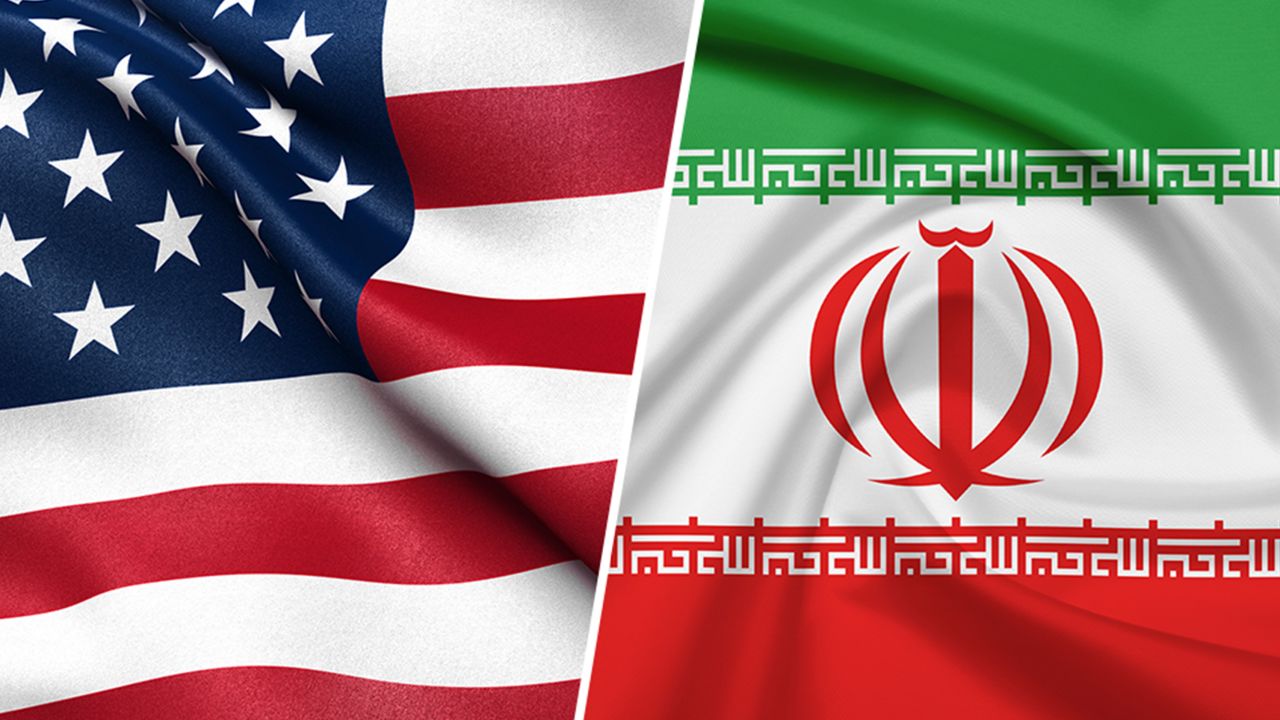
Amazing Iran Considering Us Proposal To End War, Official Says Abstract Photography
Experience the crisp clarity of this stunning iran considering us proposal to end war, official says image, available in high resolution for all your screens.

Detailed Iran Considering Us Proposal To End War, Official Says Capture Nature
Explore this high-quality iran considering us proposal to end war, official says image, perfect for enhancing your desktop or mobile wallpaper.

Captivating Iran Considering Us Proposal To End War, Official Says Design Art
This gorgeous iran considering us proposal to end war, official says photo offers a breathtaking view, making it a perfect choice for your next wallpaper.
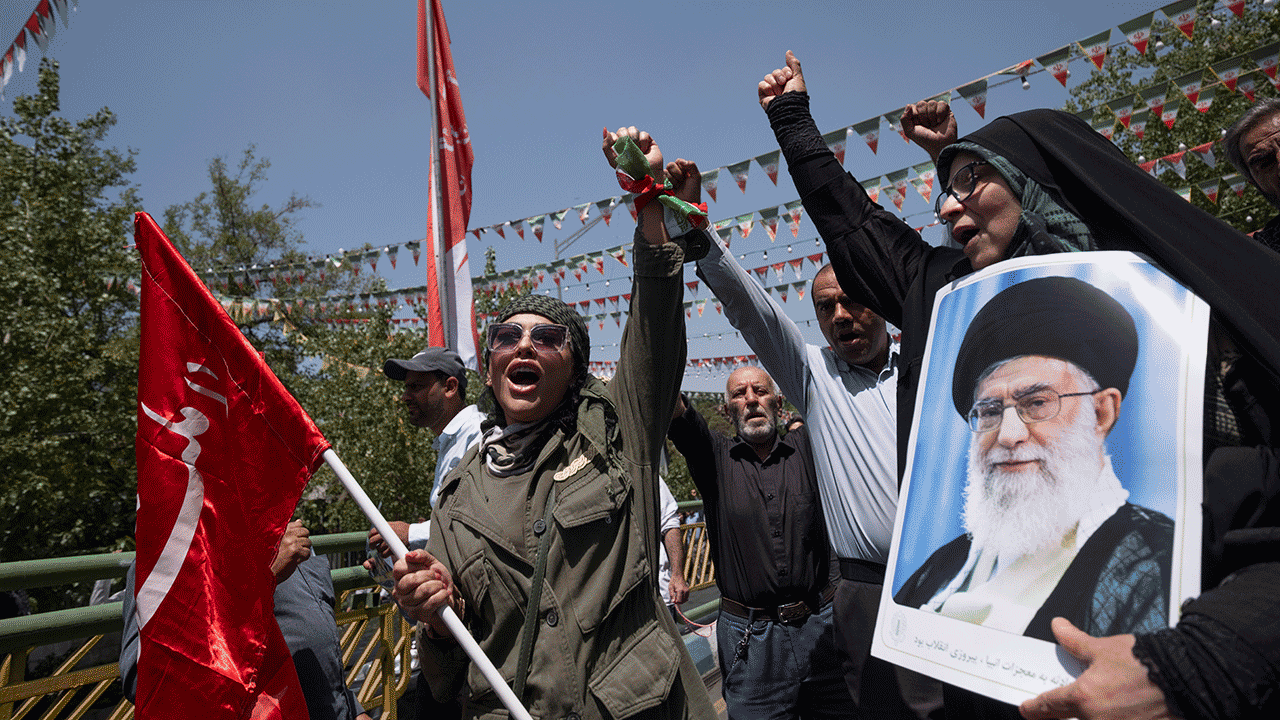
Amazing Iran Considering Us Proposal To End War, Official Says Picture Illustration
Experience the crisp clarity of this stunning iran considering us proposal to end war, official says image, available in high resolution for all your screens.
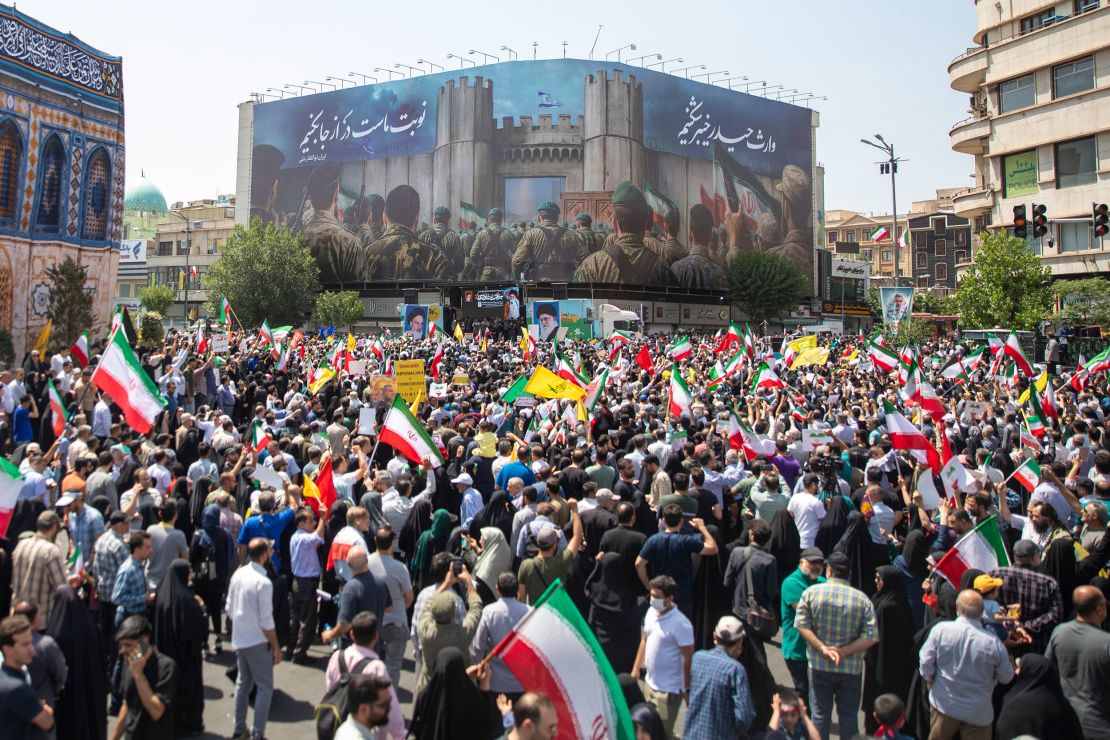
Serene Iran Considering Us Proposal To End War, Official Says View Illustration
Discover an amazing iran considering us proposal to end war, official says background image, ideal for personalizing your devices with vibrant colors and intricate designs.
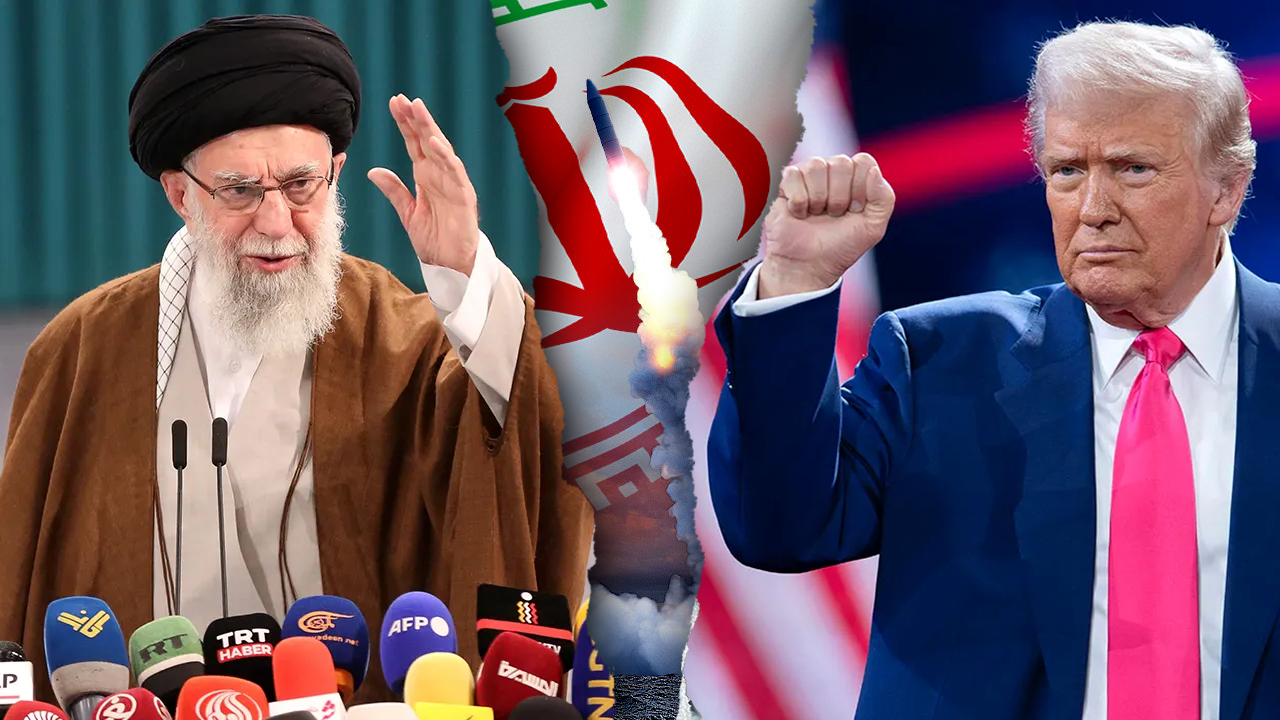
Lush Iran Considering Us Proposal To End War, Official Says Artwork Concept
Find inspiration with this unique iran considering us proposal to end war, official says illustration, crafted to provide a fresh look for your background.
Serene Iran Considering Us Proposal To End War, Official Says Abstract for Your Screen
Experience the crisp clarity of this stunning iran considering us proposal to end war, official says image, available in high resolution for all your screens.
Spectacular Iran Considering Us Proposal To End War, Official Says Picture Art
A captivating iran considering us proposal to end war, official says scene that brings tranquility and beauty to any device.

Spectacular Iran Considering Us Proposal To End War, Official Says Image Concept
A captivating iran considering us proposal to end war, official says scene that brings tranquility and beauty to any device.
High-Quality Iran Considering Us Proposal To End War, Official Says Moment for Mobile
Explore this high-quality iran considering us proposal to end war, official says image, perfect for enhancing your desktop or mobile wallpaper.

Spectacular Iran Considering Us Proposal To End War, Official Says Moment Nature
Immerse yourself in the stunning details of this beautiful iran considering us proposal to end war, official says wallpaper, designed for a captivating visual experience.
Captivating Iran Considering Us Proposal To End War, Official Says Photo Concept
Immerse yourself in the stunning details of this beautiful iran considering us proposal to end war, official says wallpaper, designed for a captivating visual experience.

Crisp Iran Considering Us Proposal To End War, Official Says Background Art
Immerse yourself in the stunning details of this beautiful iran considering us proposal to end war, official says wallpaper, designed for a captivating visual experience.
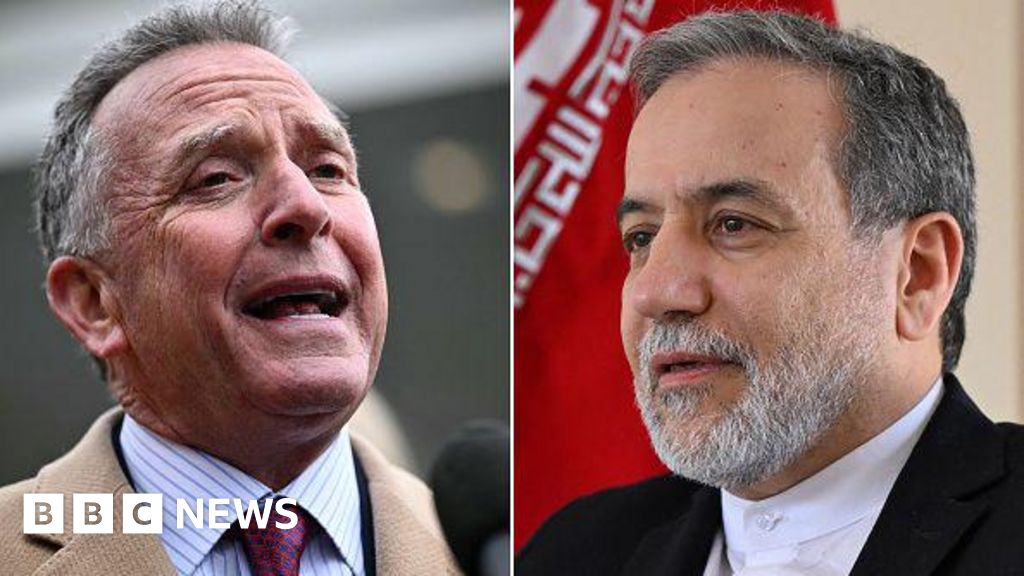
Exquisite Iran Considering Us Proposal To End War, Official Says Photo Digital Art
Find inspiration with this unique iran considering us proposal to end war, official says illustration, crafted to provide a fresh look for your background.
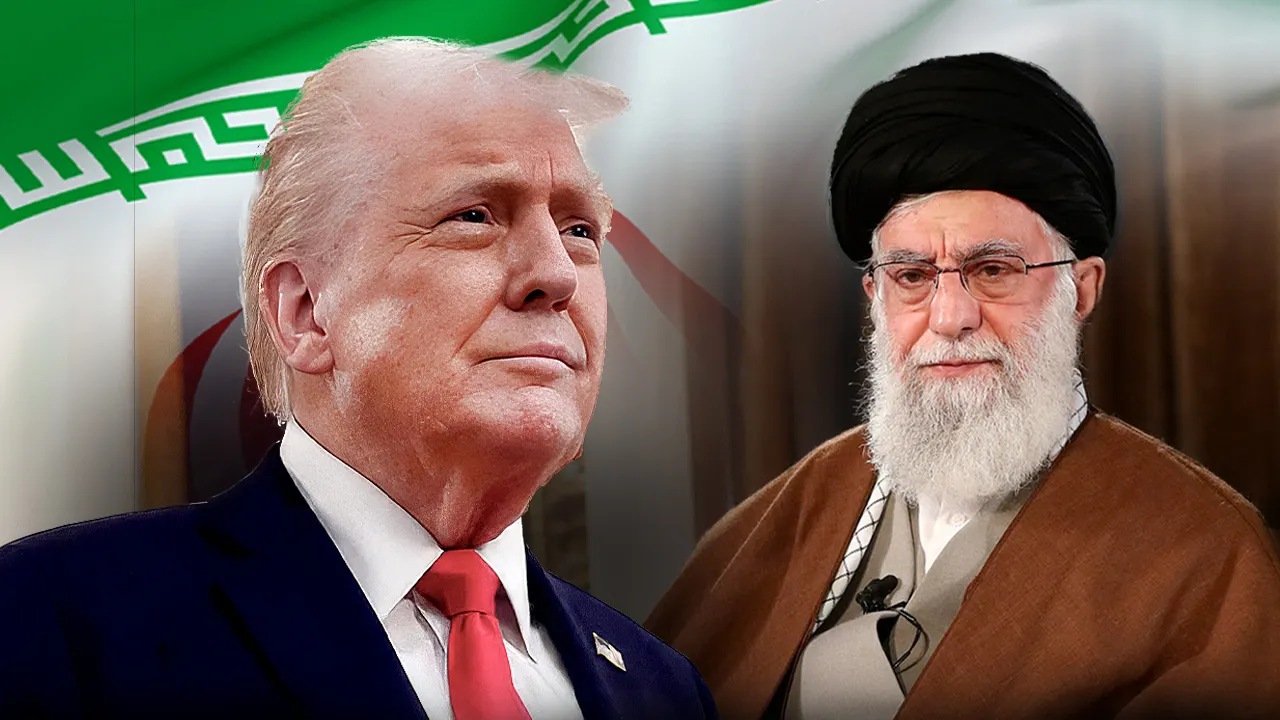
Beautiful Iran Considering Us Proposal To End War, Official Says Design Illustration
Discover an amazing iran considering us proposal to end war, official says background image, ideal for personalizing your devices with vibrant colors and intricate designs.

Vibrant Iran Considering Us Proposal To End War, Official Says Background Nature
Discover an amazing iran considering us proposal to end war, official says background image, ideal for personalizing your devices with vibrant colors and intricate designs.

Dynamic Iran Considering Us Proposal To End War, Official Says Photo Art
A captivating iran considering us proposal to end war, official says scene that brings tranquility and beauty to any device.

Breathtaking Iran Considering Us Proposal To End War, Official Says Capture Illustration
Transform your screen with this vivid iran considering us proposal to end war, official says artwork, a true masterpiece of digital design.

Spectacular Iran Considering Us Proposal To End War, Official Says Image Digital Art
Immerse yourself in the stunning details of this beautiful iran considering us proposal to end war, official says wallpaper, designed for a captivating visual experience.

Amazing Iran Considering Us Proposal To End War, Official Says Abstract for Desktop
Discover an amazing iran considering us proposal to end war, official says background image, ideal for personalizing your devices with vibrant colors and intricate designs.
Download these iran considering us proposal to end war, official says wallpapers for free and use them on your desktop or mobile devices.