What Is Hantavirus? Case Identified in Switzerland Linked to Cruise Ship Outbreak
What Is Hantavirus? Case Identified in Switzerland Linked to Cruise Ship Outbreak
Global health authorities are on high alert following the confirmation of a hantavirus case in Switzerland directly linked to a deadly outbreak aboard a luxury expedition cruise ship. The patient, a man who disembarked the MV Hondius in late April, tested positive for the rare Andes strain after returning to Zurich. This development marks the first identification of this specific viral outbreak on European soil, sparking an international race to trace passengers across four continents. As the ship remains under strict protocols in the Atlantic, the Swiss case highlights the potential for this rodent-borne illness to travel across borders through human movement, particularly when dealing with strains capable of person-to-person transmission.
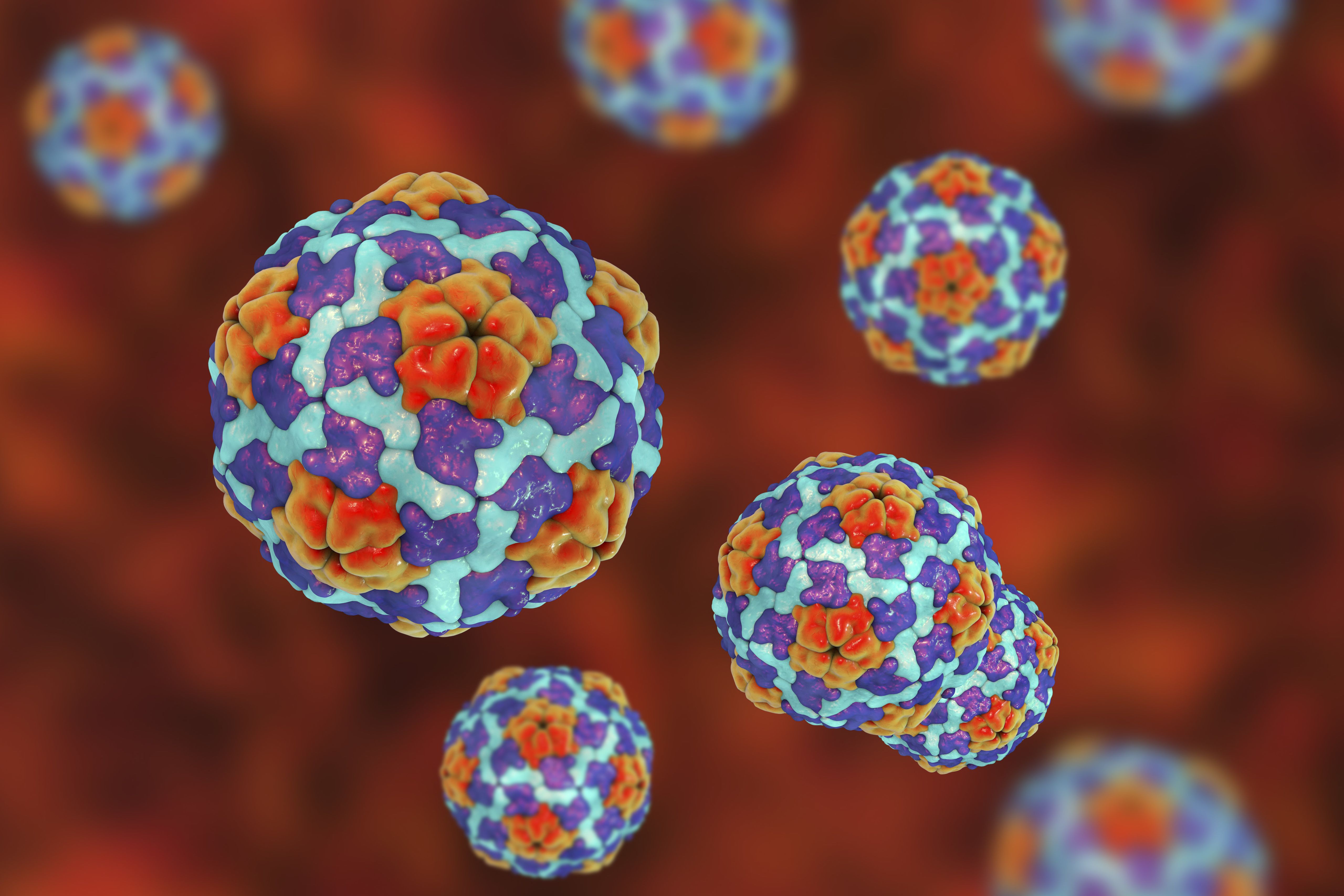
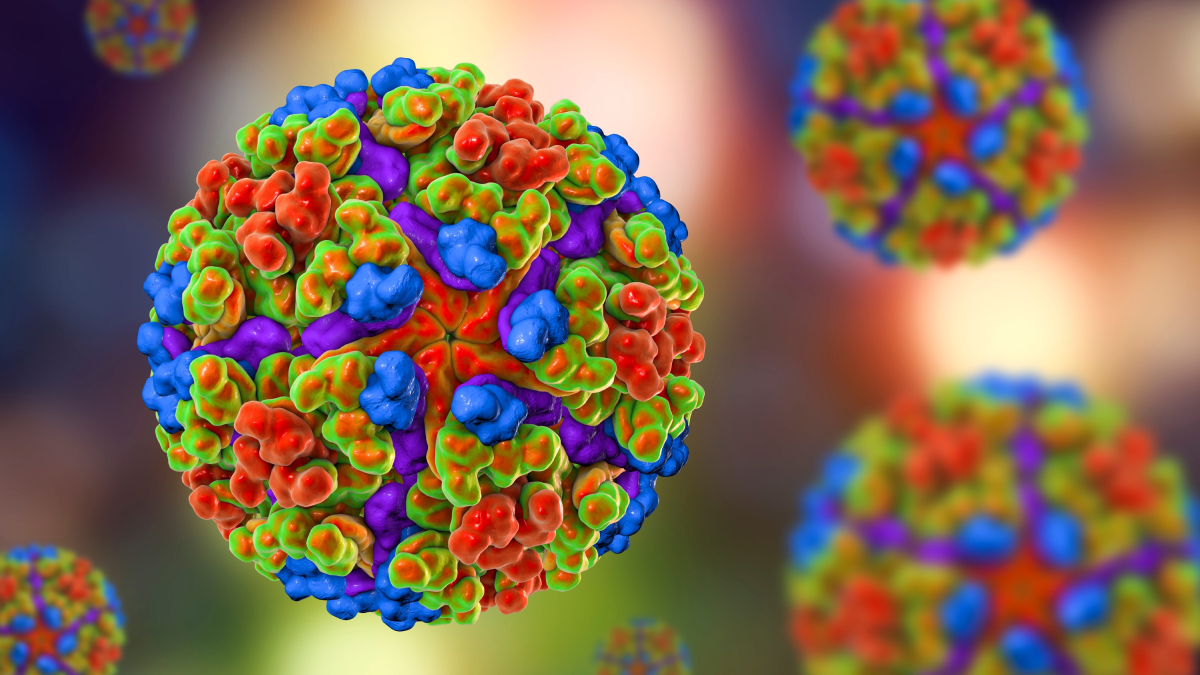
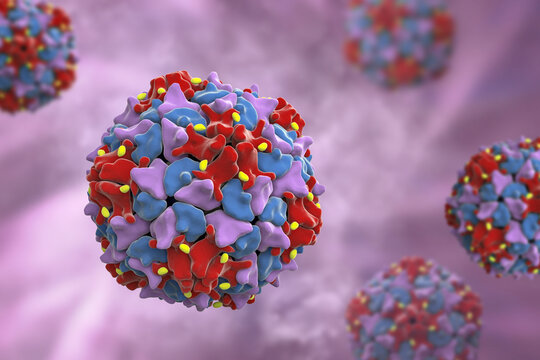
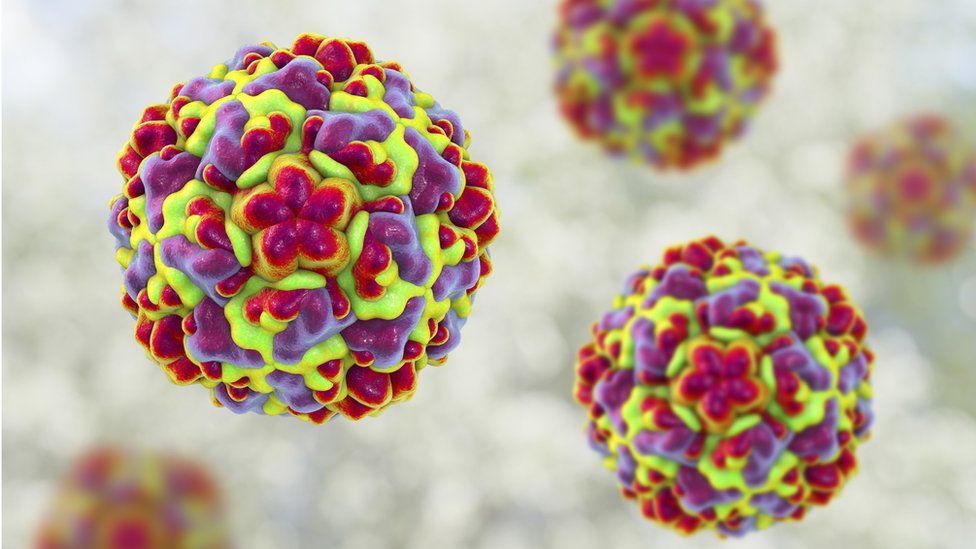
Hantaviruses are a family of viruses primarily spread by rodents that can cause serious, often fatal, respiratory or kidney diseases in humans. The current outbreak involves the Andes virus strain, which is unique because it is the only known hantavirus capable of human-to-human transmission through close contact. While the World Health Organization (WHO) maintains that the overall public health risk remains low, the 50% fatality rate of Hantavirus Pulmonary Syndrome (HPS) and the wide geographic dispersal of passengers from the MV Hondius have necessitated a massive coordinated response involving health agencies from Switzerland, South Africa, the Netherlands, and the United Kingdom.
The Swiss Connection: A Passenger Returns to Zurich
Swiss health authorities confirmed that a man who had been a passenger on the MV Hondius tested positive for hantavirus upon his return to Switzerland. The individual reportedly disembarked the vessel during its scheduled stop at the remote island of Saint Helena in late April. After flying back to Switzerland, he began experiencing symptoms and proactively contacted medical professionals. He is currently receiving specialized care at the University Hospital Zurich (USZ). Officials have emphasized that the hospital is fully equipped to handle such infectious diseases, and there is no broader risk to the Swiss public at this time.
The patient's wife, who traveled with him, is currently under self-isolation as a precautionary measure, although she has not yet shown symptoms. The identification of the Andes strain in this patient is particularly significant for epidemiologists because it confirms that the virus was present and potentially circulating among passengers before the full extent of the shipboard crisis was recognized. The Swiss Federal Office of Public Health (FOPH) is working closely with the WHO to determine the exact timeline of the man's travel and any potential contacts he may have had during his journey home.
Understanding the MV Hondius Cruise Ship Outbreak
The outbreak originated on the MV Hondius, a Dutch-flagged vessel that departed from Ushuaia, Argentina, on April 1, 2026. The ship was carrying approximately 147 passengers and crew members on a polar expedition. The first sign of trouble appeared on April 6, when a 70-year-old Dutch passenger began showing signs of respiratory distress. He passed away on board on April 11. Initially, his death was not attributed to hantavirus, as the symptoms overlapped with other common respiratory illnesses. However, as more passengers fell ill with similar severe symptoms, including pneumonia and shock, the alarm was raised.
By early May, the situation had escalated significantly. Three deaths have been confirmed so far: two Dutch nationals and one German passenger. Another passenger, a British man, was medically evacuated to South Africa and placed in intensive care. As of the latest reports, there are at least eight suspected or confirmed cases linked to the vessel. The ship has been anchored off the coast of Cape Verde while international health experts determine the safest way for the remaining asymptomatic passengers to disembark and return to their home countries.
The Science of Hantavirus: Strains and Transmission
Hantaviruses are typically categorized into "Old World" and "New World" strains. Old World hantaviruses, found in Europe and Asia, usually cause Hemorrhagic Fever with Renal Syndrome (HFRS). New World hantaviruses, found in the Americas, cause Hantavirus Pulmonary Syndrome (HPS). The Andes virus (ANDV) identified in this outbreak is a New World strain endemic to parts of Argentina and Chile. It is notorious for its high mortality rate, which can reach up to 50% in severe cases of HPS.
What makes the Andes strain particularly concerning is its ability to spread from person to person. While most hantaviruses require direct contact with infected rodent waste—such as urine, droppings, or saliva—the Andes strain can be transmitted through prolonged close contact between humans. This could include sharing a cabin, dining in close proximity, or providing care to an infected individual. Experts believe the initial infection likely occurred during land-based excursions in South America before the passengers boarded the ship, with subsequent limited spread occurring within the confined environment of the vessel.
Symptoms and Progression of Hantavirus Pulmonary Syndrome
The incubation period for hantavirus is notably long, ranging from one to eight weeks, which complicates efforts to contain outbreaks. Early symptoms are often deceptive, mimicking the flu or a common cold. Patients typically experience fever, severe muscle aches (myalgia), fatigue, and dizziness. Gastrointestinal issues such as nausea, vomiting, and abdominal pain are also frequent in the early stages of the Andes strain infection.
As the disease progresses, it moves into the "cardiopulmonary phase." This stage is characterized by a sudden onset of shortness of breath and coughing as the lungs fill with fluid. This rapid progression to pneumonia and acute respiratory distress syndrome (ARDS) is what makes the virus so deadly. Without immediate supportive care, such as mechanical ventilation and oxygen therapy, patients can quickly go into shock and suffer organ failure. Because there is no specific antiviral treatment or vaccine for hantavirus, early hospitalization and intensive supportive care are the only ways to improve survival rates.
| Aspect of Outbreak | Current Status/Information |
|---|---|
| Total Reported Cases | 8 (Confirmed and Suspected) |
| Confirmed Deaths | 3 (2 Dutch, 1 German) |
| Identified Virus Strain | Andes Hantavirus (ANDV) |
| Key Geographic Locations | South Africa, Switzerland, Netherlands, Cape Verde |
Global Tracing: Tracking Passengers Across 12 Countries
One of the biggest challenges facing health officials is the fact that dozens of passengers disembarked the MV Hondius at various stops before the hantavirus outbreak was officially confirmed. More than two dozen passengers from at least 12 different countries left the ship during a stop at Saint Helena on April 24. These individuals then traveled through various international hubs to reach their homes in the United States, United Kingdom, and Europe.
The WHO and national health agencies are now engaged in a massive contact tracing effort. In the United States, the CDC is monitoring individuals in five states, including Georgia, Texas, Arizona, Virginia, and California. In the UK, two passengers who returned home are currently self-isolating. The goal is to monitor these individuals for the duration of the 45-day window—the maximum estimated incubation period—to ensure that any new cases are identified and isolated immediately. This proactive approach is essential to prevent any potential community transmission of the Andes strain.
Risk Assessment: Why WHO Says the Risk is Low
Despite the frightening nature of the virus, the World Health Organization has been clear in its assessment that the risk to the general public remains low. Dr. Maria Van Kerkhove, the WHO's director for epidemic and pandemic preparedness, has stated that this is "not the next COVID." The reasoning lies in the nature of hantavirus transmission. Even the Andes strain requires very close, prolonged contact to spread between humans. It does not spread through the air over long distances or via casual contact in the way that respiratory viruses like influenza or SARS-CoV-2 do.
Furthermore, the natural reservoir for the Andes virus—the long-tailed pygmy rice rat—is not found in Europe or Africa. This means that even if a traveler brings the virus to a new continent, it cannot establish itself in the local rodent population, effectively cutting off the primary route of infection. The containment strategy focuses on the "closed environment" of the ship and the "close contacts" of those known to be ill. As long as these groups are monitored and isolated, the threat of a wider epidemic is considered negligible.
The Future of Polar Expeditions and Health Safety
This incident is likely to have lasting implications for the cruise and expedition industry, particularly for trips to remote regions like Antarctica and the South Atlantic islands. Polar expeditions often involve excursions into wilderness areas where wildlife contact is a key part of the experience. The MV Hondius outbreak serves as a stark reminder that even the most remote environments carry biological risks that require rigorous health screening and sanitation protocols.
Moving forward, operators may implement more stringent pre-boarding health checks and provide travelers with specific guidance on avoiding rodent-borne illnesses during land excursions. There may also be a push for better diagnostic capabilities on board vessels that operate far from major medical hubs. The ability to quickly test for rare pathogens like hantavirus could mean the difference between a contained incident and a full-blown international health crisis.
FAQ
Q1: Can I get hantavirus from someone I pass on the street?
A: No. Even with the Andes strain, transmission requires very close and prolonged contact, such as living in the same house or sharing food and drink. It is not easily spread through casual social interaction.
Q2: Is there a vaccine for hantavirus?
A: Currently, there is no widely available vaccine for hantavirus in the United States or Europe. Prevention focuses on avoiding contact with rodents and their waste, and in the case of the Andes strain, isolating infected individuals.
Q3: How do I know if I have hantavirus or just the flu?
A: Early symptoms are very similar. However, hantavirus often includes severe muscle aches in the large muscle groups (thighs, back, shoulders) and significant gastrointestinal distress. If you have traveled to an area where the virus is endemic and develop these symptoms, you should seek medical attention immediately.
Q4: Is it safe to go on a cruise?
A: Yes, cruising remains generally safe. Outbreaks of rare diseases like hantavirus are extremely unusual. Cruise lines have rigorous sanitation and medical protocols to manage health risks on board.
Q5: What is being done for the passengers still on the MV Hondius?
A: Passengers on board are currently isolating in their cabins and undergoing regular medical monitoring. The ship is heading to the Canary Islands, where Spanish authorities have prepared specialized facilities for quarantine and repatriation.
Conclusion
The confirmation of a hantavirus case in Switzerland serves as a sobering reminder of the interconnectedness of our modern world. While the outbreak on the MV Hondius is a tragic and rare event, the swift response from global health authorities has been instrumental in preventing further spread. By identifying the specific Andes strain and initiating comprehensive contact tracing, officials are utilizing every tool available to contain the threat. As the patient in Zurich receives treatment and the remaining passengers head toward the Canary Islands, the focus remains on vigilant monitoring and the safety of the global community. While the name "hantavirus" may cause concern, the low risk of widespread transmission and the lack of a natural reservoir in Europe suggest that this localized crisis will be managed without leading to a broader public health emergency.
What Is Hantavirus? Case Identified in Switzerland Linked to Cruise Ship Outbreak
What Is Hantavirus? Case Identified in Switzerland Linked to Cruise Ship Outbreak Wallpapers
Collection of what is hantavirus? case identified in switzerland linked to cruise ship outbreak wallpapers for your desktop and mobile devices.

Captivating What Is Hantavirus? Case Identified In Switzerland Linked To Cruise Ship Outbreak Wallpaper in 4K
Find inspiration with this unique what is hantavirus? case identified in switzerland linked to cruise ship outbreak illustration, crafted to provide a fresh look for your background.

Mesmerizing What Is Hantavirus? Case Identified In Switzerland Linked To Cruise Ship Outbreak Design Photography
Experience the crisp clarity of this stunning what is hantavirus? case identified in switzerland linked to cruise ship outbreak image, available in high resolution for all your screens.

Crisp What Is Hantavirus? Case Identified In Switzerland Linked To Cruise Ship Outbreak Landscape in HD
Immerse yourself in the stunning details of this beautiful what is hantavirus? case identified in switzerland linked to cruise ship outbreak wallpaper, designed for a captivating visual experience.

Beautiful What Is Hantavirus? Case Identified In Switzerland Linked To Cruise Ship Outbreak View for Your Screen
Discover an amazing what is hantavirus? case identified in switzerland linked to cruise ship outbreak background image, ideal for personalizing your devices with vibrant colors and intricate designs.

Spectacular What Is Hantavirus? Case Identified In Switzerland Linked To Cruise Ship Outbreak Design for Mobile
Immerse yourself in the stunning details of this beautiful what is hantavirus? case identified in switzerland linked to cruise ship outbreak wallpaper, designed for a captivating visual experience.

Beautiful What Is Hantavirus? Case Identified In Switzerland Linked To Cruise Ship Outbreak Picture Concept
Experience the crisp clarity of this stunning what is hantavirus? case identified in switzerland linked to cruise ship outbreak image, available in high resolution for all your screens.

Vivid What Is Hantavirus? Case Identified In Switzerland Linked To Cruise Ship Outbreak Picture for Desktop
Experience the crisp clarity of this stunning what is hantavirus? case identified in switzerland linked to cruise ship outbreak image, available in high resolution for all your screens.
Vibrant What Is Hantavirus? Case Identified In Switzerland Linked To Cruise Ship Outbreak View for Mobile
Explore this high-quality what is hantavirus? case identified in switzerland linked to cruise ship outbreak image, perfect for enhancing your desktop or mobile wallpaper.

Breathtaking What Is Hantavirus? Case Identified In Switzerland Linked To Cruise Ship Outbreak Moment for Desktop
Experience the crisp clarity of this stunning what is hantavirus? case identified in switzerland linked to cruise ship outbreak image, available in high resolution for all your screens.
Lush What Is Hantavirus? Case Identified In Switzerland Linked To Cruise Ship Outbreak Landscape for Your Screen
This gorgeous what is hantavirus? case identified in switzerland linked to cruise ship outbreak photo offers a breathtaking view, making it a perfect choice for your next wallpaper.

Spectacular What Is Hantavirus? Case Identified In Switzerland Linked To Cruise Ship Outbreak Landscape Concept
This gorgeous what is hantavirus? case identified in switzerland linked to cruise ship outbreak photo offers a breathtaking view, making it a perfect choice for your next wallpaper.

Captivating What Is Hantavirus? Case Identified In Switzerland Linked To Cruise Ship Outbreak Scene Concept
Find inspiration with this unique what is hantavirus? case identified in switzerland linked to cruise ship outbreak illustration, crafted to provide a fresh look for your background.
Serene What Is Hantavirus? Case Identified In Switzerland Linked To Cruise Ship Outbreak Scene in HD
Explore this high-quality what is hantavirus? case identified in switzerland linked to cruise ship outbreak image, perfect for enhancing your desktop or mobile wallpaper.

Gorgeous What Is Hantavirus? Case Identified In Switzerland Linked To Cruise Ship Outbreak Wallpaper Digital Art
Immerse yourself in the stunning details of this beautiful what is hantavirus? case identified in switzerland linked to cruise ship outbreak wallpaper, designed for a captivating visual experience.
Stunning What Is Hantavirus? Case Identified In Switzerland Linked To Cruise Ship Outbreak Capture in 4K
A captivating what is hantavirus? case identified in switzerland linked to cruise ship outbreak scene that brings tranquility and beauty to any device.

Mesmerizing What Is Hantavirus? Case Identified In Switzerland Linked To Cruise Ship Outbreak Wallpaper Illustration
Explore this high-quality what is hantavirus? case identified in switzerland linked to cruise ship outbreak image, perfect for enhancing your desktop or mobile wallpaper.

Gorgeous What Is Hantavirus? Case Identified In Switzerland Linked To Cruise Ship Outbreak Moment Photography
A captivating what is hantavirus? case identified in switzerland linked to cruise ship outbreak scene that brings tranquility and beauty to any device.
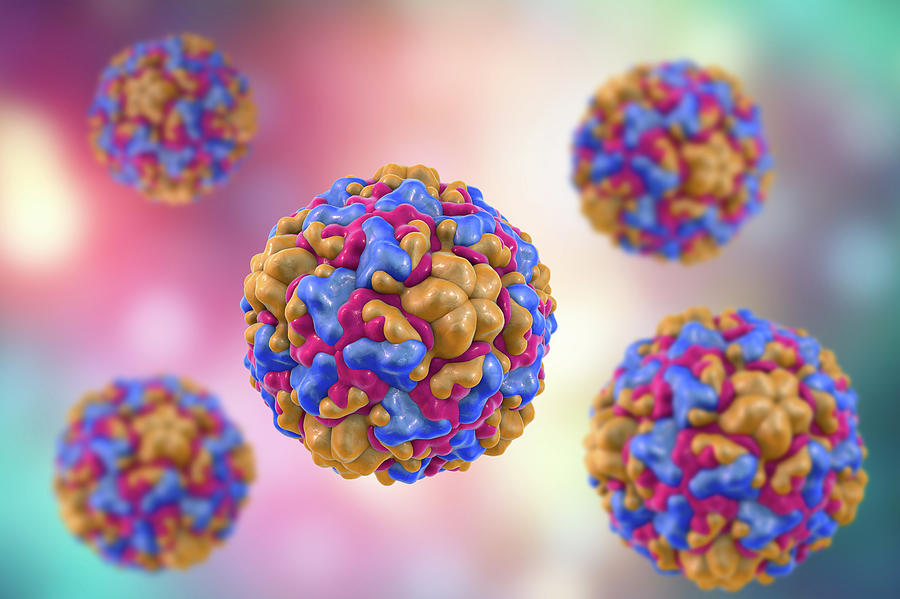
Spectacular What Is Hantavirus? Case Identified In Switzerland Linked To Cruise Ship Outbreak Image for Desktop
This gorgeous what is hantavirus? case identified in switzerland linked to cruise ship outbreak photo offers a breathtaking view, making it a perfect choice for your next wallpaper.

Exquisite What Is Hantavirus? Case Identified In Switzerland Linked To Cruise Ship Outbreak Image in 4K
Immerse yourself in the stunning details of this beautiful what is hantavirus? case identified in switzerland linked to cruise ship outbreak wallpaper, designed for a captivating visual experience.

Lush What Is Hantavirus? Case Identified In Switzerland Linked To Cruise Ship Outbreak Abstract in 4K
A captivating what is hantavirus? case identified in switzerland linked to cruise ship outbreak scene that brings tranquility and beauty to any device.
Download these what is hantavirus? case identified in switzerland linked to cruise ship outbreak wallpapers for free and use them on your desktop or mobile devices.