Cost cut needed to cover Friedreich_s Ataxia drug - NCPE
Significant Cost Cut Needed to Cover Friedreich's Ataxia Drug: NCPE Issues Critical Report
The landscape of rare disease treatment in Ireland has reached a pivotal junction following the latest report from the National Centre for Pharmacoeconomics (NCPE). The central focus of the report is the breakthrough medication for Friedreich's Ataxia (FA), a debilitating and progressive genetic disorder. While the clinical benefits of the treatment are recognized, the NCPE has stated that a significant cost cut is needed to cover the Friedreich's Ataxia drug under the national health budget. This decision has sparked a complex debate involving patient advocacy groups, health economists, and pharmaceutical manufacturers, highlighting the ongoing tension between medical innovation and fiscal sustainability in public healthcare.
Understanding Friedreich's Ataxia and the Hope of Skyclarys
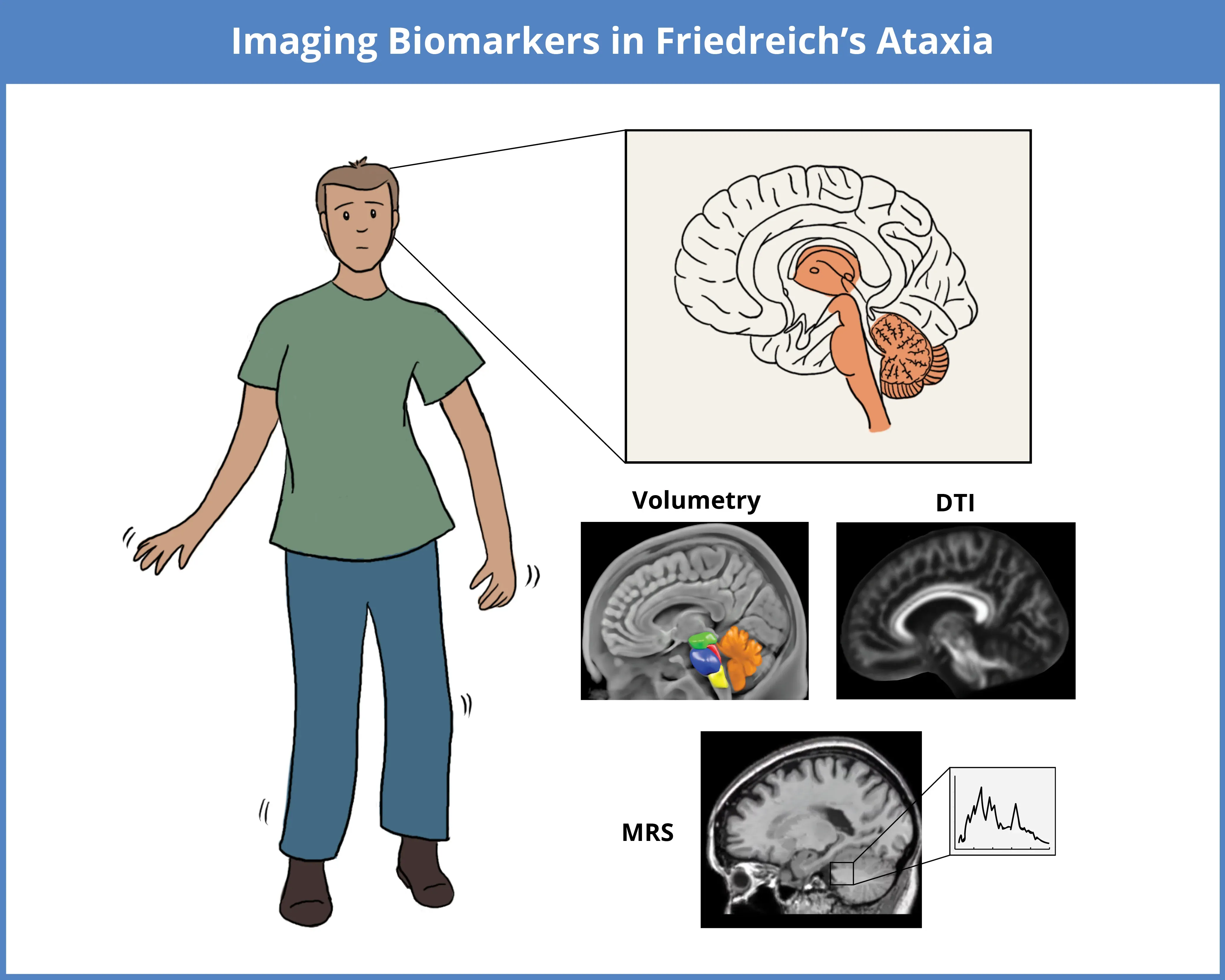
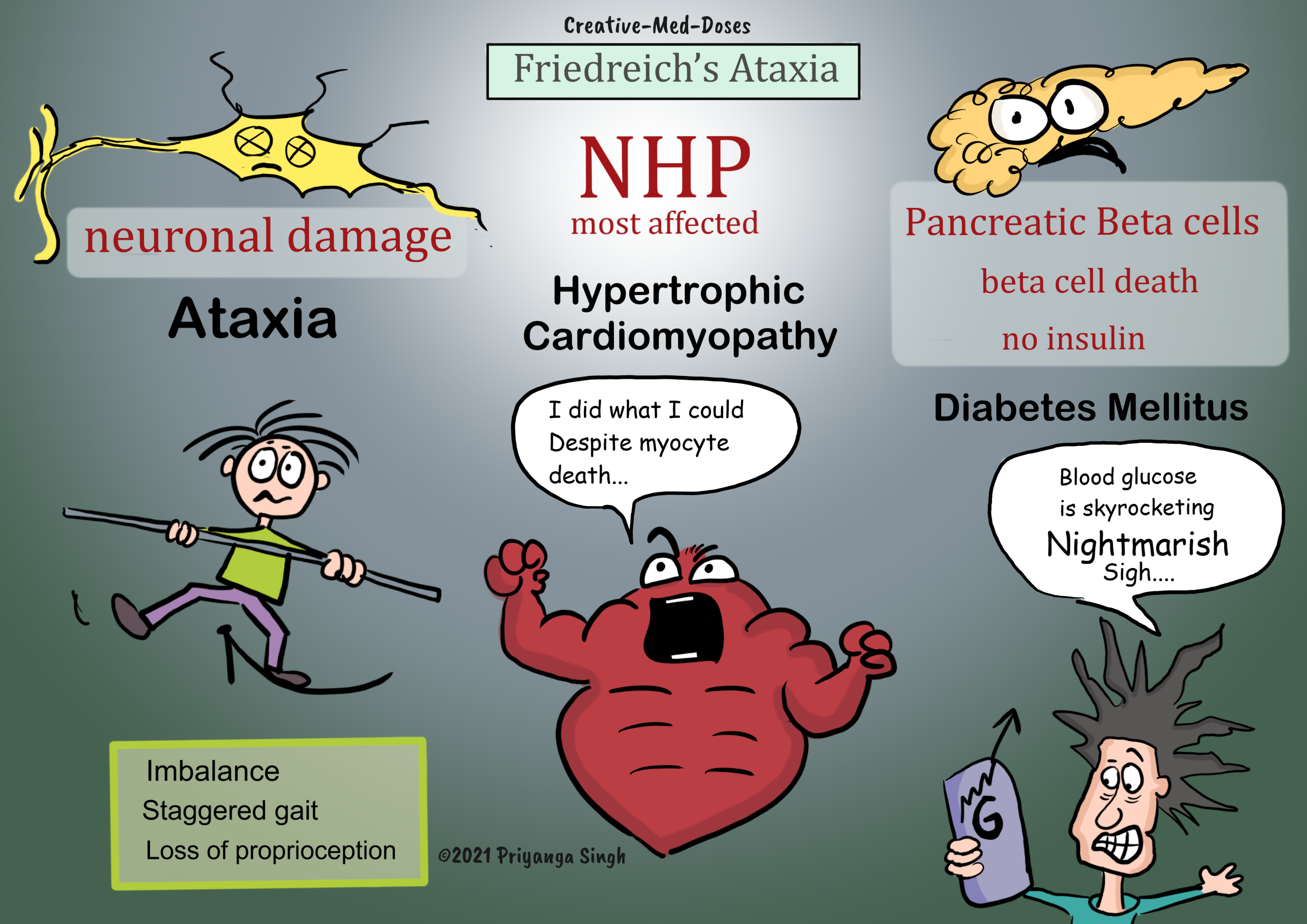
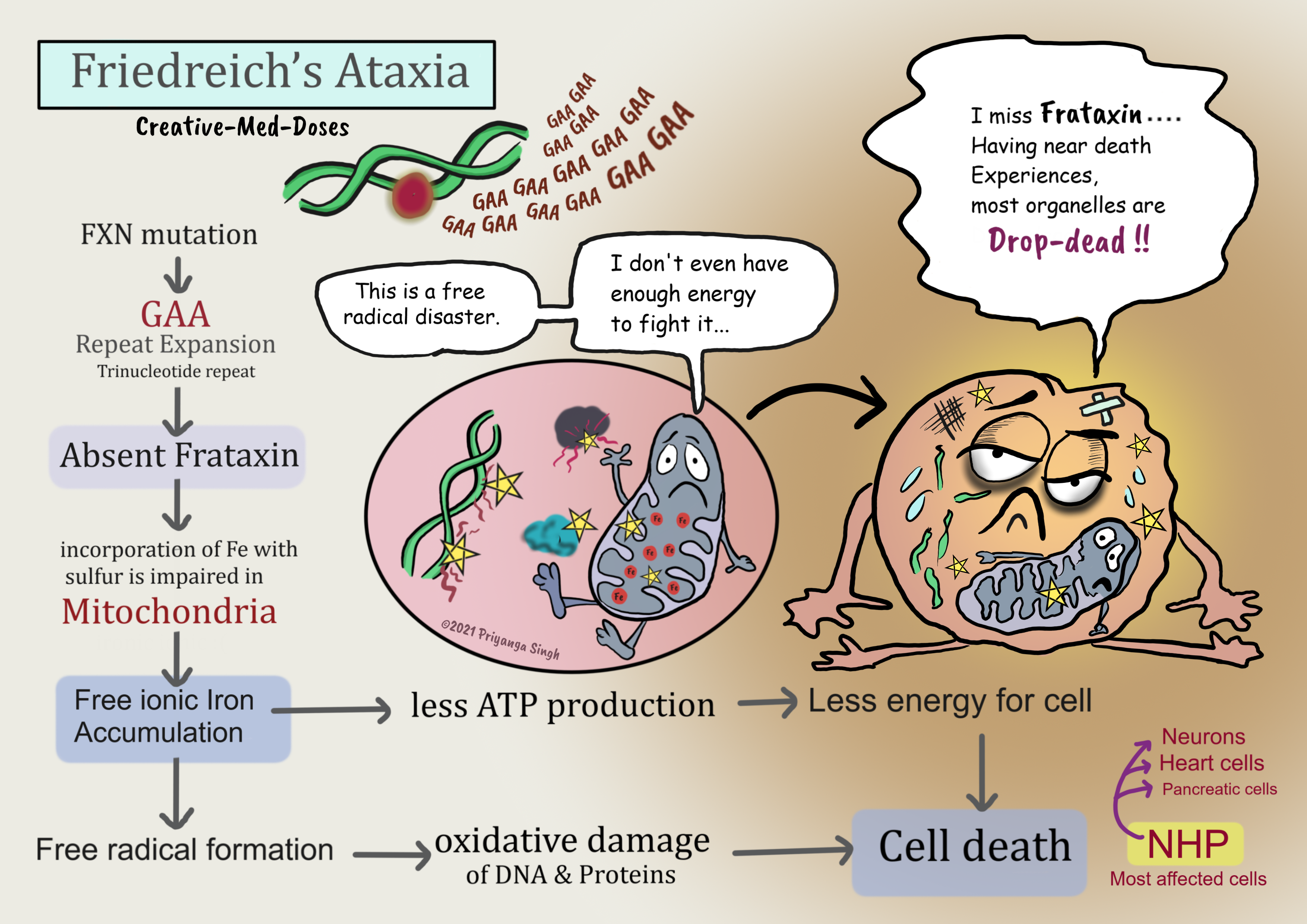
Friedreich's Ataxia (FA) is an ultra-rare, inherited neurodegenerative disease that typically manifests during childhood or adolescence. It is caused by a mutation in the FXN gene, which leads to a deficiency of the protein frataxin. This deficiency results in progressive damage to the nervous system, particularly the spinal cord and peripheral nerves, as well as the cerebellum, which controls balance and movement.
For decades, there were no approved disease-modifying treatments for FA. Patients and their families were left to manage symptoms through physical therapy and supportive care. However, the arrival of Skyclarys (omaveloxolone), developed originally by Reata Pharmaceuticals and now under Biogen, changed the therapeutic horizon. Skyclarys is the first drug specifically approved to slow the progression of the disease, targeting the oxidative stress pathways that are disrupted in patients with FA.
The clinical trials, most notably the MOXIe study, demonstrated that patients taking Skyclarys experienced a significant slowing of physical decline compared to those on a placebo. For a community that has lived without hope for a cure or treatment for generations, this drug represents a monumental breakthrough. However, the high price tag associated with orphan drugs—medications developed for rare conditions—has placed it squarely in the crosshairs of national health technology assessment (HTA) bodies like the NCPE.
The NCPE Evaluation: Why a Cost Cut is Mandatory
The National Centre for Pharmacoeconomics (NCPE) is tasked with evaluating whether new medicines provide sufficient value for money to be funded by the Health Service Executive (HSE) in Ireland. Their evaluation process is rigorous, looking not just at clinical efficacy but at "cost-effectiveness"—a ratio of the health benefits gained versus the financial investment required.
In the case of the Friedreich's Ataxia drug, the NCPE concluded that at the current price offered by the manufacturer, the drug does not meet the criteria for cost-effectiveness. This does not mean the drug is ineffective; rather, it means the price per Quality-Adjusted Life Year (QALY) gained is significantly higher than the standard threshold used in the Irish healthcare system.
The NCPE’s recommendation is clear: for Skyclarys to be accessible to the approximately 100 individuals living with FA in Ireland, the manufacturer must agree to a substantial price reduction. Without this cost cut, the HSE faces a significant budgetary impact that could potentially divert funds from other essential services. This creates a "waiting game" where patients remain in limbo while price negotiations take place behind closed doors.
| Feature/Aspect | Description |
|---|---|
| Drug Name | Skyclarys (Omaveloxolone) |
| Condition Treated | Friedreich's Ataxia (FA) in patients aged 16 and older. |
| Mechanism of Action | Activates Nrf2, a transcription factor that restores mitochondrial function and reduces oxidative stress. |
| NCPE Recommendation | Not recommended for reimbursement at the current price; cost-effectiveness criteria not met. |
| Estimated Patient Cohort | Approximately 100 patients in Ireland are potentially eligible. |
| Economic Barrier | High cost per patient per year compared to standard QALY thresholds. |
The Economic Dilemma of Orphan Drugs
The situation with Skyclarys is not unique. It reflects a global trend in the pharmaceutical industry where "orphan drugs" for rare diseases come with astronomical price tags. Manufacturers argue that these prices are necessary to recoup the massive research and development (R&D) costs associated with targeting small patient populations. When a drug is intended for only a few thousand people worldwide, the "per-patient" cost naturally rises to ensure the company remains profitable and can invest in future innovations.
However, health systems like the HSE operate on finite budgets. Critics of the current pricing models argue that pharmaceutical companies often prioritize shareholder profits over patient access. They point to the fact that many of these breakthrough drugs are developed with the help of public research grants and tax incentives provided by the Orphan Drug Act in the US and similar legislation in the EU.
The NCPE's demand for a cost cut is a defensive measure to ensure that the health system remains solvent. If the HSE were to pay the full list price for every new orphan drug, the cumulative cost would be unsustainable. This leads to a delicate negotiation process where the government seeks to find a price point that acknowledges the drug's value while keeping it affordable for the public purse.
The Human Impact: Time is of the Essence
While economists and bureaucrats discuss thresholds and QALYs, the Friedreich's Ataxia community is facing a very different reality. For patients with FA, time is the one thing they do not have. The disease is relentless; every month without treatment could mean the loss of the ability to walk, the decline of speech clarity, or the progression of life-threatening hypertrophic cardiomyopathy.
Patient advocacy groups, such as Friedreich's Ataxia Ireland, have been vocal in their disappointment over the delay. They argue that the standard cost-effectiveness models used by the NCPE are not fit for purpose when it comes to ultra-rare diseases. Since these diseases affect so few people, it is mathematically difficult for them to ever meet the standard thresholds unless the drug is priced extremely low.
There is also an ethical argument: should a citizen's access to a life-changing, first-of-its-kind medication be determined solely by its price? For the families watching their loved ones lose physical function daily, the NCPE report feels like a bureaucratic barrier to a basic right to health.
The Negotiation Process: What Happens Next?
The "not recommended" status from the NCPE is not the final word. It is, in fact, the beginning of a formal negotiation phase. The Corporate Pharmaceutical Unit (CPU) within the HSE will now engage in direct talks with Biogen. These negotiations typically involve:
- Price-Volume Agreements: The manufacturer may offer a lower price if a certain number of patients are treated.
- Risk-Sharing Schemes: The HSE only pays for the drug if the patient shows a measurable clinical improvement.
- Confidential Rebates: The "list price" remains high for the global market, but the Irish government receives a significant refund behind the scenes.
Recent history shows that many drugs initially rejected by the NCPE eventually gain approval after these negotiations. However, this process can take months, or even years, leaving patients in a state of high anxiety.
Global Context: How Other Countries Handle Skyclarys
Ireland is not alone in this struggle. Across Europe, various health authorities are grappling with the same pricing issues. The European Medicines Agency (EMA) granted marketing authorization for Skyclarys in early 2024, but reimbursement varies significantly by country.
In the United States, the FDA approved the drug in February 2023. While access is generally faster in the US due to its private-public insurance model, the cost remains a major point of contention for insurers and patients with high co-pays. Germany and France, which have different assessment models than Ireland, often provide early access while pricing negotiations are ongoing. Ireland's system is generally seen as more conservative, prioritizing budget certainty before widespread rollout.
The Future of Rare Disease Funding in Ireland
The debate over the Friedreich's Ataxia drug highlights a broader need for a new framework for funding rare disease treatments. As genomic medicine advances, more "orphan" and "ultra-orphan" drugs will reach the market. The current HTA (Health Technology Assessment) system may need to evolve to incorporate "societal value" and "unmet need" more heavily than just the raw cost-per-QALY metric.
There is also a growing call for international cooperation in drug purchasing. If smaller nations like Ireland collaborated with other EU member states to negotiate as a single bloc, they would have much greater leverage to secure the necessary cost cuts from pharmaceutical giants.
Conclusion
The NCPE’s report stating that a cost cut is needed to cover the Friedreich's Ataxia drug is a sobering reminder of the financial complexities of modern medicine. While Skyclarys represents a beacon of hope for the FA community, the bridge between clinical discovery and patient access remains blocked by economic hurdles. It is now up to the HSE and Biogen to bridge this gap. For the patients in Ireland, the hope is that a compromise can be reached swiftly, ensuring that the first-ever treatment for their condition does not remain out of reach due to its price tag. The eyes of the rare disease community remain fixed on the HSE, waiting for a decision that balances the books with the fundamental need for life-altering care.
Frequently Asked Questions (FAQ)
1. Why did the NCPE reject the initial price for the Friedreich's Ataxia drug?
The NCPE found that the cost of the drug (Skyclarys) was too high relative to the health benefits it provides, based on the standard cost-effectiveness thresholds used in Ireland. They determined it did not represent sufficient "value for money" for the HSE budget at its current list price.
2. Can patients still get the drug in Ireland?
Currently, the drug is not widely available through the public health system (HSE). While it has been granted marketing authorization by the EMA, it will only be routinely funded once the HSE and the manufacturer agree on a lower price or a managed access program.
3. How long do price negotiations usually take?
Negotiations can vary significantly, typically taking anywhere from six months to over a year. The speed depends on the willingness of the pharmaceutical company to offer discounts and the HSE's budgetary priorities for the year.
4. Is Skyclarys a cure for Friedreich's Ataxia?
No, Skyclarys is not a cure. It is a disease-modifying therapy designed to slow the progression of the physical symptoms of FA. It helps maintain neurological function for a longer period but does not reverse existing damage or fix the underlying genetic mutation.
In summary, while the medical community celebrates the innovation of Skyclarys, the economic reality in Ireland necessitates a significant price adjustment. The path forward requires transparency, compassion, and a commitment to ensuring that rare disease patients are not left behind in the pursuit of fiscal balance.
Cost cut needed to cover Friedreich's Ataxia drug - NCPE
Cost cut needed to cover Friedreich's Ataxia drug - NCPE Wallpapers
Collection of cost cut needed to cover friedreich's ataxia drug - ncpe wallpapers for your desktop and mobile devices.

Detailed Cost Cut Needed To Cover Friedreich's Ataxia Drug - Ncpe Capture for Desktop
Transform your screen with this vivid cost cut needed to cover friedreich's ataxia drug - ncpe artwork, a true masterpiece of digital design.
Vivid Cost Cut Needed To Cover Friedreich's Ataxia Drug - Ncpe Wallpaper Photography
Explore this high-quality cost cut needed to cover friedreich's ataxia drug - ncpe image, perfect for enhancing your desktop or mobile wallpaper.

Gorgeous Cost Cut Needed To Cover Friedreich's Ataxia Drug - Ncpe Photo Art
Immerse yourself in the stunning details of this beautiful cost cut needed to cover friedreich's ataxia drug - ncpe wallpaper, designed for a captivating visual experience.
Detailed Cost Cut Needed To Cover Friedreich's Ataxia Drug - Ncpe Picture for Desktop
Transform your screen with this vivid cost cut needed to cover friedreich's ataxia drug - ncpe artwork, a true masterpiece of digital design.
Crisp Cost Cut Needed To Cover Friedreich's Ataxia Drug - Ncpe Landscape Concept
Immerse yourself in the stunning details of this beautiful cost cut needed to cover friedreich's ataxia drug - ncpe wallpaper, designed for a captivating visual experience.
Amazing Cost Cut Needed To Cover Friedreich's Ataxia Drug - Ncpe Capture for Your Screen
Discover an amazing cost cut needed to cover friedreich's ataxia drug - ncpe background image, ideal for personalizing your devices with vibrant colors and intricate designs.
Dynamic Cost Cut Needed To Cover Friedreich's Ataxia Drug - Ncpe Scene Concept
A captivating cost cut needed to cover friedreich's ataxia drug - ncpe scene that brings tranquility and beauty to any device.

Lush Cost Cut Needed To Cover Friedreich's Ataxia Drug - Ncpe View for Desktop
Find inspiration with this unique cost cut needed to cover friedreich's ataxia drug - ncpe illustration, crafted to provide a fresh look for your background.
Stunning Cost Cut Needed To Cover Friedreich's Ataxia Drug - Ncpe Capture for Desktop
Immerse yourself in the stunning details of this beautiful cost cut needed to cover friedreich's ataxia drug - ncpe wallpaper, designed for a captivating visual experience.
High-Quality Cost Cut Needed To Cover Friedreich's Ataxia Drug - Ncpe Background in 4K
Discover an amazing cost cut needed to cover friedreich's ataxia drug - ncpe background image, ideal for personalizing your devices with vibrant colors and intricate designs.
Detailed Cost Cut Needed To Cover Friedreich's Ataxia Drug - Ncpe View Illustration
Experience the crisp clarity of this stunning cost cut needed to cover friedreich's ataxia drug - ncpe image, available in high resolution for all your screens.

High-Quality Cost Cut Needed To Cover Friedreich's Ataxia Drug - Ncpe Wallpaper in 4K
Experience the crisp clarity of this stunning cost cut needed to cover friedreich's ataxia drug - ncpe image, available in high resolution for all your screens.

Exquisite Cost Cut Needed To Cover Friedreich's Ataxia Drug - Ncpe Landscape in HD
A captivating cost cut needed to cover friedreich's ataxia drug - ncpe scene that brings tranquility and beauty to any device.

Amazing Cost Cut Needed To Cover Friedreich's Ataxia Drug - Ncpe Background for Your Screen
Experience the crisp clarity of this stunning cost cut needed to cover friedreich's ataxia drug - ncpe image, available in high resolution for all your screens.
Gorgeous Cost Cut Needed To Cover Friedreich's Ataxia Drug - Ncpe Abstract Art
Immerse yourself in the stunning details of this beautiful cost cut needed to cover friedreich's ataxia drug - ncpe wallpaper, designed for a captivating visual experience.
Beautiful Cost Cut Needed To Cover Friedreich's Ataxia Drug - Ncpe Scene for Mobile
Explore this high-quality cost cut needed to cover friedreich's ataxia drug - ncpe image, perfect for enhancing your desktop or mobile wallpaper.

Artistic Cost Cut Needed To Cover Friedreich's Ataxia Drug - Ncpe Background for Desktop
This gorgeous cost cut needed to cover friedreich's ataxia drug - ncpe photo offers a breathtaking view, making it a perfect choice for your next wallpaper.

Exquisite Cost Cut Needed To Cover Friedreich's Ataxia Drug - Ncpe Landscape Nature
Find inspiration with this unique cost cut needed to cover friedreich's ataxia drug - ncpe illustration, crafted to provide a fresh look for your background.

Breathtaking Cost Cut Needed To Cover Friedreich's Ataxia Drug - Ncpe Moment Concept
Experience the crisp clarity of this stunning cost cut needed to cover friedreich's ataxia drug - ncpe image, available in high resolution for all your screens.

High-Quality Cost Cut Needed To Cover Friedreich's Ataxia Drug - Ncpe Image Collection
Discover an amazing cost cut needed to cover friedreich's ataxia drug - ncpe background image, ideal for personalizing your devices with vibrant colors and intricate designs.
Download these cost cut needed to cover friedreich's ataxia drug - ncpe wallpapers for free and use them on your desktop or mobile devices.