Taliban Afghan Women
Taliban Afghan Women
The situation for women in Afghanistan has reached a critical juncture in 2026 as the international community increasingly labels the systematic repression under the de facto authorities as gender apartheid. Since the takeover in August 2021, a relentless cascade of edicts has effectively criminalized the presence of women and girls in public life. By the start of 2026, the environment has shifted from restrictive to exclusionary, with female civil servants recently notified that their employment is terminated and their salaries halted. This institutionalized violence against women is not merely a social policy but a structured legal framework designed to erase an entire gender from the nation's political, economic, and educational landscape. The current state of Taliban Afghan Women is defined by a total exclusion from secondary and higher education, a ban on nearly all forms of employment, and severe restrictions on movement without a male guardian (mahram). UN Human Rights officials have recently reported that life for ordinary Afghan women has worsened sharply, with new criminal procedures and penal codes explicitly permitting domestic violence and stripping away the last vestiges of legal protection. As the world observes the proceedings of the 70th Commission on the Status of Women (CSW70), the plea from Kabul is clear: the systematic dismantling of justice institutions and the erasure of women's rights represent a crime against humanity that requires urgent global intervention.The Systematic Erasure: Life Under 2026 Taliban Edicts
As of April 2026, the Taliban's approach to governance has solidified into what many international legal experts describe as a system of gender apartheid. The progression of restrictions has been methodical. Initially, the group promised to respect rights within Sharia law, but the reality has been the issuance of over 80 edicts, the majority of which specifically target the freedoms of women. In January 2026, the situation took a darker turn for female civil servants who had previously been ordered to stay home on a reduced salary. These women were informed that their pay would cease entirely and their positions were officially terminated, leaving thousands of households without a primary breadwinner. Public life has been almost entirely scrubbed of female participation. Women are currently barred from entering UN premises, a restriction that has severely curtailed humanitarian operations. The visual landscape of Afghan cities has also changed, with street-level windows often painted over to prevent women from being seen from the street, and a total ban on the depiction of women in media. Even the names of public places have been altered to remove references to women, such as the renaming of women's gardens to spring gardens.Education Denied: Beyond the Sixth-Grade Barrier
Education remains the most high-profile casualty of the Taliban's regime. While primary school remains open for girls up to grade six, any formal education beyond the age of 11 or 12 is strictly prohibited. This ban has now been in place for over four years, meaning an entire generation of girls is entering adolescence without the opportunity to learn. In late 2024 and throughout 2025, this ban was extended to include medical institutes and midwifery programs, closing the last remaining pathway for women to enter the professional workforce. The consequences of this educational vacuum are projected to be catastrophic. UN Women data suggests that by 2026, the impact of keeping 1.1 million girls out of school will correlate with a 45 percent increase in early childbearing and a 50 percent increase in maternal mortality. Beyond the human cost, the denial of secondary education is estimated to cost the Afghan economy approximately 2.5 percent of its annual GDP. Despite this, a nationwide survey conducted in late 2025 revealed that 92 percent of Afghans, including those in rural areas, still support a girl's right to secondary schooling, highlighting a massive disconnect between the population's desires and the Taliban's decrees.The New Penal Code: Legalizing Domestic Violence
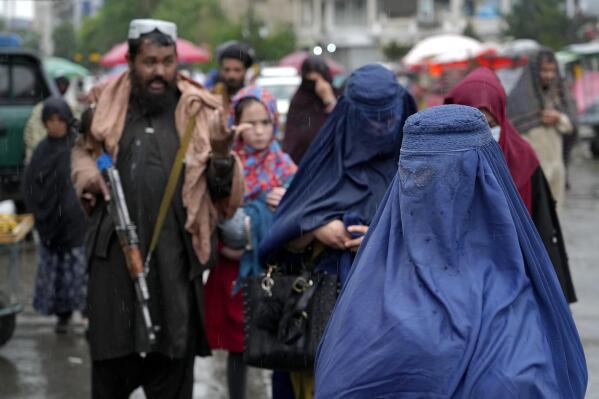
In a move that has horrified human rights advocates, the Taliban issued a new penal code on January 1, 2026, which further institutionalizes violence. This code reportedly includes provisions that explicitly allow husbands to beat their wives, provided that no bones are broken and no blood is drawn. This legal shift coincides with the complete dismantling of the country's former justice system. Today, there are no female judges, lawyers, or prosecutors left in the Afghan legal sector. The Ministry of Women's Affairs has long been replaced by the Ministry for the Propagation of Virtue and the Prevention of Vice. This body enforces a strict dress code that requires women to be covered from head to toe, often mandating the burqa or a heavy chador. Failure to comply can result in the detention of the woman and the punishment of her male guardian. The enforcement of these "morality" laws has intensified in early 2026, with women being removed from public transport or denied access to markets if their attire is deemed inappropriate.Economic Fallout: The Destruction of Female Livelihoods
The economic standing of Afghan women has been decimated. Since August 2021, the female workforce participation rate has plummeted. Most sectors are now entirely closed to women, with small exceptions in primary education and limited healthcare roles. Even in these fields, the requirements for a mahram and strict segregation make working prohibitively difficult. In July 2025, a directive even suggested that women employees in the Ministry of Finance should send a male relative to take their jobs instead. The closure of beauty salons in 2023 eliminated one of the few remaining independent economic spaces for women, affecting approximately 60,000 jobs. For the 50,000 widows in Kabul alone, these bans are not just a loss of rights but a sentence to poverty. Many have been forced into begging or desperate measures to provide for their children. Recent reports from UN Women indicate that only 17 percent of women returning from Iran or Pakistan have been able to find any form of employment, usually in informal and low-paid home-based work.Healthcare Crisis: A Gendered Barrier to Survival
Accessing healthcare has become a life-threatening challenge for many women. Taliban rules dictate that female patients must be accompanied by a male guardian to visit clinics and, in many provinces, can only be treated by female doctors. However, the ban on female medical education ensures that the number of female doctors will continue to dwindle. In 2025, medical graduation examinations were held for the second consecutive year without any female participants. This has led to a situation where women are living shorter, less healthy lives. Hospitals in certain regions have been ordered not to treat women who arrive without a mahram, effectively denying healthcare to widows or those whose male relatives are away. The lack of prenatal and postnatal care for women is also driving up infant mortality rates, which were already among the highest in the world.| Restriction Category | Current Status (2026) |
|---|---|
| Education | Banned for girls beyond grade six; medical and university education closed to women. |
| Employment | Women barred from civil service, NGOs, and most private sectors; salary payments for former employees ceased. |
| Freedom of Movement | Mandatory male guardian (mahram) required for travel beyond short distances (approx. 72km). |
| Legal Rights | No female representation in judiciary; new penal code permits domestic violence under specific conditions. |
| Public Spaces | Women banned from parks, gyms, public baths, and beauty salons. |
The Psychological Toll: A Looming Mental Health Catastrophe
The psychological impact of being "erased" from society is profound. Consultations conducted by UN agencies in 2025 and early 2026 reveal an escalating mental health crisis among Afghan women. Nearly three-quarters of women across the country describe their mental health as bad or very bad. The sense of hopelessness is compounded by the loss of agency; a UN report noted a 60 percent drop in the number of women who feel they can influence decisions even within their own households. The isolation is extreme. Some data suggests that only 41 percent of women leave their homes once a day, compared to 88 percent of men. For many, the home has become a prison. Human rights groups have recorded a sharp increase in reports of female suicide and attempted suicide, a tragic indicator of the level of despair felt by those who once held professional roles as doctors, teachers, and activists.International Response: The UN and Human Rights Organizations
The international community's response has been a mix of condemnation and humanitarian struggle. The UN Security Council has repeatedly called for the reversal of these draconian decrees, but the Taliban have remained unresponsive. During a UN Security Council meeting in March 2026, the UK government expressed deep dismay over the intensification of repression, specifically highlighting the ban on women accessing UN spaces. Human rights organizations like Amnesty International and Human Rights Watch continue to document abuses, including the arbitrary arrest and detention of women for "morality crimes." There are ongoing calls for donor countries to support underground and online education initiatives. However, the challenge remains how to provide aid without inadvertently normalizing or legitimizing the Taliban's discriminatory policies. The debate over whether to engage with the de facto authorities or isolate them further continues to divide global powers.Asylum and the Global Refugee Crisis for Afghan Women
For many women, the only hope is to flee. However, the journey to safety is fraught with danger. Countries neighboring Afghanistan, such as Iran and Pakistan, have seen large numbers of Afghan returnees, many of whom were forcibly deported back to a country where they have no rights. In the West, asylum policies have become increasingly restrictive. In 2025, reports indicated that hundreds of Afghan women were refused asylum in the UK, despite clear evidence of the persecution they face. Advocates argue that women fleeing the Taliban should be recognized as a persecuted group under international law. The lack of safe and legal routes for female refugees often leaves them vulnerable to human trafficking and exploitation. As the conflict in the Middle East draws global attention away from Central Asia, Afghan women activists fear that their plight is being forgotten by the very nations that once promised to protect their rights.Conclusion
The evolution of the Taliban's policies toward women in 2026 represents a total regression of human rights. From the termination of civil service employment to the legalization of domestic violence in the penal code, the framework of gender apartheid is now fully operational. The resilience of Afghan women, who continue to protest in secret and run underground schools, remains the only beacon of hope in a landscape of systemic erasure. Without a unified and forceful international response that prioritizes women's rights as a non-negotiable condition for engagement, the "lost futures" of millions of Afghan girls will become a permanent scar on the global conscience.Frequently Asked Questions
Q: Can women work in Afghanistan in 2026?
A: Women are barred from the vast majority of jobs, including the civil service and NGOs. There are very limited exceptions in primary education and healthcare, though these are difficult to maintain due to movement restrictions.
Q: Are girls allowed to go to school?
A: Girls are only allowed to attend primary school up to grade six. All secondary schools, universities, and medical institutes are closed to female students.
Q: What is a mahram?
A: A mahram is a close male relative (such as a father, brother, or husband) who is required to escort women when they leave their homes for long-distance travel or, in some areas, for any public appearance.
Q: What is the punishment for violating the dress code?
A: Women can be harassed, detained, or beaten. Furthermore, their male relatives can be held responsible and may face imprisonment or loss of their own jobs.
Q: Why is the situation called gender apartheid?
A: The term is used because the Taliban have established a legally codified system of systematic oppression and domination by one gender group over another, aimed at maintaining that system.
Taliban Afghan Women
Taliban Afghan Women Wallpapers
Collection of taliban afghan women wallpapers for your desktop and mobile devices.
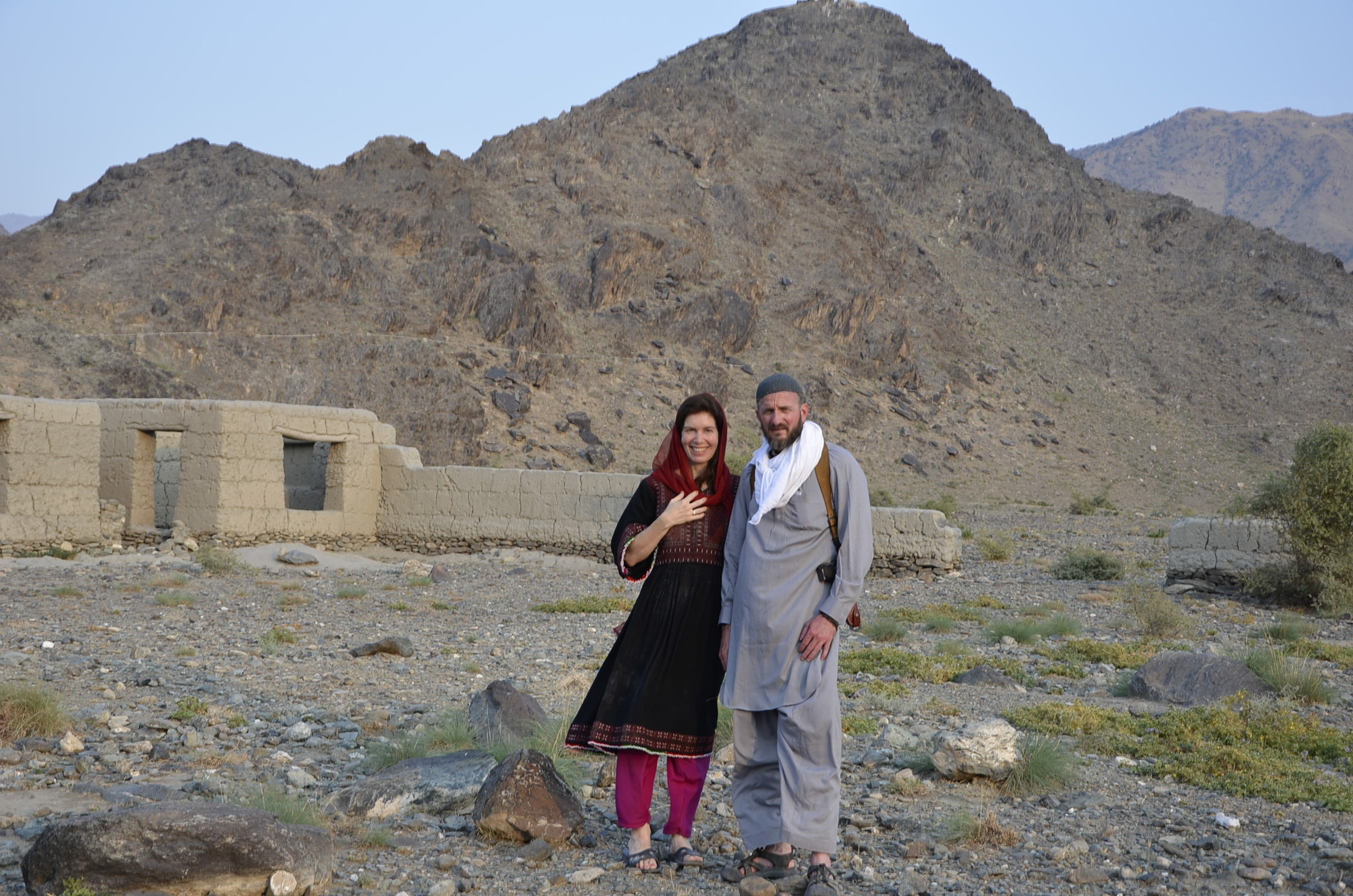
Vivid Taliban Afghan Women Background in 4K
Transform your screen with this vivid taliban afghan women artwork, a true masterpiece of digital design.
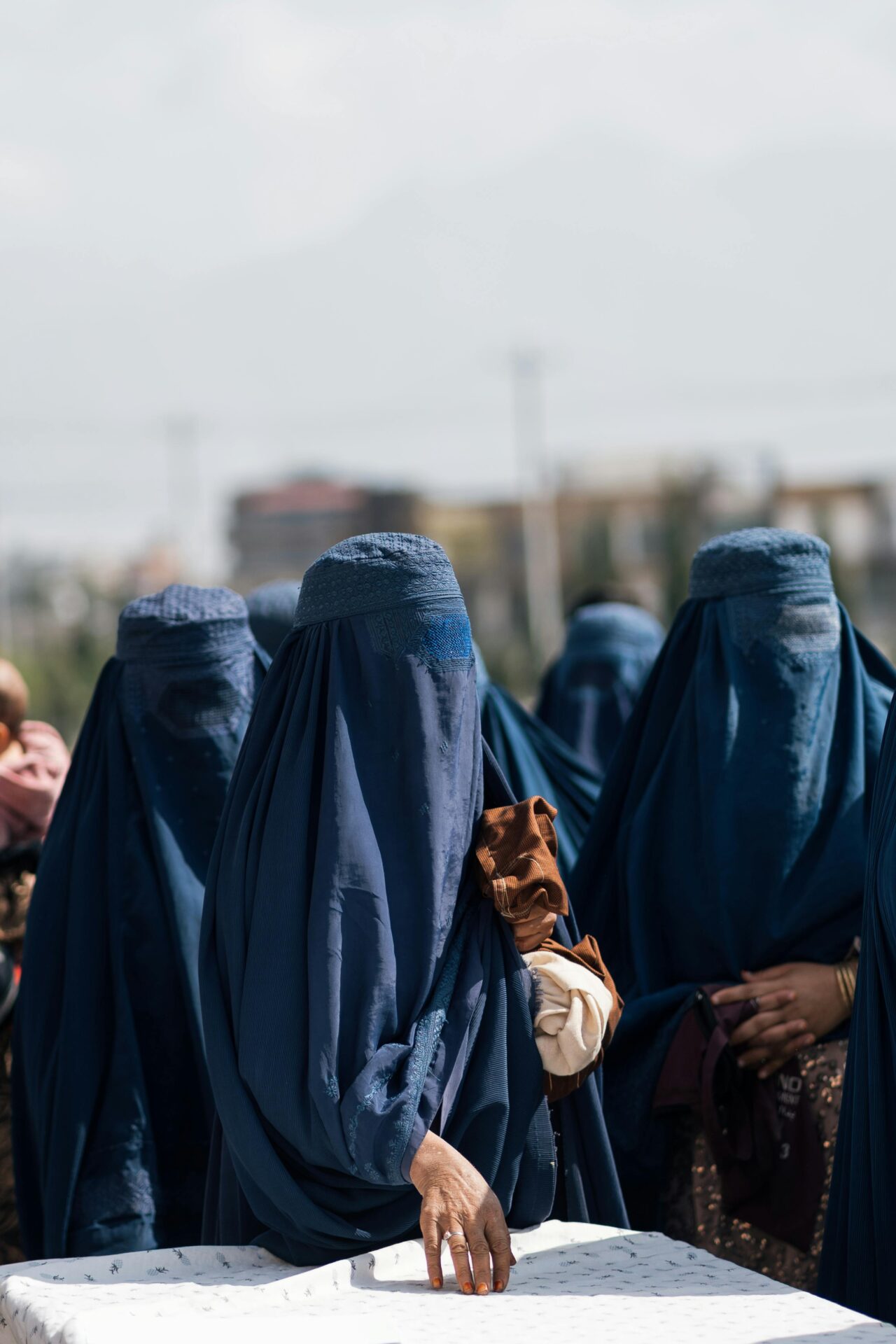
Gorgeous Taliban Afghan Women Abstract Collection
Immerse yourself in the stunning details of this beautiful taliban afghan women wallpaper, designed for a captivating visual experience.
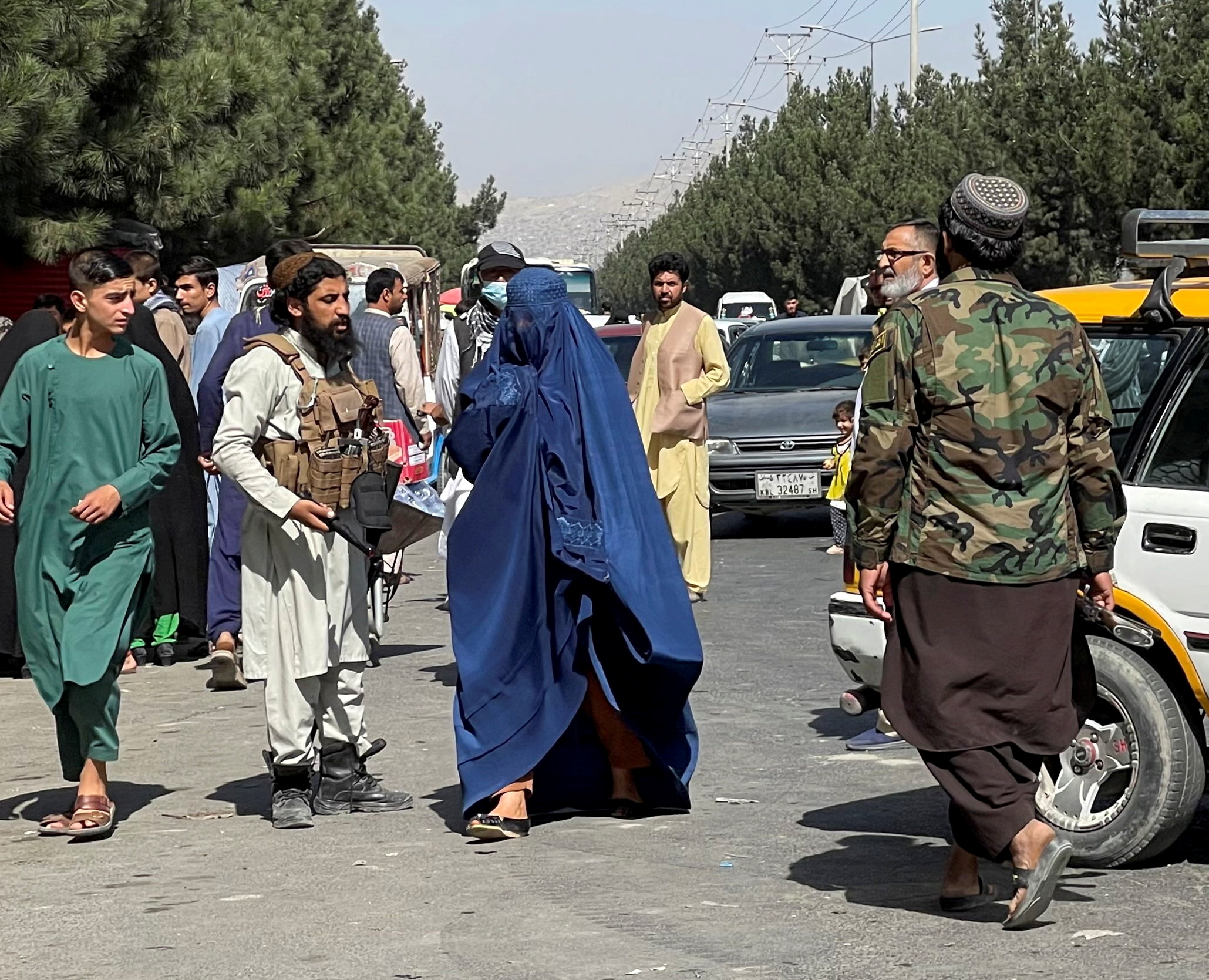
Serene Taliban Afghan Women Scene Art
Transform your screen with this vivid taliban afghan women artwork, a true masterpiece of digital design.
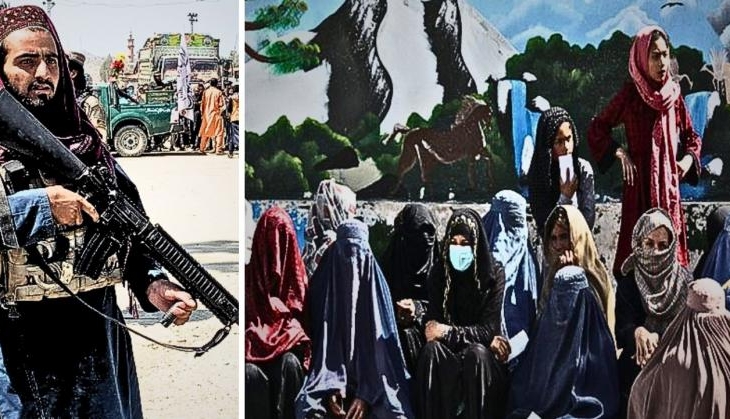
Mesmerizing Taliban Afghan Women Design for Your Screen
Experience the crisp clarity of this stunning taliban afghan women image, available in high resolution for all your screens.
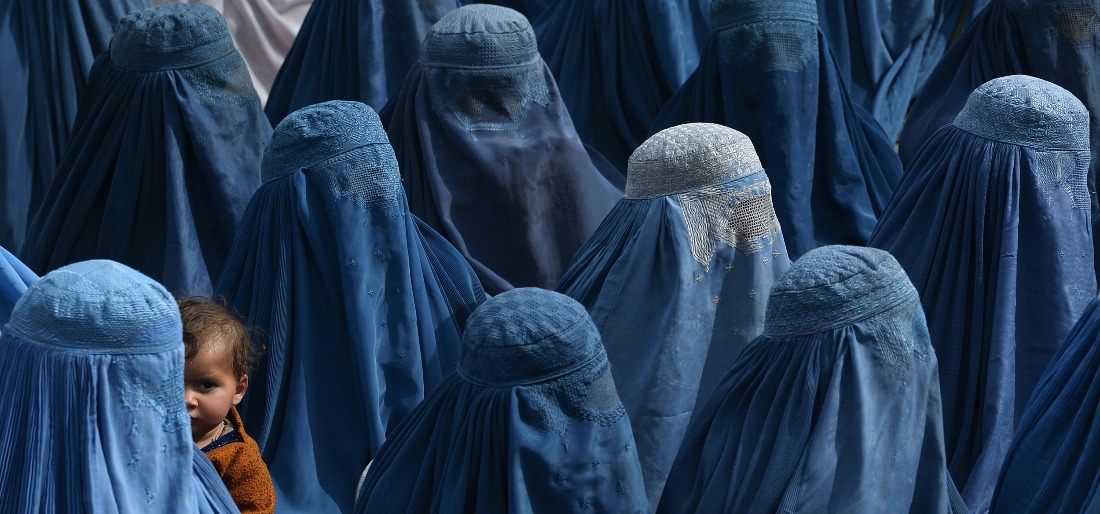
Mesmerizing Taliban Afghan Women Photo Digital Art
Transform your screen with this vivid taliban afghan women artwork, a true masterpiece of digital design.
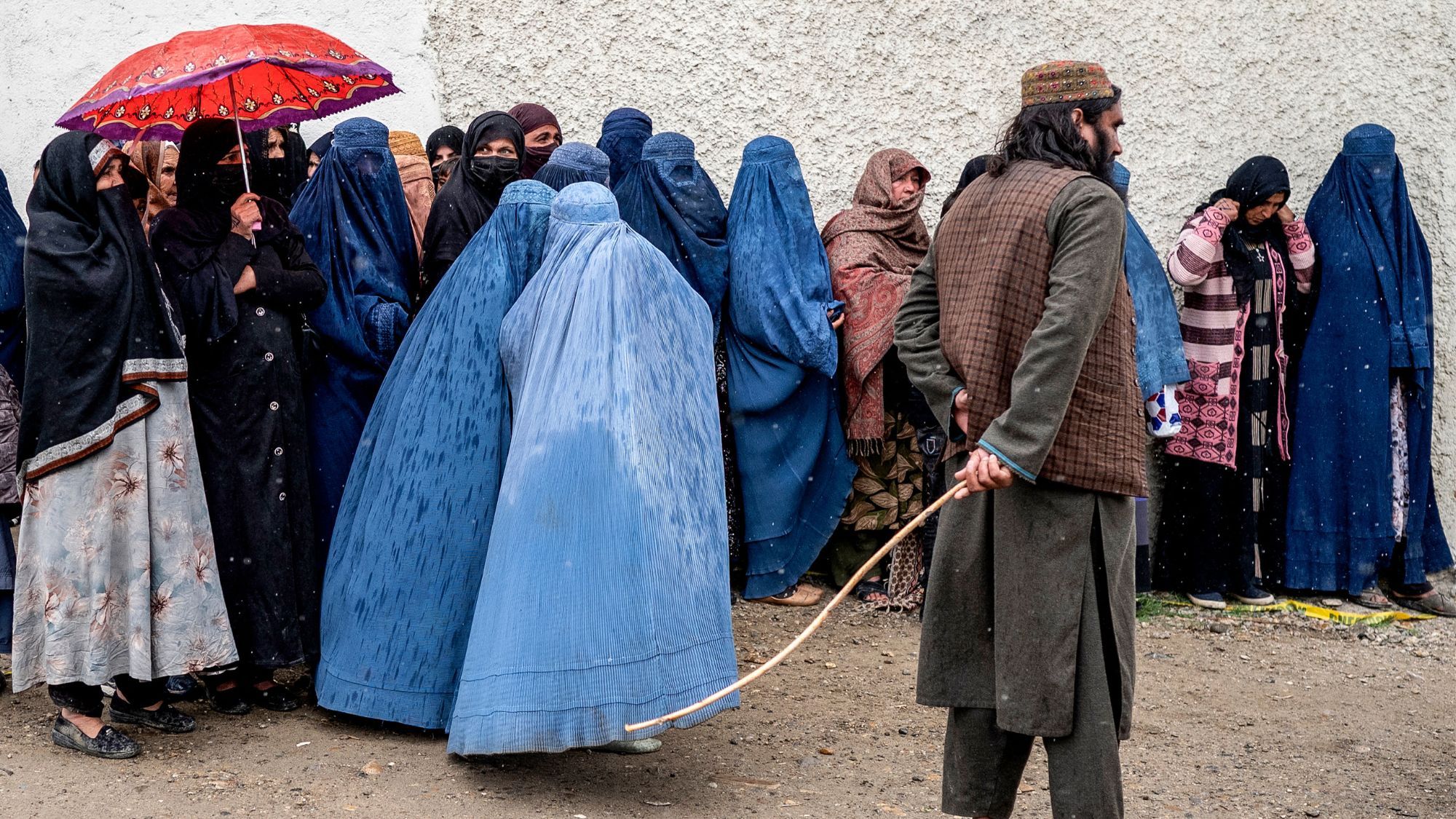
Beautiful Taliban Afghan Women Design Photography
Transform your screen with this vivid taliban afghan women artwork, a true masterpiece of digital design.
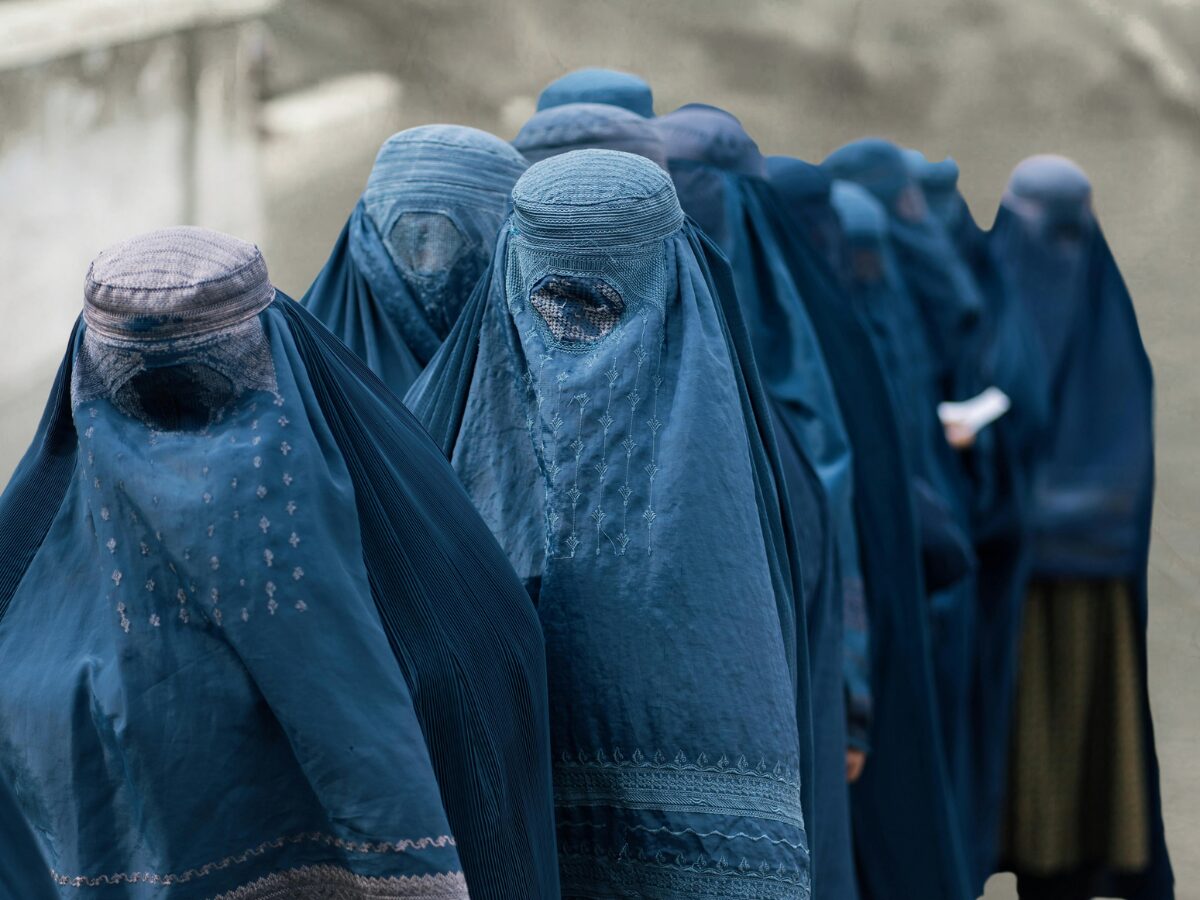
Detailed Taliban Afghan Women Moment Concept
Discover an amazing taliban afghan women background image, ideal for personalizing your devices with vibrant colors and intricate designs.
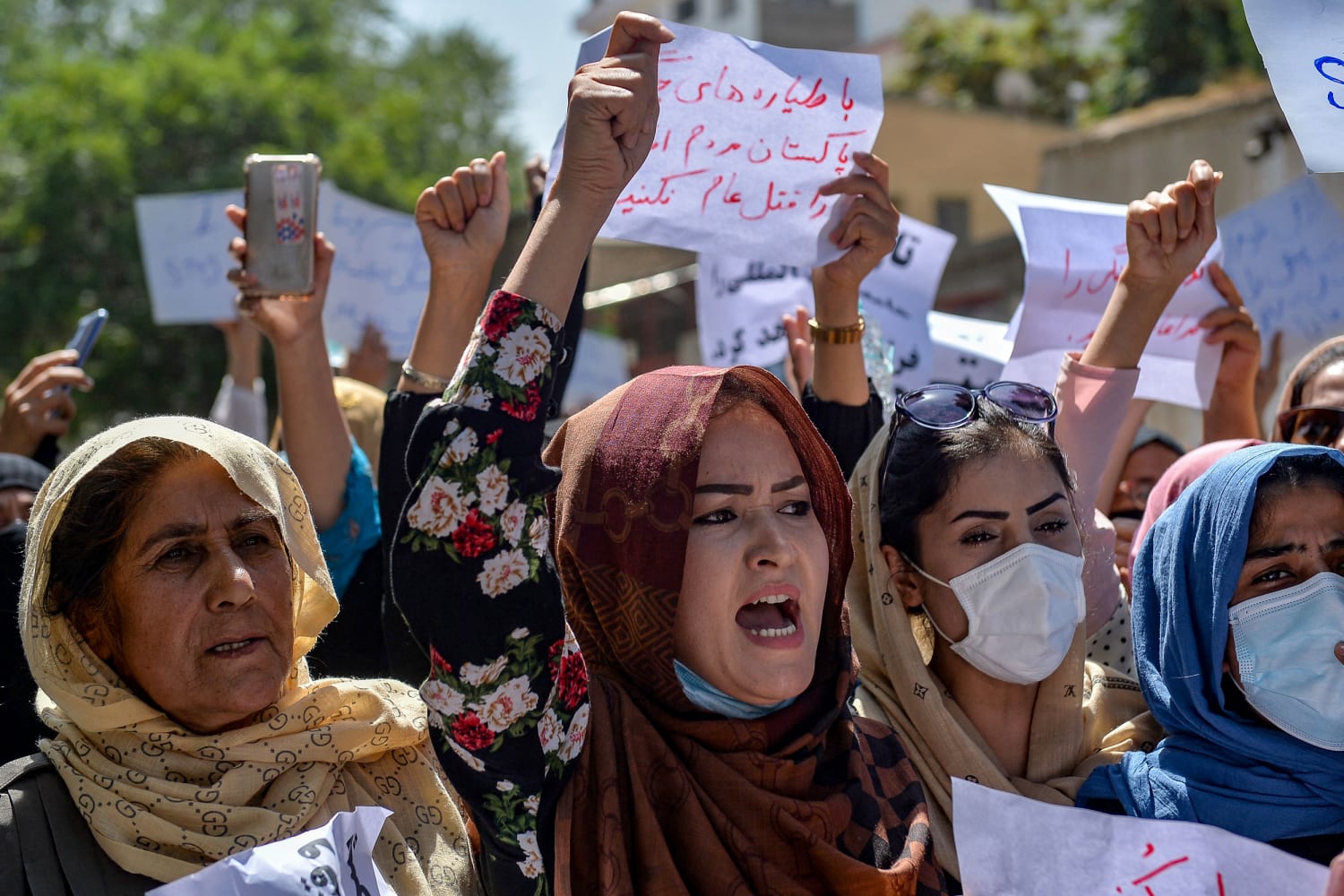
Serene Taliban Afghan Women Image Art
Discover an amazing taliban afghan women background image, ideal for personalizing your devices with vibrant colors and intricate designs.
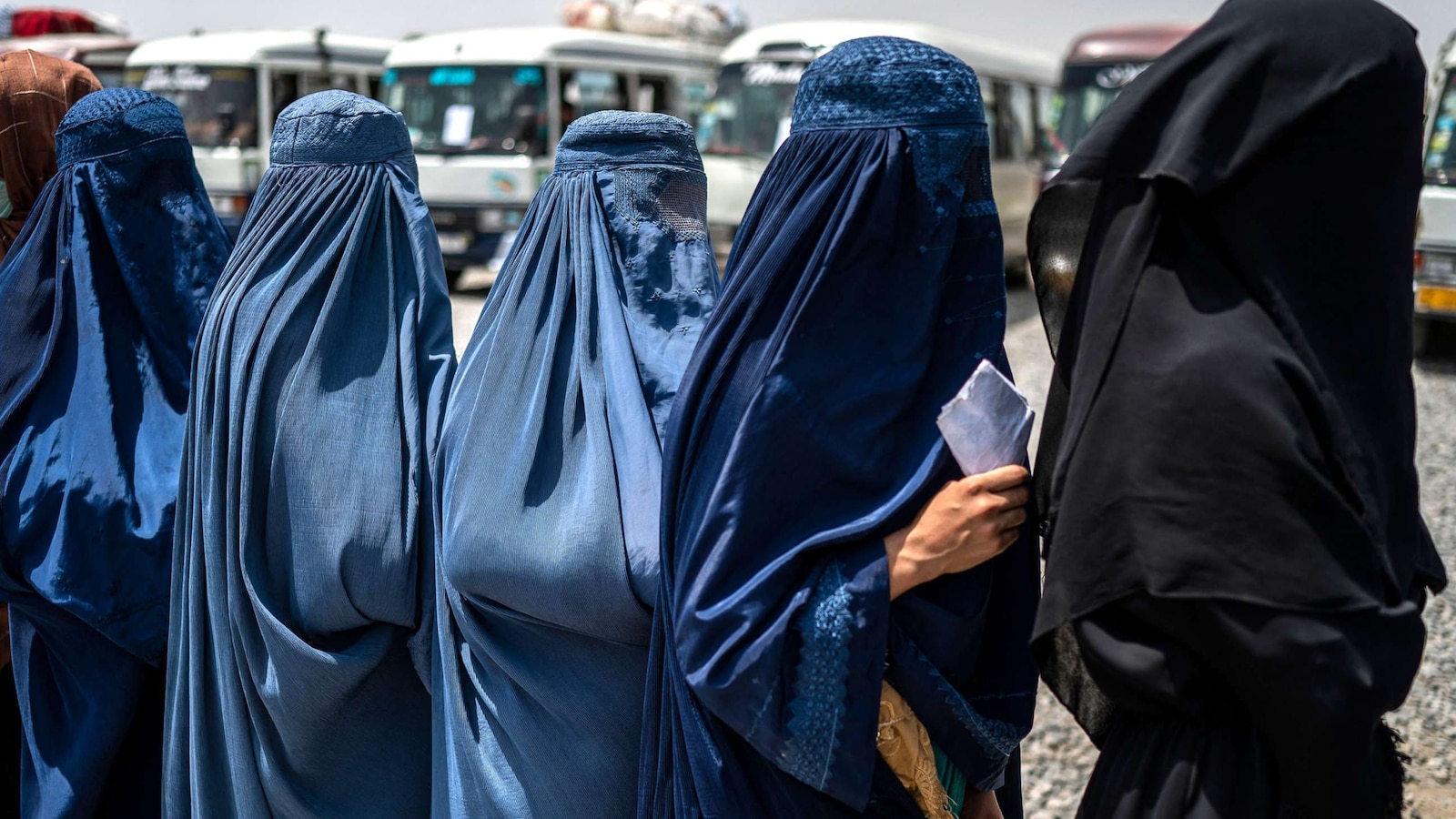
Lush Taliban Afghan Women Moment in 4K
Immerse yourself in the stunning details of this beautiful taliban afghan women wallpaper, designed for a captivating visual experience.

Spectacular Taliban Afghan Women Photo Illustration
Find inspiration with this unique taliban afghan women illustration, crafted to provide a fresh look for your background.

Vibrant Taliban Afghan Women Abstract in 4K
Discover an amazing taliban afghan women background image, ideal for personalizing your devices with vibrant colors and intricate designs.
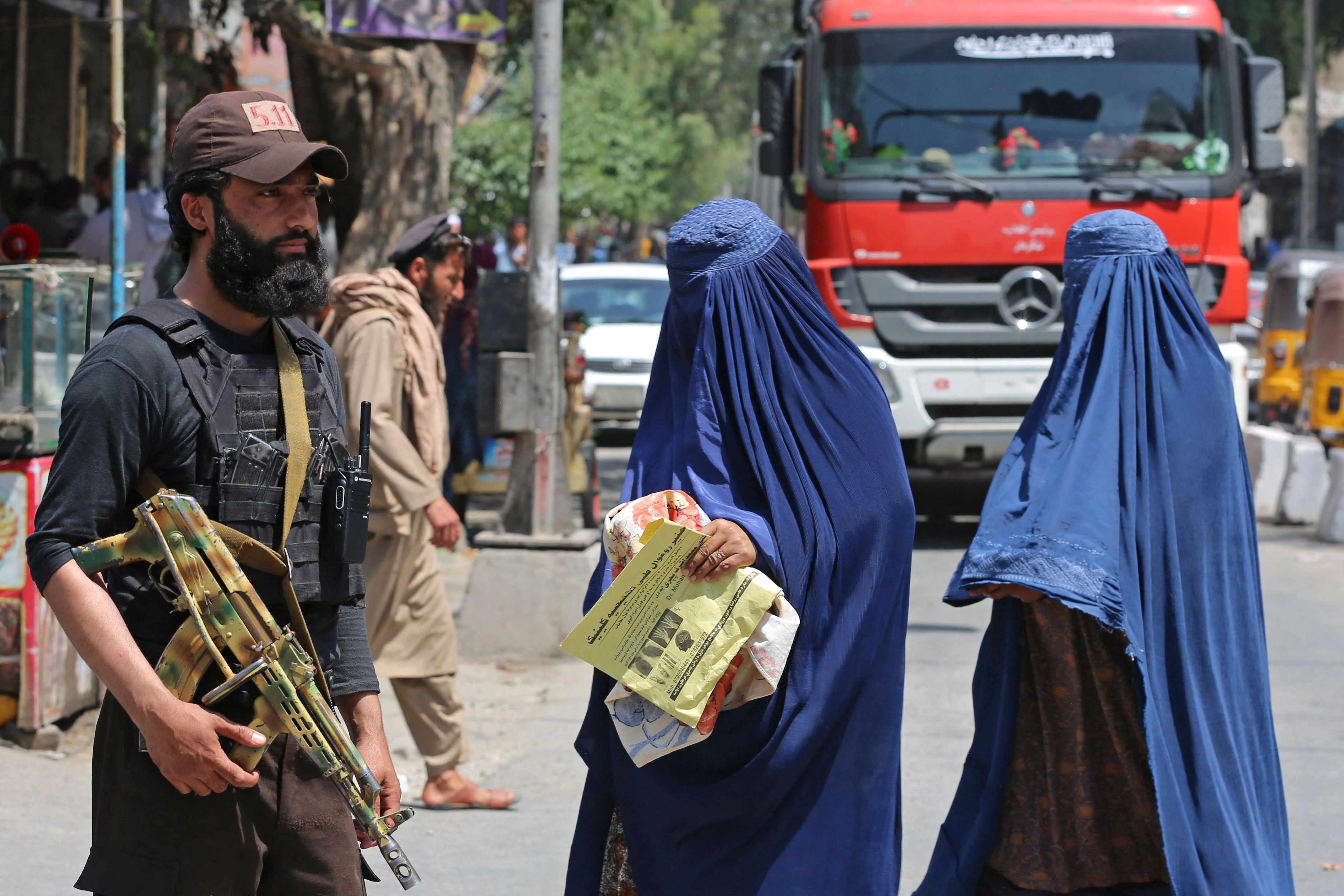
High-Quality Taliban Afghan Women Picture Illustration
Explore this high-quality taliban afghan women image, perfect for enhancing your desktop or mobile wallpaper.
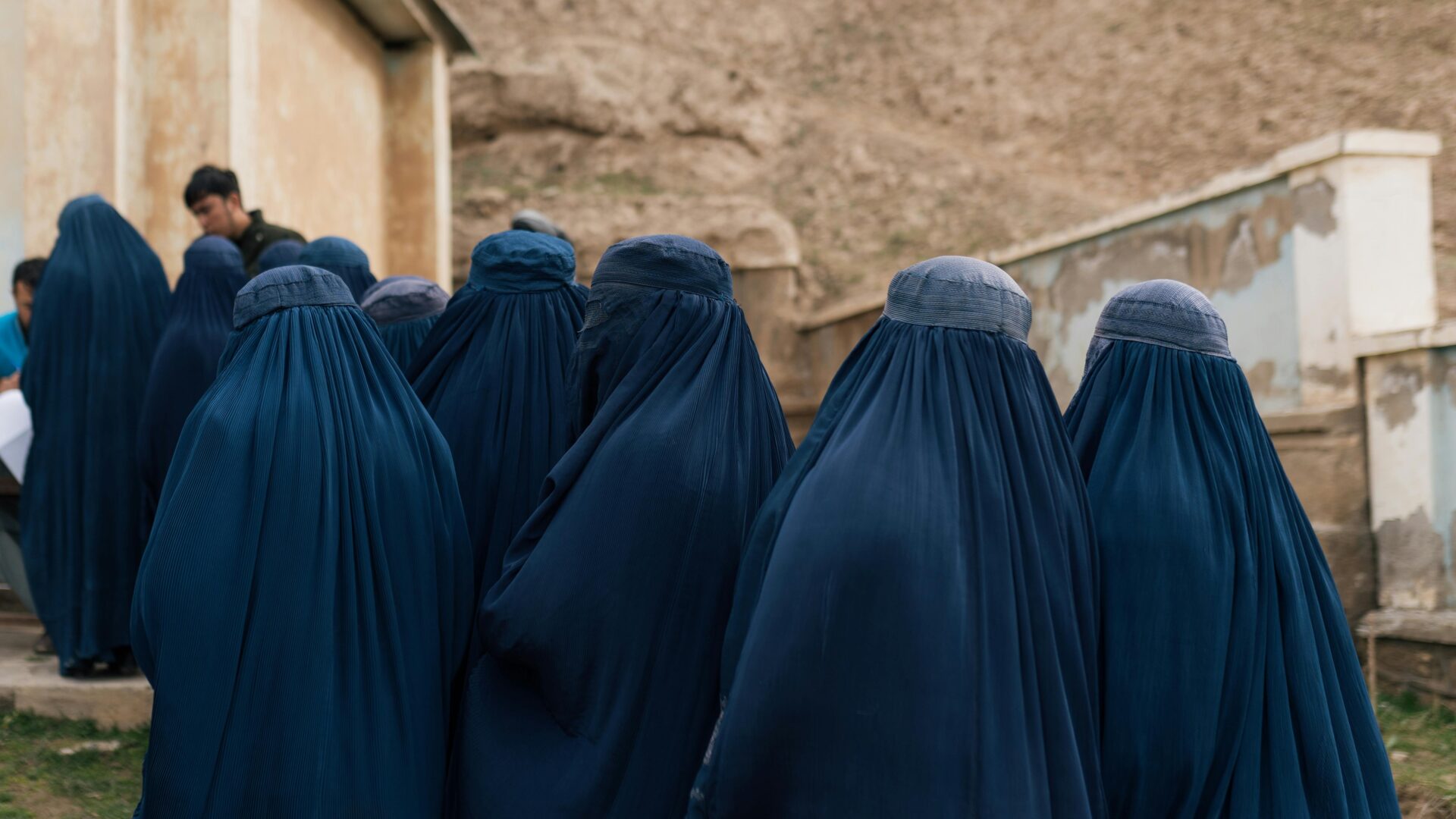
Vivid Taliban Afghan Women Abstract Collection
Discover an amazing taliban afghan women background image, ideal for personalizing your devices with vibrant colors and intricate designs.
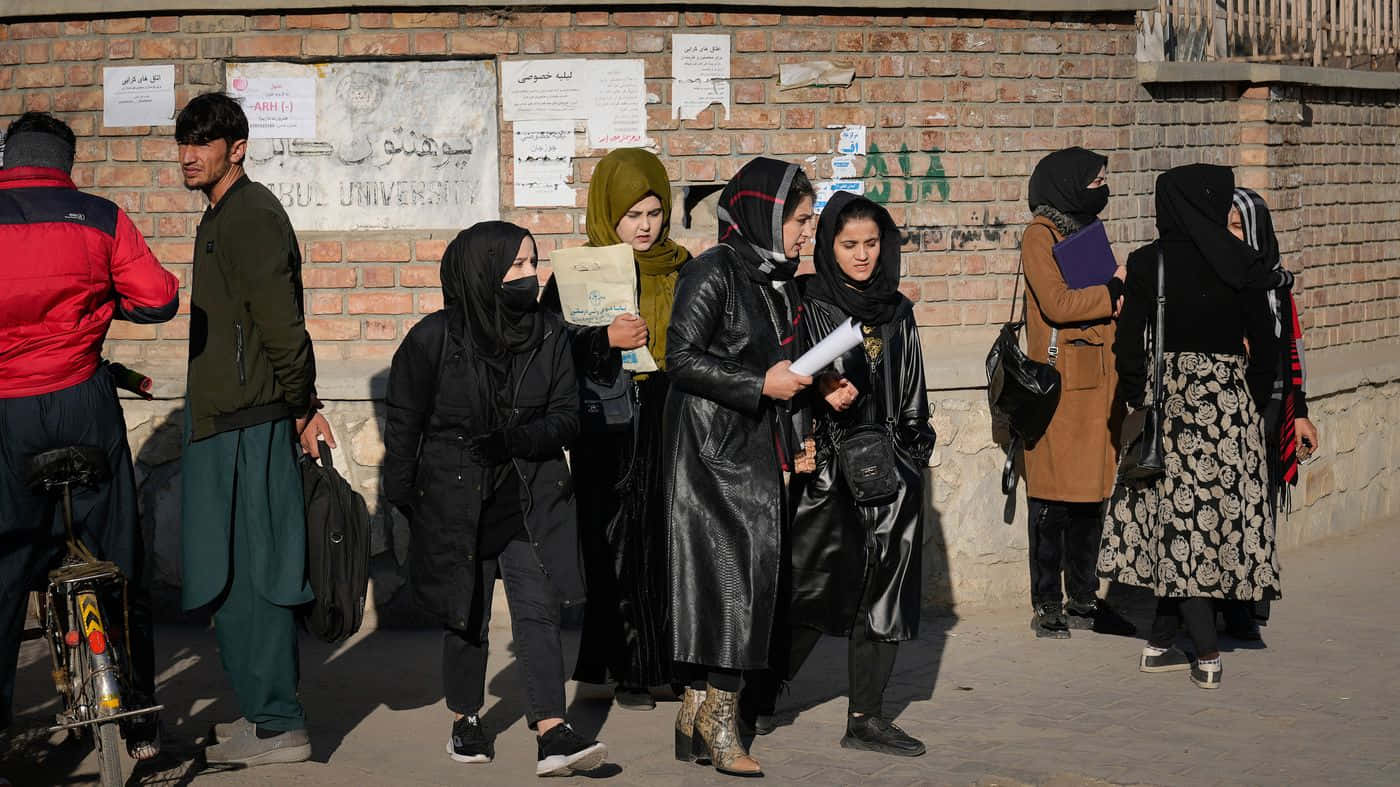
Dynamic Taliban Afghan Women Picture in HD
Find inspiration with this unique taliban afghan women illustration, crafted to provide a fresh look for your background.
Stunning Taliban Afghan Women Image Collection
A captivating taliban afghan women scene that brings tranquility and beauty to any device.

Exquisite Taliban Afghan Women Image in 4K
Find inspiration with this unique taliban afghan women illustration, crafted to provide a fresh look for your background.

Amazing Taliban Afghan Women Image for Your Screen
Discover an amazing taliban afghan women background image, ideal for personalizing your devices with vibrant colors and intricate designs.

Vivid Taliban Afghan Women Scene Collection
Discover an amazing taliban afghan women background image, ideal for personalizing your devices with vibrant colors and intricate designs.

Breathtaking Taliban Afghan Women Image Illustration
Experience the crisp clarity of this stunning taliban afghan women image, available in high resolution for all your screens.

High-Quality Taliban Afghan Women Background Illustration
Transform your screen with this vivid taliban afghan women artwork, a true masterpiece of digital design.
Download these taliban afghan women wallpapers for free and use them on your desktop or mobile devices.