What Is Hedging In Financial Management
What Is Hedging In Financial Management? The Ultimate Guide to Protecting Your Assets
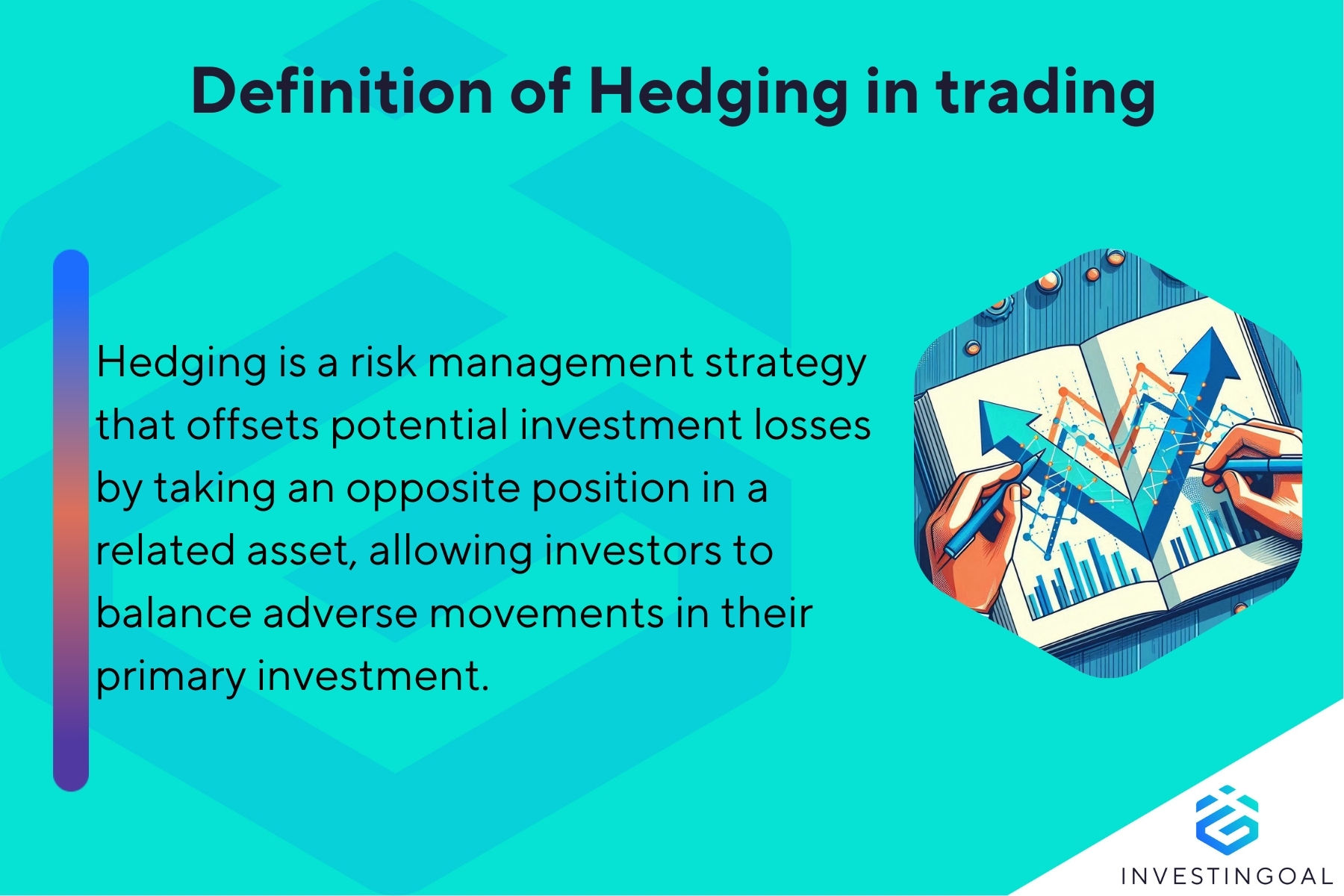
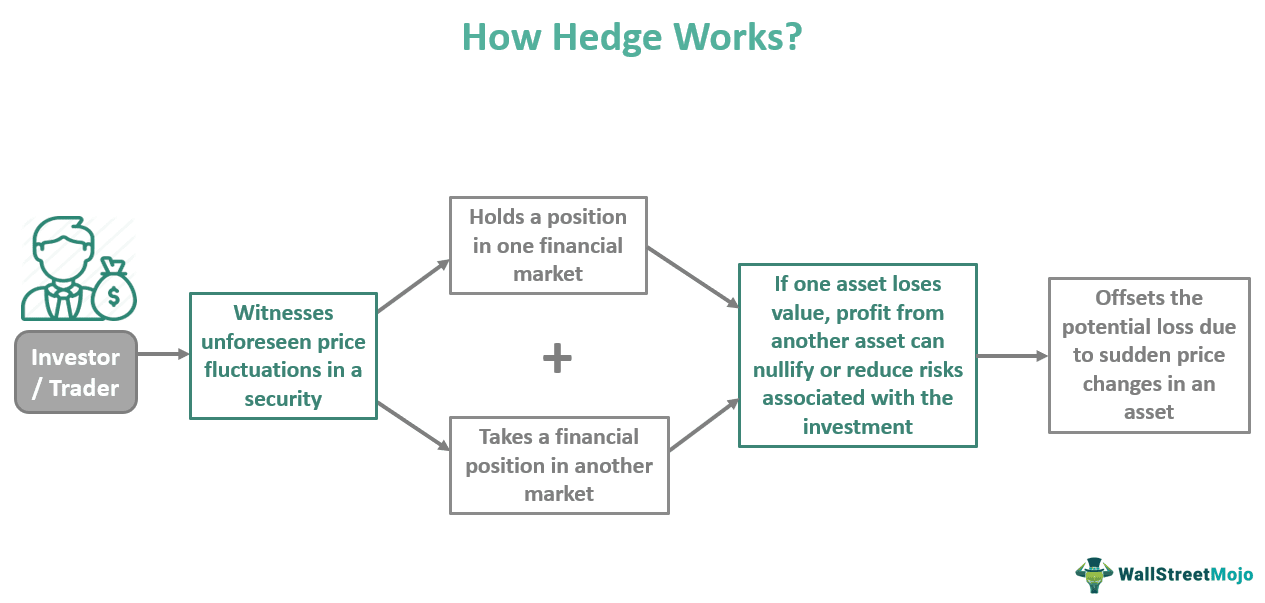
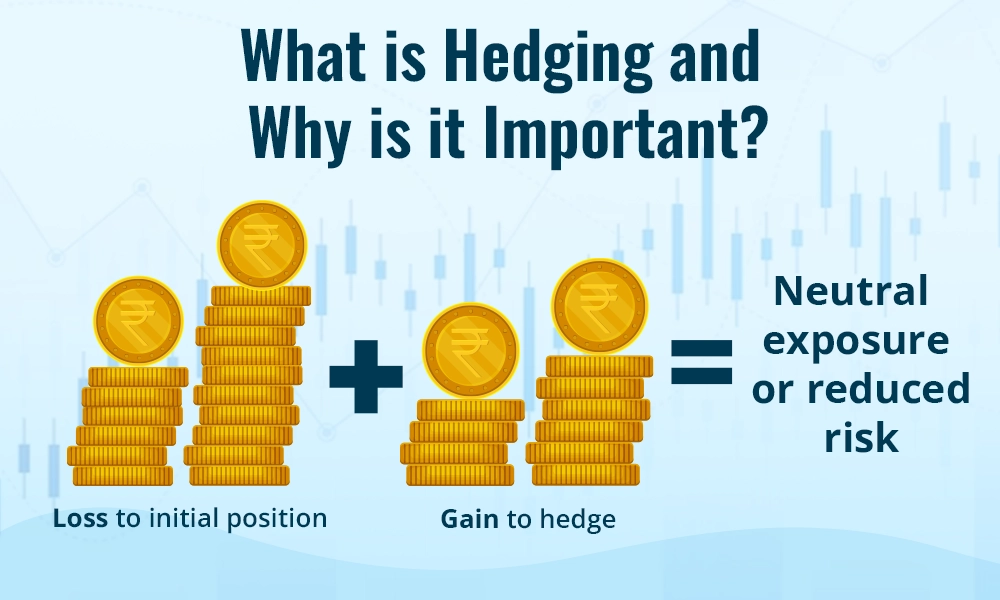
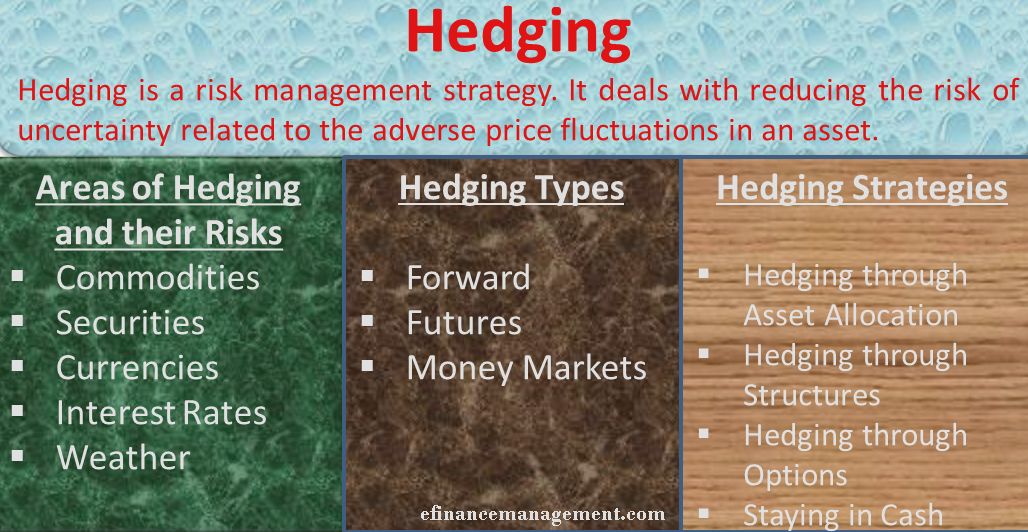
In the volatile world of global finance, uncertainty is the only constant. Whether you are an individual investor watching your portfolio or a corporate treasurer managing a multi-billion dollar budget, the risk of price fluctuations is a persistent threat. This is where the concept of hedging in financial management becomes indispensable. At its core, hedging is a risk management strategy employed to offset potential losses in an investment by taking an opposite position in a related asset. Think of it as an insurance policy for your investments—you hope you never have to "use" it to recover a loss, but you are glad it is there when the market takes an unexpected turn.
Understanding the Core Concept of Hedging
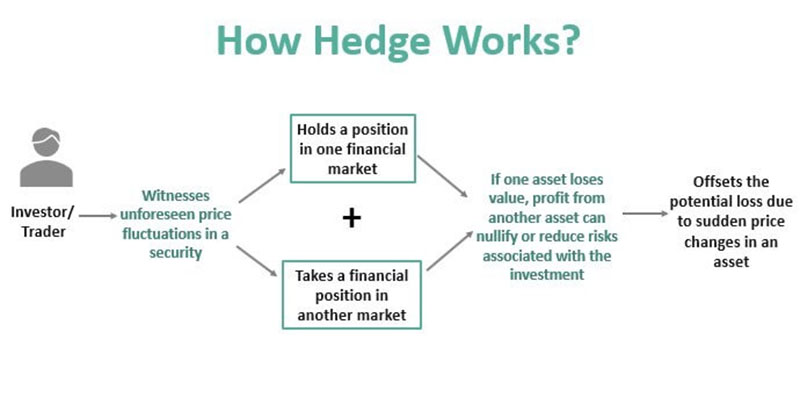
To understand what hedging is in financial management, one must first understand the nature of financial risk. Risk is the probability that the actual return on an investment will be different from the expected return. Hedging does not necessarily eliminate risk—nor does it guarantee a profit. Instead, its primary objective is to limit the impact of adverse price movements. By using various financial instruments, an entity can lock in prices or create a "buffer" that neutralizes the volatility of an underlying asset.
For example, consider an airline company. Their biggest variable expense is jet fuel. If the price of oil spikes, their profits could evaporate. To protect themselves, the airline might enter into a "hedge" by buying oil futures. If oil prices go up, the profit they make on the futures contract offsets the increased cost of buying actual fuel. If oil prices go down, they lose money on the hedge but benefit from cheaper fuel at the pump. In both scenarios, the company has achieved financial predictability.
Key Strategies and Instruments Used in Hedging
In financial management, hedging is typically executed through derivatives—financial contracts whose value is derived from an underlying asset, such as a stock, bond, commodity, or currency. Below are the most common instruments used by financial managers:
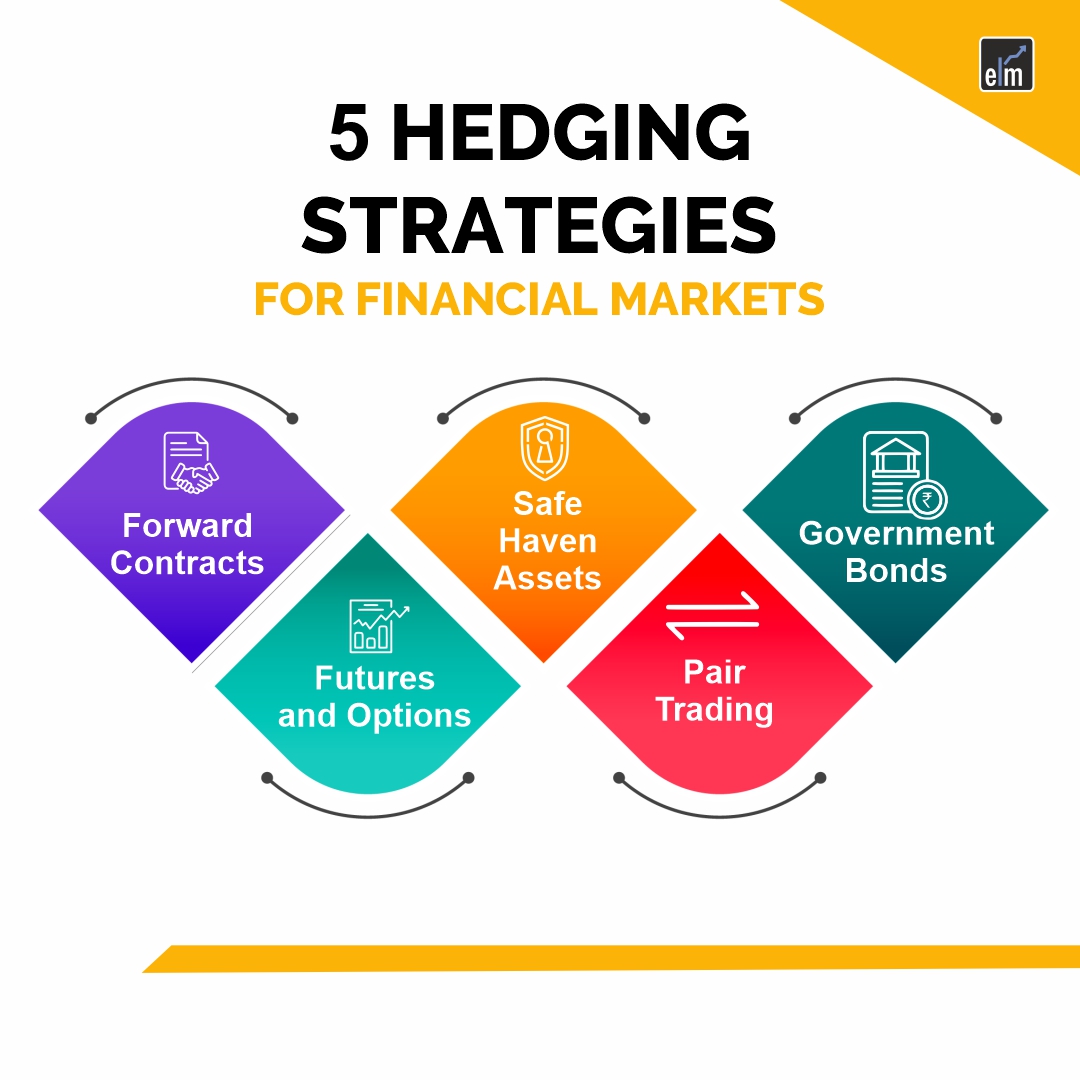
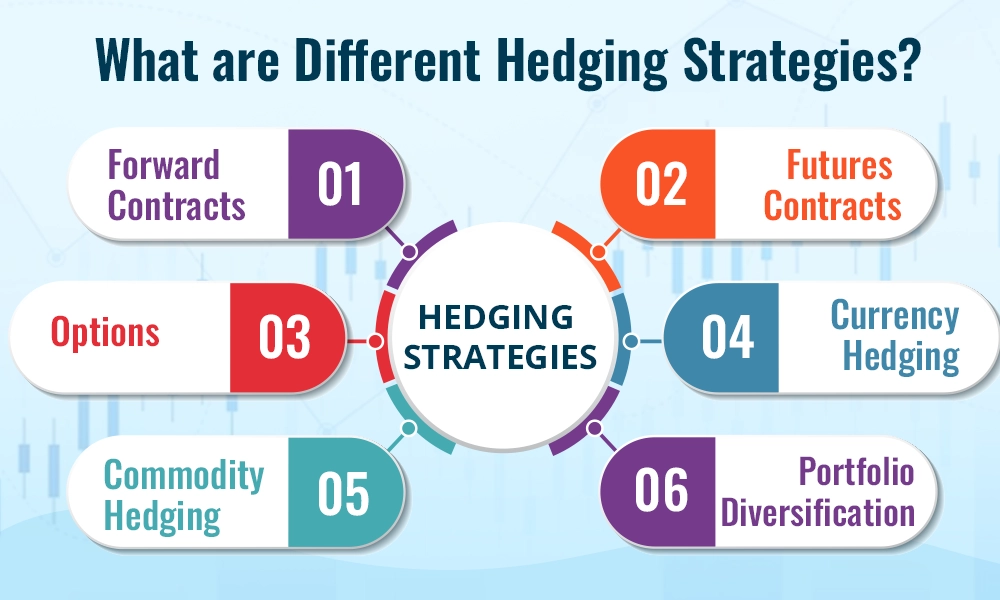
1. Forward Contracts
A forward contract is a customized agreement between two parties to buy or sell an asset at a specified price on a future date. These are primarily used in the foreign exchange (Forex) market to hedge against currency fluctuations. Because they are private agreements, they offer high flexibility but carry a higher counterparty risk.
2. Futures Contracts
Similar to forwards, futures contracts involve an agreement to buy or sell an asset at a future date for a set price. However, futures are standardized and traded on public exchanges. This makes them highly liquid and safer, as the exchange acts as a guarantor for the transaction.
3. Options
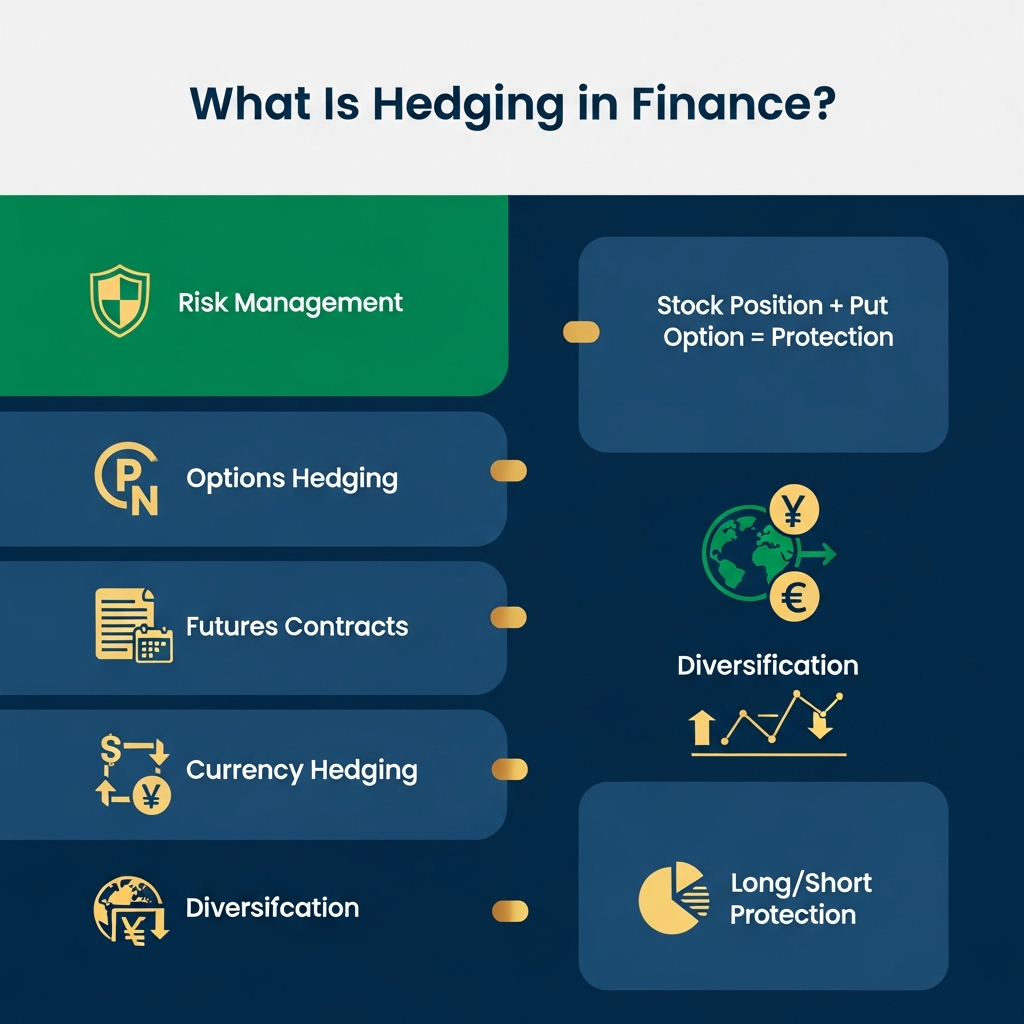
Options provide the buyer the right, but not the obligation, to buy (Call Option) or sell (Put Option) an asset at a specific price within a certain timeframe. Hedgers often use put options to protect a stock portfolio. If the market crashes, the put option increases in value, offsetting the loss in the stock's value.
4. Swaps
Swaps are contracts where two parties exchange cash flows or liabilities from two different financial instruments. The most common type is an interest rate swap, where a company with a variable-interest loan swaps its payments with another party for a fixed-interest rate to avoid the risk of rising rates.
Comparison of Common Hedging Instruments
| Hedging Instrument | Key Features and Description |
|---|---|
| Forward Contracts | Private, customizable agreements; common in currency hedging; non-standardized. |
| Futures Contracts | Exchange-traded, standardized contracts; high liquidity and regulated by clearinghouses. |
| Options | Provides the right but not the obligation to trade; requires payment of a premium. |
| Swaps | Exchange of cash flows (e.g., fixed vs. floating interest rates); used for long-term risk management. |
| Diversification | Spreading investments across different asset classes to reduce unsystematic risk. |
The Benefits of Hedging in Corporate Finance
While hedging incurs costs (such as transaction fees or option premiums), the benefits often outweigh the expenses for large-scale operations. Here is why financial managers prioritize hedging:
- Reduced Volatility: Hedging smoothes out the fluctuations in earnings, making the company's financial health more predictable for shareholders and lenders.
- Better Budgeting and Planning: When costs (like raw materials) are locked in through hedging, management can plan long-term capital expenditures with greater confidence.
- Protection Against Market Crashes: During economic downturns, hedged portfolios suffer significantly less damage than unhedged ones.
- Enhanced Creditworthiness: Companies that effectively manage risk through hedging are often viewed as more stable by credit rating agencies, potentially leading to lower borrowing costs.
Hedging vs. Speculation: What’s the Difference?
It is crucial to distinguish between hedging and speculation, as they often use the same financial instruments but with opposite goals. A hedger is someone who already has exposure to a risk and wants to get rid of it. For instance, a farmer growing wheat is "naturally long" on wheat; they hedge by selling wheat futures to lock in a price.
In contrast, a speculator is someone who takes on risk in the hopes of making a profit from price movements. The speculator has no underlying interest in the asset itself. While speculators are often viewed negatively, they provide essential liquidity to the market, allowing hedgers to find a counterparty for their trades.
The Potential Drawbacks and Risks of Hedging
No financial strategy is without its downsides. Hedging is not a "magic bullet" and comes with its own set of challenges:
- Cost: Hedging isn't free. Whether it's the premium paid for an option or the commission for a broker, these costs can eat into overall returns.
- Complexity: Advanced hedging strategies require a high level of financial expertise. Incorrectly executed hedges can actually increase risk.
- Upside Limitation: If you hedge against a price drop and the price actually goes up, your hedge may prevent you from profiting from that upward movement.
- Basis Risk: This occurs when the price movement of the hedging instrument does not perfectly correlate with the price movement of the asset being hedged.
Frequently Asked Questions (FAQ)
1. Is hedging the same as gambling?
No. In fact, it is the opposite. Gambling involves taking on unnecessary risk for the chance of a reward. Hedging involves taking a position to reduce or eliminate an existing risk that you are already exposed to in your business or investment portfolio.
2. Can small investors use hedging strategies?
Yes. While complex swaps are usually reserved for institutional players, small investors can use diversification (the simplest form of hedging) or buy put options to protect their stock holdings against a market decline.
3. Does hedging guarantee that I won't lose money?
Not necessarily. Hedging is designed to mitigate losses, not eliminate them entirely. Factors like the cost of the hedge, basis risk, and market timing can still result in a net loss, though usually a much smaller one than if you hadn't hedged at all.
Conclusion
In summary, hedging in financial management is a sophisticated tool designed to bring stability to an inherently unstable market. By utilizing derivatives like forwards, futures, and options, businesses and investors can protect themselves from the "worst-case scenarios" of price volatility, currency fluctuations, and interest rate hikes. While it requires a deep understanding of financial markets and carries its own set of costs, the peace of mind and financial predictability it provides are invaluable. For any serious financial manager, hedging is not just an option—it is a fundamental pillar of a robust and resilient financial strategy. Whether you are navigating a global corporation or managing personal savings, understanding how to hedge is your first line of defense against economic uncertainty.
What Is Hedging In Financial Management
What Is Hedging In Financial Management Wallpapers
Collection of what is hedging in financial management wallpapers for your desktop and mobile devices.
Beautiful What Is Hedging In Financial Management Capture Digital Art
Discover an amazing what is hedging in financial management background image, ideal for personalizing your devices with vibrant colors and intricate designs.
Spectacular What Is Hedging In Financial Management Scene for Desktop
A captivating what is hedging in financial management scene that brings tranquility and beauty to any device.
Beautiful What Is Hedging In Financial Management Photo Collection
Experience the crisp clarity of this stunning what is hedging in financial management image, available in high resolution for all your screens.

Serene What Is Hedging In Financial Management Design Nature
Experience the crisp clarity of this stunning what is hedging in financial management image, available in high resolution for all your screens.
Artistic What Is Hedging In Financial Management Landscape in 4K
Find inspiration with this unique what is hedging in financial management illustration, crafted to provide a fresh look for your background.

Mesmerizing What Is Hedging In Financial Management Abstract Art
Discover an amazing what is hedging in financial management background image, ideal for personalizing your devices with vibrant colors and intricate designs.

Lush What Is Hedging In Financial Management Landscape Collection
Immerse yourself in the stunning details of this beautiful what is hedging in financial management wallpaper, designed for a captivating visual experience.
Spectacular What Is Hedging In Financial Management Picture in HD
A captivating what is hedging in financial management scene that brings tranquility and beauty to any device.
Detailed What Is Hedging In Financial Management Photo Digital Art
Transform your screen with this vivid what is hedging in financial management artwork, a true masterpiece of digital design.

High-Quality What Is Hedging In Financial Management Picture Digital Art
Experience the crisp clarity of this stunning what is hedging in financial management image, available in high resolution for all your screens.
Vivid What Is Hedging In Financial Management Artwork Illustration
Experience the crisp clarity of this stunning what is hedging in financial management image, available in high resolution for all your screens.
Vibrant What Is Hedging In Financial Management View Illustration
Transform your screen with this vivid what is hedging in financial management artwork, a true masterpiece of digital design.
Captivating What Is Hedging In Financial Management View in HD
Find inspiration with this unique what is hedging in financial management illustration, crafted to provide a fresh look for your background.

Vibrant What Is Hedging In Financial Management Design Concept
Explore this high-quality what is hedging in financial management image, perfect for enhancing your desktop or mobile wallpaper.

Stunning What Is Hedging In Financial Management Image for Mobile
Find inspiration with this unique what is hedging in financial management illustration, crafted to provide a fresh look for your background.

Vibrant What Is Hedging In Financial Management Image Illustration
Explore this high-quality what is hedging in financial management image, perfect for enhancing your desktop or mobile wallpaper.

Lush What Is Hedging In Financial Management Picture Nature
Find inspiration with this unique what is hedging in financial management illustration, crafted to provide a fresh look for your background.

Mesmerizing What Is Hedging In Financial Management View in HD
Experience the crisp clarity of this stunning what is hedging in financial management image, available in high resolution for all your screens.
Captivating What Is Hedging In Financial Management Moment in 4K
Find inspiration with this unique what is hedging in financial management illustration, crafted to provide a fresh look for your background.

Gorgeous What Is Hedging In Financial Management Artwork Photography
This gorgeous what is hedging in financial management photo offers a breathtaking view, making it a perfect choice for your next wallpaper.
Download these what is hedging in financial management wallpapers for free and use them on your desktop or mobile devices.