Voyager 1 left on a five-year mission in 1977 - it_s now one light-day from Earth
Voyager 1 Reaches One Light-Day From Earth: The Epic Journey of the 1977 Five-Year Mission
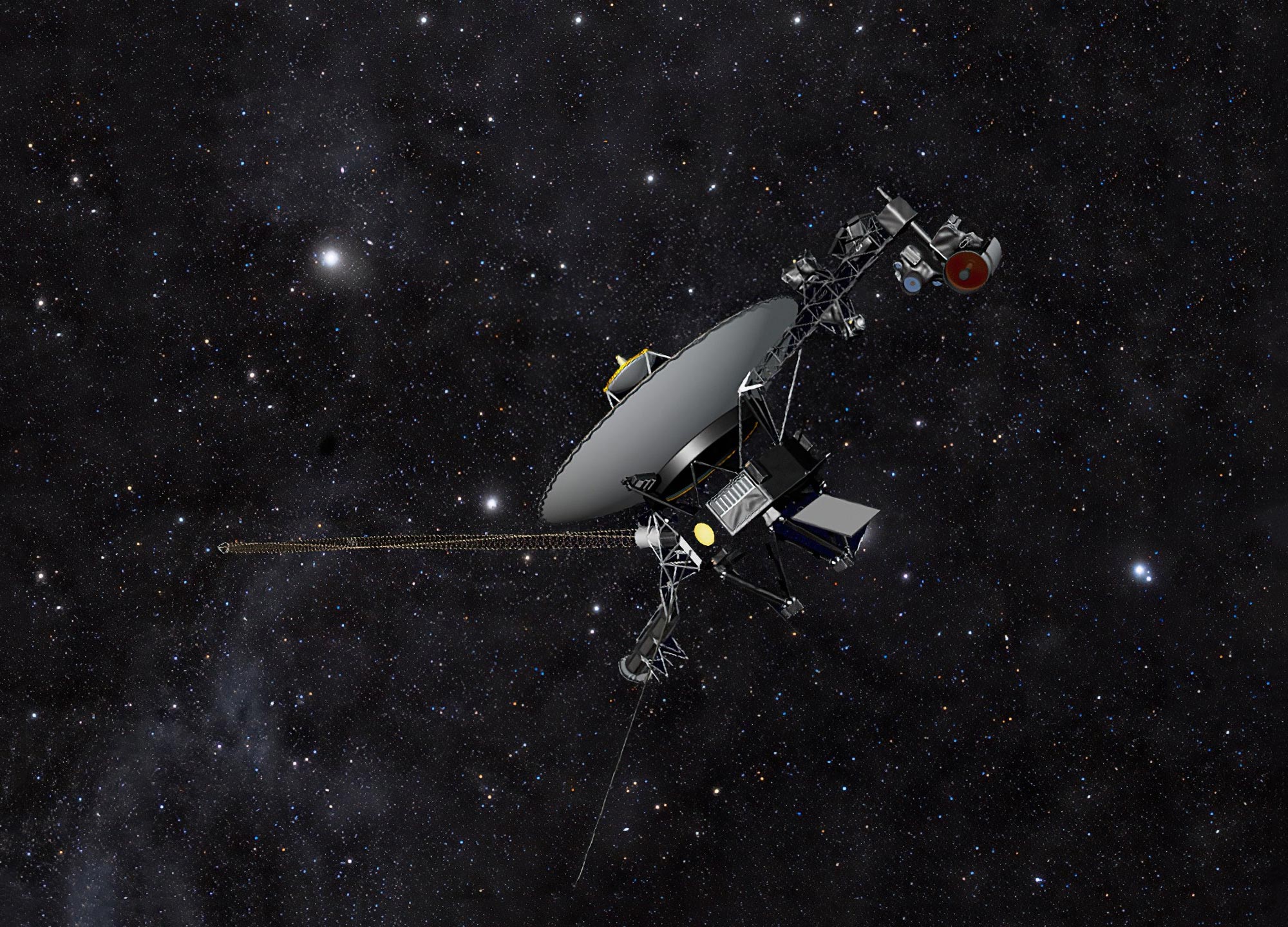
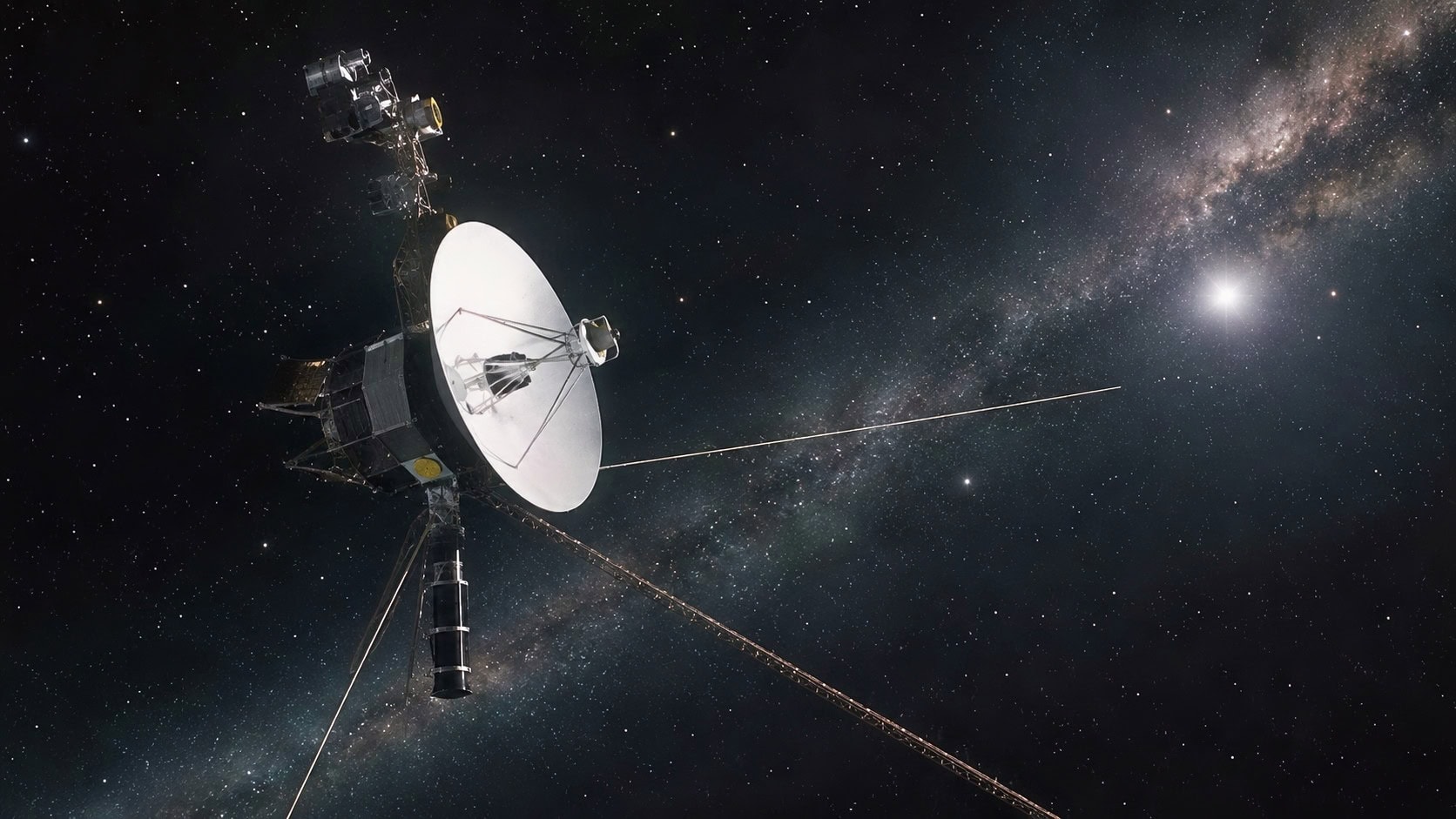
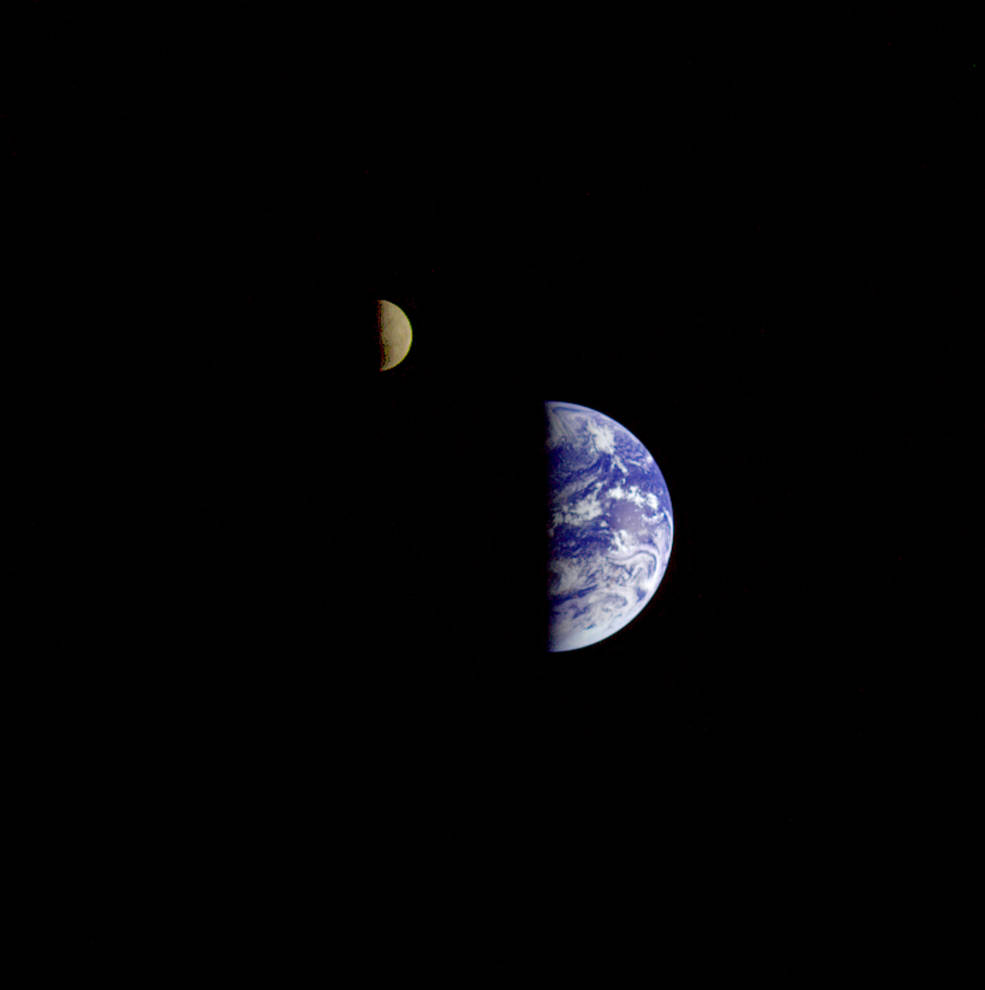
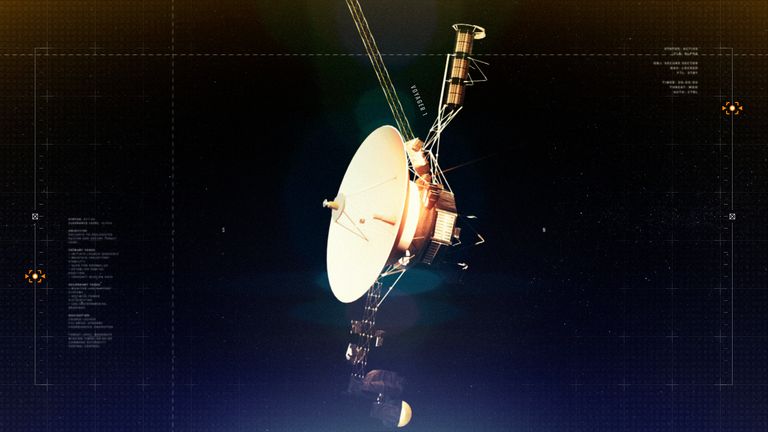
In the vast, silent expanse of the cosmos, a small, ton-and-a-half messenger from Earth is making history. Launched in 1977 with an original mandate to explore the outer planets for just five years, NASA’s Voyager 1 has far exceeded its life expectancy. Today, it stands as the most distant human-made object in existence, reaching a staggering milestone: it is now approximately one light-day away from its home planet. This means that even at the speed of light—300,000 kilometers per second—a command sent from Earth takes a full 24 hours to reach the spacecraft, and its response takes another 24 hours to return.
The journey of Voyager 1 is more than just a feat of engineering; it is a testament to human curiosity and the endurance of technology built nearly half a century ago. As it drifts further into the interstellar medium—the space between the stars—Voyager 1 continues to provide invaluable data about the environment outside our solar system's protective bubble. This article delves into the history, the technical triumphs, and the incredible future of a mission that was never supposed to last this long.
The Legacy of 1977: From a Five-Year Plan to Eternal Exploration
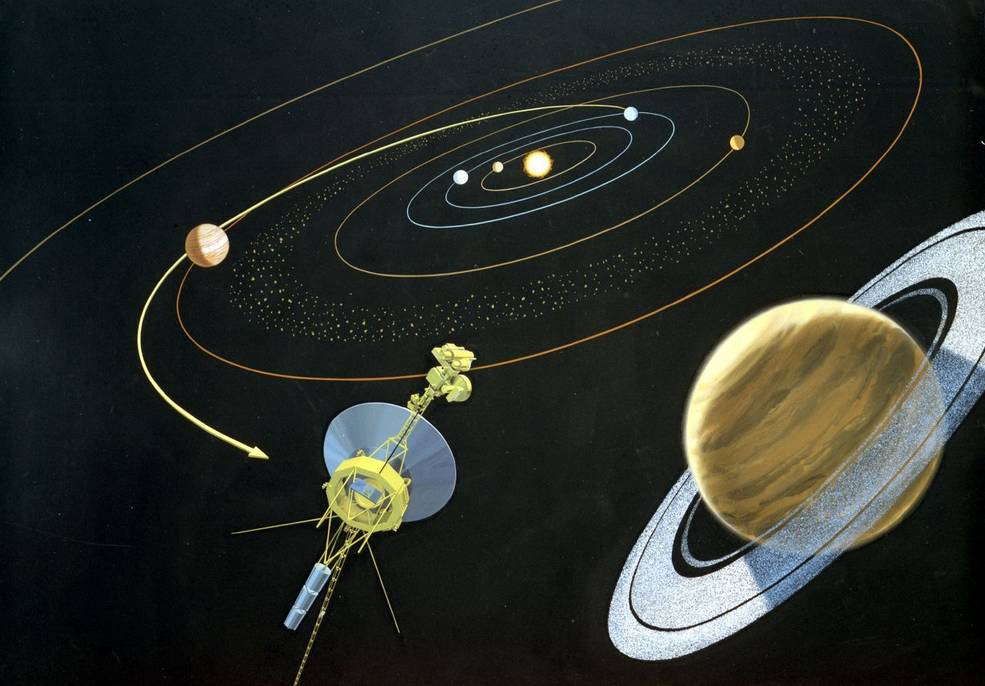
When Voyager 1 lifted off from Cape Canaveral on September 5, 1977, the world was a very different place. The digital revolution was in its infancy, and the computing power aboard the spacecraft was less than what is found in a modern car key fob. Despite these limitations, the mission was designed with a "Grand Tour" in mind—a rare alignment of the outer planets that happens only once every 175 years.
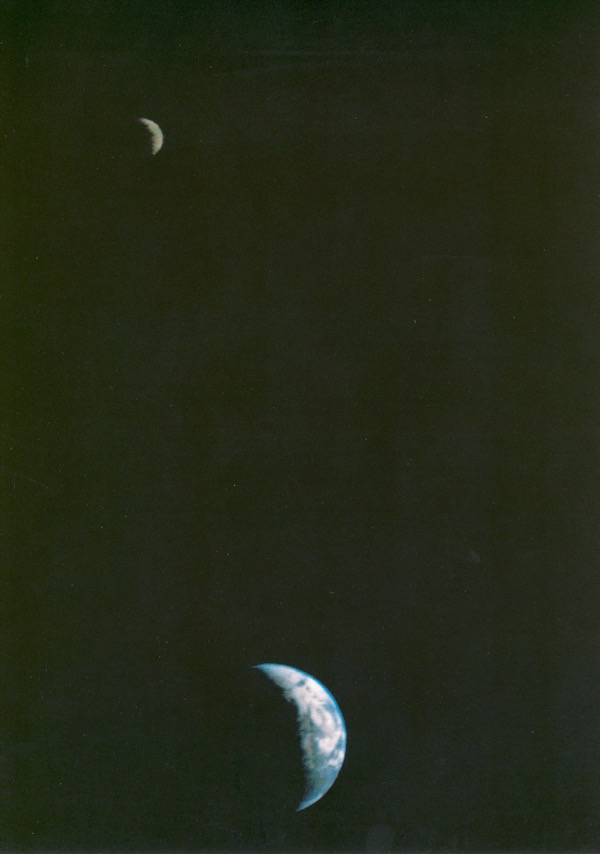
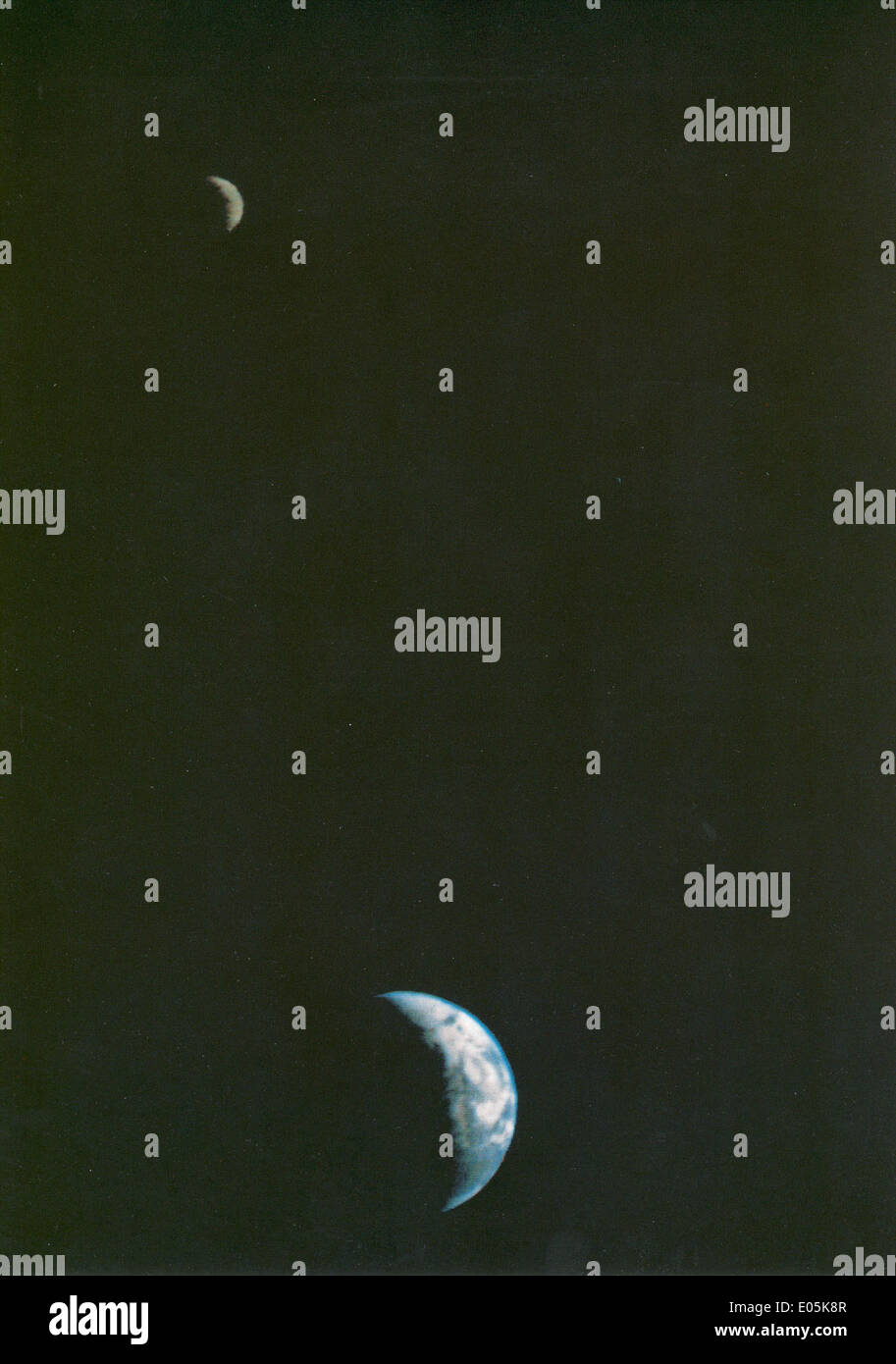
The primary objectives were clear: conduct close-up studies of Jupiter and Saturn, their moons, and Saturn's iconic rings. By 1980, Voyager 1 had completed these goals, capturing breathtaking images of Jupiter's Great Red Spot and the complex structures of Saturn's rings. However, instead of shutting down, the craft’s trajectory allowed it to continue outward, propelled by gravity assists from the massive planets it visited. What began as a five-year mission transformed into the Voyager Interstellar Mission (VIM), a quest to reach the very edge of the Sun's influence.
Crossing the One Light-Day Threshold: Scaling the Immense Distance
To understand the distance Voyager 1 has traveled, one must rethink traditional measurements of miles or kilometers. At a distance of roughly 15 billion miles (over 24 billion kilometers), the spacecraft has entered the realm of "light-time."
A "light-day" is the distance light travels in a vacuum in 24 hours. Reaching this milestone is a psychological and physical boundary. It highlights the isolation of the probe. When engineers at the Jet Propulsion Laboratory (JPL) in Pasadena, California, send a signal to Voyager 1, they must wait two full days to know if their command was received and executed. This lag requires immense patience and precision, as any error in transmission could take days to diagnose and correct.
| Feature/Aspect | Current Status / Description |
|---|---|
| Launch Date | September 5, 1977 |
| Distance from Earth | Approx. 1 light-day (24+ billion km) |
| Mission Duration | 46+ Years (Original plan: 5 years) |
| Current Location | Interstellar Space (Beyond the Heliopause) |
| Communication Lag | ~23 hours one-way (46 hours round-trip) |
| Onboard Power Source | Radioisotope Thermoelectric Generators (RTGs) |
Engineering Miracles: How 1970s Tech Survives the Deep Void
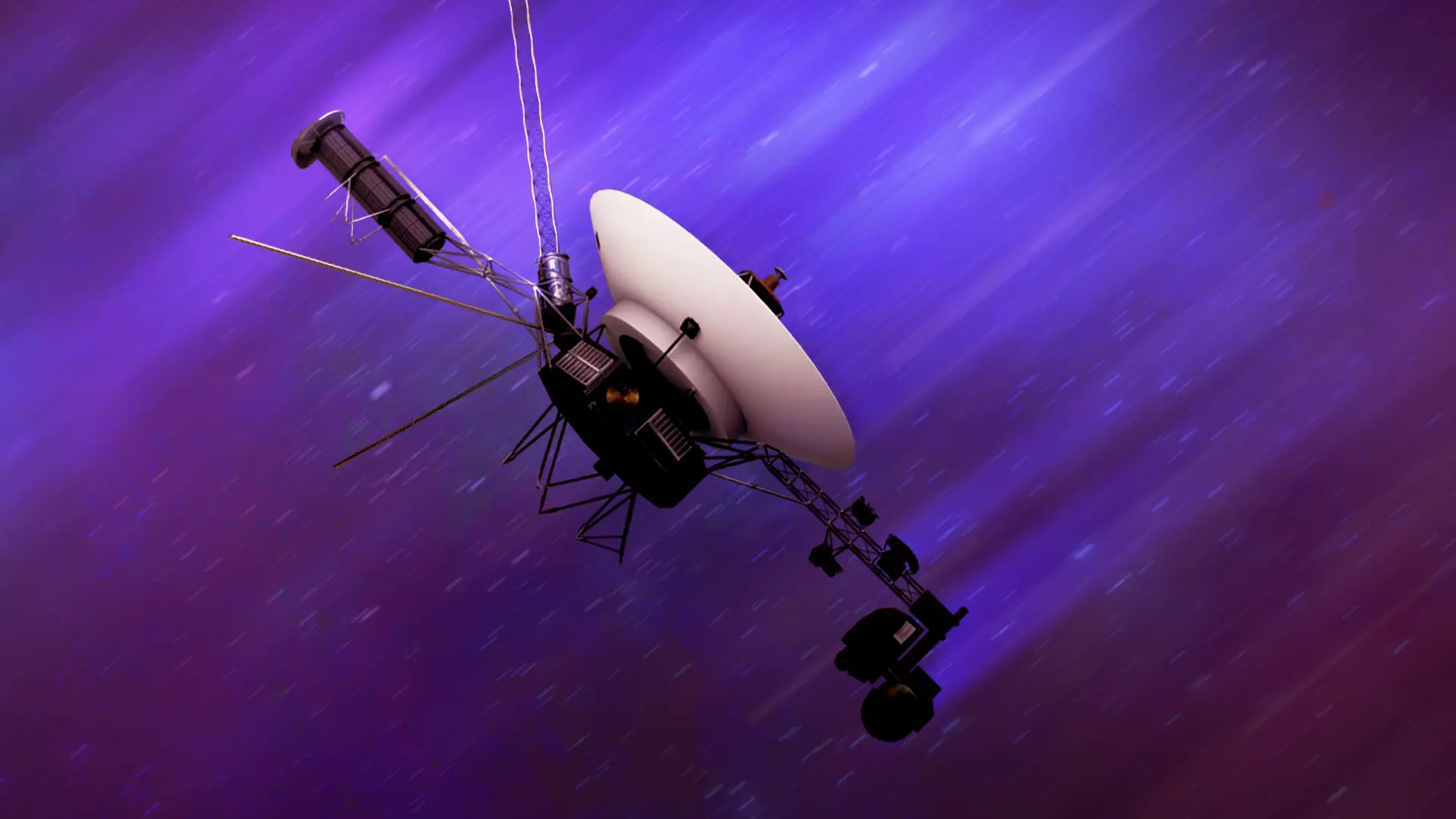
The survival of Voyager 1 is nothing short of a miracle. The spacecraft operates in temperatures approaching absolute zero and is bombarded by cosmic radiation. Its hardware consists of three interconnected computer systems, including the Flight Data System (FDS), which packages the science and engineering data before it is beamed back to Earth.
In late 2023 and early 2024, the mission faced one of its greatest challenges. A single failed chip in the FDS caused the spacecraft to send back "garbage" data—a repetitive sequence of ones and zeros that made no sense to scientists. Because the technology is nearly 50 years old, engineers had to dig through archived paper documents and blueprints to understand the logic used by the original programmers. Through a brilliant "remote hack," they moved the affected code to a different part of the memory, successfully restoring the flow of usable science data from 15 billion miles away.
The Power Struggle
Voyager 1 is powered by Plutonium-238. As the radioactive isotope decays, it generates heat that is converted into electricity. However, this power source loses about 4 watts of energy per year. To keep the mission alive, NASA has had to make difficult choices, systematically turning off non-essential heaters and scientific instruments to conserve energy for the communication systems. Currently, only a handful of instruments remain active, measuring magnetic fields, cosmic rays, and plasma waves in interstellar space.
The Heliopause and Beyond: What Voyager 1 Sees in Interstellar Space
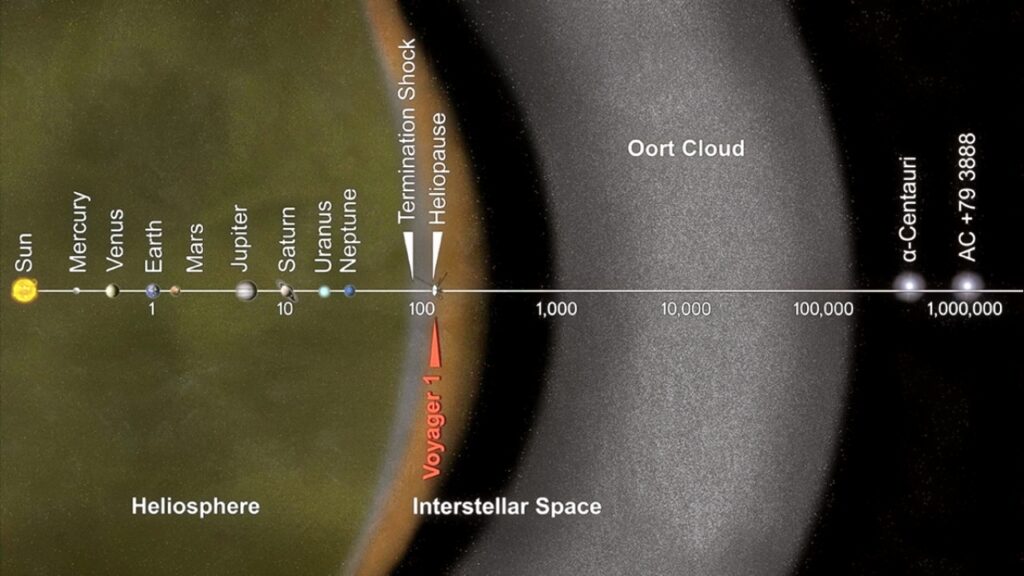
In August 2012, Voyager 1 achieved another historic first: it crossed the heliopause. This is the boundary where the "solar wind"—the stream of charged particles from the Sun—is pushed back by the wind of interstellar space. By crossing this threshold, Voyager 1 became the first human object to leave the heliosphere, the protective bubble created by our Sun.
What has it found? Interstellar space is not as empty as once thought. Voyager 1 has detected a "hum" of plasma waves and an increase in cosmic ray density that is not filtered by the Sun's magnetic field. This data is critical for future deep-space missions, helping scientists understand the radiation environment that human explorers might one day face if we ever venture beyond our solar system.
The Golden Record: A Message for the Ages
Beyond its scientific instruments, Voyager 1 carries a message from humanity. Attached to its exterior is a gold-plated copper phonograph record. This "Golden Record" contains 115 images, greetings in 55 languages, sounds of Earth (like thunder, bird songs, and a mother’s kiss), and a selection of music ranging from Bach to Chuck Berry.
The record is intended as a time capsule. While the chances of it being found by an extraterrestrial civilization are infinitesimal, the record serves as a symbol of hope. It tells the story of our world to the cosmos, ensuring that even if humanity were to disappear, a trace of our culture, our music, and our existence would continue to drift through the stars for billions of years.
The Future of Voyager 1: When the Silence Begins
The inevitable end of the Voyager 1 mission is approaching. NASA estimates that by 2025 or shortly thereafter, the spacecraft will no longer have enough power to operate even a single scientific instrument. At that point, the mission will transition from an active scientific probe to a silent ambassador.
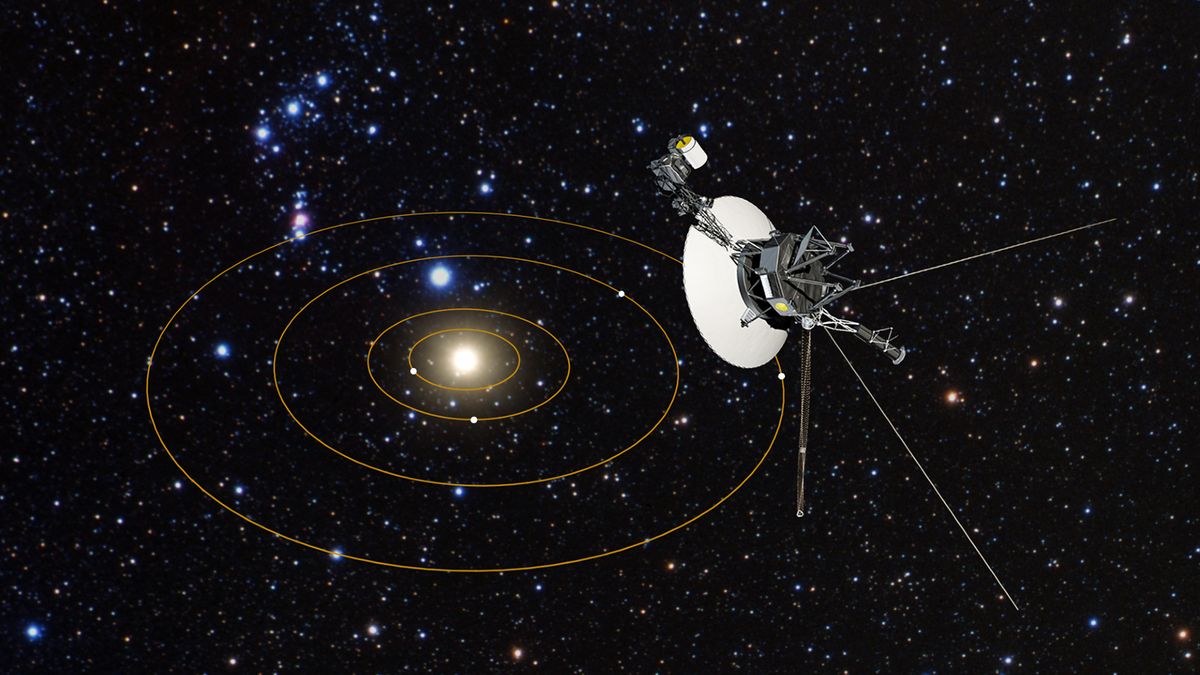
Even after the power fails, Voyager 1 will continue its journey. It is currently traveling at about 38,000 miles per hour (61,000 km/h). In about 40,000 years, it will pass within 1.6 light-years of the star AC+79 3888 in the constellation Camelopardalis. It will continue to orbit the center of the Milky Way galaxy for millions, perhaps billions, of years, long outlasting the very civilization that created it.
The Importance of the Deep Space Network (DSN)
Maintaining contact with Voyager 1 requires the world's most sensitive radio antennas. The Deep Space Network (DSN), with locations in California, Spain, and Australia, uses massive 70-meter dishes to catch the incredibly faint whispers of Voyager’s 20-watt transmitter. To put that in perspective, the signal reaching Earth is billions of times weaker than the power used by an average digital watch. The fact that we can still "hear" Voyager 1 is as much a triumph of Earth-based technology as it is of the probe itself.
Conclusion: A Journey Without End
Voyager 1's transition to being one light-day away from Earth is a milestone that reminds us of the scale of the universe and the tenacity of the human spirit. What started as a modest five-year mission to see our planetary neighbors has evolved into an eternal voyage into the unknown. Voyager 1 has taught us about the volcanic moons of Jupiter, the complex rings of Saturn, and the boundaries of our Sun’s influence. But more than that, it has shown us that our reach can exceed our grasp.
As the spacecraft moves further into the dark, cold void, it carries with it the dreams of the generations that built it and the curiosity of the generations that continue to listen for its signal. Voyager 1 is no longer just a machine; it is humanity’s farthest scout, a silent sentinel marking our place in the infinite cosmic ocean.
Frequently Asked Questions (FAQ)
1. How does Voyager 1 communicate with Earth from such a great distance?
Voyager 1 uses a 3.7-meter high-gain antenna to beam radio signals back to Earth. These signals are picked up by NASA's Deep Space Network (DSN). Because the signal is extremely faint by the time it reaches us, the DSN uses massive 70-meter (230-foot) dishes and sophisticated signal-processing technology to amplify and decode the data.
2. What will happen to Voyager 1 when it runs out of power?
Once the Plutonium-238 in its RTGs decays to the point where it can no longer power the transmitter, Voyager 1 will fall silent. It will stop sending data and will no longer be able to receive commands. However, it will continue to coast through space at high speeds, orbiting the galaxy for millions of years as a silent "ghost ship."
3. Is Voyager 1 still in our solar system?
This depends on how you define the "solar system." Voyager 1 has left the heliosphere (the region of the Sun's magnetic influence and solar wind), which means it is in interstellar space. However, it has not yet left the Oort Cloud, a distant shell of icy objects that are still gravitationally bound to the Sun. It will take Voyager 1 another 300 years to reach the inner edge of the Oort Cloud and possibly 30,000 years to exit it completely.
4. How fast is Voyager 1 traveling?
Voyager 1 is traveling at a speed of approximately 38,000 mph (17 kilometers per second). While this is incredibly fast by human standards, it is still only a tiny fraction (about 0.006%) of the speed of light.
Voyager 1 left on a five-year mission in 1977 - it's now one light-day from Earth
Voyager 1 left on a five-year mission in 1977 - it's now one light-day from Earth
Collection of voyager 1 left on a five-year mission in 1977 - it's now one light-day from earth wallpapers for your desktop and mobile devices.

Lush Voyager 1 Left On A Five-year Mission In 1977 - It's Now One Light-day From Earth Abstract for Desktop
This gorgeous voyager 1 left on a five-year mission in 1977 - it's now one light-day from earth photo offers a breathtaking view, making it a perfect choice for your next wallpaper.

Exquisite Voyager 1 Left On A Five-year Mission In 1977 - It's Now One Light-day From Earth Artwork Collection
Immerse yourself in the stunning details of this beautiful voyager 1 left on a five-year mission in 1977 - it's now one light-day from earth wallpaper, designed for a captivating visual experience.
Vibrant Voyager 1 Left On A Five-year Mission In 1977 - It's Now One Light-day From Earth Picture Art
Explore this high-quality voyager 1 left on a five-year mission in 1977 - it's now one light-day from earth image, perfect for enhancing your desktop or mobile wallpaper.
Breathtaking Voyager 1 Left On A Five-year Mission In 1977 - It's Now One Light-day From Earth Design Photography
Explore this high-quality voyager 1 left on a five-year mission in 1977 - it's now one light-day from earth image, perfect for enhancing your desktop or mobile wallpaper.
Captivating Voyager 1 Left On A Five-year Mission In 1977 - It's Now One Light-day From Earth Background Concept
Find inspiration with this unique voyager 1 left on a five-year mission in 1977 - it's now one light-day from earth illustration, crafted to provide a fresh look for your background.

Lush Voyager 1 Left On A Five-year Mission In 1977 - It's Now One Light-day From Earth Background Photography
This gorgeous voyager 1 left on a five-year mission in 1977 - it's now one light-day from earth photo offers a breathtaking view, making it a perfect choice for your next wallpaper.
Detailed Voyager 1 Left On A Five-year Mission In 1977 - It's Now One Light-day From Earth Capture for Mobile
Experience the crisp clarity of this stunning voyager 1 left on a five-year mission in 1977 - it's now one light-day from earth image, available in high resolution for all your screens.
Beautiful Voyager 1 Left On A Five-year Mission In 1977 - It's Now One Light-day From Earth Artwork for Your Screen
Discover an amazing voyager 1 left on a five-year mission in 1977 - it's now one light-day from earth background image, ideal for personalizing your devices with vibrant colors and intricate designs.
Dynamic Voyager 1 Left On A Five-year Mission In 1977 - It's Now One Light-day From Earth Moment Art
Immerse yourself in the stunning details of this beautiful voyager 1 left on a five-year mission in 1977 - it's now one light-day from earth wallpaper, designed for a captivating visual experience.

Amazing Voyager 1 Left On A Five-year Mission In 1977 - It's Now One Light-day From Earth Wallpaper Illustration
Discover an amazing voyager 1 left on a five-year mission in 1977 - it's now one light-day from earth background image, ideal for personalizing your devices with vibrant colors and intricate designs.

Serene Voyager 1 Left On A Five-year Mission In 1977 - It's Now One Light-day From Earth Capture for Mobile
Discover an amazing voyager 1 left on a five-year mission in 1977 - it's now one light-day from earth background image, ideal for personalizing your devices with vibrant colors and intricate designs.
Vivid Voyager 1 Left On A Five-year Mission In 1977 - It's Now One Light-day From Earth View Digital Art
Explore this high-quality voyager 1 left on a five-year mission in 1977 - it's now one light-day from earth image, perfect for enhancing your desktop or mobile wallpaper.
Vibrant Voyager 1 Left On A Five-year Mission In 1977 - It's Now One Light-day From Earth Artwork Illustration
Discover an amazing voyager 1 left on a five-year mission in 1977 - it's now one light-day from earth background image, ideal for personalizing your devices with vibrant colors and intricate designs.
Serene Voyager 1 Left On A Five-year Mission In 1977 - It's Now One Light-day From Earth Abstract Concept
Transform your screen with this vivid voyager 1 left on a five-year mission in 1977 - it's now one light-day from earth artwork, a true masterpiece of digital design.

Spectacular Voyager 1 Left On A Five-year Mission In 1977 - It's Now One Light-day From Earth Artwork Concept
A captivating voyager 1 left on a five-year mission in 1977 - it's now one light-day from earth scene that brings tranquility and beauty to any device.

Exquisite Voyager 1 Left On A Five-year Mission In 1977 - It's Now One Light-day From Earth Design for Your Screen
Immerse yourself in the stunning details of this beautiful voyager 1 left on a five-year mission in 1977 - it's now one light-day from earth wallpaper, designed for a captivating visual experience.

Beautiful Voyager 1 Left On A Five-year Mission In 1977 - It's Now One Light-day From Earth Artwork for Desktop
Transform your screen with this vivid voyager 1 left on a five-year mission in 1977 - it's now one light-day from earth artwork, a true masterpiece of digital design.

Breathtaking Voyager 1 Left On A Five-year Mission In 1977 - It's Now One Light-day From Earth Photo Digital Art
Discover an amazing voyager 1 left on a five-year mission in 1977 - it's now one light-day from earth background image, ideal for personalizing your devices with vibrant colors and intricate designs.
Dynamic Voyager 1 Left On A Five-year Mission In 1977 - It's Now One Light-day From Earth Photo Photography
Find inspiration with this unique voyager 1 left on a five-year mission in 1977 - it's now one light-day from earth illustration, crafted to provide a fresh look for your background.
Gorgeous Voyager 1 Left On A Five-year Mission In 1977 - It's Now One Light-day From Earth Capture in HD
This gorgeous voyager 1 left on a five-year mission in 1977 - it's now one light-day from earth photo offers a breathtaking view, making it a perfect choice for your next wallpaper.
Download these voyager 1 left on a five-year mission in 1977 - it's now one light-day from earth wallpapers for free and use them on your desktop or mobile devices.