What Is Hedging In Trading Futures
Mastering Risk Management: What Is Hedging In Trading Futures?
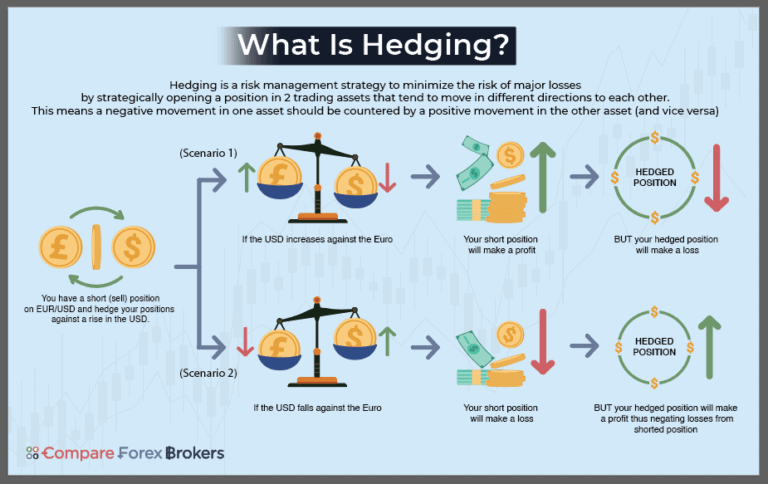
In the high-stakes world of financial markets, volatility is the only constant. Whether you are a retail investor, a corporate treasurer, or a commodity producer, the risk of adverse price movements can threaten your financial stability. This is where the concept of hedging in trading futures comes into play. Often described as an "insurance policy" for traders, hedging is a sophisticated strategy used to offset potential losses in one position by taking an opposite position in a related security.
Futures contracts are among the most effective tools for hedging. They allow market participants to lock in prices for assets they intend to buy or sell in the future, thereby neutralizing the impact of price fluctuations. In this comprehensive guide, we will delve deep into the mechanics of hedging, explore various strategies, and understand why it is a cornerstone of professional risk management.
How Hedging Works in the Futures Market
To understand hedging, one must first understand the relationship between the "spot market" (the current market price for immediate delivery) and the "futures market" (an agreement to buy or sell at a predetermined price at a specific future date). Hedging works by creating a balance between these two markets.
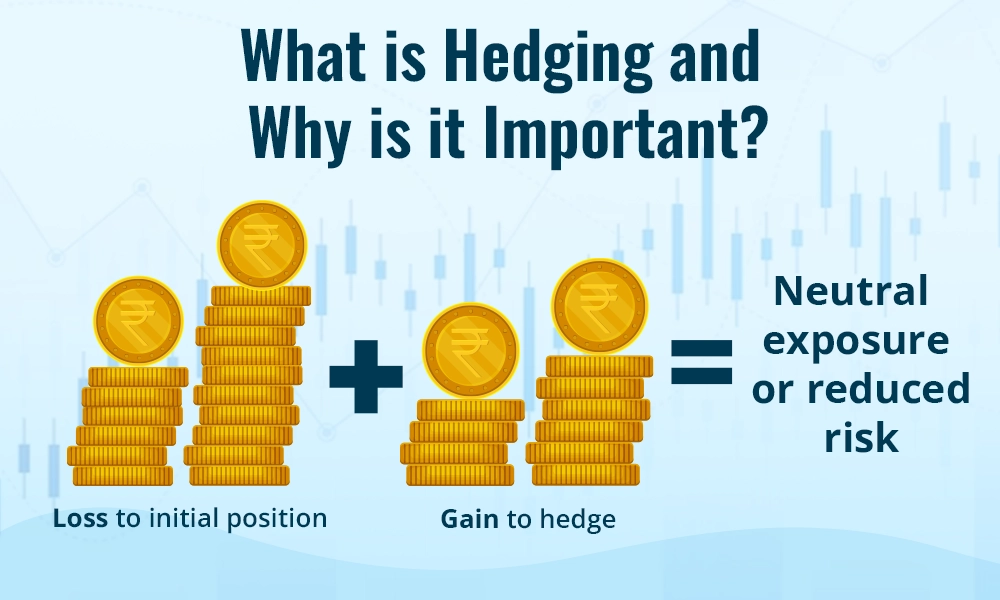
When a trader hedges, they are not necessarily looking to make a profit from the hedge itself. Instead, the goal is to ensure that any loss incurred in the spot market is compensated for by a gain in the futures market, or vice versa. This creates a "net zero" effect, or at least significantly reduces the total financial impact of market volatility.
The Two Primary Types of Hedges
- The Short Hedge (Selling Hedge): This is used by entities that currently own an asset (or produce it) and fear that the price will drop before they can sell it. By selling futures contracts, they lock in a selling price today. If the price falls, the profit from the short futures position offsets the loss in the value of the physical asset.
- The Long Hedge (Buying Hedge): This is used by entities that need to purchase an asset in the future and fear that the price will rise. By buying (going long) futures contracts, they lock in a purchase price. If the market price rises, the gain from the futures contract helps cover the higher cost of buying the actual asset later.
Core Strategies for Effective Hedging
While the concept of hedging is simple, the execution can vary depending on the asset class and the specific risks involved. Below are the most common strategies employed by professionals:
1. Direct Hedging
This is the most straightforward form of hedging. It involves taking a futures position in the exact same asset that you hold in the spot market. For example, a gold refiner who holds physical gold would sell gold futures. Because the futures price and the spot price are highly correlated, this strategy provides the most precise protection.
2. Cross Hedging
Sometimes, a futures contract for a specific asset does not exist. In such cases, traders use "cross hedging." This involves hedging a spot position with a futures contract of a different but highly correlated asset. For example, an airline might hedge the price of jet fuel using crude oil or heating oil futures, as their prices tend to move in tandem.
3. Basis Trading
The "basis" is the difference between the local spot price and the futures price. Hedgers often monitor the basis closely because, while a hedge protects against absolute price changes, it does not protect against "basis risk"—the risk that the spread between the spot and futures price will change unexpectedly. Professional traders often use basis trading to fine-tune their hedging performance.
| Feature/Aspect | Description |
|---|---|
| Primary Objective | Risk mitigation and price stabilization rather than profit generation. |
| Market Mechanism | Taking an offsetting position in futures to counteract spot market movements. |
| Participants | Commodity producers, manufacturers, institutional investors, and hedgers. |
| Cost Involved | Includes transaction fees, margin requirements, and potential opportunity costs. |
| Outcome | Reduced volatility and predictable cash flows for business operations. |
Hedging vs. Speculation: Understanding the Difference
It is crucial to distinguish between hedging and speculation, as they represent opposite ends of the trading spectrum. A speculator enters the futures market to profit from price movements. They take on risk in the hope of high returns. They have no interest in the underlying physical asset; they only care about the direction of the price.
In contrast, a hedger enters the market to get rid of risk. They already have exposure to the underlying asset through their business or portfolio. For a hedger, the futures market is a tool for certainty. While a speculator might lose everything if the market moves against them, a hedger is satisfied with a break-even result in their hedge because it means their primary business or investment is safe.
The Benefits of Hedging for Businesses
For corporations, hedging is not just about trading; it is about financial planning. By using futures to hedge interest rates, currency exchange rates, or raw material costs, companies can:
- Provide more accurate budget forecasts.
- Protect profit margins from sudden commodity spikes.
- Avoid the need to pass sudden cost increases onto consumers, maintaining competitive pricing.
- Improve their creditworthiness by demonstrating stable cash flows to lenders.
The Risks and Limitations of Hedging
While hedging reduces risk, it does not eliminate it entirely, and it comes with its own set of challenges. One major limitation is opportunity cost. If you hedge against a price drop and the price actually rises, you will not benefit from that price increase because your futures position will incur a loss that cancels out your spot market gain.
Another risk is Margin Calls. Futures trading requires maintaining a margin account. If the market moves significantly against your hedge position, you may be required to deposit more cash immediately. For some businesses, this liquidity requirement can be a significant burden.
Finally, there is Over-Hedging. If a producer hedges more than their actual production (e.g., hedging 1,000 tons of corn but only producing 800 tons), they transition from being a hedger to being a partial speculator, exposing themselves to unnecessary market risk.
Frequently Asked Questions (FAQ)
1. Is hedging the same as diversification?
No. Diversification involves spreading investments across different assets to reduce overall portfolio risk. Hedging involves taking a specific, opposite position in a related asset to neutralize the risk of a single existing position.
2. Does hedging guarantee that I won't lose money?
Hedging is designed to limit losses, not necessarily eliminate them. Factors like basis risk, transaction costs, and imperfect correlations between assets can still lead to small losses. However, it prevents catastrophic losses from major price swings.
3. Do I need a lot of capital to hedge using futures?
Futures use leverage, meaning you only need to deposit a fraction of the total contract value (initial margin). While this makes hedging capital-efficient, you must always have enough liquidity to handle potential margin calls if the market moves against your hedge.
Conclusion
Hedging in trading futures is an essential skill for anyone looking to navigate the complexities of modern financial markets. By understanding how to balance spot and futures positions, traders and businesses can protect themselves from the destructive power of price volatility. While it requires a deep understanding of market mechanics and a disciplined approach to risk, the peace of mind and financial stability it provides are invaluable.
Whether you are protecting a portfolio of stocks against a market downturn or ensuring that a harvest remains profitable, hedging serves as the ultimate shield. In the world of trading, it isn't always about how much you make; often, it is about how much you manage to keep when the markets turn volatile. Mastering the art of the hedge is the first step toward long-term financial resilience.
What Is Hedging In Trading Futures
What Is Hedging In Trading Futures Wallpapers
Collection of what is hedging in trading futures wallpapers for your desktop and mobile devices.
Captivating What Is Hedging In Trading Futures Moment in 4K
Find inspiration with this unique what is hedging in trading futures illustration, crafted to provide a fresh look for your background.
Beautiful What Is Hedging In Trading Futures Photo Collection
Experience the crisp clarity of this stunning what is hedging in trading futures image, available in high resolution for all your screens.
Beautiful What Is Hedging In Trading Futures Capture Digital Art
Discover an amazing what is hedging in trading futures background image, ideal for personalizing your devices with vibrant colors and intricate designs.

Crisp What Is Hedging In Trading Futures Photo Collection
This gorgeous what is hedging in trading futures photo offers a breathtaking view, making it a perfect choice for your next wallpaper.
Beautiful What Is Hedging In Trading Futures Design for Desktop
Explore this high-quality what is hedging in trading futures image, perfect for enhancing your desktop or mobile wallpaper.

Dynamic What Is Hedging In Trading Futures Picture for Your Screen
This gorgeous what is hedging in trading futures photo offers a breathtaking view, making it a perfect choice for your next wallpaper.

Detailed What Is Hedging In Trading Futures Image Collection
Transform your screen with this vivid what is hedging in trading futures artwork, a true masterpiece of digital design.

Stunning What Is Hedging In Trading Futures Scene for Your Screen
Immerse yourself in the stunning details of this beautiful what is hedging in trading futures wallpaper, designed for a captivating visual experience.
Breathtaking What Is Hedging In Trading Futures Moment Digital Art
Explore this high-quality what is hedging in trading futures image, perfect for enhancing your desktop or mobile wallpaper.

Spectacular What Is Hedging In Trading Futures Photo Art
A captivating what is hedging in trading futures scene that brings tranquility and beauty to any device.

Amazing What Is Hedging In Trading Futures Abstract Concept
Explore this high-quality what is hedging in trading futures image, perfect for enhancing your desktop or mobile wallpaper.
Amazing What Is Hedging In Trading Futures Landscape Art
Explore this high-quality what is hedging in trading futures image, perfect for enhancing your desktop or mobile wallpaper.

Gorgeous What Is Hedging In Trading Futures Artwork Photography
This gorgeous what is hedging in trading futures photo offers a breathtaking view, making it a perfect choice for your next wallpaper.
Vibrant What Is Hedging In Trading Futures Artwork Nature
Discover an amazing what is hedging in trading futures background image, ideal for personalizing your devices with vibrant colors and intricate designs.

Vivid What Is Hedging In Trading Futures Artwork Digital Art
Discover an amazing what is hedging in trading futures background image, ideal for personalizing your devices with vibrant colors and intricate designs.

Vibrant What Is Hedging In Trading Futures Design Concept
Explore this high-quality what is hedging in trading futures image, perfect for enhancing your desktop or mobile wallpaper.
Vibrant What Is Hedging In Trading Futures Wallpaper Photography
Transform your screen with this vivid what is hedging in trading futures artwork, a true masterpiece of digital design.

Lush What Is Hedging In Trading Futures Artwork Photography
This gorgeous what is hedging in trading futures photo offers a breathtaking view, making it a perfect choice for your next wallpaper.

Vivid What Is Hedging In Trading Futures Picture Photography
Transform your screen with this vivid what is hedging in trading futures artwork, a true masterpiece of digital design.
Detailed What Is Hedging In Trading Futures Photo Digital Art
Transform your screen with this vivid what is hedging in trading futures artwork, a true masterpiece of digital design.
Download these what is hedging in trading futures wallpapers for free and use them on your desktop or mobile devices.