What Is The Journal Entry For Foreign Currency Transactions
What is the Journal Entry for Foreign Currency Transactions? A Comprehensive Guide
In today’s globalized economy, businesses are no longer confined by national borders. Whether you are a small e-commerce startup sourcing materials from overseas or a multinational corporation selling services globally, you will inevitably encounter transactions denominated in currencies other than your own. Understanding what is the journal entry for foreign currency transactions is crucial for maintaining accurate financial records, ensuring regulatory compliance, and managing the risks associated with exchange rate volatility.
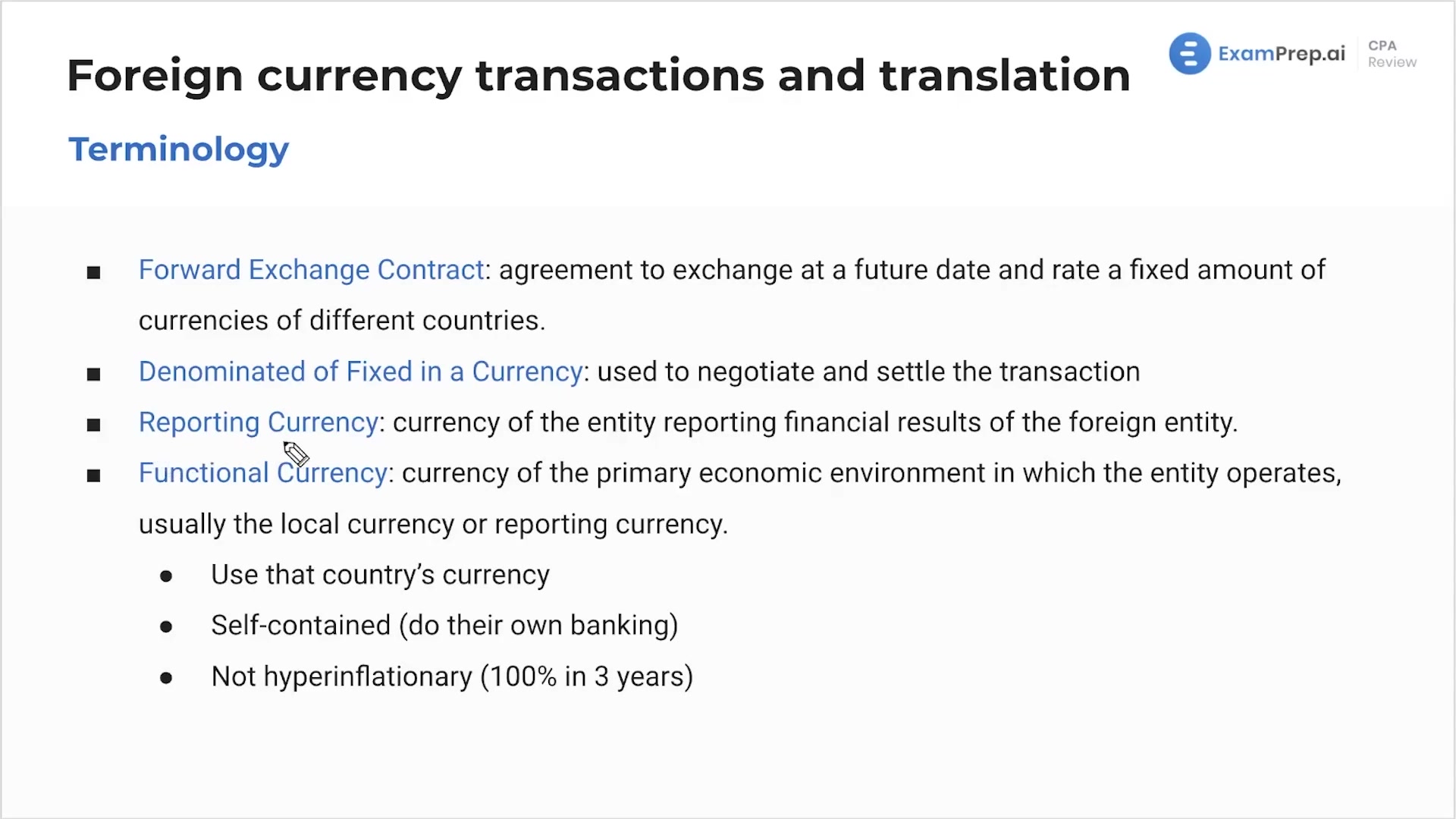
When a company engages in a transaction in a foreign currency, it must eventually translate that transaction into its functional currency (the primary currency of the economic environment in which it operates) for reporting purposes. This process involves specific accounting treatments for the initial recognition, the settlement of the transaction, and the reporting at the end of an accounting period. In this guide, we will break down the mechanics of foreign currency journal entries, explore the difference between realized and unrealized gains, and provide practical examples to help you master this complex area of accounting.
Core Concepts: Spot Rates and Functional Currency
Before diving into the specific journal entries, it is essential to understand two fundamental concepts: the Spot Exchange Rate and the Functional Currency. According to accounting standards like IFRS (IAS 21) and GAAP (ASC 830), a foreign currency transaction must be recorded, on initial recognition, in the functional currency by applying the spot exchange rate between the functional currency and the foreign currency at the date of the transaction.
The "spot rate" is the exchange rate for immediate delivery of the currencies. Because exchange rates fluctuate daily, the value of a foreign-denominated receivable or payable can change between the date the transaction is initiated and the date it is settled. This fluctuation is what gives rise to foreign exchange (FX) gains or losses.
Journal Entry for Foreign Currency Purchases
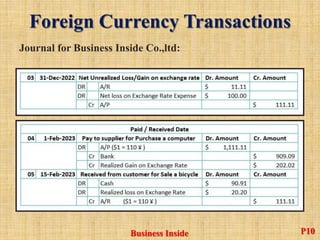
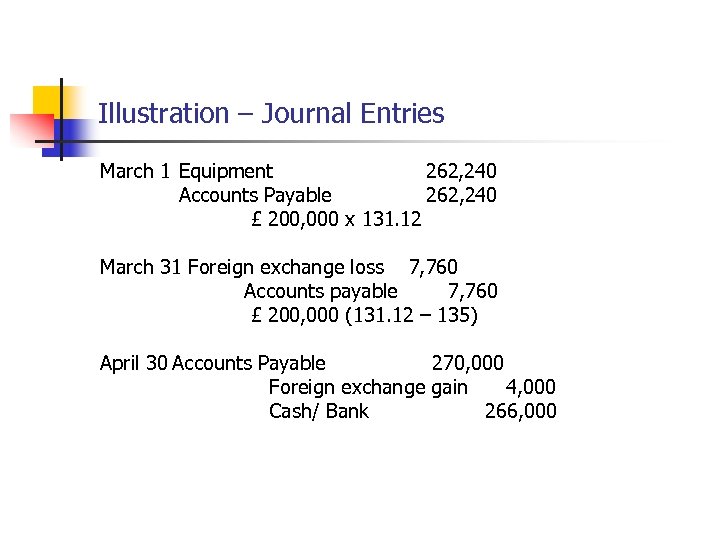
When a company purchases goods or services from a foreign supplier on credit, the transaction is recorded in two or three stages: the initial purchase, the period-end adjustment (if applicable), and the final settlement.
1. Initial Recognition
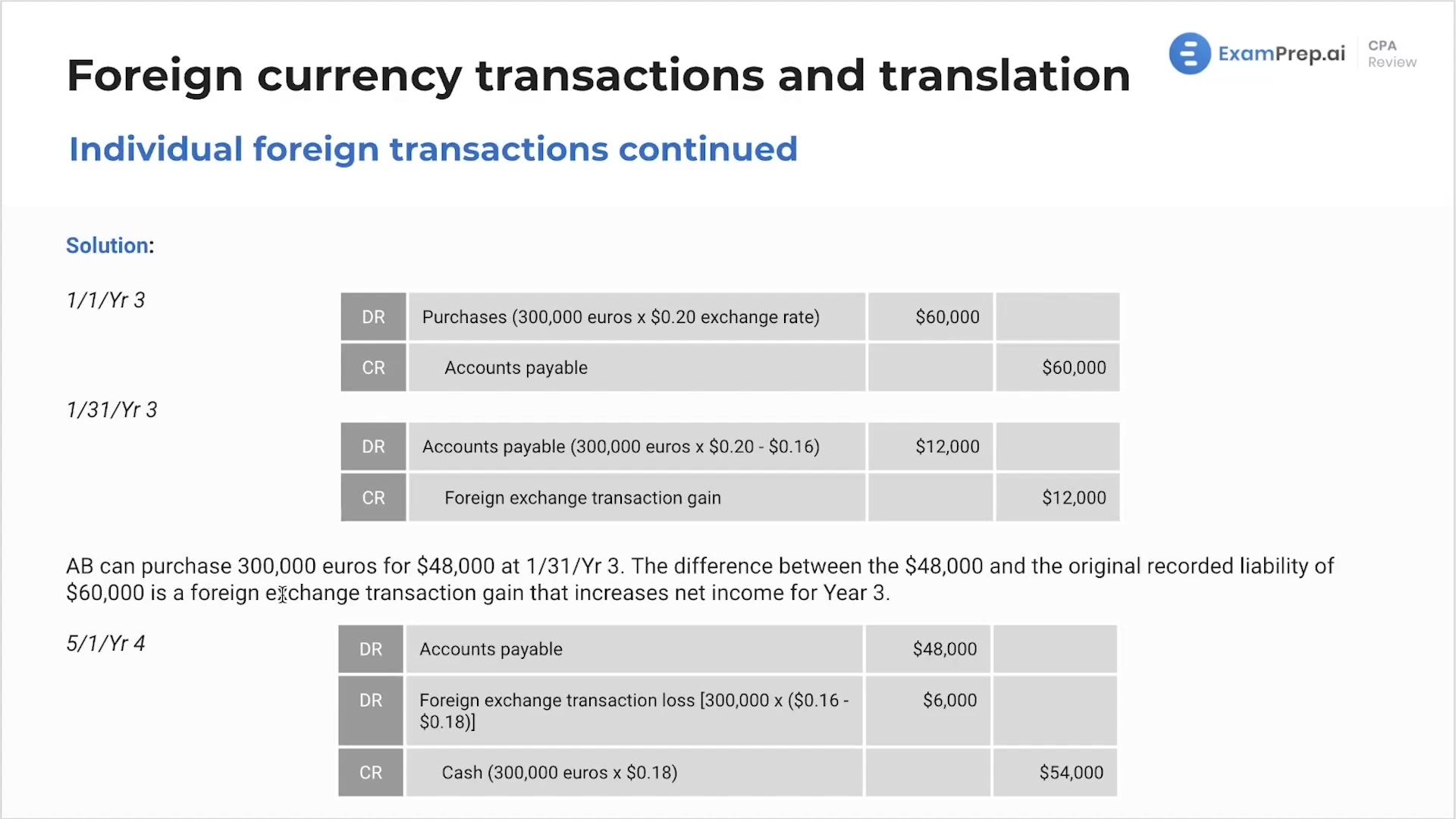
Suppose a U.S. company (functional currency: USD) buys inventory from a German supplier for €10,000 when the exchange rate is 1.10 USD/EUR. The transaction value in USD is $11,000.
Journal Entry:
Debit: Inventory — $11,000
Credit: Accounts Payable (Foreign) — $11,000
2. Settlement of the Payable
If the company pays the invoice a month later when the exchange rate has moved to 1.15 USD/EUR, the cost to settle the €10,000 debt is now $11,500. The company has incurred an exchange loss of $500.
Journal Entry:
Debit: Accounts Payable (Foreign) — $11,000
Debit: Foreign Exchange Loss — $500
Credit: Cash — $11,500
Journal Entry for Foreign Currency Sales
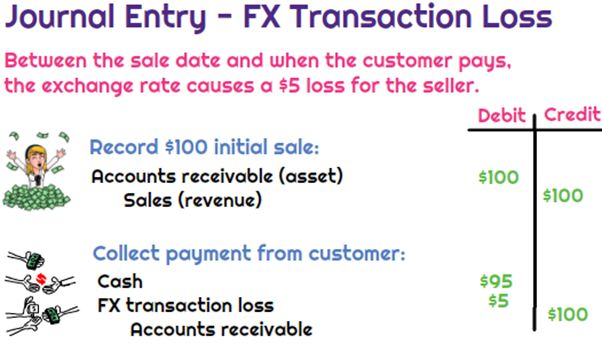
Conversely, when a company sells products to a foreign customer, it records a receivable. Fluctuations in the exchange rate can result in a gain or loss upon receipt of payment.
1. Initial Recognition
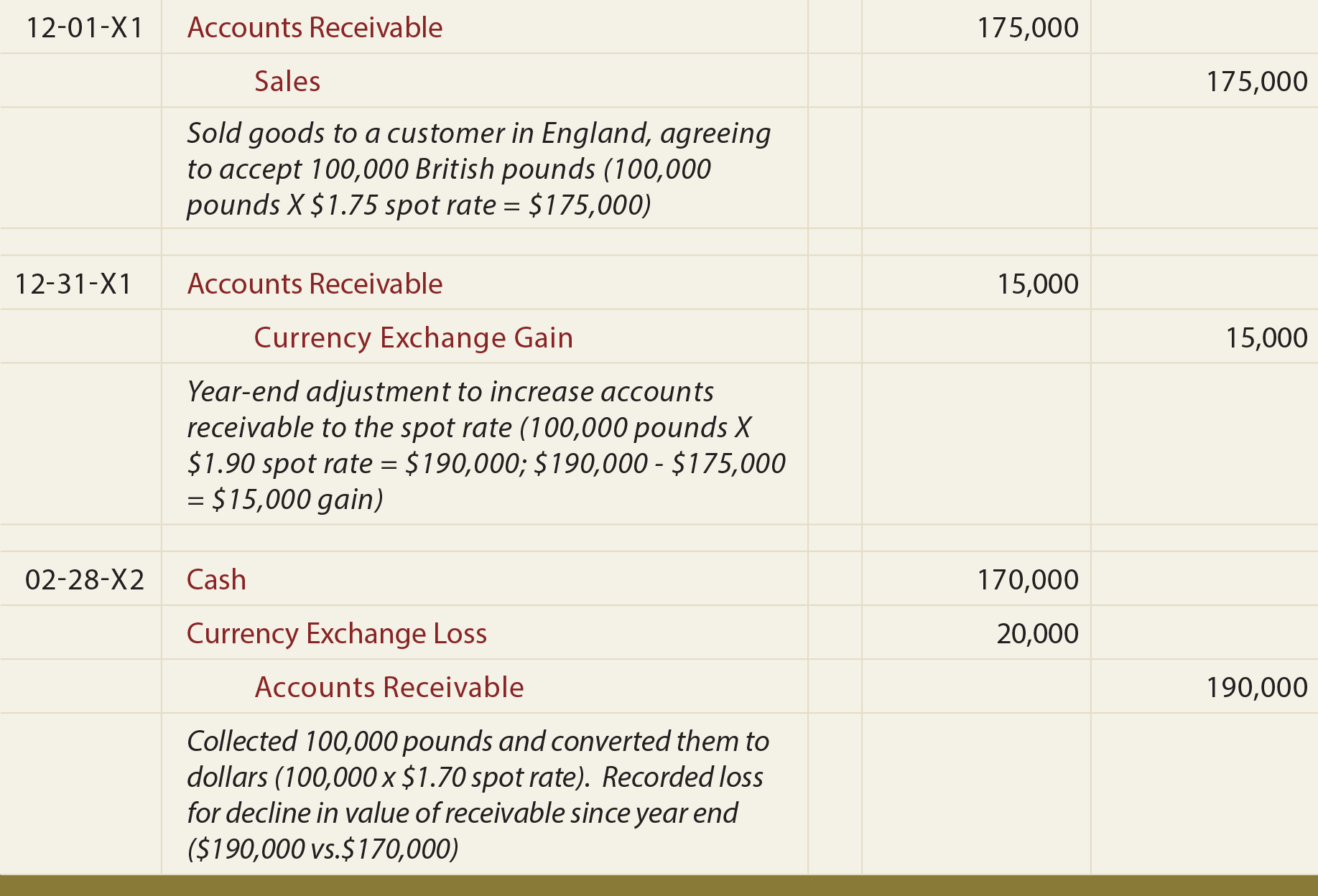
A U.S. company sells services to a UK client for £5,000. The spot rate is 1.30 USD/GBP. The value in USD is $6,500.
Journal Entry:
Debit: Accounts Receivable (Foreign) — $6,500
Credit: Service Revenue — $6,500
2. Settlement of the Receivable
If the UK client pays when the rate is 1.35 USD/GBP, the company receives $6,750. This results in a foreign exchange gain of $250.
Journal Entry:
Debit: Cash — $6,750
Credit: Accounts Receivable (Foreign) — $6,500
Credit: Foreign Exchange Gain — $250
Understanding Unrealized vs. Realized Gains and Losses
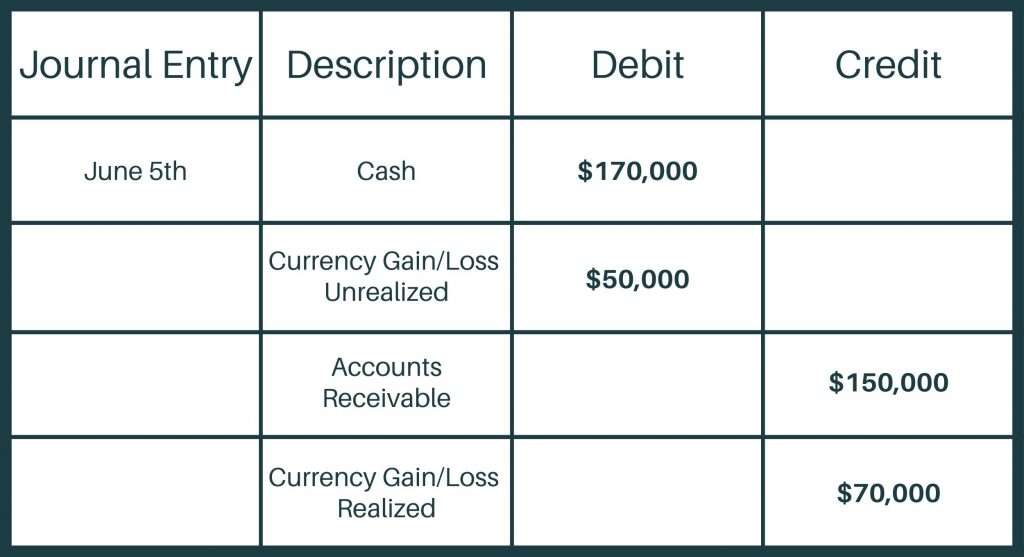
It is important to distinguish between "realized" and "unrealized" gains or losses. A realized gain or loss occurs when the transaction is actually settled (i.e., cash is exchanged). An unrealized gain or loss occurs at the end of an accounting period if the transaction remains unsettled.
At the balance sheet date, monetary items (like cash, receivables, and payables) denominated in a foreign currency must be retranslated using the closing spot rate. The resulting difference is recorded in the income statement as an unrealized gain or loss. This ensures that the financial statements reflect the most current economic reality of the company's obligations and assets.
| Feature/Aspect | Description |
|---|---|
| Initial Measurement | Recorded using the spot exchange rate at the date of the transaction. |
| Monetary Items | Cash, receivables, and payables must be revalued at each balance sheet date. |
| Non-Monetary Items | Inventory or fixed assets are generally carried at historical exchange rates. |
| Exchange Gain/Loss Account | Reported in the Income Statement under 'Other Income' or 'Other Expenses'. |
| Settlement Date | The date when the actual exchange of currency occurs and gains/losses are realized. |
Key Accounting Standards (IFRS vs. GAAP)
While both International Financial Reporting Standards (IFRS) and Generally Accepted Accounting Principles (GAAP) follow similar logic regarding foreign currency, there are nuances. Under IAS 21 (The Effects of Changes in Foreign Exchange Rates), the focus is on the functional currency. Any exchange differences arising from the translation of monetary items are recognized in the profit or loss statement.
Under US GAAP (ASC 830), the approach is very similar. The standard requires that a "two-transaction" perspective be taken. This means the purchase of the asset and the subsequent settlement of the liability are treated as two distinct events. The cost of the asset is fixed at the date of purchase, and any subsequent fluctuations in the currency relate specifically to the financing (the payable) rather than the asset itself.
Best Practices for Managing Foreign Currency Accounting
To avoid errors and ensure the integrity of your financial data, consider the following best practices:
- Use Automated Accounting Software: Modern ERP systems like NetSuite, SAP, or QuickBooks Online can automatically pull daily spot rates and calculate realized/unrealized gains or losses.
- Regular Reconciliation: Reconcile foreign currency accounts (bank accounts, AP, and AR) monthly to ensure that the balance sheet reflects the correct closing rates.
- Consistent Rate Sources: Use a consistent and reputable source for exchange rates (e.g., OANDA, Central Bank rates) to maintain audit trails.
- Hedge Your Risk: For large transactions, consider using forward contracts or options to lock in exchange rates and minimize the impact of volatility on your profit margins.
Frequently Asked Questions (FAQ)
1. What exchange rate should I use for a foreign currency transaction?
You should use the "spot rate" on the date the transaction first qualifies for recognition under accounting standards. This is typically the date the goods are received or the service is rendered.
2. Where do foreign exchange gains and losses appear on the financial statements?
Realized and unrealized gains and losses from foreign currency transactions are typically reported on the Income Statement. They are usually categorized under "Other Income and Expenses" or "Financial Costs," separate from operating income.
3. Does a change in exchange rate affect the value of the inventory I purchased?
No. Under both IFRS and GAAP, inventory is a non-monetary item. Once it is recorded at the historical exchange rate on the date of purchase, its "cost" does not change even if exchange rates fluctuate later. Only the liability (Accounts Payable) is revalued.
Conclusion
Mastering the journal entry for foreign currency transactions is a vital skill for any modern accountant or business owner. While the fluctuations of the global FX market can seem daunting, the accounting treatment is structured and logical. By recording transactions at the spot rate, revaluing monetary items at period-end, and correctly identifying realized versus unrealized gains or losses, you can provide a transparent and accurate view of your company’s financial health.
As your business expands internationally, the complexity of these entries may grow. However, staying disciplined with your record-keeping and leveraging technology will ensure that currency volatility remains a manageable variable rather than a financial surprise. Always consult with a qualified CPA or financial advisor to ensure your specific multi-currency accounting practices align with the latest regulatory requirements.
what is the journal entry for foreign currency transactions
what is the journal entry for foreign currency transactions Wallpapers
Collection of what is the journal entry for foreign currency transactions wallpapers for your desktop and mobile devices.

Stunning What Is The Journal Entry For Foreign Currency Transactions View Digital Art
A captivating what is the journal entry for foreign currency transactions scene that brings tranquility and beauty to any device.

Breathtaking What Is The Journal Entry For Foreign Currency Transactions Capture Nature
Transform your screen with this vivid what is the journal entry for foreign currency transactions artwork, a true masterpiece of digital design.

Exquisite What Is The Journal Entry For Foreign Currency Transactions Background for Desktop
This gorgeous what is the journal entry for foreign currency transactions photo offers a breathtaking view, making it a perfect choice for your next wallpaper.
Exquisite What Is The Journal Entry For Foreign Currency Transactions View Art
A captivating what is the journal entry for foreign currency transactions scene that brings tranquility and beauty to any device.

Vivid What Is The Journal Entry For Foreign Currency Transactions Wallpaper Collection
Transform your screen with this vivid what is the journal entry for foreign currency transactions artwork, a true masterpiece of digital design.

Crisp What Is The Journal Entry For Foreign Currency Transactions Landscape for Your Screen
Immerse yourself in the stunning details of this beautiful what is the journal entry for foreign currency transactions wallpaper, designed for a captivating visual experience.

High-Quality What Is The Journal Entry For Foreign Currency Transactions View Art
Transform your screen with this vivid what is the journal entry for foreign currency transactions artwork, a true masterpiece of digital design.

Exquisite What Is The Journal Entry For Foreign Currency Transactions Scene in 4K
Immerse yourself in the stunning details of this beautiful what is the journal entry for foreign currency transactions wallpaper, designed for a captivating visual experience.
Mesmerizing What Is The Journal Entry For Foreign Currency Transactions Capture for Your Screen
Explore this high-quality what is the journal entry for foreign currency transactions image, perfect for enhancing your desktop or mobile wallpaper.
Stunning What Is The Journal Entry For Foreign Currency Transactions Capture in HD
Find inspiration with this unique what is the journal entry for foreign currency transactions illustration, crafted to provide a fresh look for your background.

Lush What Is The Journal Entry For Foreign Currency Transactions Scene in HD
Immerse yourself in the stunning details of this beautiful what is the journal entry for foreign currency transactions wallpaper, designed for a captivating visual experience.
Serene What Is The Journal Entry For Foreign Currency Transactions Picture for Desktop
Discover an amazing what is the journal entry for foreign currency transactions background image, ideal for personalizing your devices with vibrant colors and intricate designs.
Beautiful What Is The Journal Entry For Foreign Currency Transactions View in 4K
Experience the crisp clarity of this stunning what is the journal entry for foreign currency transactions image, available in high resolution for all your screens.

Vivid What Is The Journal Entry For Foreign Currency Transactions View Art
Discover an amazing what is the journal entry for foreign currency transactions background image, ideal for personalizing your devices with vibrant colors and intricate designs.

Crisp What Is The Journal Entry For Foreign Currency Transactions Photo Art
Immerse yourself in the stunning details of this beautiful what is the journal entry for foreign currency transactions wallpaper, designed for a captivating visual experience.
Dynamic What Is The Journal Entry For Foreign Currency Transactions Moment Nature
A captivating what is the journal entry for foreign currency transactions scene that brings tranquility and beauty to any device.

Captivating What Is The Journal Entry For Foreign Currency Transactions Picture Digital Art
Find inspiration with this unique what is the journal entry for foreign currency transactions illustration, crafted to provide a fresh look for your background.
Artistic What Is The Journal Entry For Foreign Currency Transactions Scene for Mobile
Find inspiration with this unique what is the journal entry for foreign currency transactions illustration, crafted to provide a fresh look for your background.

Gorgeous What Is The Journal Entry For Foreign Currency Transactions Photo in HD
Immerse yourself in the stunning details of this beautiful what is the journal entry for foreign currency transactions wallpaper, designed for a captivating visual experience.
Spectacular What Is The Journal Entry For Foreign Currency Transactions Scene Art
This gorgeous what is the journal entry for foreign currency transactions photo offers a breathtaking view, making it a perfect choice for your next wallpaper.
Download these what is the journal entry for foreign currency transactions wallpapers for free and use them on your desktop or mobile devices.