Fewer WoF inspections: What Govt changes mean for you and your car
Fewer WoF inspections: What Govt changes mean for you and your car
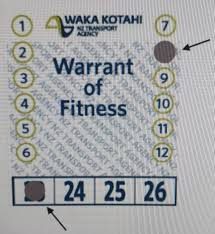
The New Zealand government has officially announced a sweeping overhaul of the Warrant of Fitness (WoF) system, marking the most significant shift in vehicle safety regulations in over a decade. Aimed at modernizing the country's land transport rules and easing the cost-of-living burden on motorists, these changes will see many car owners visiting testing stations half as often as they do now. Transport Minister Chris Bishop and Associate Transport Minister James Meager highlighted that modern vehicles are significantly safer and more reliable than those of previous generations, rendering the current high frequency of inspections redundant for many. While the reforms promise to save New Zealanders billions of dollars in inspection fees and administrative time, they also place a greater emphasis on individual driver responsibility for vehicle maintenance. This transition represents a pivot from a government-mandated safety net to a system that aligns inspection effort with actual safety risk data, primarily focusing on older and higher-risk vehicles.
Featured Snippet: Starting November 1, 2026, the New Zealand government will implement new WoF rules where light vehicles aged 4 to 14 years (registered on or after Nov 1, 2019) will move from annual to two-yearly inspections. New vehicles will not require their second WoF until four years after registration, up from the current three-year mark. Additionally, vehicles older than 14 years and certain motorcycles will move from six-monthly to annual inspections, potentially saving Kiwis up to $4.1 billion over the next 30 years.
Understanding the New WoF Inspection Timelines
The core of the government's reform lies in the extension of inspection intervals based on vehicle age and risk profiles. Under the current system, New Zealand has some of the most frequent vehicle inspections in the developed world. The new plan seeks to align New Zealand more closely with international standards, particularly for modern vehicles equipped with advanced safety technologies. The rollout will occur in phases to ensure the testing industry and the public can adapt to the new schedule. The first major milestone is set for November 1, 2026, which will affect the newest portion of the national fleet, followed by a second phase in 2027 to include slightly older vehicles.
For most motorists, the change means the standard "annual" WoF is becoming a "biennial" event for cars under 14 years old. This age threshold was chosen because data indicates a measurable increase in defect-related crashes once a vehicle passes the 15-year mark. By keeping the more frequent annual checks for older cars, the government aims to mitigate the risks associated with aging components like structural rust, worn suspension, and deteriorating brake lines that are more common in older models.
Phased Rollout: 2026 and 2027 Key Dates
The implementation of these reforms is strategically timed. On November 1, 2026, the first group of eligible vehicles—those aged between 4 and 14 years and registered on or after November 1, 2019—will transition to the two-yearly cycle. This ensures that the system first accommodates vehicles that are statistically most likely to be in good mechanical condition. This phase also includes the extension for brand-new cars, which will now enjoy a four-year "honeymoon period" before needing their second inspection, providing a direct financial incentive for those purchasing newer, safer models.
The second phase, beginning November 1, 2027, expands the two-yearly eligibility to vehicles registered as far back as November 1, 2013. This captures a massive segment of the Kiwi car market, including many popular used imports and family SUVs. By staggering the rollout, the government allows WoF agents—who perform approximately 80% of the country's inspections through the MTA network—to adjust their business models and staffing levels in response to the predicted drop in inspection volume.
Financial Impact: Saving Billions for Kiwi Households
The economic justification for the WoF shake-up is substantial. Government modeling suggests that the reforms will deliver between $2.6 billion and $4.1 billion in net benefits over the next 30 years. These savings are not just from the $50 to $70 inspection fee itself, but also from the "hidden" costs of vehicle ownership. This includes the value of the time spent driving to and waiting at testing stations, as well as a reduction in what the government terms "unnecessary repairs"—maintenance tasks that might be forced by a strict WoF checklist but aren't strictly necessary for safe operation at that specific moment.
Transport Minister Chris Bishop noted that during a time of high inflation and fluctuating fuel prices, these savings provide tangible relief to household budgets. While the Motor Trade Association (MTA) has expressed concern that skipping inspections could lead to larger repair bills down the road as small issues go unnoticed, the government maintains that the overall economic productivity gain from reduced administrative "hoops" outweighs these individual risks. For a family with two modern vehicles, the changes could easily save over $1,000 in direct costs and time over the life of the vehicles.
Safety First: How the Govt Plans to Manage Risk
Critics of the plan, including road safety advocates and some mechanical experts, worry that longer gaps between inspections will lead to "silent failures" in critical systems like brakes and tyres. To counter this, the government is introducing several safety-focused counter-measures. First, the WoF inspection process itself is being modernized. For vehicles equipped with Advanced Driver Assistance Systems (ADAS)—such as autonomous emergency braking (AEB) and lane-keep assist—the inspection will now include a visual check of dashboard warning lights and malfunction indicators. This ensures that the electronic safety nets modern drivers rely on are actually functional.
Furthermore, the government is focusing enforcement efforts on high-risk areas. Statistical modeling suggests a possible 0.6% to 1.3% increase in defect-related crashes due to the longer intervals. To offset this, there will be a significant increase in public education campaigns and roadside enforcement. The message is clear: the Warrant of Fitness is a minimum safety standard at a point in time, and it remains the driver’s legal responsibility to ensure their car is roadworthy every single day it is on the road, not just once every two years.
| Vehicle Category | New WoF Inspection Frequency |
|---|---|
| Brand New Light Vehicles | First check at registration, second check at 4 years |
| Light Vehicles (4–14 years old) | Every 2 years (Phased implementation 2026-2027) |
| Vehicles older than 14 years | Annual (Every 12 months) |
| Motorcycles (Pre-2000) | Annual (Improved from every 6 months) |
| Light Rental Vehicles | Annual (Improved from every 6 months) |
Increased Fines for Non-Compliance
To ensure that the move to fewer inspections doesn't lead to a culture of neglect, the government is significantly "sharpening the teeth" of transport penalties. Driving a vehicle that is clearly unsafe or has an expired warrant will soon carry much heavier financial consequences. For example, the fine for driving with an expired WoF (by more than two months) is set to rise from $200 to $350. This is designed to discourage people from treating the two-year window as a suggestion rather than a strict requirement.
Even more significant are the changes to tyre and wheel penalties. Tyres are the most common cause of WoF failure and a primary factor in many weather-related accidents. Fines for driving with tyres that wouldn't pass an inspection—such as those with less than 1.5mm of tread depth—will increase from $150 to $350, with the possibility of court-ordered fines reaching $1,000 for serious or repeat offenders. These "on-the-spot" deterrents are intended to replace the "safety net" role that the annual inspection previously played, forcing drivers to pay attention to their vehicle's condition throughout the year.
The Role of ADAS and Modern Safety Tech
One of the primary reasons for the shift to 14 years as the threshold for annual inspections is the prevalence of Advanced Driver Assistance Systems (ADAS) in newer fleets. Cars built in the last decade are often equipped with sensors and cameras that monitor their own health and environment. From tyre pressure monitoring systems (TPMS) that alert you to a slow leak, to brake pad wear sensors that trigger a dashboard light, modern cars are "smarter" than the vehicles the original WoF rules were designed for. The government’s reform recognizes that the car itself is now a partner in safety.
The updated WoF VIRM (Vehicle Inspection Requirements Manual) will now require inspectors to pay specific attention to these systems. If a car has a persistent warning light for its AEB or stability control system, it will fail the WoF. This shifts the inspection focus from purely mechanical components (like rust and ball joints) to include the digital safety systems that define modern motoring. It is a necessary evolution of the WoF standard to keep pace with the technology found in the current New Zealand vehicle fleet.
Impact on the Automotive Service Industry
While motorists cheer the savings, the thousands of WoF agents across New Zealand are facing a challenging period of adjustment. The MTA, which represents a large portion of these businesses, has raised concerns about the loss of revenue. For many small-town garages, WoF inspections are a steady source of foot traffic and "gateway" work—the oil change or brake pad replacement that gets booked because a defect was found during the warrant check. With inspections for modern cars dropping by 50%, many shops will need to find new ways to provide value to their customers.
However, the government argues that this will free up skilled mechanics to focus on more complex repairs and maintenance rather than performing routine checks on nearly-new cars that rarely fail. There is also an opportunity for workshops to pivot toward "Safety Health Checks" or "Pre-Travel Inspections"—voluntary services offered to safety-conscious drivers who want professional peace of mind between their now-distant WoF dates. The industry is expected to evolve, placing more emphasis on preventative maintenance and high-tech diagnostics.
Driver Responsibility: The New Road Safety Frontier
Perhaps the biggest change for the average Kiwi driver is the shift in mindset. For decades, many have used the WoF as their only vehicle maintenance schedule—if it passes the warrant, it must be fine. With two years between checks, that approach is no longer viable. A tyre that has 3mm of tread on the day of an inspection could easily be bald and dangerous 12 months later, long before the next WoF is due. The government and NZTA (Waka Kotahi) are emphasizing that "roadworthiness is a 24/7 requirement."
Drivers are being encouraged to learn the "TWIRL" check: Tyres, Windscreen, Indicators, Rust, and Lights. Regularly checking tyre pressure and tread depth, ensuring all bulbs are working, and keeping the windscreen clear are simple tasks that can prevent accidents and heavy fines. The success of these reforms—and the safety of New Zealand roads—will ultimately depend on whether motorists step up to this new level of personal responsibility or if the lack of frequent professional oversight leads to a degradation of the national fleet's safety.
Frequently Asked Questions (FAQ)
1. When do the new WoF rules actually start?
The first phase begins on November 1, 2026. This covers new vehicles and those registered on or after November 1, 2019. The second phase, covering vehicles registered back to 2013, starts on November 1, 2027.
2. My car is 15 years old; does this change anything for me?
No. Vehicles older than 14 years will still require an annual (every 12 months) inspection. Data shows these older vehicles have a higher risk of mechanical failure, so the government is keeping the yearly safety check in place.
3. Will the cost of a single WoF inspection go up?
The government hasn't set the prices for inspections, as these are determined by the individual workshops (WoF agents). However, because inspections will now include checks for ADAS and electronic systems, some industry experts suggest the complexity of the check—and therefore the price—might increase slightly.
4. Does a 2-year WoF mean I don't need to service my car for 2 years?
Absolutely not. A WoF is a safety check, not a mechanical service. You still need to change your oil, filters, and fluids according to your manufacturer's recommendations (usually every 10,000–15,000km or once a year) to ensure your car remains reliable and doesn't suffer expensive engine damage.
5. What happens if I get caught with an expired WoF under the new rules?
The penalties are increasing. If your WoF has been expired for more than two months, you face a $350 fine. Police and parking wardens will also be more vigilant regarding safety defects like bald tyres, which now carry significantly higher on-the-spot fines.
Conclusion
The shift to fewer WoF inspections is a landmark decision that reflects the changing reality of the modern automotive landscape. For the vast majority of New Zealanders driving late-model vehicles, it offers a pragmatic reduction in both the cost and hassle of car ownership, potentially putting hundreds of dollars back into the pockets of hardworking families. However, this convenience comes with a trade-off: a higher expectation of individual diligence. As we move toward the 2026 implementation, the success of this policy will be measured not just in the billions of dollars saved, but in the continued safety of our roads. By focusing professional inspections on older, high-risk vehicles and equipping drivers with the knowledge—and the deterrent of higher fines—to maintain their own cars, the government is betting on a more efficient, modern, and tech-aligned transport system for Aotearoa.
Fewer WoF inspections: What Govt changes mean for you and your car
Fewer WoF inspections: What Govt changes mean for you and your car Wallpapers
Collection of fewer wof inspections: what govt changes mean for you and your car wallpapers for your desktop and mobile devices.

Serene Fewer Wof Inspections: What Govt Changes Mean For You And Your Car Landscape Concept
Explore this high-quality fewer wof inspections: what govt changes mean for you and your car image, perfect for enhancing your desktop or mobile wallpaper.

Artistic Fewer Wof Inspections: What Govt Changes Mean For You And Your Car Abstract for Your Screen
A captivating fewer wof inspections: what govt changes mean for you and your car scene that brings tranquility and beauty to any device.

Beautiful Fewer Wof Inspections: What Govt Changes Mean For You And Your Car Moment Photography
Transform your screen with this vivid fewer wof inspections: what govt changes mean for you and your car artwork, a true masterpiece of digital design.
Detailed Fewer Wof Inspections: What Govt Changes Mean For You And Your Car Capture Nature
Explore this high-quality fewer wof inspections: what govt changes mean for you and your car image, perfect for enhancing your desktop or mobile wallpaper.

Gorgeous Fewer Wof Inspections: What Govt Changes Mean For You And Your Car Background in HD
Find inspiration with this unique fewer wof inspections: what govt changes mean for you and your car illustration, crafted to provide a fresh look for your background.

Amazing Fewer Wof Inspections: What Govt Changes Mean For You And Your Car Photo Art
Explore this high-quality fewer wof inspections: what govt changes mean for you and your car image, perfect for enhancing your desktop or mobile wallpaper.

Stunning Fewer Wof Inspections: What Govt Changes Mean For You And Your Car Wallpaper for Desktop
Find inspiration with this unique fewer wof inspections: what govt changes mean for you and your car illustration, crafted to provide a fresh look for your background.

Detailed Fewer Wof Inspections: What Govt Changes Mean For You And Your Car Wallpaper Art
Transform your screen with this vivid fewer wof inspections: what govt changes mean for you and your car artwork, a true masterpiece of digital design.
Crisp Fewer Wof Inspections: What Govt Changes Mean For You And Your Car View for Mobile
This gorgeous fewer wof inspections: what govt changes mean for you and your car photo offers a breathtaking view, making it a perfect choice for your next wallpaper.
Stunning Fewer Wof Inspections: What Govt Changes Mean For You And Your Car Abstract Concept
Find inspiration with this unique fewer wof inspections: what govt changes mean for you and your car illustration, crafted to provide a fresh look for your background.

Exquisite Fewer Wof Inspections: What Govt Changes Mean For You And Your Car Capture Concept
A captivating fewer wof inspections: what govt changes mean for you and your car scene that brings tranquility and beauty to any device.

Spectacular Fewer Wof Inspections: What Govt Changes Mean For You And Your Car Design for Mobile
Find inspiration with this unique fewer wof inspections: what govt changes mean for you and your car illustration, crafted to provide a fresh look for your background.

Vibrant Fewer Wof Inspections: What Govt Changes Mean For You And Your Car Background Concept
Transform your screen with this vivid fewer wof inspections: what govt changes mean for you and your car artwork, a true masterpiece of digital design.

Crisp Fewer Wof Inspections: What Govt Changes Mean For You And Your Car Design Concept
A captivating fewer wof inspections: what govt changes mean for you and your car scene that brings tranquility and beauty to any device.
Vivid Fewer Wof Inspections: What Govt Changes Mean For You And Your Car Capture Art
Experience the crisp clarity of this stunning fewer wof inspections: what govt changes mean for you and your car image, available in high resolution for all your screens.
Mesmerizing Fewer Wof Inspections: What Govt Changes Mean For You And Your Car Wallpaper Concept
Experience the crisp clarity of this stunning fewer wof inspections: what govt changes mean for you and your car image, available in high resolution for all your screens.

Captivating Fewer Wof Inspections: What Govt Changes Mean For You And Your Car Design Digital Art
A captivating fewer wof inspections: what govt changes mean for you and your car scene that brings tranquility and beauty to any device.

Artistic Fewer Wof Inspections: What Govt Changes Mean For You And Your Car View for Your Screen
Immerse yourself in the stunning details of this beautiful fewer wof inspections: what govt changes mean for you and your car wallpaper, designed for a captivating visual experience.
Gorgeous Fewer Wof Inspections: What Govt Changes Mean For You And Your Car Scene Concept
This gorgeous fewer wof inspections: what govt changes mean for you and your car photo offers a breathtaking view, making it a perfect choice for your next wallpaper.

High-Quality Fewer Wof Inspections: What Govt Changes Mean For You And Your Car Image Concept
Explore this high-quality fewer wof inspections: what govt changes mean for you and your car image, perfect for enhancing your desktop or mobile wallpaper.
Download these fewer wof inspections: what govt changes mean for you and your car wallpapers for free and use them on your desktop or mobile devices.