Perseid meteor shower reaches peak When and where to catch a glimpse
Perseid Meteor Shower Reaches Peak: When and Where to Catch a Glimpse of the Year’s Best Fireballs
The night sky is preparing to host its most spectacular annual event as the Perseid meteor shower reaches its much-anticipated peak. Often regarded by astronomers and stargazers as the "king" of meteor showers, the Perseids offer a dazzling display of celestial fireworks that transform the darkness into a canvas of light. Whether you are a seasoned astrophotographer or a casual observer looking for a moment of wonder, understanding the nuances of this event is key to making the most of the experience. This year, the conditions are shaping up to be particularly favorable, promising a show that could feature up to 100 meteors per hour under ideal conditions.
What is the Perseid Meteor Shower? The Science of Cosmic Debris
The Perseid meteor shower is an annual celestial event that occurs when Earth passes through the debris trail left behind by Comet 109P/Swift-Tuttle. This comet, which takes approximately 133 years to orbit the Sun, leaves a vast "river" of dust and small rocky particles in its wake. As Earth’s orbit intersects this path every August, these particles—most no larger than a grain of sand—slam into our atmosphere at staggering speeds of roughly 37 miles per second (nearly 133,000 miles per hour).
The intense friction between these particles and the air molecules in our upper atmosphere generates immense heat, causing the air to glow and the debris to vaporize. This process creates the brilliant streaks of light we call meteors, or "shooting stars." The Perseids are specifically famous for their "fireballs"—larger explosions of light and color that persist longer than an average meteor streak. This is because the Swift-Tuttle debris is often composed of larger chunks of material compared to other meteor streams.
The Radiant Point: Why They Are Called "Perseids"
In astronomy, the "radiant" is the point in the sky from which the meteors appear to originate. For this particular shower, that point lies within the constellation Perseus. However, you don’t need to look directly at Perseus to see the show. In fact, meteors appearing closer to the radiant have shorter tails, while those further away often appear longer and more dramatic as they sweep across the sky.
Peak Dates and Optimal Viewing Times
While the Perseid meteor shower is active from mid-July through late August, the "peak" refers to the specific window when Earth passes through the densest part of the debris cloud. For the current year, the peak is forecasted to occur between the late night of August 11 and the early morning hours of August 13.
To get the best possible view, timing is everything. The frequency of meteors generally increases as the night progresses. The "sweet spot" is typically between midnight and the first light of dawn. During these hours, the side of the Earth you are standing on is rotating directly into the path of the oncoming meteor stream, much like bugs hitting a car windshield. This geometric alignment significantly boosts the number of visible streaks.
The Role of the Moon
One of the most critical factors in meteor watching is the phase of the moon. Bright moonlight can "wash out" the sky, making it impossible to see the fainter meteors. This year, the moon will be in a waxing gibbous phase during the peak, but it is expected to set around midnight in many locations. This provides a "dark sky window" from midnight until dawn, which is perfect for spotting even the dimmest of Perseid streaks.
Where to Catch a Glimpse: Finding the Perfect Spot
Location is the second most important variable in your stargazing success. Light pollution is the enemy of the Perseids. To see the maximum number of meteors, you need to get as far away from city lights as possible. Urban environments with heavy "sky glow" might only reveal the brightest fireballs, whereas a truly dark site can reveal 60 to 100 meteors per hour.
- International Dark Sky Parks: Locations certified by the International Dark-Sky Association (IDA) are the gold standard. These include many National Parks such as Joshua Tree, Death Valley, and the Grand Canyon.
- Higher Altitudes: If you can get above some of the atmosphere's haze and humidity, the stars will appear sharper and the meteors more vivid. Mountainous regions are excellent for this.
- Open Horizons: Choose a spot with a wide, unobstructed view of the sky. Avoid areas with tall trees or buildings that might block a large portion of the celestial dome.
| Feature/Aspect | Description |
|---|---|
| Peak Window | August 11-13 (Post-midnight is best) |
| Average Rate | 50 to 100 meteors per hour at peak |
| Origin Comet | 109P/Swift-Tuttle |
| Radiant Point | Constellation Perseus (Northeast sky) |
| Viewing Equipment | Naked eye only (No telescopes/binoculars needed) |
| Velocity | 59 km/s (Approx. 132,000 mph) |
Top Tips for an Unforgettable Viewing Experience
Watching a meteor shower is a test of patience and preparation. You aren't just looking for a single flash; you are immersing yourself in the rhythm of the cosmos. Here is how to ensure your night is a success:
1. Let Your Eyes Adapt
The human eye takes about 20 to 30 minutes to fully adjust to the dark. Once your eyes are "dark-adapted," you will be able to see much fainter light sources. The biggest mistake people make is looking at their smartphones. The blue light from a phone screen will instantly ruin your night vision. If you must use a light, use a red-light flashlight, which does not affect your pupils as drastically as white light.
2. Comfort is King
You’ll be looking up for a long time. Standing and craning your neck is a recipe for a sore back. The best way to watch is to lie flat on your back. A reclining lawn chair, a yoga mat, or a thick blanket on the ground are essential pieces of equipment. Even in the summer, temperatures can drop significantly late at night, so bring extra layers and perhaps a thermos of hot coffee or tea.
3. No Equipment Necessary
Beginners often ask which telescope they should buy to see the Perseids. The answer is: none. Telescopes and binoculars have a very narrow field of view. Meteors move incredibly fast and can appear anywhere in the sky. Your own eyes provide the widest possible field of view, making them the perfect tool for the job.
Photographing the Perseids: A Guide for Beginners
Capturing a "shooting star" on camera is a rewarding challenge. With modern DSLR and mirrorless cameras, it is easier than ever, but it still requires the right settings.
- Use a Tripod: Long exposures are mandatory, so your camera must be perfectly still.
- Wide-Angle Lens: Use the widest lens you have (e.g., 14mm to 24mm) to capture as much of the sky as possible.
- Manual Focus: Switch your lens to manual and focus on a bright star or the distant horizon to ensure the stars are sharp.
- High ISO and Wide Aperture: Set your ISO between 1600 and 3200, and your aperture to its lowest setting (f/2.8 or f/1.8 is ideal).
- Long Exposure: Set your shutter speed to 15-25 seconds. Any longer and the stars will start to "trail" due to the Earth's rotation.
- Interval Timer: Use a remote shutter or an intervalometer to take photos continuously. This increases your chances of "catching" a meteor during one of the frames.
The Cultural Significance: "The Tears of St. Lawrence"
Long before we understood the science of cometary debris, the Perseids were observed by ancient civilizations. In Catholic tradition, the shower is often called the "Tears of St. Lawrence." This name stems from the martyrdom of Saint Lawrence, who was executed on August 10, 258 AD. Legend says the meteors are the sparks from the fire that consumed him or the tears he shed during his ordeal. This historical connection highlights how humans have looked to the Perseids for meaning and wonder for nearly two millennia.
Frequently Asked Questions (FAQ)
Q: Can I see the Perseid meteor shower from the Southern Hemisphere?
A: While the Perseids are best viewed from the Northern Hemisphere due to the position of the radiant, those in the Southern Hemisphere can still see them, though at a much lower rate. The radiant won't rise very high above the horizon, so viewers in the south should look toward the north.
Q: What happens if it's cloudy on the peak night?
A: Don't worry! The Perseids have a broad peak. If the weather is poor on the night of the 11th, the nights of the 10th and 12th will still offer significant activity. Even a few days before or after the peak can yield 20-30 meteors per hour.
Q: Are the meteors dangerous?
A: Not at all. Almost all Perseid meteors are the size of sand grains or pebbles. They burn up completely in the upper atmosphere (about 60 miles up) and never reach the ground. There is no risk of being hit by one.
Conclusion
The Perseid meteor shower is more than just an astronomical event; it is a reminder of our planet's place in a dynamic and ever-changing solar system. As we pass through the ancient dust of Comet Swift-Tuttle, we are treated to a visceral connection with the cosmos. By finding a dark spot, letting your eyes adjust, and simply looking up, you can witness one of nature's most beautiful displays. Don't miss this opportunity to see the "fireworks of summer"—mark your calendars for August 11-13 and prepare for a night of celestial magic.
Perseid meteor shower reaches peak: When and where to catch a glimpse
Perseid meteor shower reaches peak: When and where to catch a glimpse Wallpapers
Collection of perseid meteor shower reaches peak: when and where to catch a glimpse wallpapers for your desktop and mobile devices.

Captivating Perseid Meteor Shower Reaches Peak: When And Where To Catch A Glimpse Artwork for Mobile
A captivating perseid meteor shower reaches peak: when and where to catch a glimpse scene that brings tranquility and beauty to any device.
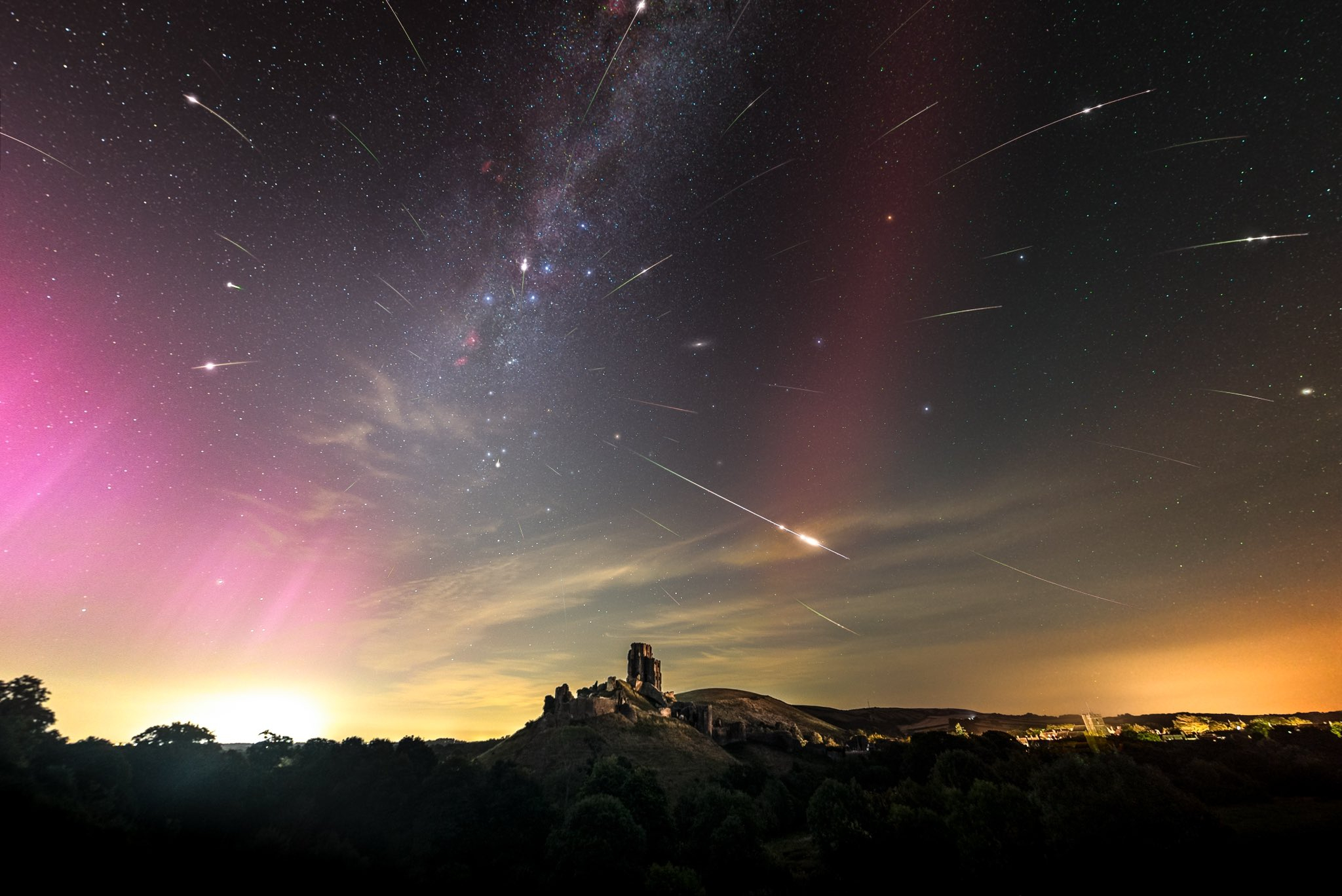
Lush Perseid Meteor Shower Reaches Peak: When And Where To Catch A Glimpse Wallpaper Concept
Find inspiration with this unique perseid meteor shower reaches peak: when and where to catch a glimpse illustration, crafted to provide a fresh look for your background.
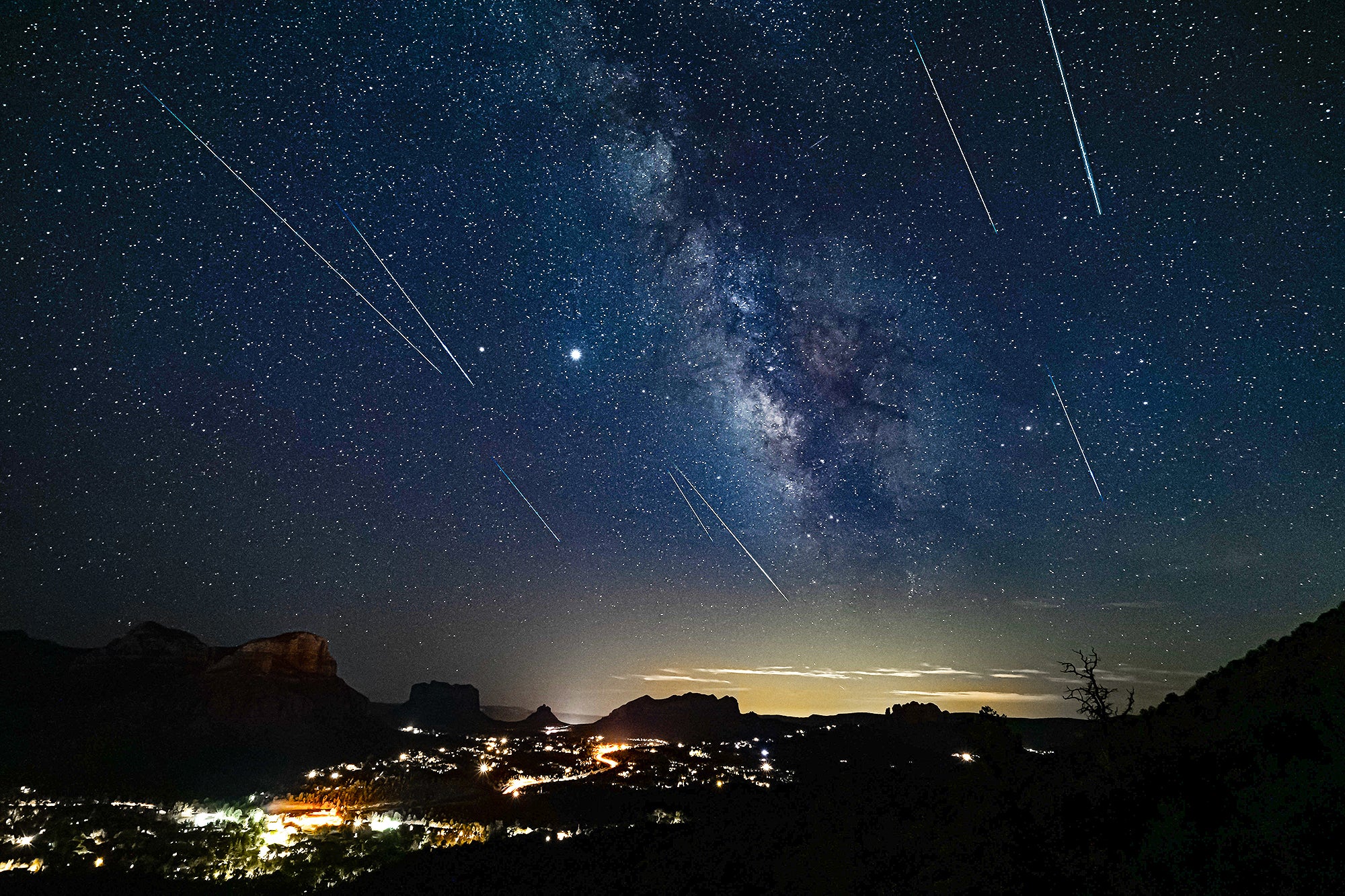
Detailed Perseid Meteor Shower Reaches Peak: When And Where To Catch A Glimpse Picture Collection
Explore this high-quality perseid meteor shower reaches peak: when and where to catch a glimpse image, perfect for enhancing your desktop or mobile wallpaper.
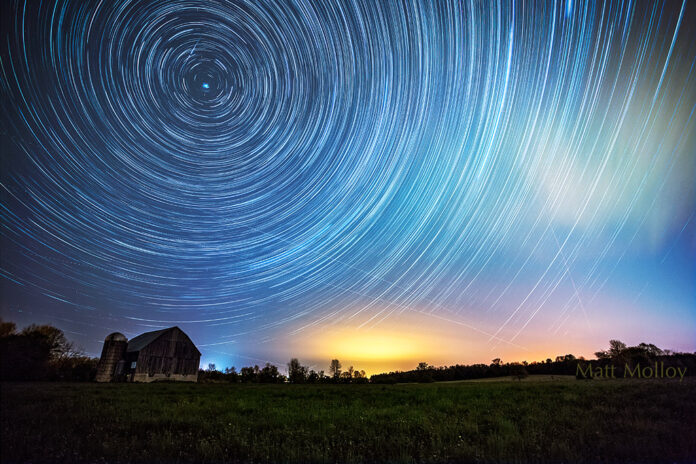
Stunning Perseid Meteor Shower Reaches Peak: When And Where To Catch A Glimpse View in 4K
A captivating perseid meteor shower reaches peak: when and where to catch a glimpse scene that brings tranquility and beauty to any device.
:max_bytes(150000):strip_icc():focal(761x314:763x316)/perseid-meteor-shower-4-080625-7abf71beaff740598f2ef03e1adc65fe.jpg "Gorgeous Perseid Meteor Shower Reaches Peak: When And Where To Catch A Glimpse Picture Digital Art")
Gorgeous Perseid Meteor Shower Reaches Peak: When And Where To Catch A Glimpse Picture Digital Art
A captivating perseid meteor shower reaches peak: when and where to catch a glimpse scene that brings tranquility and beauty to any device.
:max_bytes(150000):strip_icc()/TAL-perseid-meteor-shower-BSTMETEORSHWR0725-a8e1390ea4ff4cad8930e8311f0b637c.jpg "Serene Perseid Meteor Shower Reaches Peak: When And Where To Catch A Glimpse Artwork in 4K")
Serene Perseid Meteor Shower Reaches Peak: When And Where To Catch A Glimpse Artwork in 4K
Explore this high-quality perseid meteor shower reaches peak: when and where to catch a glimpse image, perfect for enhancing your desktop or mobile wallpaper.
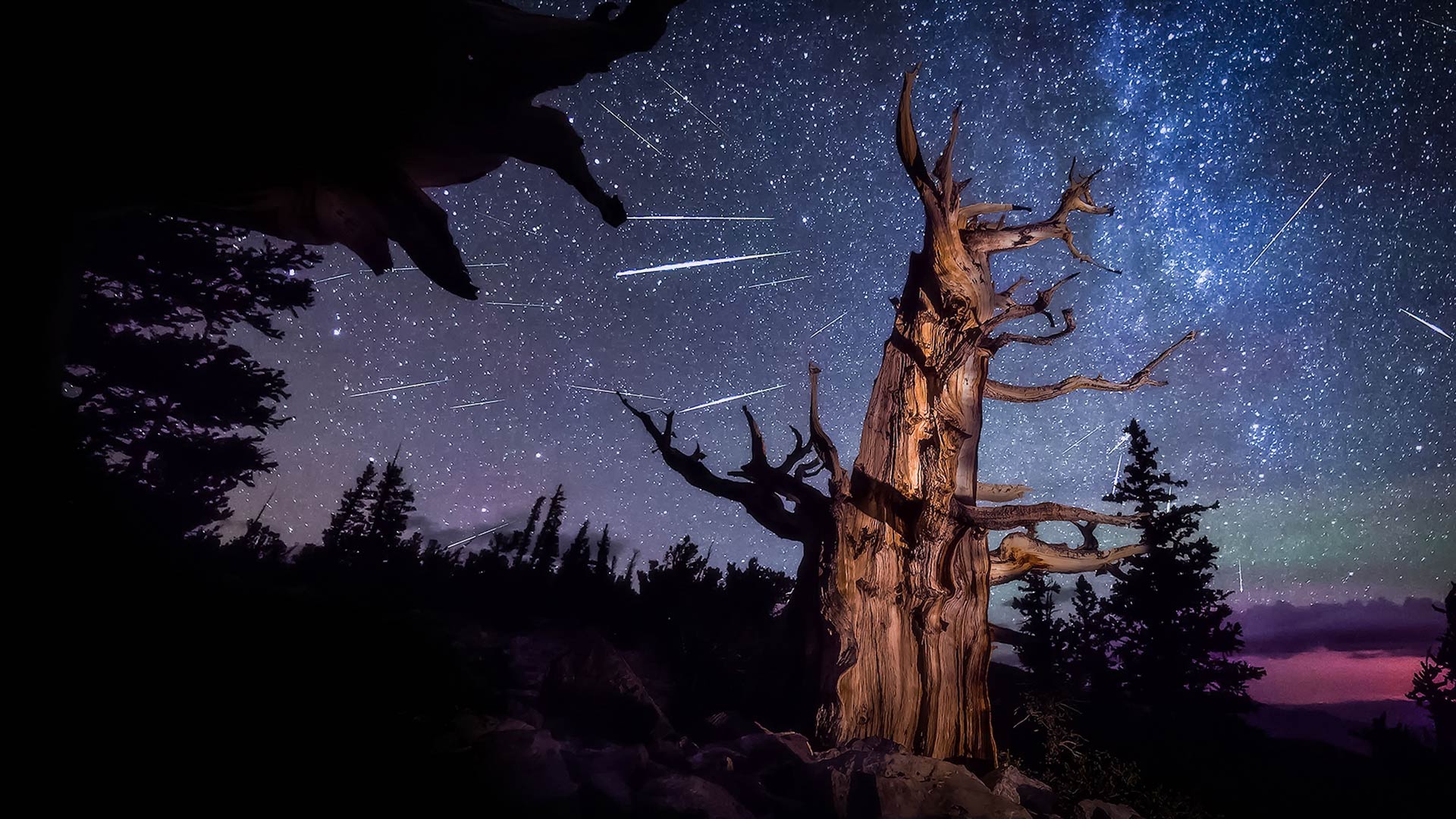
Lush Perseid Meteor Shower Reaches Peak: When And Where To Catch A Glimpse View in HD
This gorgeous perseid meteor shower reaches peak: when and where to catch a glimpse photo offers a breathtaking view, making it a perfect choice for your next wallpaper.
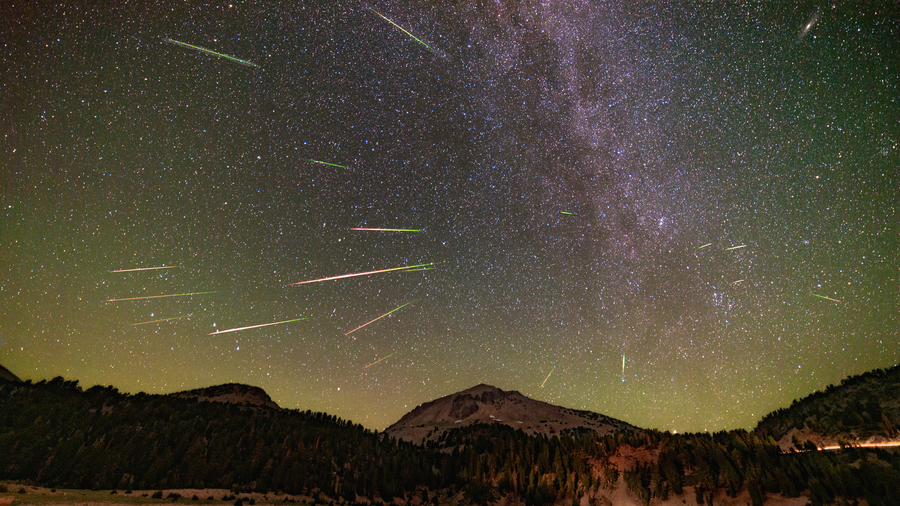
Detailed Perseid Meteor Shower Reaches Peak: When And Where To Catch A Glimpse Abstract Art
Discover an amazing perseid meteor shower reaches peak: when and where to catch a glimpse background image, ideal for personalizing your devices with vibrant colors and intricate designs.
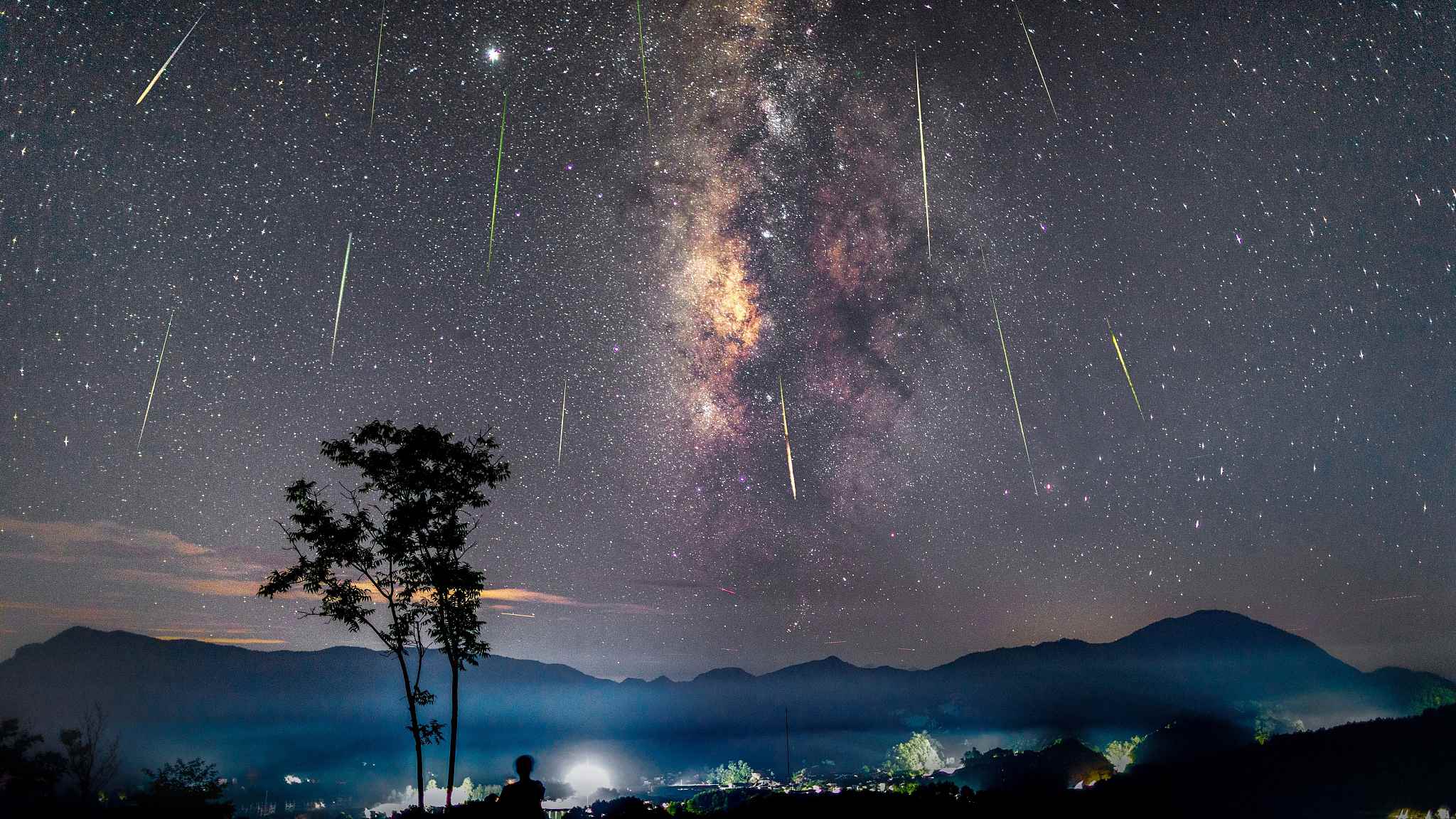
Artistic Perseid Meteor Shower Reaches Peak: When And Where To Catch A Glimpse Artwork Illustration
Find inspiration with this unique perseid meteor shower reaches peak: when and where to catch a glimpse illustration, crafted to provide a fresh look for your background.

Captivating Perseid Meteor Shower Reaches Peak: When And Where To Catch A Glimpse Design Photography
A captivating perseid meteor shower reaches peak: when and where to catch a glimpse scene that brings tranquility and beauty to any device.

Vibrant Perseid Meteor Shower Reaches Peak: When And Where To Catch A Glimpse Image in HD
Transform your screen with this vivid perseid meteor shower reaches peak: when and where to catch a glimpse artwork, a true masterpiece of digital design.
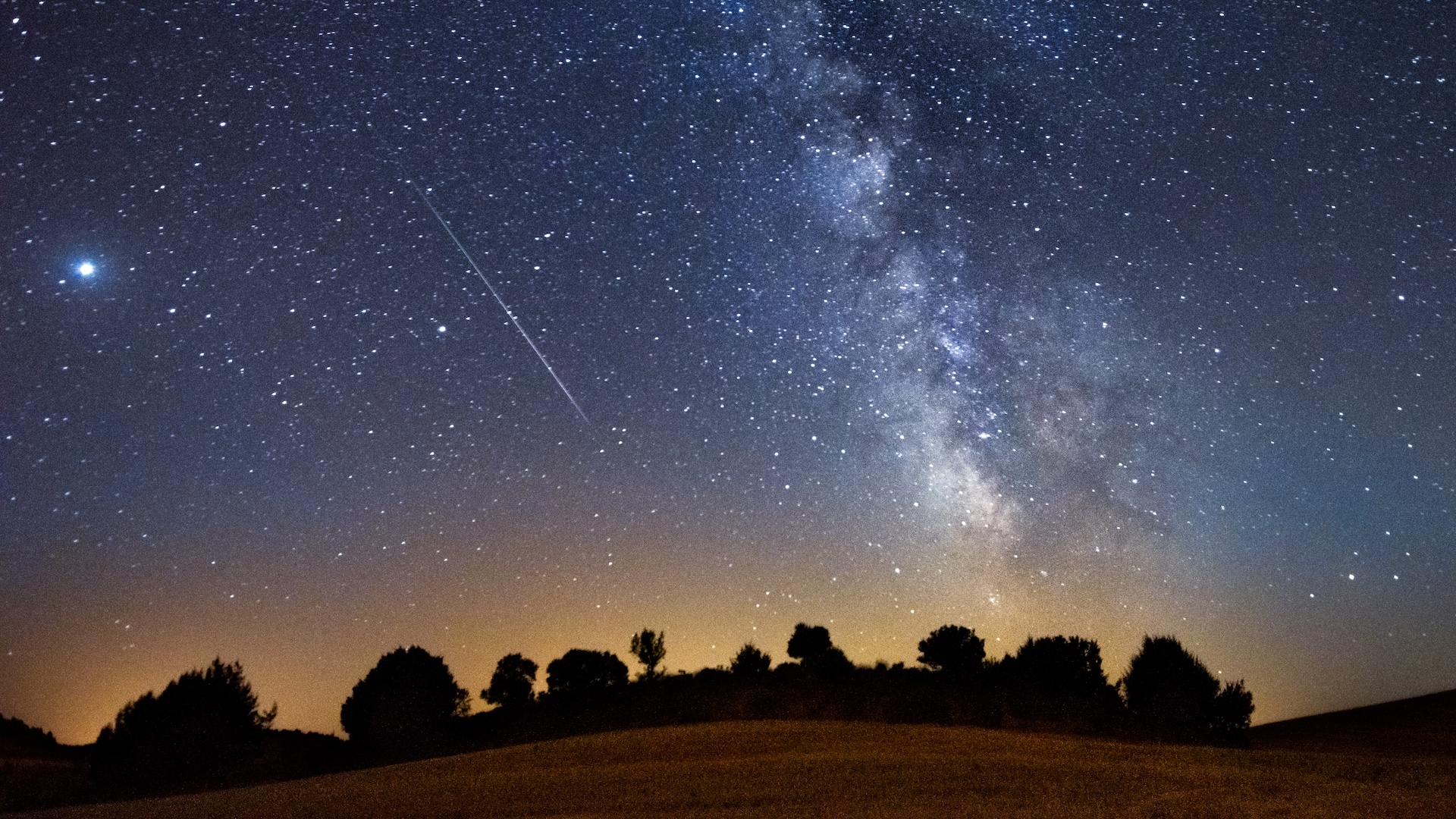
Crisp Perseid Meteor Shower Reaches Peak: When And Where To Catch A Glimpse Abstract for Desktop
A captivating perseid meteor shower reaches peak: when and where to catch a glimpse scene that brings tranquility and beauty to any device.
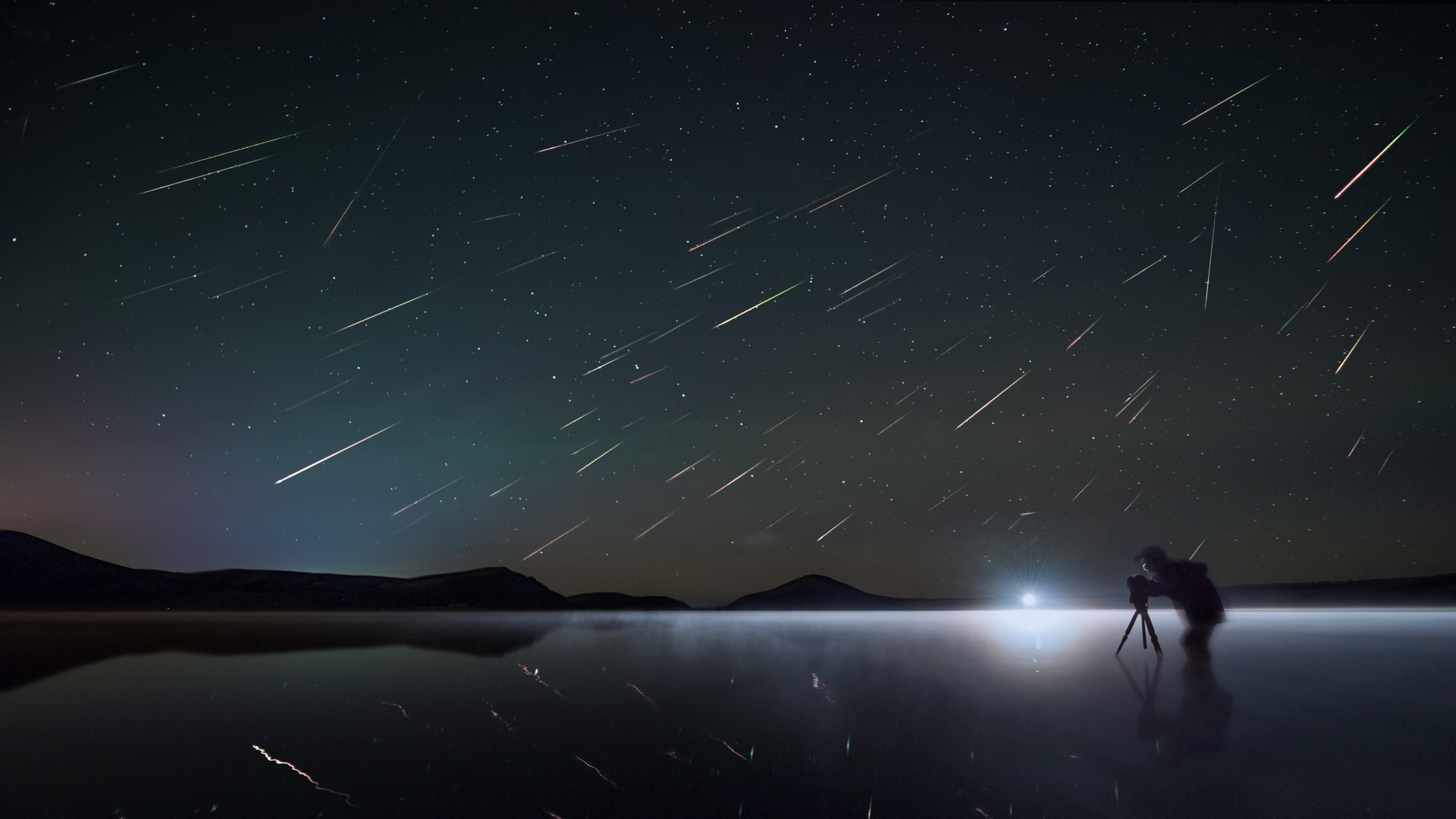
Beautiful Perseid Meteor Shower Reaches Peak: When And Where To Catch A Glimpse View for Mobile
Discover an amazing perseid meteor shower reaches peak: when and where to catch a glimpse background image, ideal for personalizing your devices with vibrant colors and intricate designs.

Crisp Perseid Meteor Shower Reaches Peak: When And Where To Catch A Glimpse Abstract for Desktop
Immerse yourself in the stunning details of this beautiful perseid meteor shower reaches peak: when and where to catch a glimpse wallpaper, designed for a captivating visual experience.
:max_bytes(150000):strip_icc()/TAL-perseid-meteor-shower-event-france-ASTROAUGUST0725-9651b20fbe714b7499d83d8f5c4cc66d.jpg "Serene Perseid Meteor Shower Reaches Peak: When And Where To Catch A Glimpse Moment for Mobile")
Serene Perseid Meteor Shower Reaches Peak: When And Where To Catch A Glimpse Moment for Mobile
Discover an amazing perseid meteor shower reaches peak: when and where to catch a glimpse background image, ideal for personalizing your devices with vibrant colors and intricate designs.
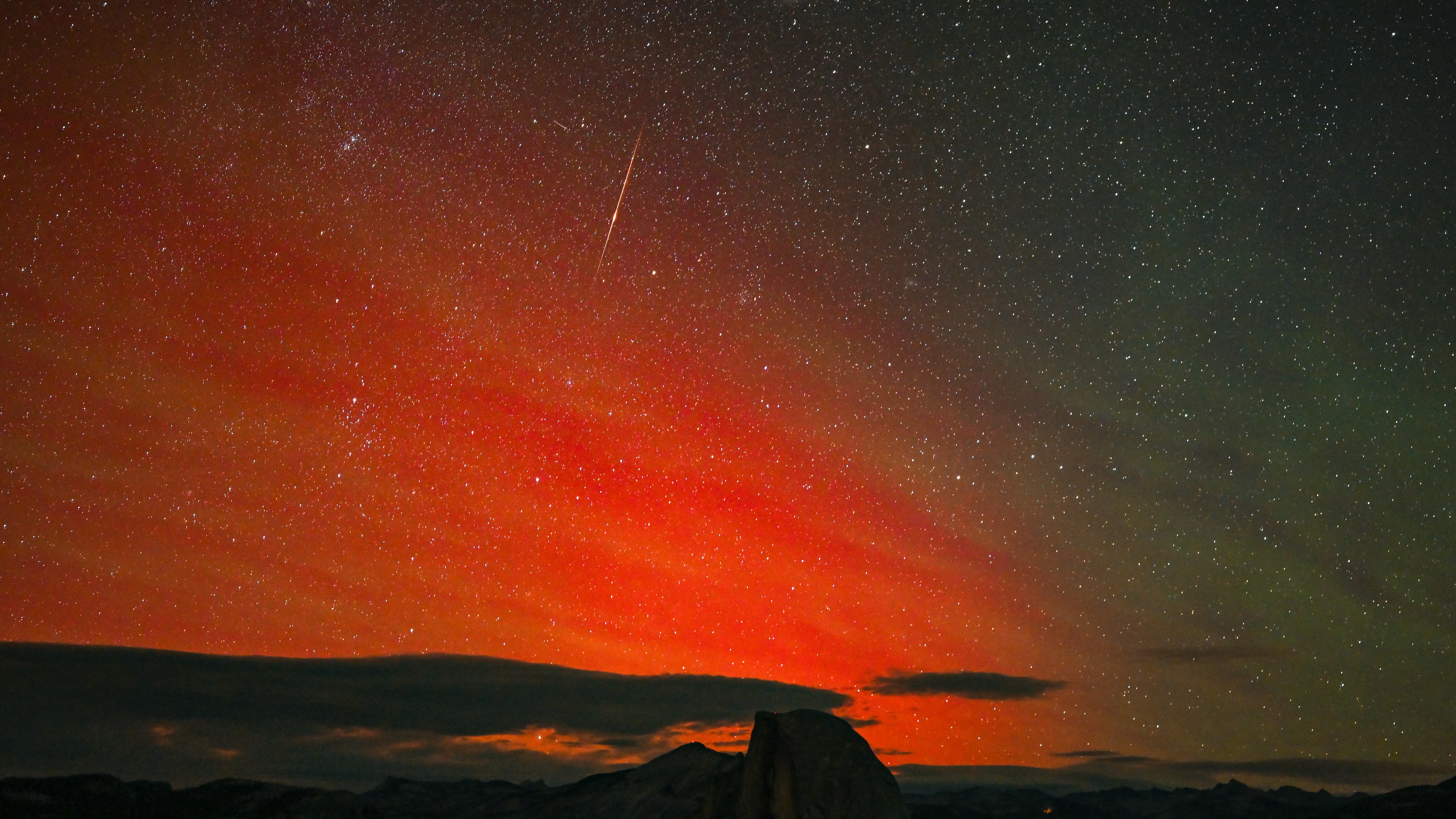
Vivid Perseid Meteor Shower Reaches Peak: When And Where To Catch A Glimpse Scene for Your Screen
Explore this high-quality perseid meteor shower reaches peak: when and where to catch a glimpse image, perfect for enhancing your desktop or mobile wallpaper.

Serene Perseid Meteor Shower Reaches Peak: When And Where To Catch A Glimpse Artwork in 4K
Transform your screen with this vivid perseid meteor shower reaches peak: when and where to catch a glimpse artwork, a true masterpiece of digital design.
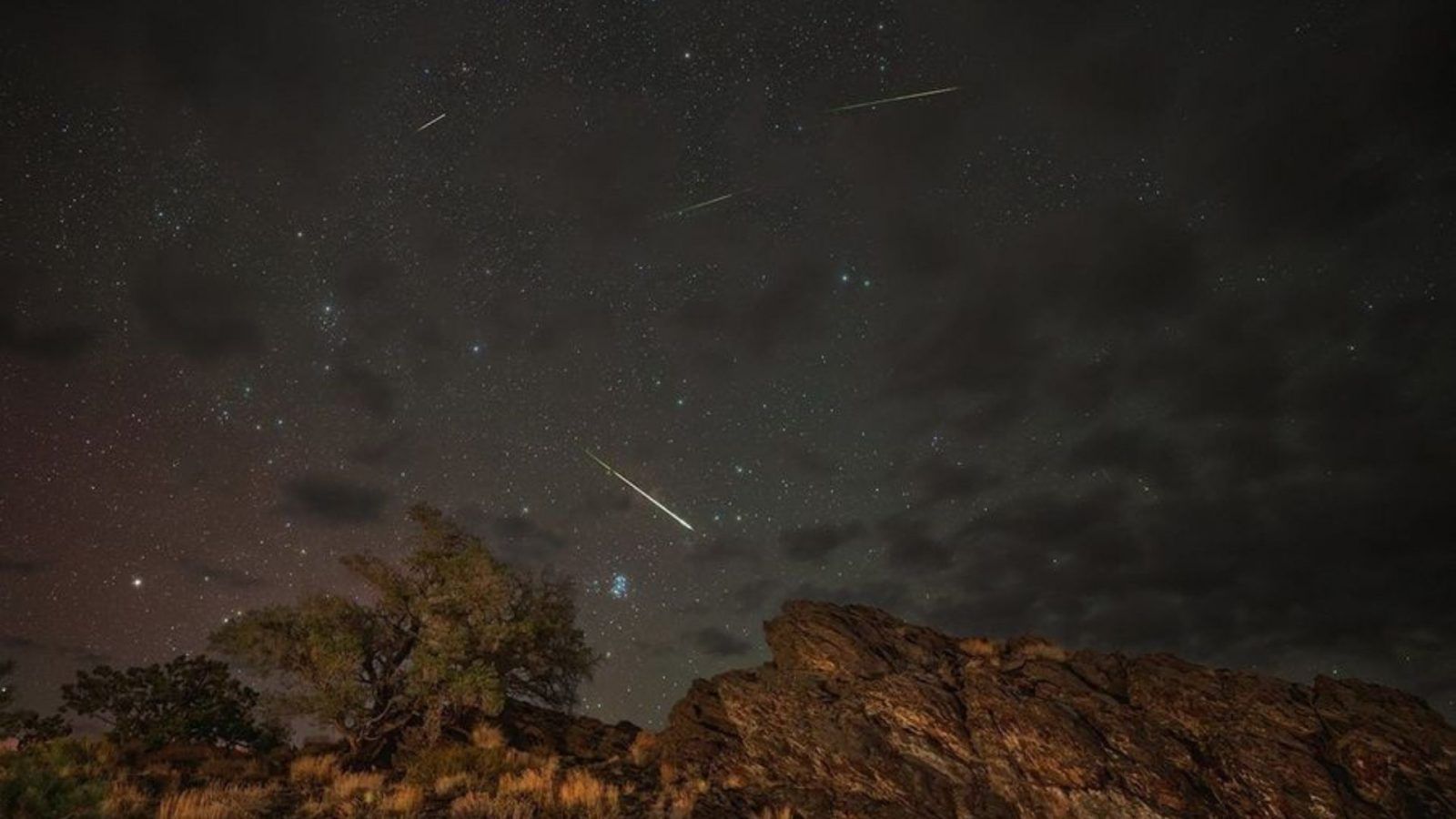
Vibrant Perseid Meteor Shower Reaches Peak: When And Where To Catch A Glimpse Design Photography
Transform your screen with this vivid perseid meteor shower reaches peak: when and where to catch a glimpse artwork, a true masterpiece of digital design.
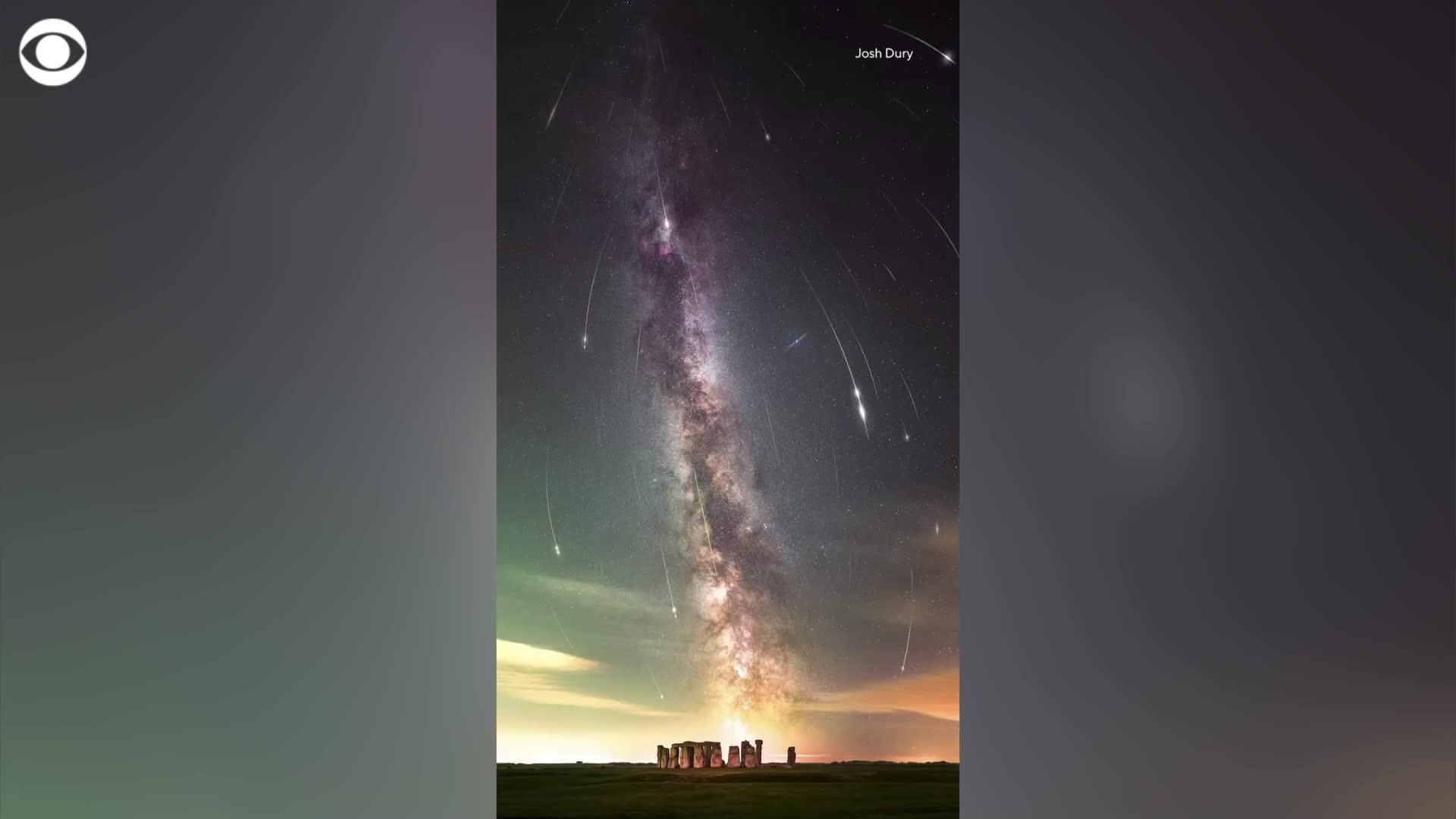
Spectacular Perseid Meteor Shower Reaches Peak: When And Where To Catch A Glimpse Abstract Collection
This gorgeous perseid meteor shower reaches peak: when and where to catch a glimpse photo offers a breathtaking view, making it a perfect choice for your next wallpaper.
:max_bytes(150000):strip_icc():focal(734x245:736x247)/Perseid-meteor-shower-081224-tout-a8fb7918843e418ea62511f1c4a79720.jpg "Serene Perseid Meteor Shower Reaches Peak: When And Where To Catch A Glimpse Abstract for Mobile")
Serene Perseid Meteor Shower Reaches Peak: When And Where To Catch A Glimpse Abstract for Mobile
Discover an amazing perseid meteor shower reaches peak: when and where to catch a glimpse background image, ideal for personalizing your devices with vibrant colors and intricate designs.
Download these perseid meteor shower reaches peak: when and where to catch a glimpse wallpapers for free and use them on your desktop or mobile devices.