How Much Gas Does A 3000 Watt Generator Use
How Much Gas Does a 3000 Watt Generator Use? A Complete Fuel Consumption Guide
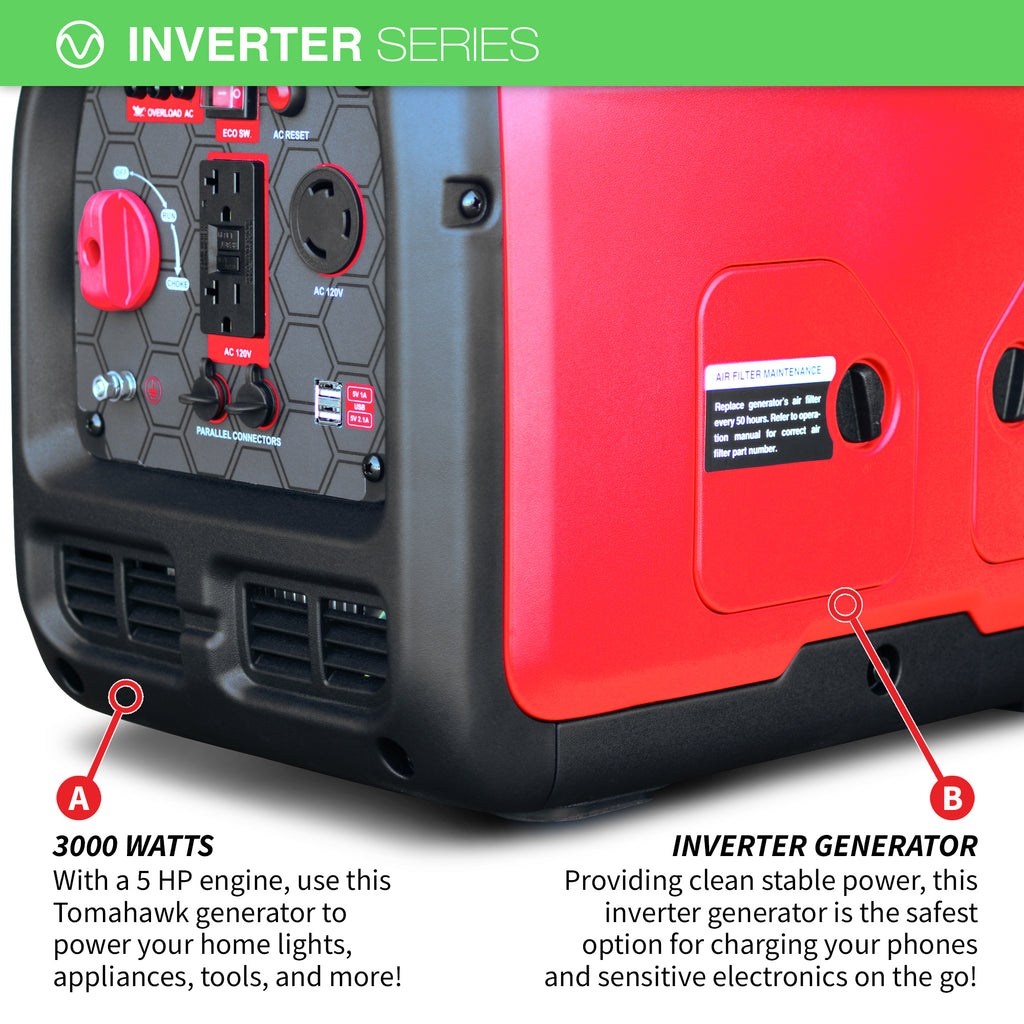
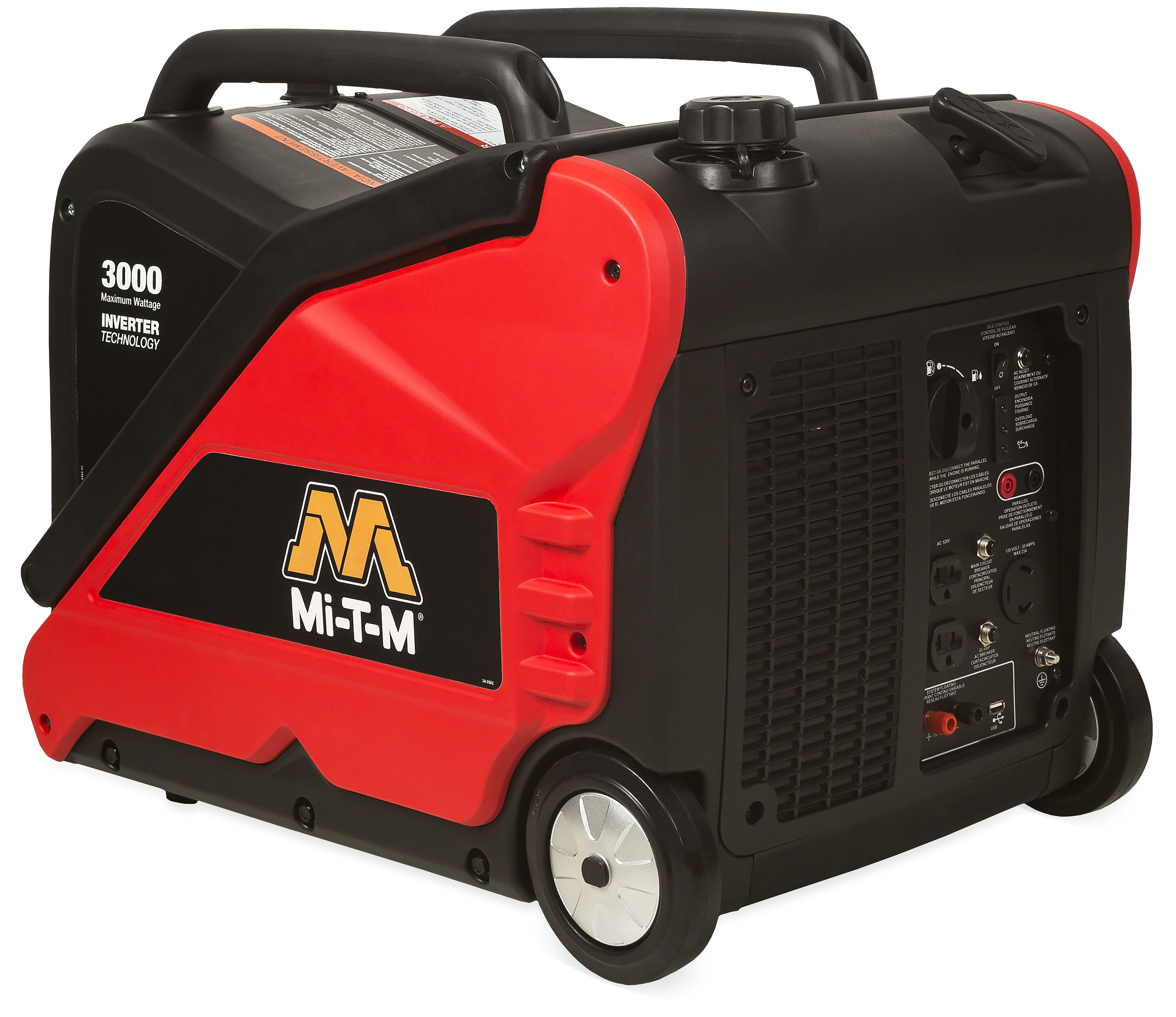
When preparing for a power outage, planning a camping trip, or setting up a mobile workstation, understanding your power source's efficiency is paramount. The 3000-watt generator is often considered the "sweet spot" for portable power—it is large enough to run essential household appliances like a refrigerator or a sump pump, yet small enough to remain portable. However, the most common question users ask is: "How much gas does a 3000-watt generator use?"
Fuel consumption is not a fixed number; it varies based on several technical and environmental factors. On average, a 3000-watt generator will consume between 0.2 and 0.5 gallons of gasoline per hour depending on the electrical load you apply. In this comprehensive guide, we will break down the variables that affect fuel efficiency, how to calculate your specific needs, and tips to extend your generator's runtime.
Understanding Fuel Consumption Rates
To determine how much gas your generator uses, you first need to understand the relationship between "load" and "fuel burn." A generator’s engine must work harder to maintain the required voltage as you plug in more appliances. This is similar to a car using more fuel when driving uphill or carrying heavy cargo.
For most 3000-watt units, manufacturers provide runtime estimates based on a 25% or 50% load. If you are running a 3000-watt generator at its maximum capacity, you can expect the fuel consumption to double compared to running it at a quarter load. Typically, a high-quality 3000-watt inverter generator with a 2.5-to-3-gallon tank can run for approximately 8 to 12 hours at a 25% load.
Average Consumption by Load Level
- Light Load (25% / 750 Watts): Approximately 0.2 to 0.25 gallons per hour.
- Medium Load (50% / 1500 Watts): Approximately 0.3 to 0.35 gallons per hour.
- Heavy Load (100% / 3000 Watts): Approximately 0.5 to 0.6 gallons per hour.
Key Factors Influencing Generator Fuel Efficiency
While the load is the primary driver of fuel usage, several other factors play a significant role in how quickly you will empty your gas can.
1. Inverter vs. Conventional Generators
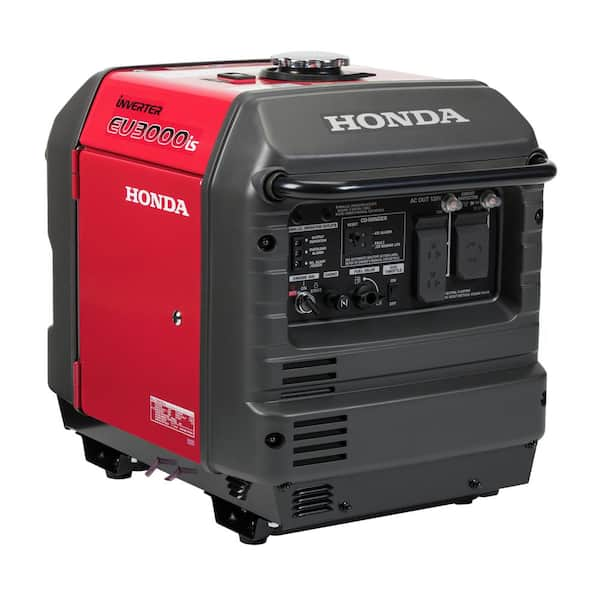
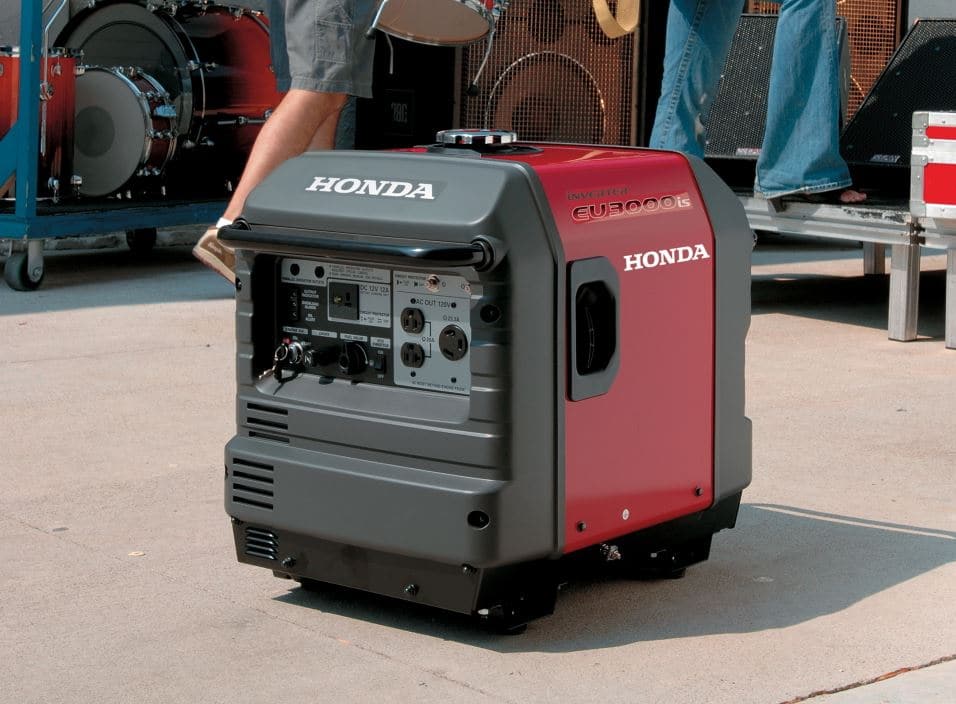
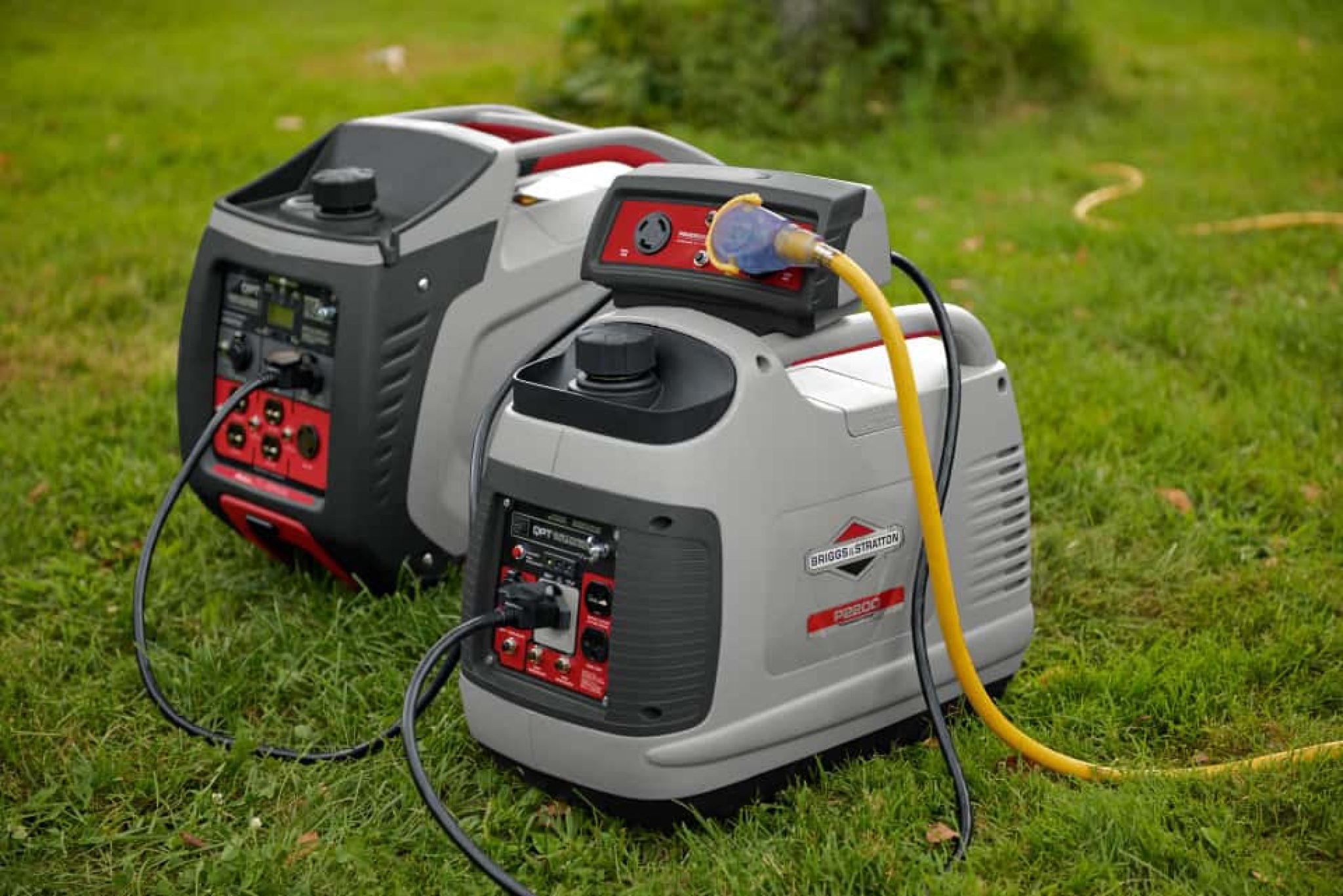
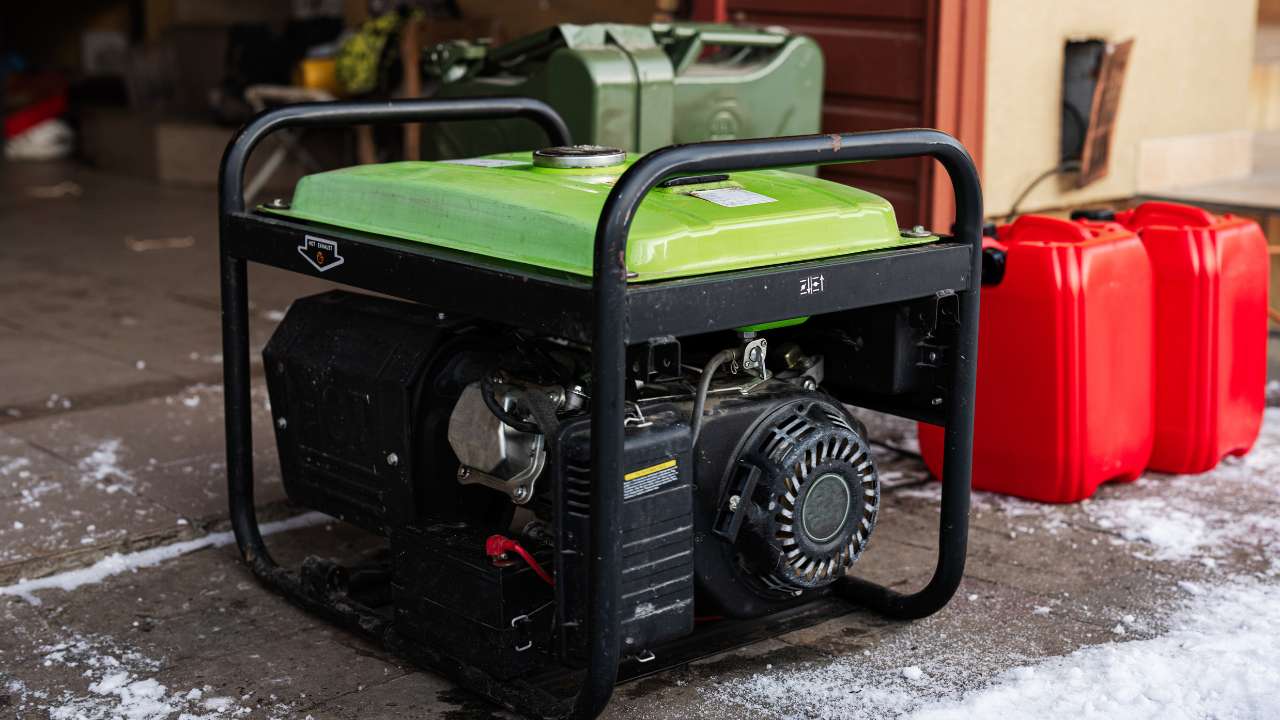
The type of generator you own is the biggest factor outside of the load. Inverter generators (like the Honda EU3000iS or Predator 3500) are significantly more fuel-efficient than traditional open-frame models. Inverters use "Eco-Throttle" technology, allowing the engine to slow down when the demand is low. Conventional generators must run at a constant 3600 RPM to maintain 60Hz frequency, regardless of whether you are charging a phone or running a microwave.
2. Engine Maintenance
A poorly maintained engine is a thirsty engine. Dirty air filters restrict airflow, causing the engine to run "rich" (too much fuel, not enough air). Old spark plugs can lead to incomplete combustion, and old oil increases internal friction. Regular maintenance can improve fuel efficiency by as much as 10-15%.
3. Fuel Quality and Type
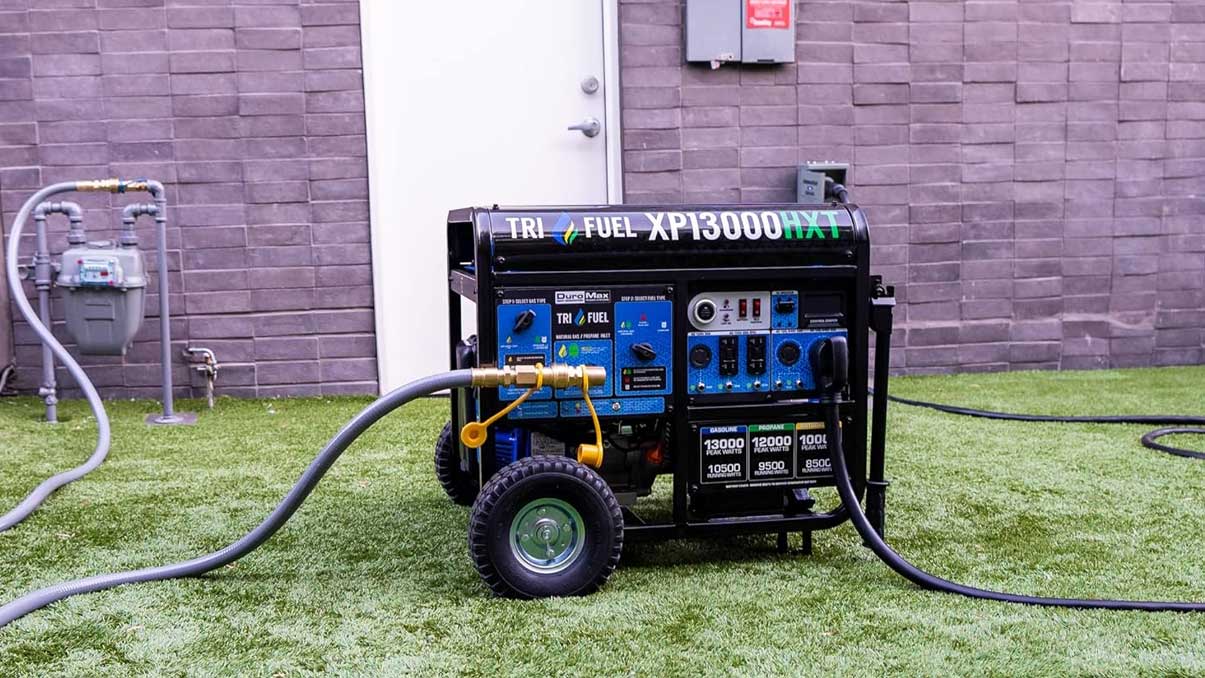
The type of gas you put in the tank matters. Gasoline with high ethanol content (E15 or higher) burns faster and produces less energy per gallon than pure gasoline. Furthermore, if you are using a dual-fuel generator, keep in mind that propane is less energy-dense than gasoline; you will typically see a 10-20% decrease in runtime when switching from gas to liquid propane (LPG).
| Feature/Aspect | Description |
|---|---|
| Average GPH (50% Load) | 0.3 - 0.35 Gallons Per Hour |
| Standard Tank Size | 2.5 to 4.0 Gallons (varies by model) |
| Runtime at 25% Load | 10 to 20 Hours (depending on tank capacity) |
| Fuel Type Efficiency | Gasoline is most efficient; Propane has ~10% less energy density. |
| Best Efficiency Mode | Eco-Mode / Smart-Throttle (available on Inverters) |
How to Calculate Your Expected Fuel Cost
If you are planning for an extended outage, calculating the cost of operation is a smart financial move. Let’s look at a hypothetical scenario: You have a 3000-watt generator running at a 50% load to power your fridge, some LED lights, and a TV.
If the generator uses 0.33 gallons per hour and gas costs $3.50 per gallon, your hourly cost is roughly $1.15. If you run the generator for 12 hours a day, you are looking at $13.80 per day in fuel costs. For a week-long emergency, you would need roughly 28 gallons of fuel, costing approximately $98. Knowing these numbers allows you to stockpile the correct amount of fuel and stabilize it with additives for long-term storage.
Tips to Maximize Fuel Efficiency in Your 3000-Watt Generator
Efficiency isn't just about the machine; it's about how you manage your power. Use these professional strategies to get the most "bang for your buck" at the pump:
- Prioritize Loads: Do not run everything at once. Use your generator to cool the refrigerator for a few hours, then unplug it to run a well pump or space heater. Reducing the constant load saves significant fuel.
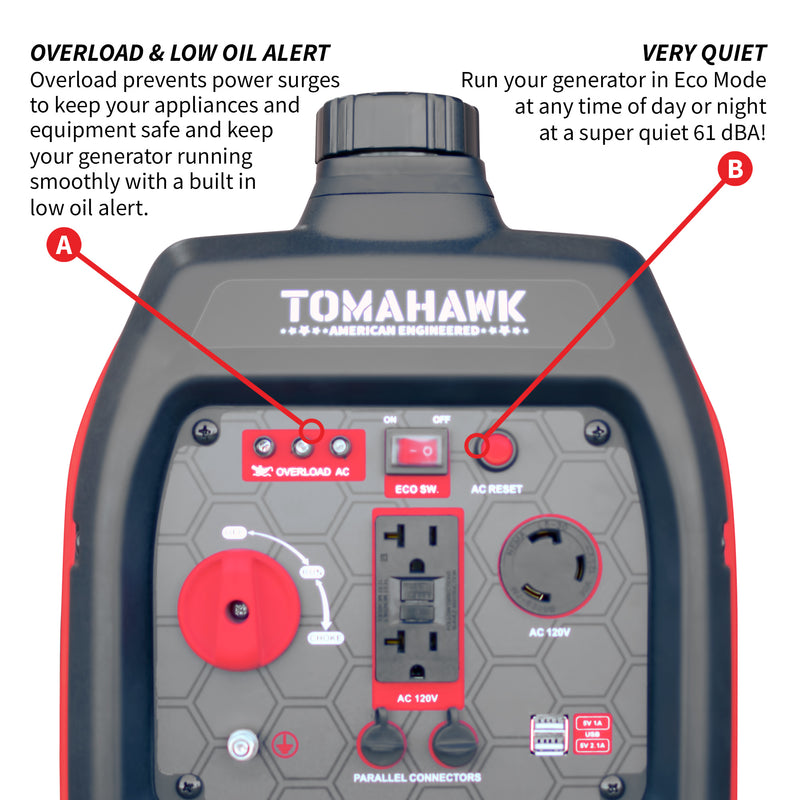
- Enable Eco-Mode: If you own an inverter generator, always keep the "Eco" or "Smart" throttle engaged unless you are starting a high-surge appliance (like an air conditioner).
- Use High-Quality Oil: Synthetic oils reduce internal engine friction, which can marginally improve fuel consumption and significantly extend the life of the engine.
- Keep it Level: Operating a generator on an incline can affect the carburetor’s float and fuel delivery, leading to inefficient combustion.
Common Comparisons: 3000W vs. Other Sizes
Why choose a 3000W unit? When compared to a 2000W generator, the 3000W unit often provides a larger fuel tank, meaning you won't have to wake up at 3:00 AM to refuel. Compared to a 5000W or 7500W unit, the 3000W generator is much more fuel-efficient for smaller loads. A 7500W generator might burn 0.6 gallons per hour even with almost no load, whereas the 3000W inverter will sip fuel at a much lower rate.
FAQs About 3000 Watt Generator Fuel Use
Q1: How long will a 3000-watt generator run on 5 gallons of gas?
A: On average, at a 50% load (1500 watts), a 3000-watt generator will run for about 15 to 16 hours on 5 gallons of gas. At a very light load, it could last up to 25 hours.
Q2: Does the altitude affect fuel consumption?
A: Yes. At higher altitudes, the air is thinner, which can cause the engine to run "rich." This reduces power output and can increase fuel consumption unless the carburetor is jetted for high-altitude use.
Q3: Can I use E85 fuel in my portable generator?
A: No. Most portable generators are designed for gasoline with a maximum of 10% ethanol (E10). Using E85 can damage the engine and fuel lines, and it will drastically reduce your fuel efficiency.
Conclusion
A 3000-watt generator is an excellent investment for versatile power needs, balancing portability with capability. On average, you should budget for 0.3 to 0.4 gallons of gas per hour for typical use. By choosing an inverter model, performing regular maintenance, and managing your electrical loads strategically, you can maximize your fuel efficiency and ensure that your power stays on when you need it most.
Always remember to prioritize safety: never refuel a hot generator, and always store your gasoline in approved containers with fuel stabilizer if you plan to keep it for more than 30 days. With the right preparation, your 3000-watt generator will be a reliable, cost-effective partner for all your off-grid or emergency power needs.