What Is Hedging In Banking Terms
What Is Hedging In Banking Terms? A Comprehensive Guide to Risk Management
In the volatile world of global finance, uncertainty is the only constant. For banks and financial institutions, fluctuations in interest rates, currency exchange values, and commodity prices can lead to significant financial losses if left unmanaged. This is where the concept of hedging comes into play. If you have ever wondered, "What is hedging in banking terms?" think of it as a sophisticated insurance policy designed to protect a financial portfolio from adverse market movements.
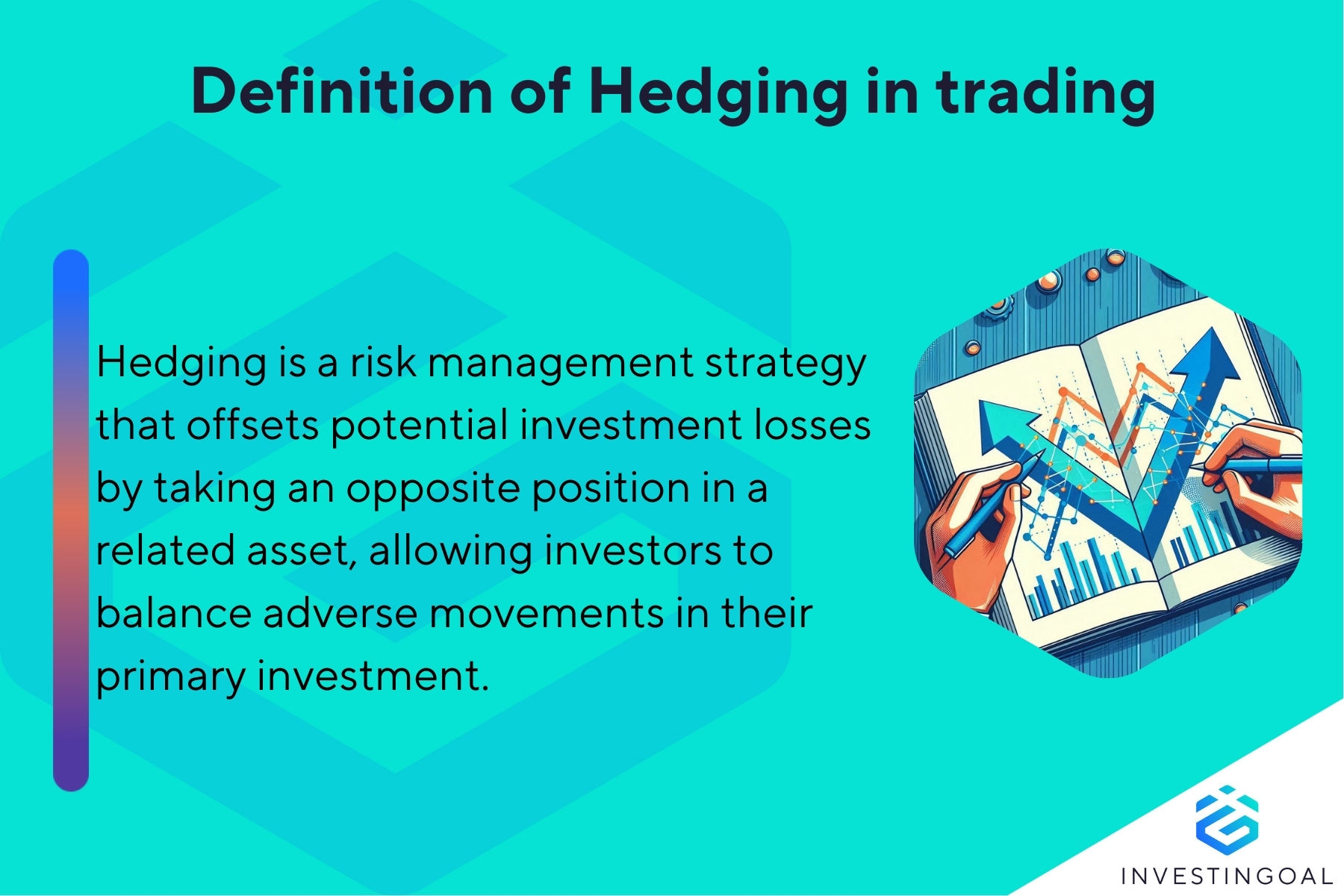
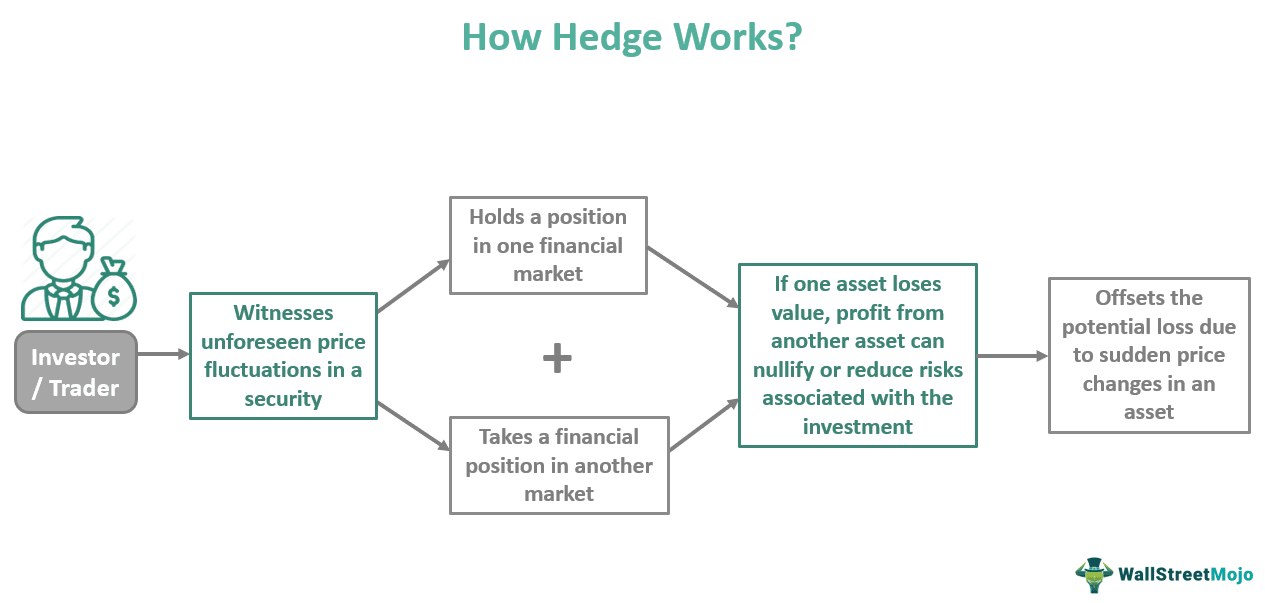
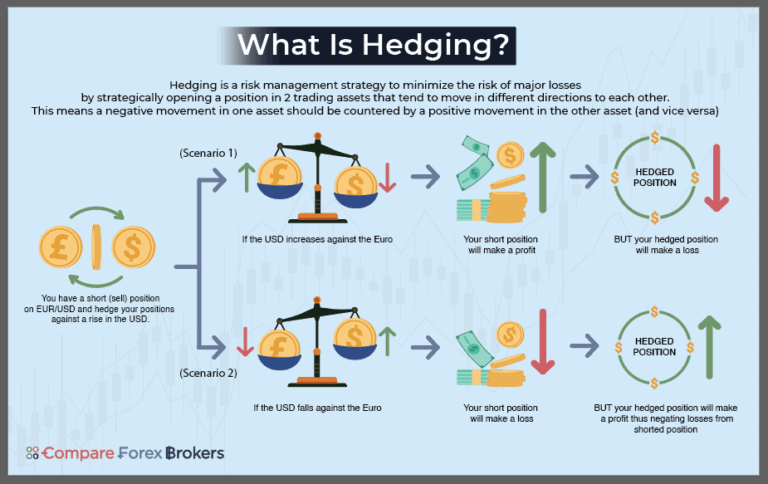
At its core, hedging is a risk management strategy used to offset potential losses in one investment by taking a contrary position in a related asset. In the banking sector, hedging is not about generating profit; rather, it is about creating stability and predictability in a bank's balance sheet. By utilizing various financial instruments, banks can ensure that even if the market moves against them, the impact on their capital remains controlled.
How Hedging Works in the Banking Industry
To understand hedging, one must understand the relationship between different financial variables. Banks deal with massive amounts of debt, deposits, and international transactions daily. Each of these activities carries an inherent risk. For instance, if a bank lends money at a fixed interest rate but pays its depositors at a variable rate, an increase in market interest rates could shrink the bank's profit margins.
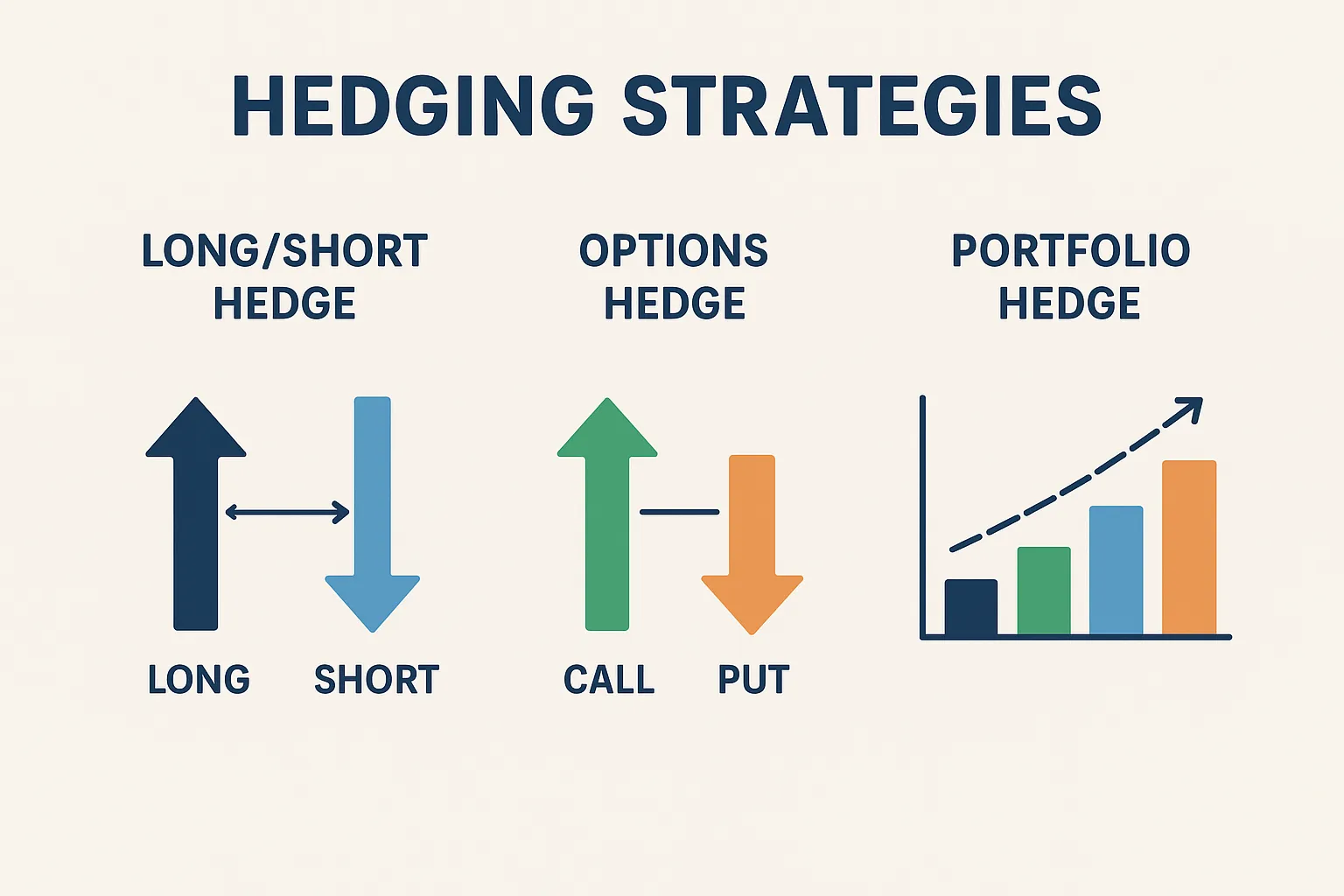
To mitigate this, the bank enters into a "hedge." This usually involves the use of derivatives—financial contracts whose value is derived from an underlying asset, index, or interest rate. By entering a derivative contract that gains value when interest rates rise, the bank can use those gains to offset the losses incurred from its lending activities. This "balancing act" is the fundamental mechanism of hedging in banking terms.
Common Financial Instruments Used for Hedging
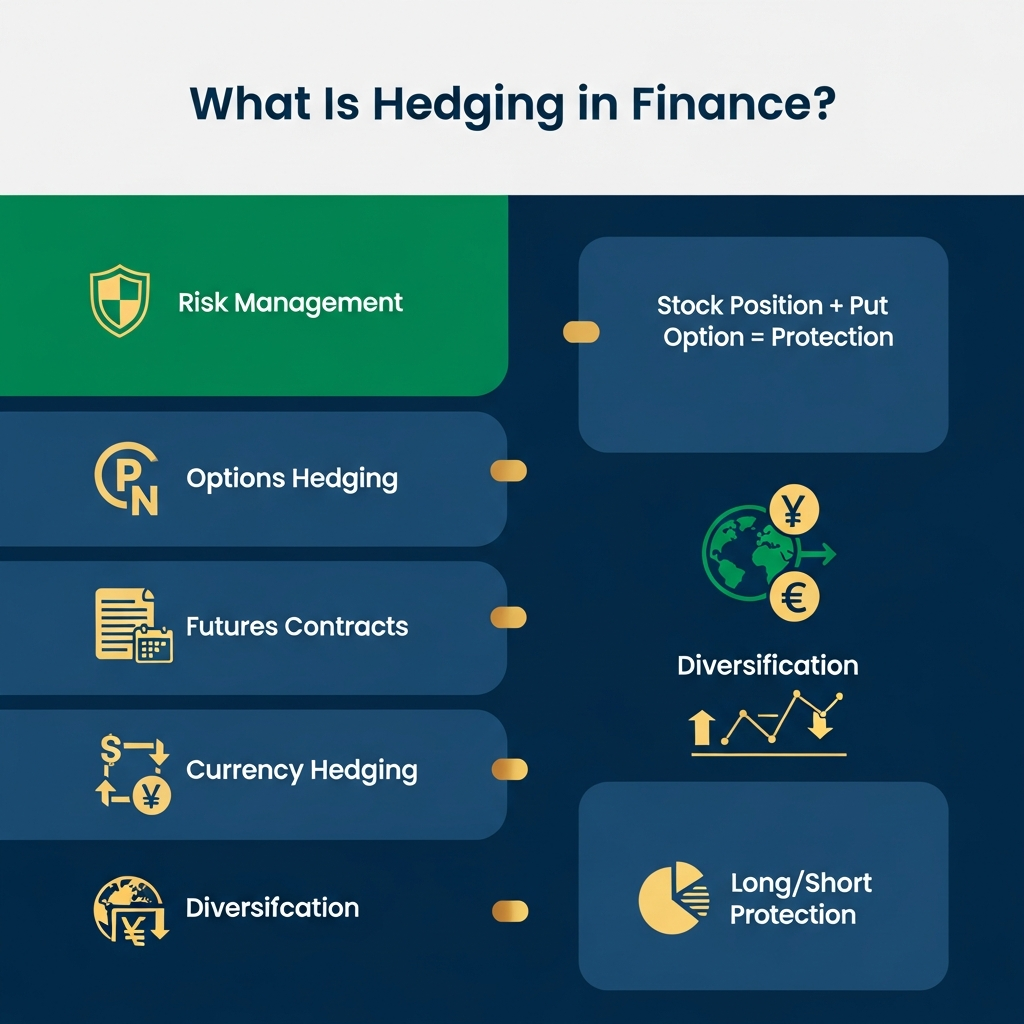
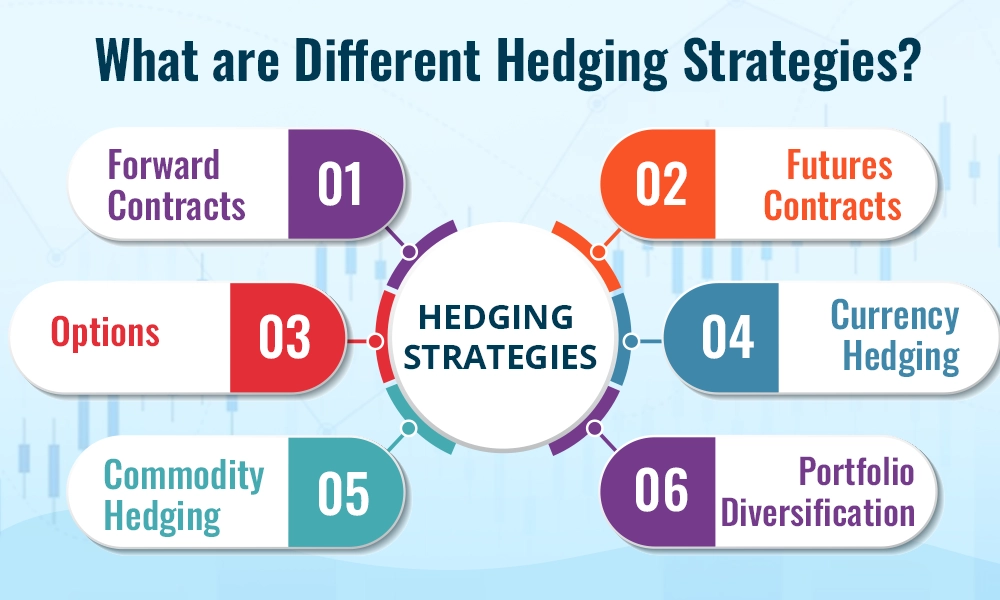
Banks do not simply "buy a hedge" off a shelf. They utilize a variety of complex financial tools tailored to their specific risk exposure. The most common instruments include:
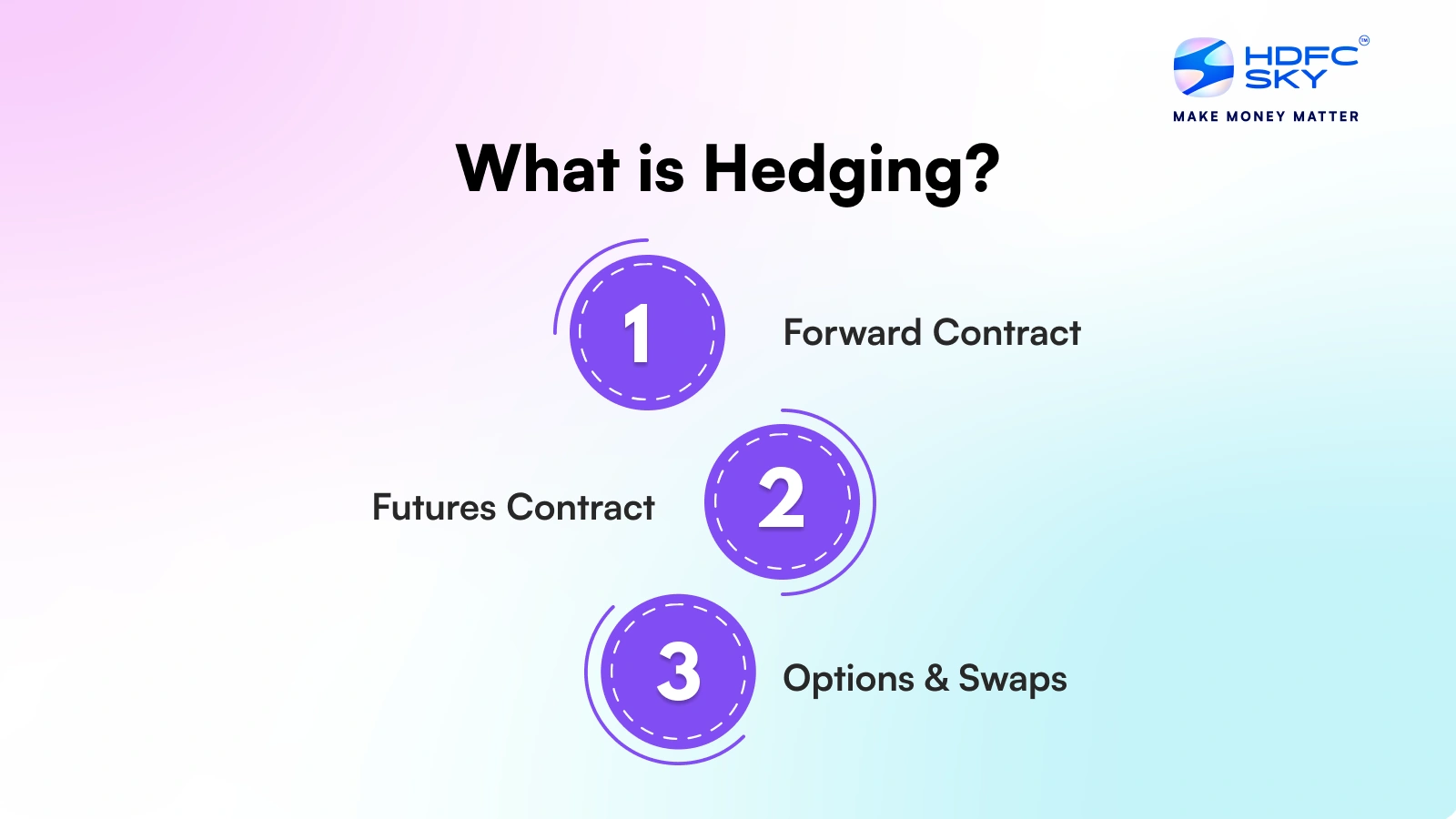
1. Forward Contracts
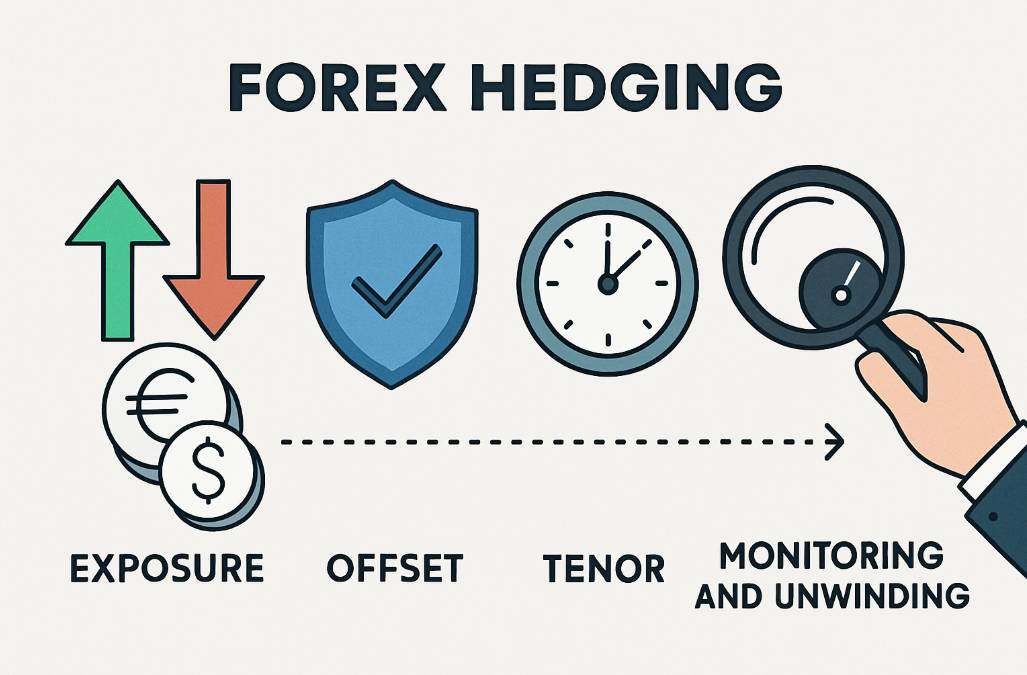
A forward contract is a customized agreement between two parties to buy or sell an asset at a specified price on a future date. In banking, these are frequently used to hedge against currency fluctuations. If a bank knows it will receive a payment in Euros three months from now, it can enter a forward contract to lock in the current exchange rate, protecting itself from a potential drop in the Euro's value.
2. Futures Contracts
Similar to forwards, futures are agreements to buy or sell assets in the future. However, futures are standardized and traded on public exchanges. Because they are highly liquid, banks use them to hedge against changes in interest rates or the price of treasury bonds.
3. Options
Options give the bank the right, but not the obligation, to buy (call option) or sell (put option) an underlying asset at a predetermined price. This provides more flexibility than a forward or future. If the market moves in the bank's favor, they can let the option expire and take the market profit; if it moves against them, they exercise the option to limit their loss.
4. Swaps
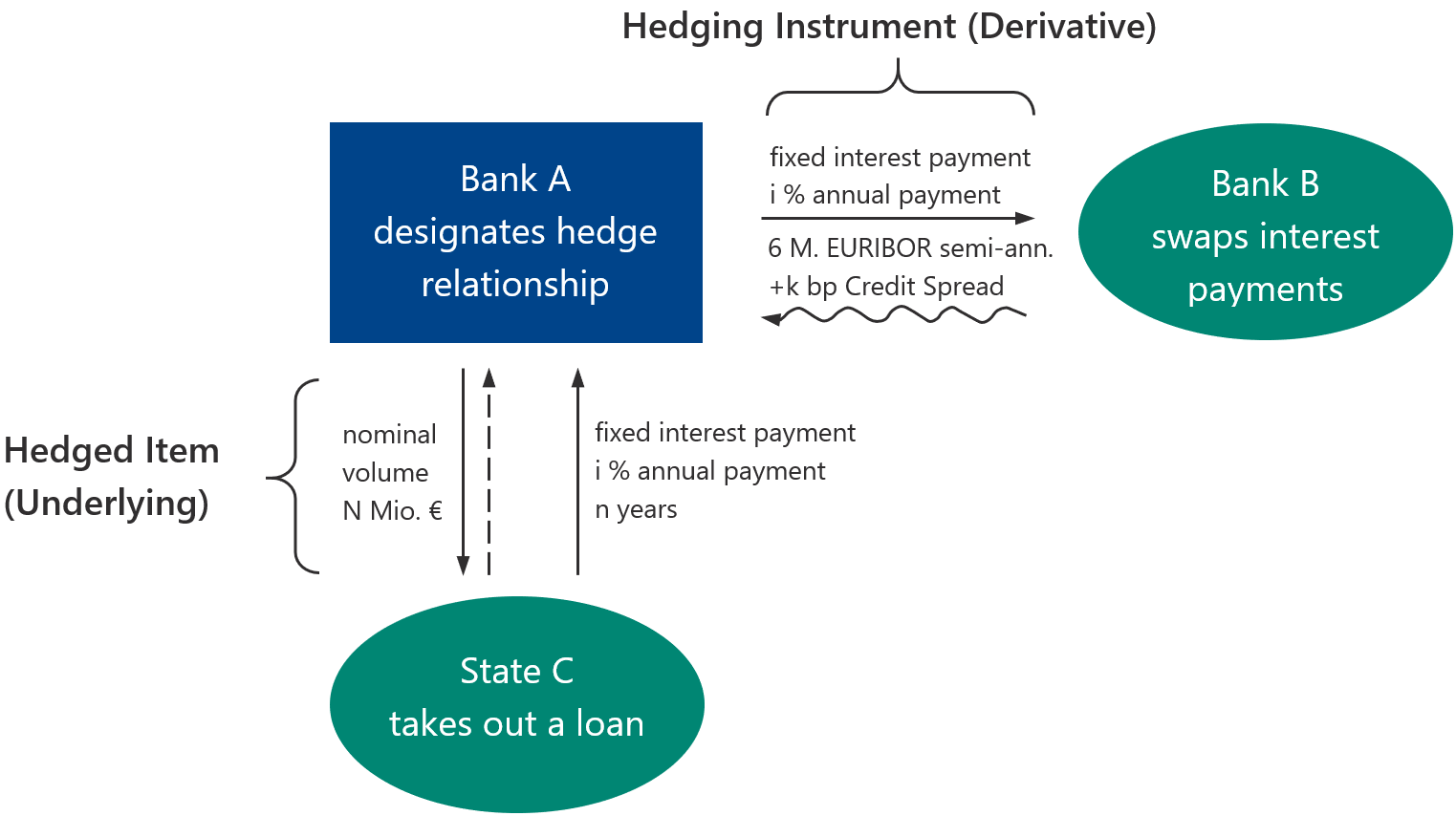
Interest rate swaps are perhaps the most common hedging tool in commercial banking. In a swap, two parties exchange cash flows. For example, a bank might swap a variable-rate payment stream for a fixed-rate one to protect itself from rising interest rates. This ensures that their liabilities remain predictable regardless of market volatility.
Understanding the Key Components of Hedging
To better visualize how hedging is structured within a financial institution, the following table outlines the primary aspects involved in the process:
| Fitur/Aspek | Deskripsi |
|---|---|
| Primary Objective | To reduce or eliminate the risk of price/rate fluctuations. |
| Main Instruments | Derivatives such as Swaps, Options, Forwards, and Futures. |
| Cost Factor | Hedging involves costs like premiums, commissions, and spreads. |
| Risk Relationship | It involves taking a position negatively correlated with the current risk. |
| Regulatory Oversight | Heavily regulated under frameworks like Basel III to ensure stability. |
Why Banks Must Prioritize Hedging Strategies
Hedging is not just a choice for modern banks; it is often a regulatory and operational necessity. Here are three primary reasons why hedging is critical:
Managing Interest Rate Risk
Banks earn money through the "spread"—the difference between the interest they pay on deposits and the interest they charge on loans. Because these rates change at different times and magnitudes, banks face "gap risk." Hedging allows banks to lock in margins and protect their Net Interest Income (NII).
Currency and Forex Protection
In an era of globalized banking, institutions often hold assets and liabilities in multiple currencies. A sudden devaluation of a foreign currency can wipe out millions in asset value. By hedging via foreign exchange (FX) forwards, banks can operate internationally without fearing day-to-day currency swings.
Credit Risk Mitigation
While hedging usually refers to market risks, banks also use "Credit Default Swaps" (CDS) to hedge against the risk of a borrower defaulting. In this scenario, the bank pays a premium to another party, who agrees to compensate the bank if the borrower fails to repay a loan.
Hedging vs. Speculation: A Crucial Distinction
It is easy to confuse hedging with speculation, as both involve derivatives. However, their goals are polar opposites. A speculator takes on risk in hopes of making a significant profit from price changes. A hedger, on the other hand, seeks to get rid of risk. For a bank, the ideal hedge is one where the loss in the physical market is exactly offset by the gain in the derivative market, resulting in a "net-zero" change. While this means the bank misses out on potential windfall profits, it ensures the bank remains solvent and stable during economic downturns.
The Challenges and Limitations of Hedging
Despite its benefits, hedging is not a perfect science. One of the main challenges is Basis Risk—the risk that the hedging instrument does not move in perfect synchronization with the asset being protected. For example, if a bank hedges a portfolio of corporate bonds using Treasury futures, the two may behave differently during a credit crisis.
Furthermore, hedging is expensive. Much like paying for car insurance, the cost of premiums and transaction fees can eat into a bank's overall profitability. Financial institutions must constantly perform cost-benefit analyses to determine if the cost of the hedge is worth the protection it provides.
Frequently Asked Questions (FAQ)
1. Is hedging the same as insurance?
Conceptually, yes. Both are designed to protect against potential losses. However, while insurance protects against specific events (like a fire or theft), hedging protects against financial market movements (like interest rate hikes or currency drops).
2. Can a hedge actually cause a loss?
Yes. If the market moves in a favorable direction, the "hedge" will lose money. However, this loss is usually offset by the gain in the underlying asset. The goal of a hedge is stability, not profit maximization.
3. What is "Natural Hedging" in banking?
Natural hedging occurs when a bank’s internal operations balance out risk without using external derivatives. For example, if a bank has $1 million in liabilities in Euros and $1 million in assets in Euros, the currency risk is naturally hedged.
4. Does every bank use hedging?
Almost all modern commercial and investment banks use some form of hedging. Large global banks have entire departments dedicated to "Treasury and Risk Management" focused solely on these strategies.
Conclusion
Understanding "what is hedging in banking terms" is essential for anyone looking to grasp the complexities of the modern financial system. Hedging serves as the fundamental bedrock of institutional stability, allowing banks to navigate the turbulent waters of interest rate shifts, currency devaluations, and market volatility. While it comes with costs and requires sophisticated mathematical modeling, the protection it offers is indispensable.
By effectively using tools like swaps, futures, and options, banks can focus on their core mission—lending and facilitating economic growth—without being paralyzed by the fear of market fluctuations. In the end, a well-executed hedging strategy doesn't just protect the bank; it protects the depositors and the broader economy from systemic shocks.
What Is Hedging In Banking Terms
What Is Hedging In Banking Terms Wallpapers
Collection of what is hedging in banking terms wallpapers for your desktop and mobile devices.
Spectacular What Is Hedging In Banking Terms Scene for Desktop
A captivating what is hedging in banking terms scene that brings tranquility and beauty to any device.
Artistic What Is Hedging In Banking Terms Landscape in 4K
Find inspiration with this unique what is hedging in banking terms illustration, crafted to provide a fresh look for your background.
Serene What Is Hedging In Banking Terms Capture Photography
Discover an amazing what is hedging in banking terms background image, ideal for personalizing your devices with vibrant colors and intricate designs.
Beautiful What Is Hedging In Banking Terms Photo Collection
Experience the crisp clarity of this stunning what is hedging in banking terms image, available in high resolution for all your screens.
Mesmerizing What Is Hedging In Banking Terms Photo Art
Experience the crisp clarity of this stunning what is hedging in banking terms image, available in high resolution for all your screens.
Spectacular What Is Hedging In Banking Terms Picture in HD
A captivating what is hedging in banking terms scene that brings tranquility and beauty to any device.

Vivid What Is Hedging In Banking Terms Landscape Art
Discover an amazing what is hedging in banking terms background image, ideal for personalizing your devices with vibrant colors and intricate designs.

Stunning What Is Hedging In Banking Terms Background for Mobile
This gorgeous what is hedging in banking terms photo offers a breathtaking view, making it a perfect choice for your next wallpaper.
Detailed What Is Hedging In Banking Terms Image for Desktop
Explore this high-quality what is hedging in banking terms image, perfect for enhancing your desktop or mobile wallpaper.
Gorgeous What Is Hedging In Banking Terms Capture Digital Art
A captivating what is hedging in banking terms scene that brings tranquility and beauty to any device.

Artistic What Is Hedging In Banking Terms Abstract for Your Screen
Find inspiration with this unique what is hedging in banking terms illustration, crafted to provide a fresh look for your background.
Gorgeous What Is Hedging In Banking Terms Photo for Desktop
Immerse yourself in the stunning details of this beautiful what is hedging in banking terms wallpaper, designed for a captivating visual experience.
Artistic What Is Hedging In Banking Terms Artwork for Desktop
This gorgeous what is hedging in banking terms photo offers a breathtaking view, making it a perfect choice for your next wallpaper.

High-Quality What Is Hedging In Banking Terms Image in 4K
Discover an amazing what is hedging in banking terms background image, ideal for personalizing your devices with vibrant colors and intricate designs.
Beautiful What Is Hedging In Banking Terms Photo for Your Screen
Transform your screen with this vivid what is hedging in banking terms artwork, a true masterpiece of digital design.

Captivating What Is Hedging In Banking Terms Photo in 4K
A captivating what is hedging in banking terms scene that brings tranquility and beauty to any device.
Beautiful What Is Hedging In Banking Terms Design for Desktop
Explore this high-quality what is hedging in banking terms image, perfect for enhancing your desktop or mobile wallpaper.

Breathtaking What Is Hedging In Banking Terms Scene Nature
Transform your screen with this vivid what is hedging in banking terms artwork, a true masterpiece of digital design.

Vivid What Is Hedging In Banking Terms Moment in HD
Discover an amazing what is hedging in banking terms background image, ideal for personalizing your devices with vibrant colors and intricate designs.
Captivating What Is Hedging In Banking Terms Moment in 4K
Find inspiration with this unique what is hedging in banking terms illustration, crafted to provide a fresh look for your background.
Download these what is hedging in banking terms wallpapers for free and use them on your desktop or mobile devices.