Thank You In Korean Language Formal
Mastering Gratitude: How to Say Thank You in Korean Language Formal Expressions
Navigating the linguistic landscape of South Korea requires more than just a basic vocabulary; it requires an understanding of social hierarchy, respect, and the nuances of honorifics. When learning how to say thank you in Korean language formal settings, you aren't just learning a phrase—you are learning how to show respect to your elders, superiors, and strangers. In Korean culture, the way you express gratitude can significantly influence your relationships and how others perceive your character.
Whether you are traveling to Seoul for business, meeting your Korean partner's parents for the first time, or simply engaging with the global Korean community, mastering the formal "thank you" is essential. This guide provides an in-depth look at the various ways to express gratitude formally, the cultural context behind them, and the grammatical structures that define Korean politeness.
The Cultural Significance of Politeness in South Korea
Before diving into the specific phrases, it is crucial to understand why formality is so important in Korea. Korean society is deeply rooted in Confucian values, which emphasize respect for seniority, authority, and social status. This is reflected in the language through a complex system of honorifics and speech levels.
Using the wrong level of politeness can be seen as offensive or "rude" (beoryeoptda). When you use a thank you in Korean language formal expression, you are acknowledging the other person's status and maintaining social harmony. In professional environments or when speaking to someone older than you, the formal "Sumnida" (습니다) or "Yo" (요) endings are non-negotiable requirements for respectful communication.
1. Kamsahamnida (감사합니다) – The Universal Formal Standard
If you only learn one way to say thank you, let it be Kamsahamnida. This is the most common and widely accepted way to express gratitude in a formal and polite manner. It is derived from the Hanja (Chinese characters) "Gamsa" (感謝), which means "gratitude" or "thanks," and the verb "hada" (to do), combined with the high-formal ending "-hamnida."
When to use Kamsahamnida:
- In a business meeting or professional correspondence.
- When talking to a teacher, professor, or boss.
- When receiving service in a restaurant, hotel, or shop.
- When speaking to a stranger who appears older or of higher status.
Because it uses the "Hapsho-che" (formal/polite) speech level, it is perfectly safe to use in almost any public situation. It conveys a high degree of respect and sincerity.
2. Gomapseumnida (고맙습니다) – Formal yet Heartfelt
Another common way to say thank you in Korean language formal is Gomapseumnida. While "Kamsahamnida" feels slightly more "official" due to its Hanja roots, "Gomapseumnida" is a native Korean expression. It is based on the adjective "Gomapda" (to be thankful).
While both are formal, some Koreans feel that Gomapseumnida carries a slightly warmer, more personal tone. However, in very strict hierarchical settings, such as a formal presentation or a military context, Kamsahamnida is often preferred. In daily life, you will hear both used interchangeably in polite company.
| Phrase (Hangul) | Romaji & Formality Level | Best Usage Scenario |
|---|---|---|
| 감사합니다 | Kamsahamnida (High Formal) | Public speaking, business, elders, strangers. |
| 고맙습니다 | Gomapseumnida (High Formal) | Service staff, colleagues, polite daily interactions. |
| 감사드려요 | Gamsadeuryeoyo (Honorific Polite) | Showing extra humility to a superior. |
| 고마워요 | Gomawoyo (Standard Polite) | Older siblings, close older friends, acquaintances. |
3. Gamsadeurimnida (감사드립니다) – The Ultimate Level of Respect
For situations that require the utmost humility, you can use Gamsadeurimnida. The word "deurida" (드리다) is the honorific version of "juda" (to give). By using this phrase, you are literally saying "I humbly offer you my gratitude."
This expression is frequently used in formal announcements, wedding speeches, or when thanking a large audience. It is also appropriate when you want to express deep gratitude for a significant favor from a high-ranking official or an elder. It signals that you recognize your lower social position relative to the person you are thanking, which is a hallmark of Korean linguistic etiquette.
4. Politeness in Different Contexts: "Yo" vs. "Sumnida"
Understanding thank you in Korean language formal variations requires a quick look at verb endings. The Korean language has several speech levels, but the two you will encounter most in polite society are:
The "-Sumnida" (Formal/Polite) Ending
This is the "formal" level used in news broadcasts, the military, and formal business. Kamsahamnida and Gomapseumnida fall into this category. It creates a professional distance and shows maximum respect. If you are in doubt, always default to this level.
The "-Yo" (Polite/Informal) Ending
This is the standard polite level used in everyday conversation between people who aren't very close but aren't in a strictly formal setting. For example, Gomawoyo (고마워요) is polite, but it is less formal than the "sumnida" versions. You might use this with a colleague of the same rank or an acquaintance who is slightly older than you.
Non-Verbal Etiquette: The Importance of the Bow
In South Korea, saying the words is only half the battle. To truly express a thank you in Korean language formal way, your body language must match your speech. The "bow" (insah) is a vital component of Korean gratitude.
- Slight Bow (15 degrees): Common when thanking a cashier or a casual acquaintance while saying "Kamsahamnida."
- Respectful Bow (30 to 45 degrees): Used for bosses, elders, or when receiving a significant gift or favor.
- Deep Bow (90 degrees): Rare in daily life; usually reserved for extremely formal ceremonies or as a sign of deep apology or immense gratitude.
When you say "Kamsahamnida," you should pause, slightly bow your head or torso, and maintain a humble posture. Avoid maintaining direct eye contact for too long during the bow, as it can be seen as confrontational in traditional settings.
How to Respond to a Formal "Thank You"
Communication is a two-way street. If someone says "Kamsahamnida" to you, how should you respond formally? While "Cheonmaneyo" (천만에요) is often taught in textbooks as "You're welcome," it is actually quite rare in modern spoken Korean.
Instead, use these polite responses:
- Anieyo (아니에요): Literally "No," but used to mean "It's nothing" or "No problem." This is the most common polite response.
- Gwaenchanayo (괜찮아요): "It’s okay" or "It’s fine."
- Byeolmasseumeulyo (별말씀을요): A very formal and humble way to say "Don't mention it."
Frequently Asked Questions (FAQ)
Q1: Is "Kamsahamnida" the same as "Gomawo"?
No. "Kamsahamnida" is the formal way to say thank you. "Gomawo" (고마워) is the casual (banmal) version used only with close friends, siblings, or people younger than you. Using "Gomawo" to a boss or stranger would be considered rude.
Q2: Can I use "Thank you" in English in Korea?
Many Koreans, especially the younger generation, understand English. However, using the Korean formal expression shows that you respect the local culture and have made an effort to learn, which is always more appreciated than relying on English.
Q3: How do I thank someone formally via text or email?
In written communication, "Kamsahamnida" (감사합니다) or "Gamsadeurimnida" (감사드립니다) are the standard choices. Emails usually require a slightly higher degree of formality, so "Gamsadeurimnida" is often preferred in a professional sign-off.
Conclusion
Mastering the art of saying thank you in Korean language formal styles is a gateway to deeper cultural integration and smoother social interactions in South Korea. By choosing between Kamsahamnida and Gomapseumnida, understanding the "sumnida" vs. "yo" endings, and pairing your words with a respectful bow, you demonstrate a profound respect for Korean traditions.
Remember that in Korea, language is a tool for showing where you stand in relation to others. Using formal expressions of gratitude doesn't just make you a better speaker—it makes you a more considerate and respectful guest or colleague. Practice these phrases, pay attention to the social context, and you will find that a little "Kamsahamnida" goes a long way in building lasting bridges in the Land of the Morning Calm.
thank you in korean language formal
thank you in korean language formal Wallpapers
Collection of thank you in korean language formal wallpapers for your desktop and mobile devices.

Mesmerizing Thank You In Korean Language Formal Capture in 4K
Transform your screen with this vivid thank you in korean language formal artwork, a true masterpiece of digital design.

Artistic Thank You In Korean Language Formal Design in 4K
Find inspiration with this unique thank you in korean language formal illustration, crafted to provide a fresh look for your background.

Serene Thank You In Korean Language Formal Design Art
Transform your screen with this vivid thank you in korean language formal artwork, a true masterpiece of digital design.

Beautiful Thank You In Korean Language Formal Photo in 4K
Experience the crisp clarity of this stunning thank you in korean language formal image, available in high resolution for all your screens.

Captivating Thank You In Korean Language Formal Abstract in HD
Immerse yourself in the stunning details of this beautiful thank you in korean language formal wallpaper, designed for a captivating visual experience.

Crisp Thank You In Korean Language Formal Landscape for Desktop
Find inspiration with this unique thank you in korean language formal illustration, crafted to provide a fresh look for your background.

Dynamic Thank You In Korean Language Formal Design for Desktop
Immerse yourself in the stunning details of this beautiful thank you in korean language formal wallpaper, designed for a captivating visual experience.

Detailed Thank You In Korean Language Formal View for Desktop
Transform your screen with this vivid thank you in korean language formal artwork, a true masterpiece of digital design.
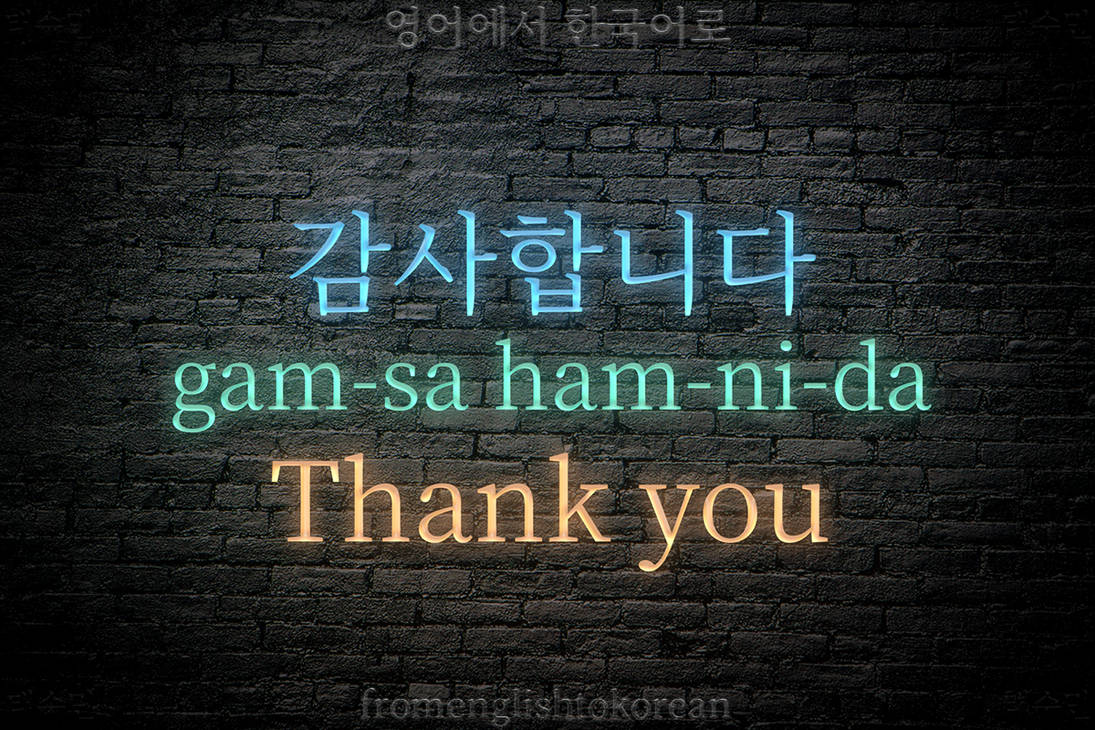
High-Quality Thank You In Korean Language Formal Design for Mobile
Discover an amazing thank you in korean language formal background image, ideal for personalizing your devices with vibrant colors and intricate designs.
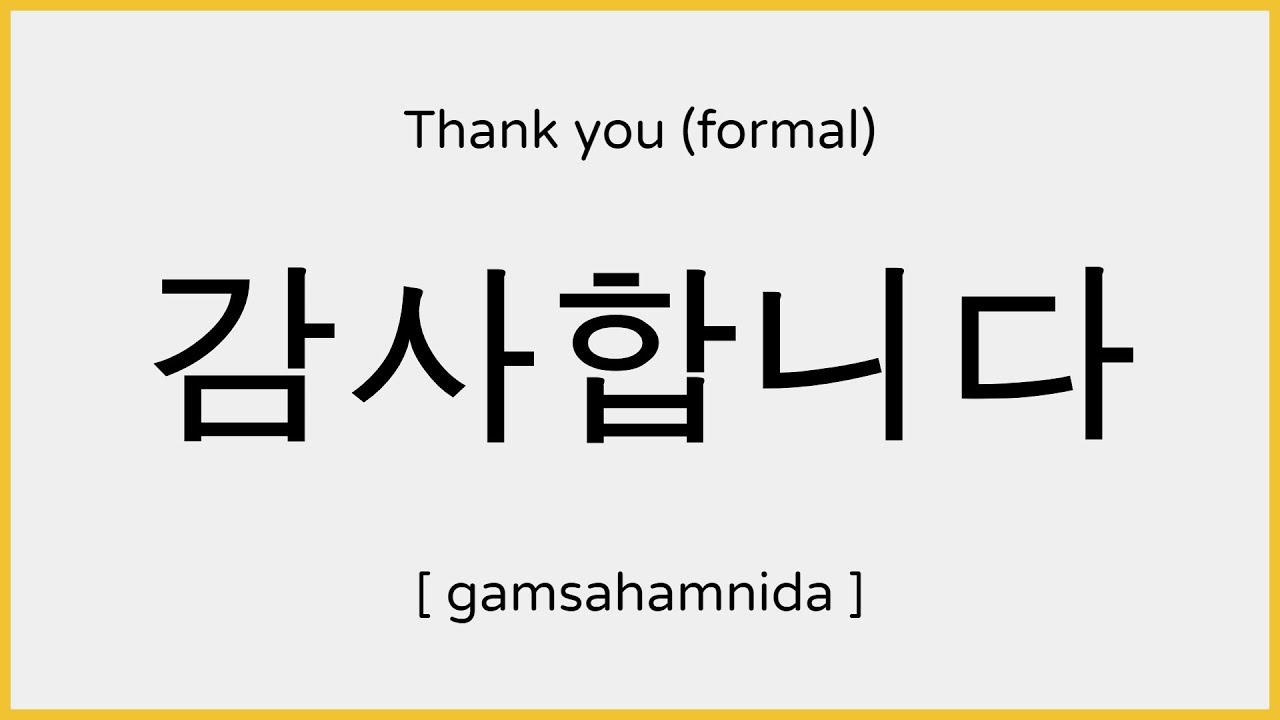
Exquisite Thank You In Korean Language Formal View in 4K
Find inspiration with this unique thank you in korean language formal illustration, crafted to provide a fresh look for your background.

Vibrant Thank You In Korean Language Formal Design Nature
Experience the crisp clarity of this stunning thank you in korean language formal image, available in high resolution for all your screens.
Lush Thank You In Korean Language Formal Moment in 4K
Find inspiration with this unique thank you in korean language formal illustration, crafted to provide a fresh look for your background.

Vivid Thank You In Korean Language Formal Background Collection
Discover an amazing thank you in korean language formal background image, ideal for personalizing your devices with vibrant colors and intricate designs.

Crisp Thank You In Korean Language Formal Design for Your Screen
This gorgeous thank you in korean language formal photo offers a breathtaking view, making it a perfect choice for your next wallpaper.

Exquisite Thank You In Korean Language Formal Design for Mobile
A captivating thank you in korean language formal scene that brings tranquility and beauty to any device.

High-Quality Thank You In Korean Language Formal Wallpaper Art
Transform your screen with this vivid thank you in korean language formal artwork, a true masterpiece of digital design.

Artistic Thank You In Korean Language Formal Landscape Concept
This gorgeous thank you in korean language formal photo offers a breathtaking view, making it a perfect choice for your next wallpaper.

High-Quality Thank You In Korean Language Formal Scene for Desktop
Transform your screen with this vivid thank you in korean language formal artwork, a true masterpiece of digital design.

Crisp Thank You In Korean Language Formal Picture Nature
This gorgeous thank you in korean language formal photo offers a breathtaking view, making it a perfect choice for your next wallpaper.

Detailed Thank You In Korean Language Formal Artwork Photography
Discover an amazing thank you in korean language formal background image, ideal for personalizing your devices with vibrant colors and intricate designs.
Download these thank you in korean language formal wallpapers for free and use them on your desktop or mobile devices.