What Is Hedging In Business Terms
What Is Hedging In Business Terms? A Comprehensive Guide to Risk Management
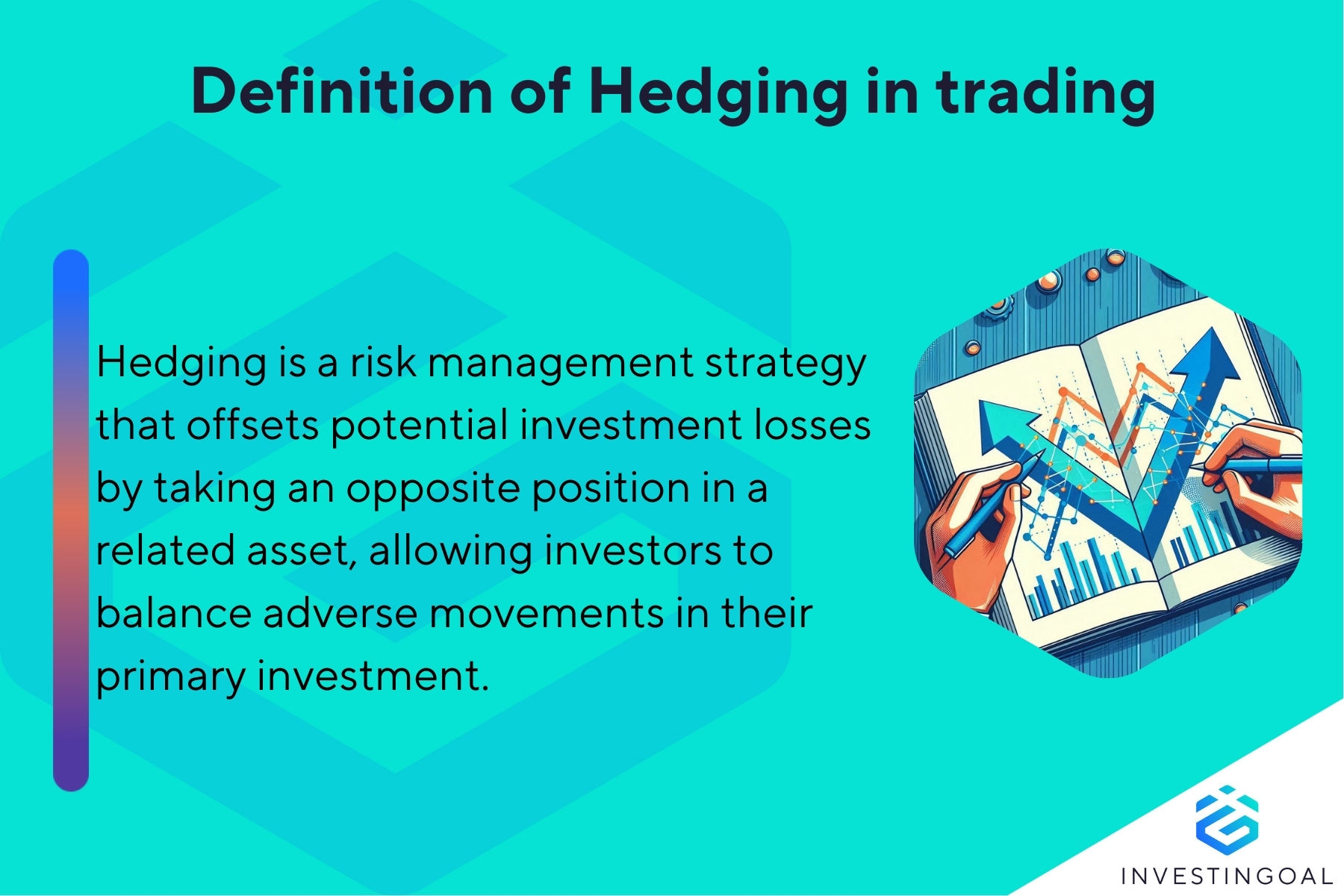
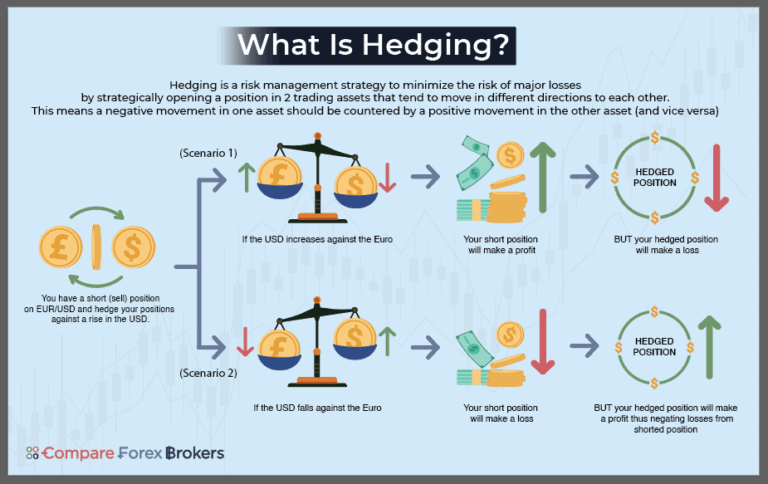
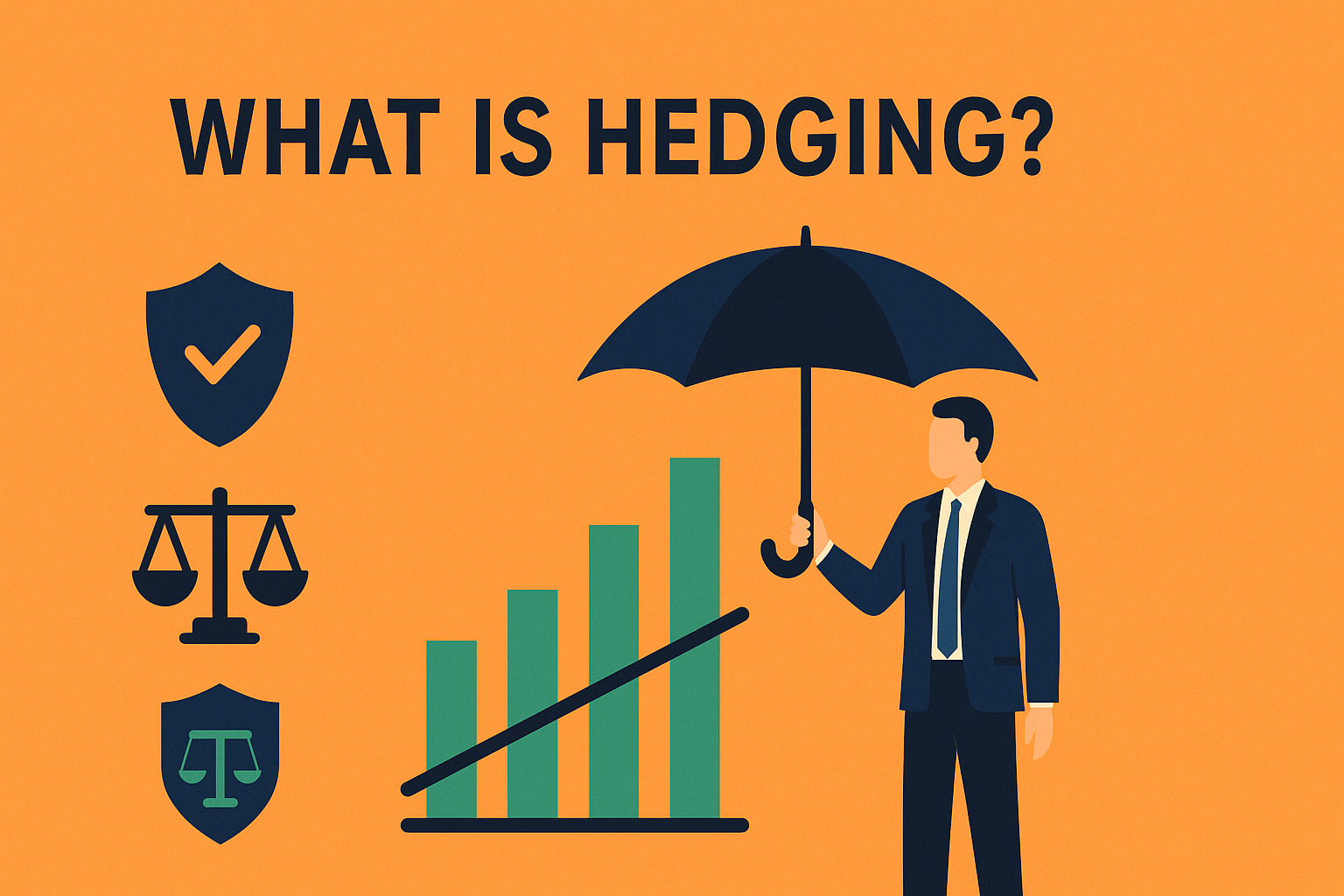
In the volatile world of global commerce, uncertainty is the only constant. From fluctuating exchange rates to the unpredictable surge in raw material prices, businesses face a myriad of financial risks daily. To navigate these turbulent waters, successful organizations employ a strategy known as hedging. But what is hedging in business terms exactly? Simply put, hedging is a risk management strategy used to offset potential losses in one investment by taking a contrary position in a related asset. Think of it as an insurance policy for your business’s financial health.
Understanding the Core Mechanics of Hedging
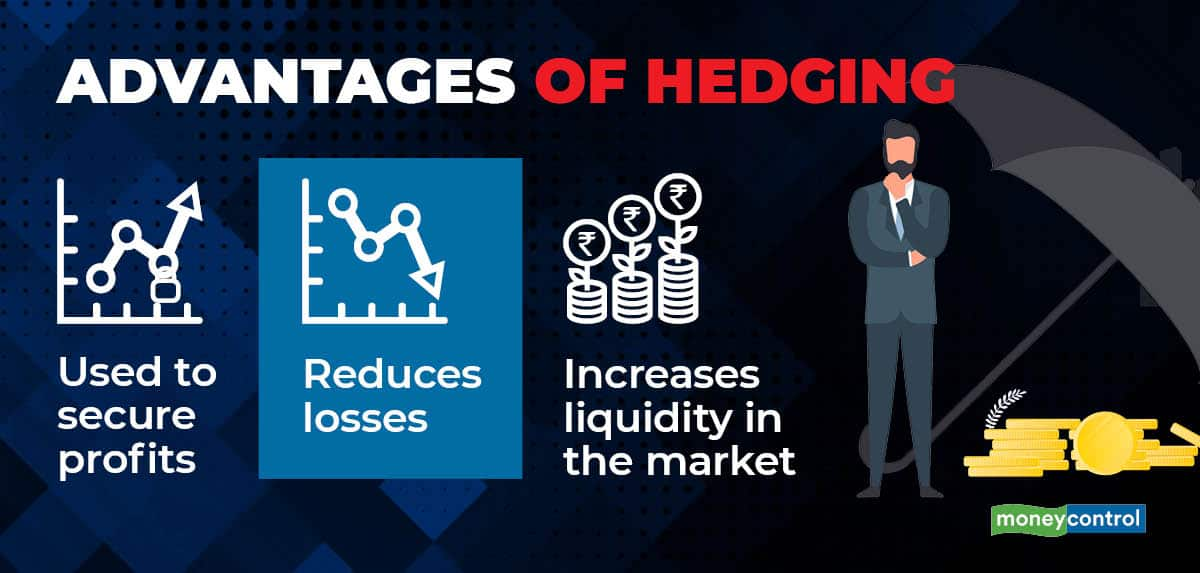
At its heart, hedging is about reducing or cancelling out risk. It is not about making a profit; rather, it is about protecting against a loss. When a business "hedges," it is attempting to lock in a price or a rate to ensure that its future costs or revenues remain predictable. This predictability is vital for budgeting, long-term planning, and maintaining investor confidence.
For example, if a company depends heavily on a specific commodity, such as jet fuel or copper, a sudden price spike could wipe out their profit margins. By entering into a hedging contract, the company can agree to buy that commodity at a fixed price in the future, regardless of how high the market price goes. If the price rises, the hedge pays off by saving the company money. If the price falls, the company might pay more than the market rate, but they have gained the "peace of mind" and budget stability they required.
Key Financial Instruments Used in Hedging
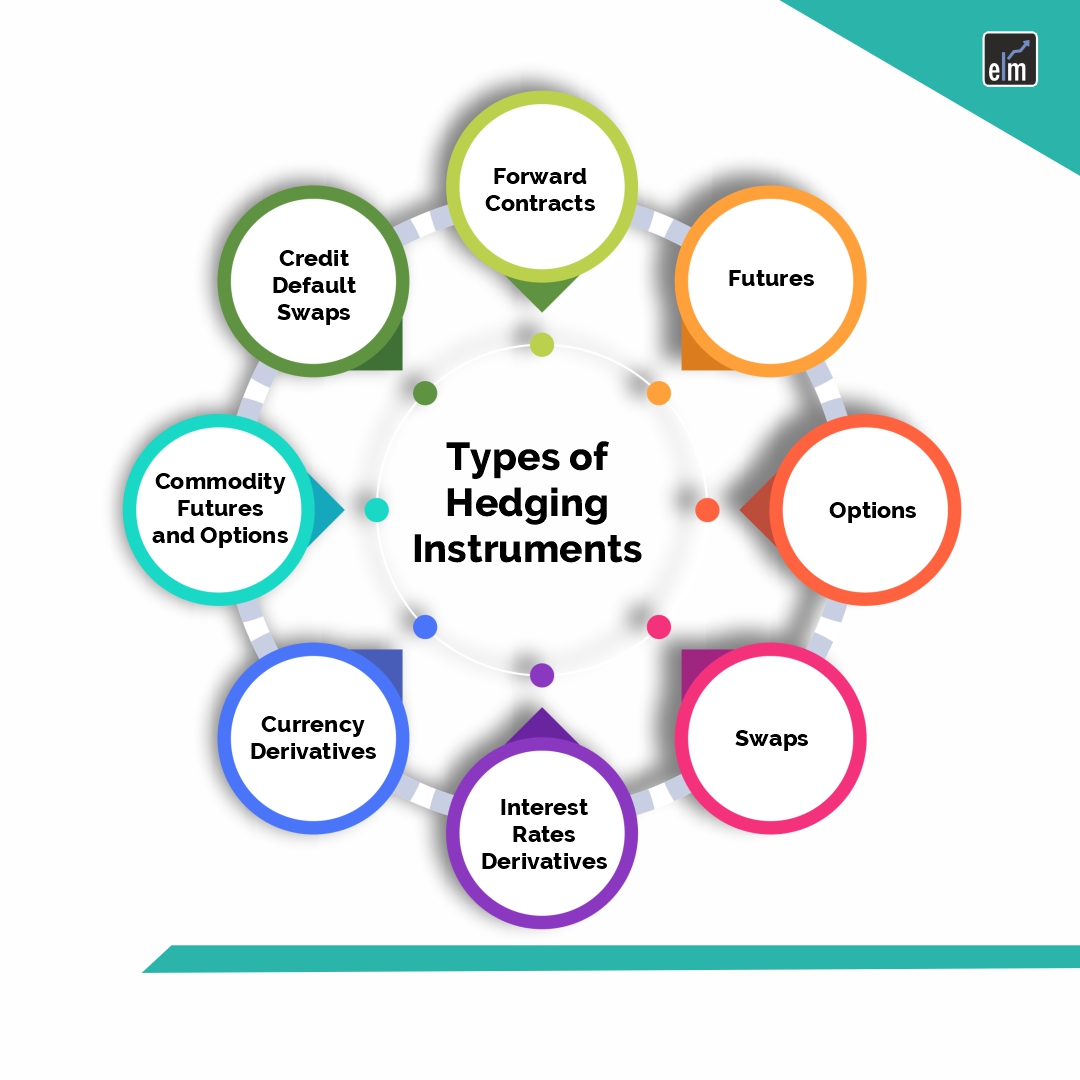
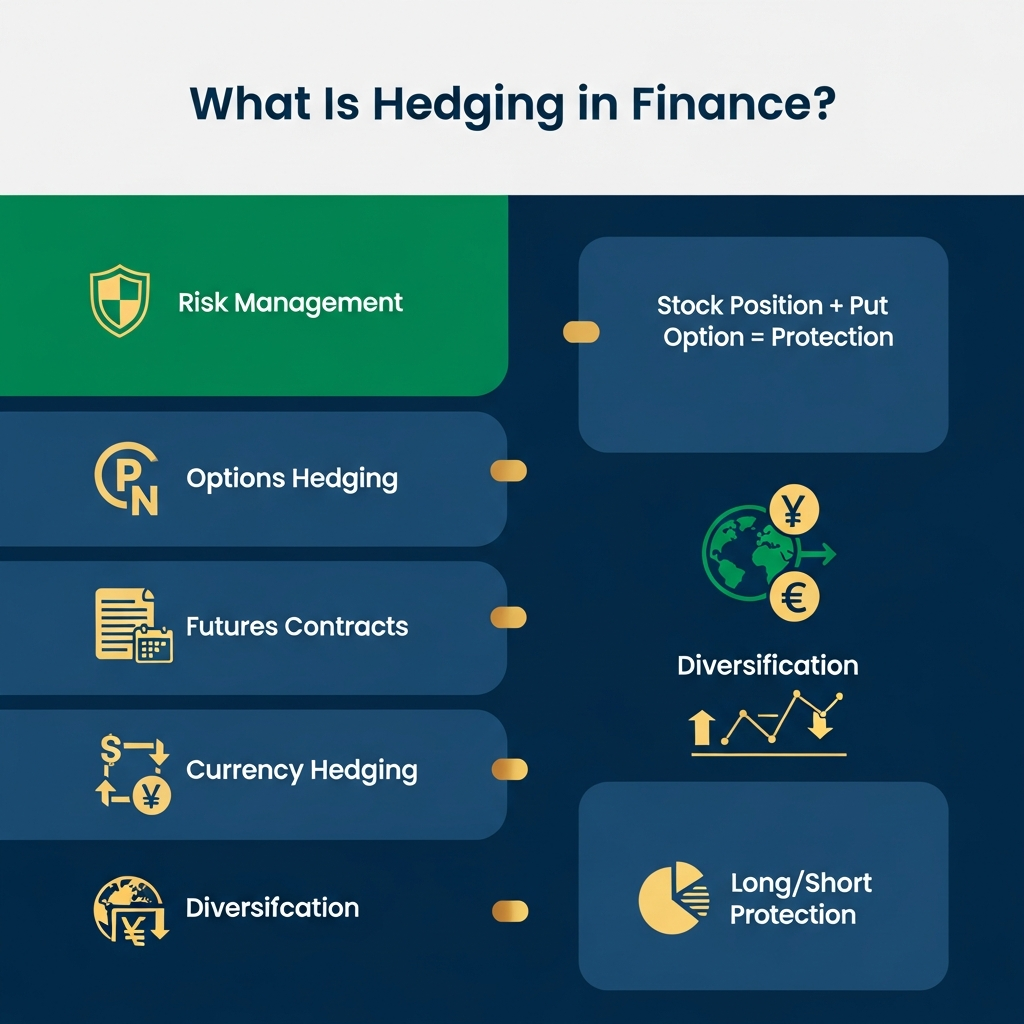
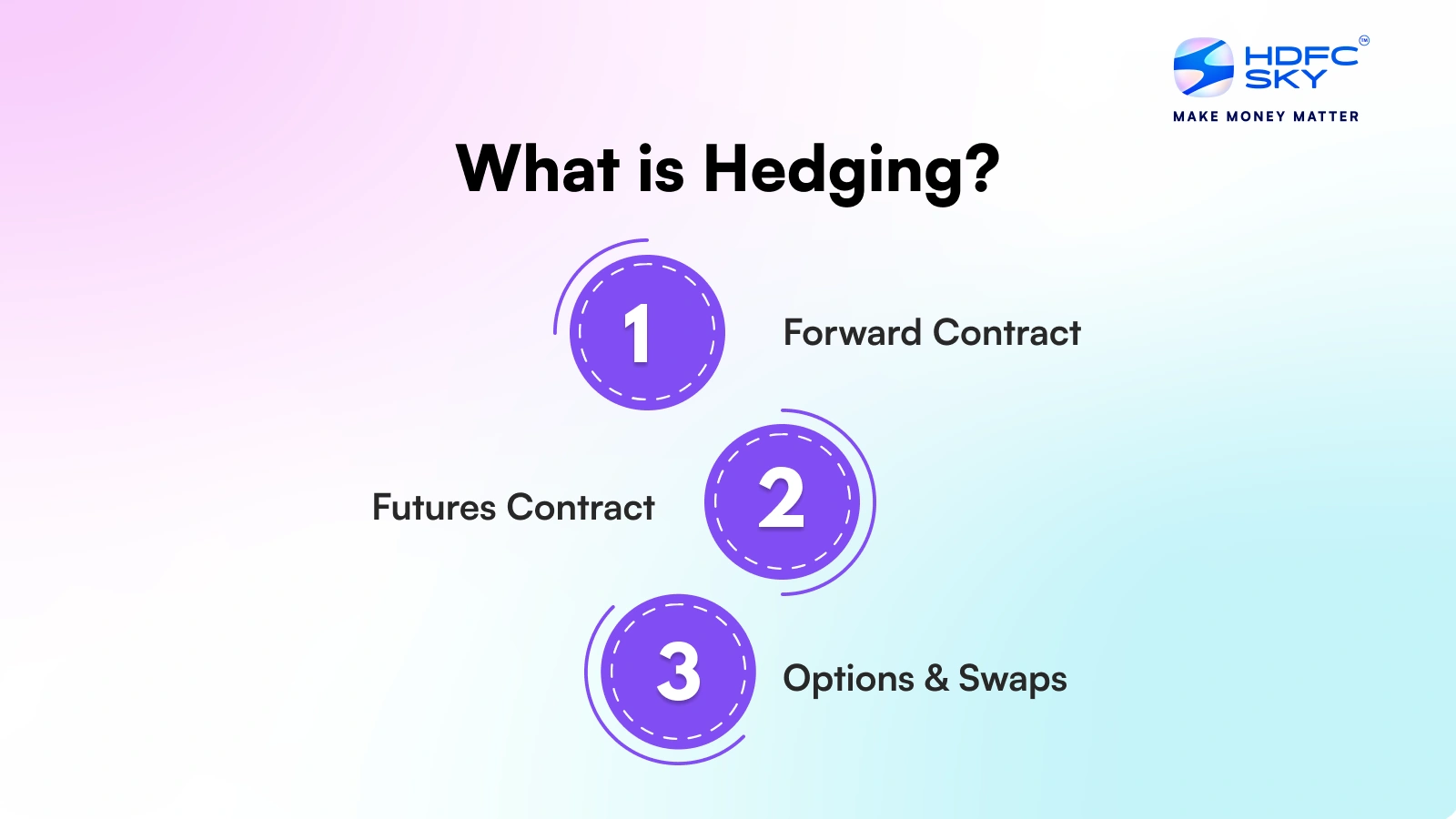
Businesses don't just "wish" a hedge into existence; they use sophisticated financial instruments known as derivatives. These are contracts whose value is derived from an underlying asset. Here are the most common tools used:
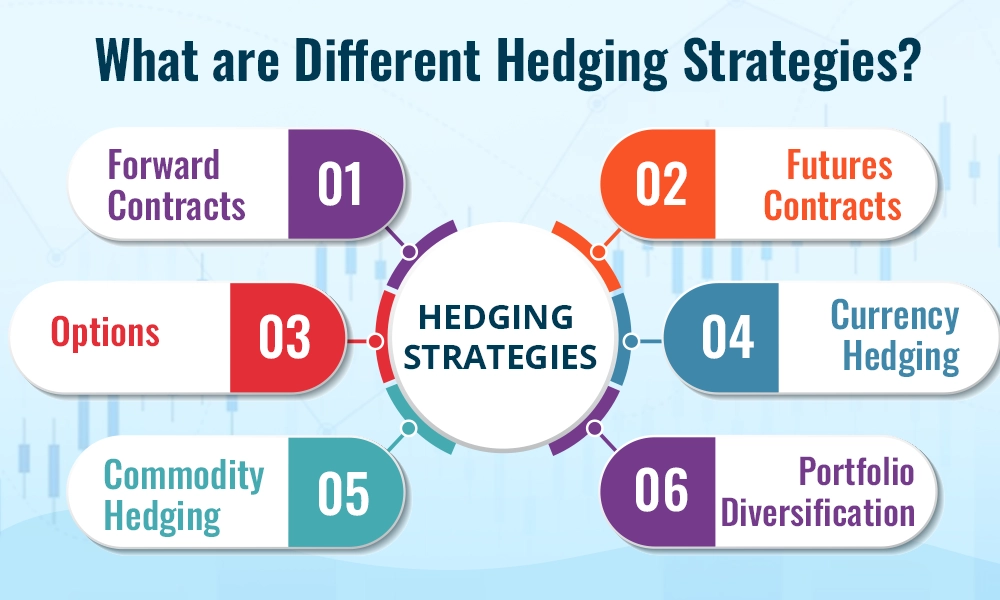
1. Forward Contracts
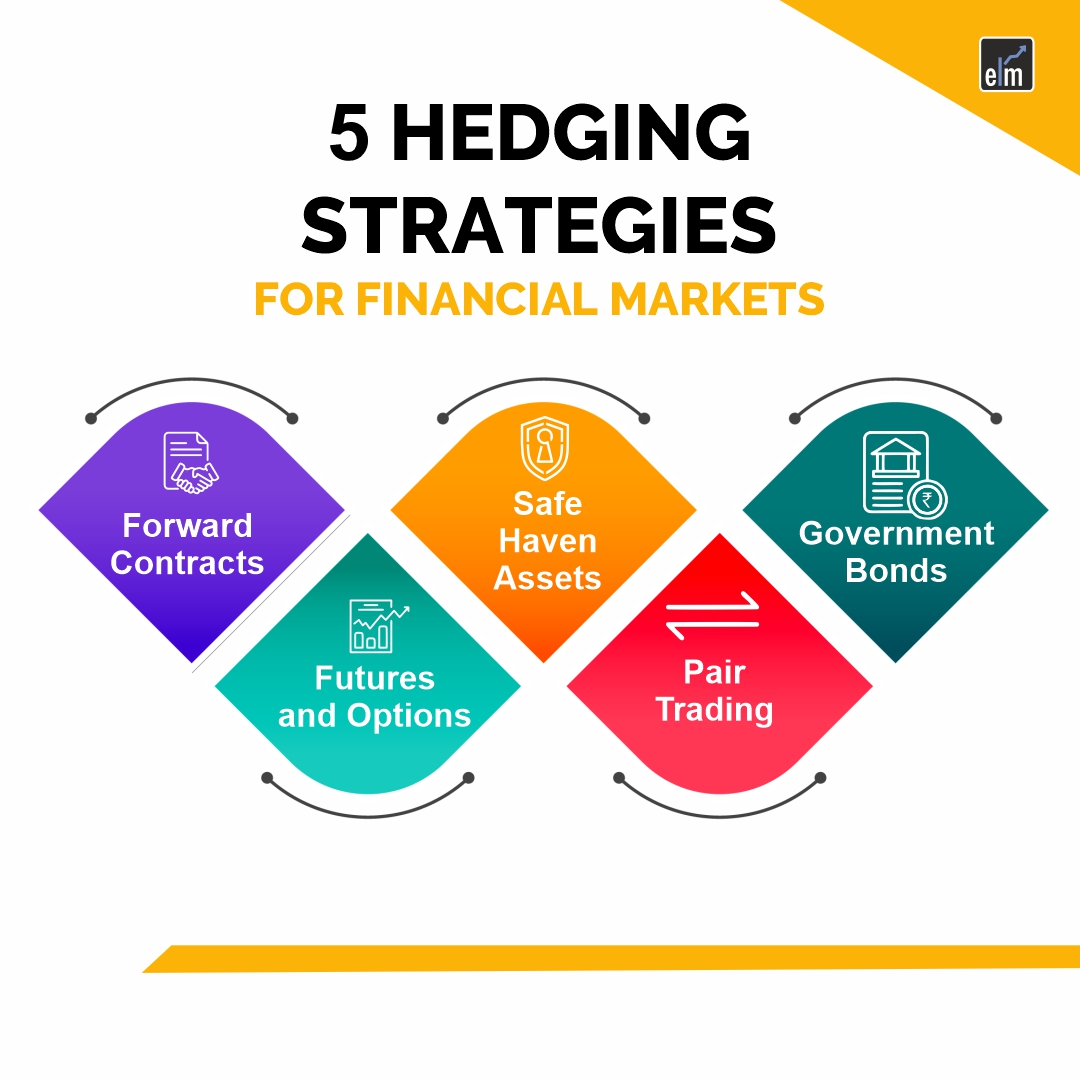
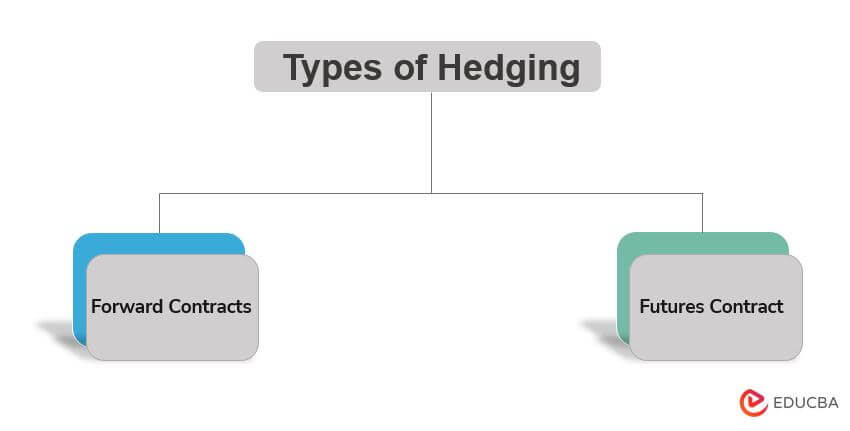
A forward contract is a customized agreement between two parties to buy or sell an asset at a specified price on a future date. These are often used in foreign exchange (Forex) to protect against currency fluctuations. Because they are private agreements, they can be tailored to the specific needs of the business.
2. Futures Contracts
Similar to forwards, futures contracts involve an agreement to buy or sell an asset at a set price in the future. However, futures are standardized and traded on public exchanges. This makes them more liquid (easier to buy and sell) than forward contracts, though they offer less customization.
3. Options
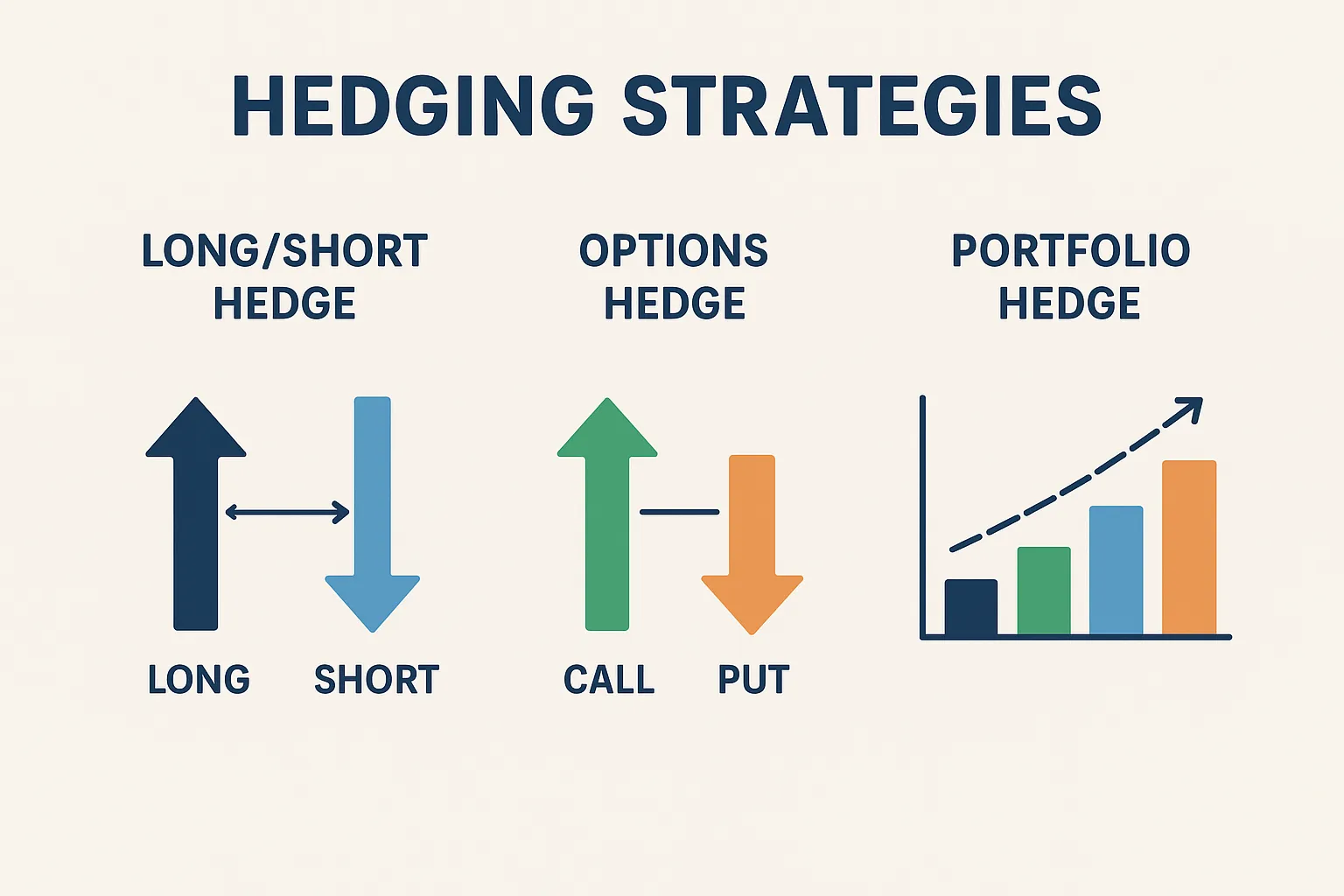
Options give the holder the right, but not the obligation, to buy (a call option) or sell (a put option) an asset at a specific price within a certain timeframe. This is a popular hedging tool because it limits the "downside" risk while allowing the business to benefit if the market moves in their favor.
4. Swaps
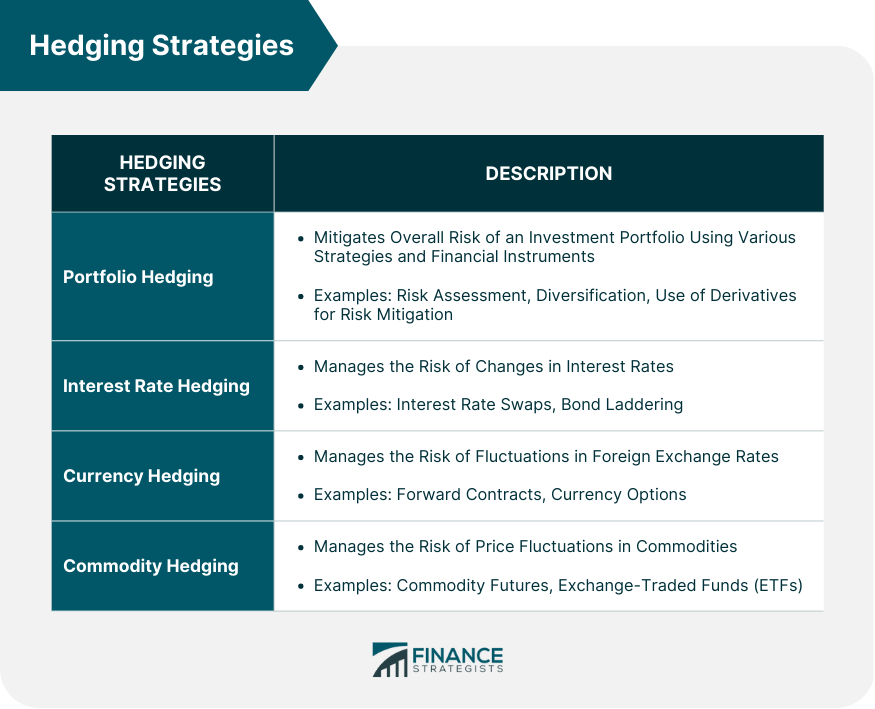
Swaps are private agreements to exchange cash flows. The most common type is an interest rate swap, where a company with a variable-interest loan swaps its payments with another party for a fixed-interest rate. This protects the company from rising interest rates.
| Feature/Aspect | Description |
|---|---|
| Primary Objective | To mitigate or eliminate financial risk and uncertainty. |
| Common Assets | Currencies, commodities (oil, gold), interest rates, and stocks. |
| Cost of Hedging | Includes transaction fees and the "premium" paid for options. |
| Strategic Nature | Defensive rather than offensive; focuses on capital preservation. |
Why Hedging Is Essential for Modern Corporations
In an interconnected global economy, the reasons for hedging extend beyond mere "safety." It is a strategic move that provides several competitive advantages:
- Price Stability: It allows companies to offer stable pricing to their customers, which builds brand loyalty and market share.
- Operational Continuity: By locking in costs, a business ensures it has the liquidity to continue operations even during economic downturns.
- Improved Creditworthiness: Lenders and investors often view hedged companies as lower-risk, which can lead to better interest rates on loans.
- Focus on Core Business: Instead of worrying about daily fluctuations in the price of oil or the Euro, management can focus on innovation and customer service.
Real-World Examples of Hedging in Business
To better understand "what is hedging in business terms," let's look at how major industries apply these concepts. The airline industry is perhaps the most famous example. Airlines use futures contracts to hedge against the volatility of jet fuel prices. If an airline predicts that oil prices will rise, they buy futures to lock in a lower rate. This prevents them from having to suddenly spike ticket prices for consumers.
Another example involves multinational corporations like Apple or Samsung. These companies sell products in dozens of different currencies. If the US Dollar strengthens significantly against the Euro, the revenue earned in Europe becomes worth fewer dollars when brought back to the US. To prevent this "currency risk," these companies use forward contracts to lock in exchange rates months in advance.
Hedging vs. Speculation: Understanding the Difference
It is a common mistake to confuse hedging with speculation. While both involve taking positions in financial markets, their motives are opposites. A speculator accepts risk in the hopes of making a profit from price movements. A hedger seeks to get rid of risk to protect an existing business interest.
If you own a farm and sell corn futures to lock in a price for your upcoming harvest, you are hedging. You are protecting your livelihood. If you have never seen a cornfield but buy corn futures because you think the price will go up so you can sell them for a profit, you are speculating.
The Potential Downsides of Hedging
While hedging is a powerful tool, it is not without its drawbacks. The most obvious is the cost. Setting up derivatives contracts involves transaction fees, and options require the payment of a "premium," much like an insurance premium. If the risk never materializes—for example, if you hedge against a price rise and prices actually stay flat—the money spent on the hedge is essentially a sunk cost.
Furthermore, hedging can limit potential gains. If a company hedges its currency at a certain rate and the currency moves in a highly favorable direction, the company is stuck with the hedged rate and cannot profit from the market improvement. This is known as "opportunity cost."
Frequently Asked Questions (FAQ)
1. Is hedging the same as insurance?
In principle, yes. Both are designed to protect against potential financial loss. However, while insurance covers specific events (like a fire or theft), hedging covers market-based risks like price fluctuations, interest rates, and currency values.
2. Can small businesses use hedging?
Absolutely. While large corporations use complex derivatives, a small business might hedge by signing long-term fixed-price contracts with suppliers or by using simple forward contracts provided by their bank to manage foreign exchange risks.
3. Does hedging guarantee that a company won't lose money?
No. Hedging only protects against the specific risk being hedged. A company can still lose money due to poor management, falling demand, or other operational issues. Hedging is a tool to manage market volatility, not a guarantee of total profitability.
Conclusion
Understanding what is hedging in business terms is fundamental for anyone involved in finance, entrepreneurship, or management. It is a sophisticated dance of balancing risk and reward, ensuring that a business remains resilient in the face of market uncertainty. By utilizing tools like futures, options, and forwards, companies can create a predictable financial environment that fosters long-term growth and stability.
While it requires technical expertise and incurs certain costs, the protection offered by a well-executed hedging strategy is often invaluable. In the high-stakes world of global business, hedging isn't just a financial tactic—it's a vital component of a robust corporate strategy that ensures survival and success regardless of which way the market winds blow.
What Is Hedging In Business Terms
What Is Hedging In Business Terms Wallpapers
Collection of what is hedging in business terms wallpapers for your desktop and mobile devices.
Spectacular What Is Hedging In Business Terms Scene for Desktop
A captivating what is hedging in business terms scene that brings tranquility and beauty to any device.

Beautiful What Is Hedging In Business Terms Background for Mobile
Discover an amazing what is hedging in business terms background image, ideal for personalizing your devices with vibrant colors and intricate designs.
Beautiful What Is Hedging In Business Terms Capture Digital Art
Discover an amazing what is hedging in business terms background image, ideal for personalizing your devices with vibrant colors and intricate designs.
Captivating What Is Hedging In Business Terms Moment in 4K
Find inspiration with this unique what is hedging in business terms illustration, crafted to provide a fresh look for your background.
Amazing What Is Hedging In Business Terms Image in 4K
Experience the crisp clarity of this stunning what is hedging in business terms image, available in high resolution for all your screens.
Beautiful What Is Hedging In Business Terms Photo Collection
Experience the crisp clarity of this stunning what is hedging in business terms image, available in high resolution for all your screens.

Vibrant What Is Hedging In Business Terms Artwork Photography
Transform your screen with this vivid what is hedging in business terms artwork, a true masterpiece of digital design.
Beautiful What Is Hedging In Business Terms View in 4K
Discover an amazing what is hedging in business terms background image, ideal for personalizing your devices with vibrant colors and intricate designs.
Artistic What Is Hedging In Business Terms Landscape in 4K
Find inspiration with this unique what is hedging in business terms illustration, crafted to provide a fresh look for your background.

Crisp What Is Hedging In Business Terms Background for Mobile
Immerse yourself in the stunning details of this beautiful what is hedging in business terms wallpaper, designed for a captivating visual experience.
High-Quality What Is Hedging In Business Terms Photo in HD
Transform your screen with this vivid what is hedging in business terms artwork, a true masterpiece of digital design.
Mesmerizing What Is Hedging In Business Terms Photo Art
Experience the crisp clarity of this stunning what is hedging in business terms image, available in high resolution for all your screens.
Stunning What Is Hedging In Business Terms Scene for Mobile
This gorgeous what is hedging in business terms photo offers a breathtaking view, making it a perfect choice for your next wallpaper.
Artistic What Is Hedging In Business Terms Artwork for Desktop
This gorgeous what is hedging in business terms photo offers a breathtaking view, making it a perfect choice for your next wallpaper.
Gorgeous What Is Hedging In Business Terms Picture Concept
Immerse yourself in the stunning details of this beautiful what is hedging in business terms wallpaper, designed for a captivating visual experience.

Captivating What Is Hedging In Business Terms Abstract Nature
Immerse yourself in the stunning details of this beautiful what is hedging in business terms wallpaper, designed for a captivating visual experience.
Lush What Is Hedging In Business Terms Scene Digital Art
A captivating what is hedging in business terms scene that brings tranquility and beauty to any device.

High-Quality What Is Hedging In Business Terms Picture Digital Art
Experience the crisp clarity of this stunning what is hedging in business terms image, available in high resolution for all your screens.

Breathtaking What Is Hedging In Business Terms Scene Nature
Transform your screen with this vivid what is hedging in business terms artwork, a true masterpiece of digital design.
Vibrant What Is Hedging In Business Terms View Illustration
Transform your screen with this vivid what is hedging in business terms artwork, a true masterpiece of digital design.
Download these what is hedging in business terms wallpapers for free and use them on your desktop or mobile devices.