What Is Hedging In Financial Derivatives
What Is Hedging In Financial Derivatives? A Complete Guide to Risk Management
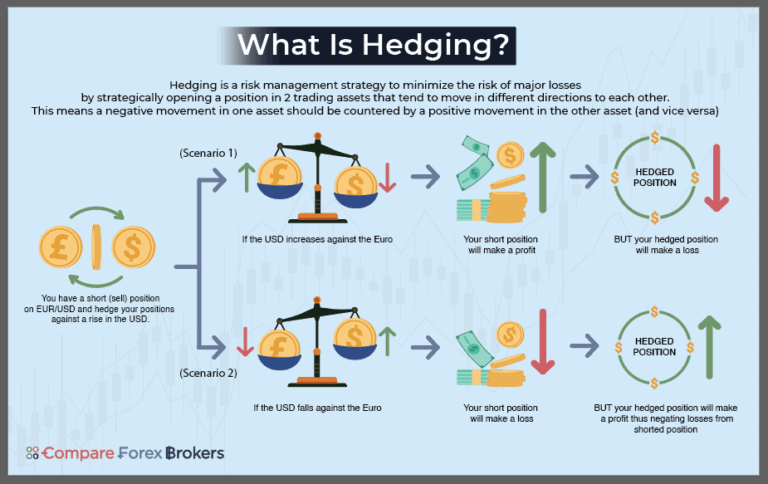
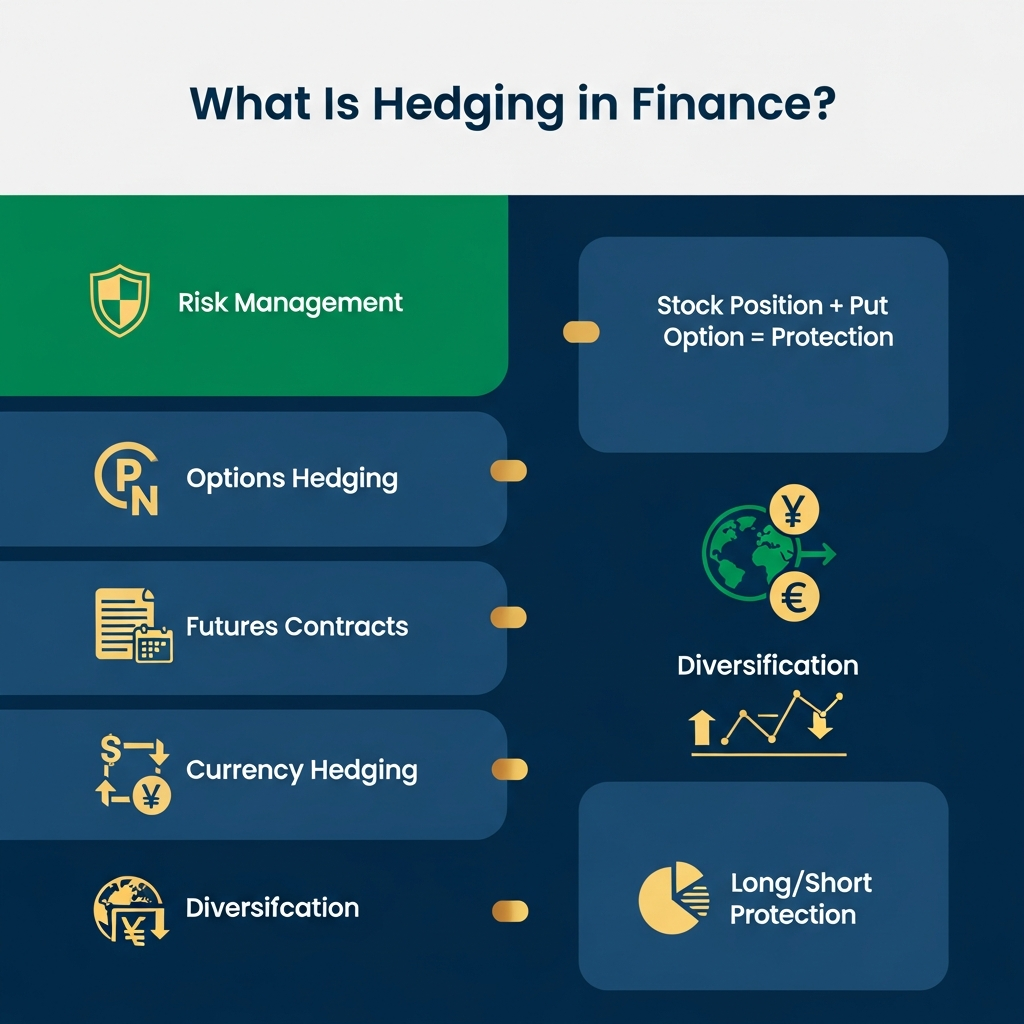
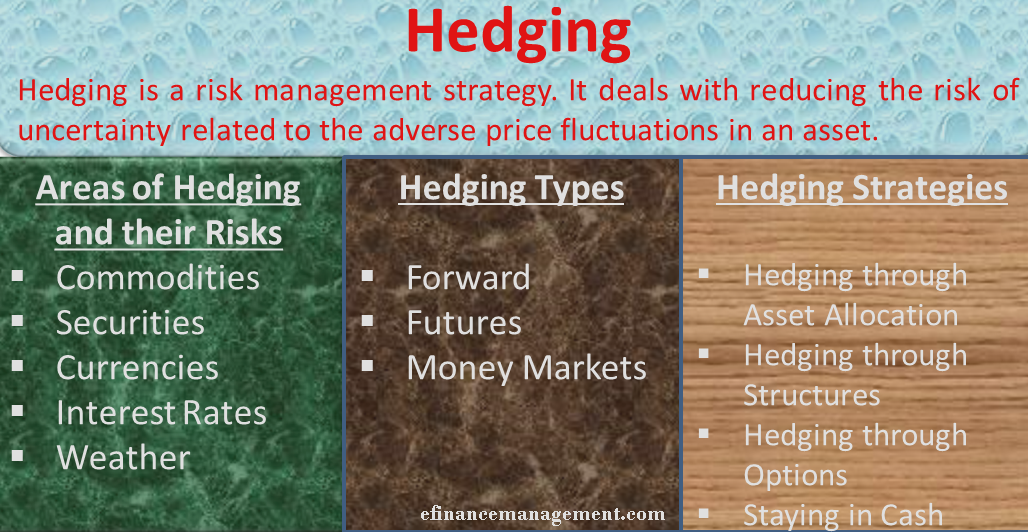
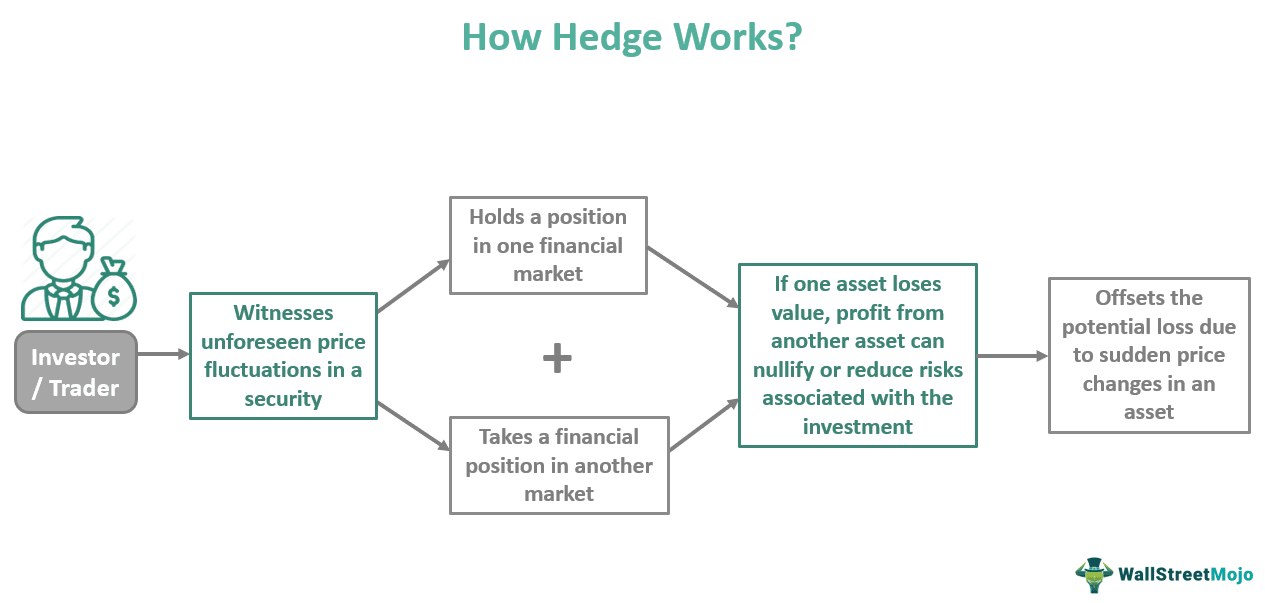
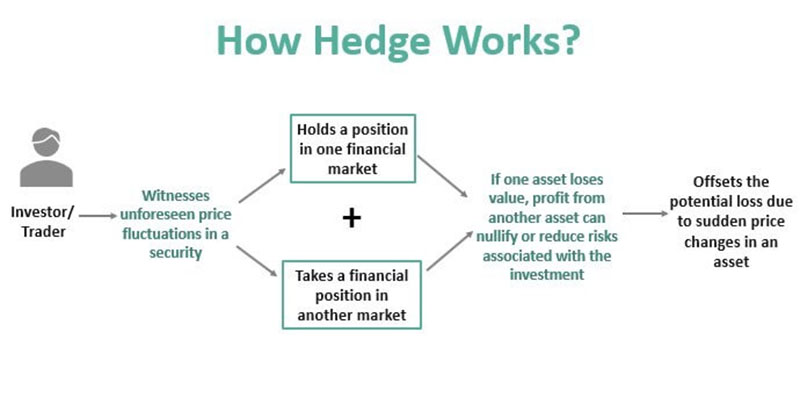
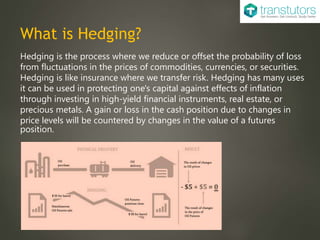
In the volatile world of finance, where market fluctuations can wipe out portfolios overnight, "hedging" stands as one of the most critical strategies for both institutional and individual investors. But what exactly is hedging in financial derivatives? At its core, hedging is a risk management strategy used to offset potential losses in an investment by taking an opposite position in a related asset. Think of it as an insurance policy for your investments; you pay a small premium or accept a capped profit to ensure that a market crash doesn't result in total financial ruin.
Understanding the Mechanics of Hedging
To understand hedging, one must first understand financial derivatives. A derivative is a contract whose value is "derived" from an underlying asset, such as a stock, bond, commodity, currency, or interest rate. Because derivatives allow investors to trade based on the future price movements of an asset without necessarily owning the asset itself, they are the perfect tools for hedging.
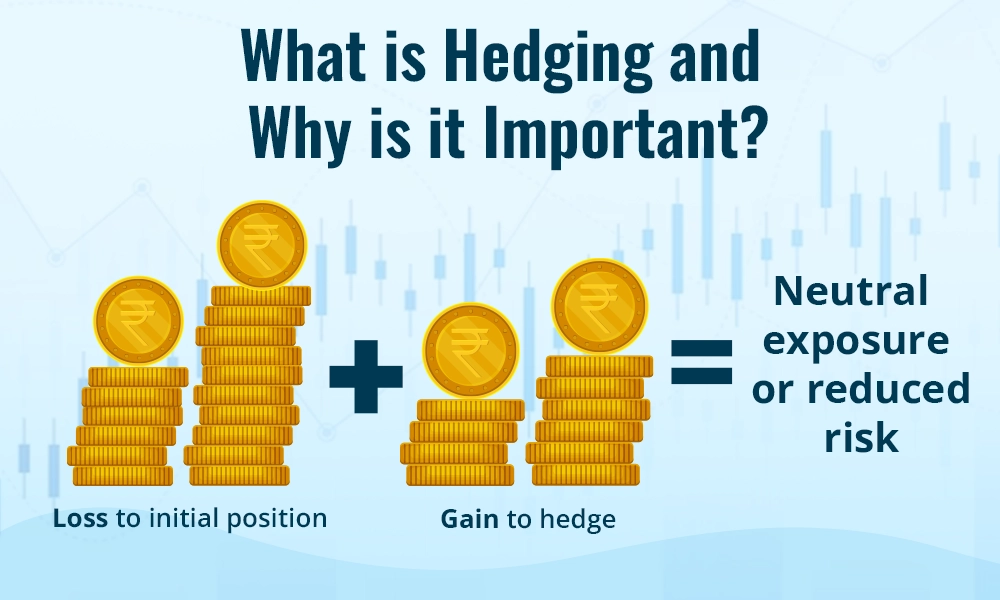
When an investor hedges, they are not looking to make a massive profit. Instead, they are looking to achieve a "neutral" position. For example, if you own 1,000 shares of a tech company and are worried that the upcoming earnings report might cause the stock price to drop, you could purchase a "Put Option." If the price falls, the gain from your Put Option will offset the loss from your stock holdings. If the price rises, your stocks gain value, though you lose the small premium paid for the option.
The Core Instruments Used for Hedging
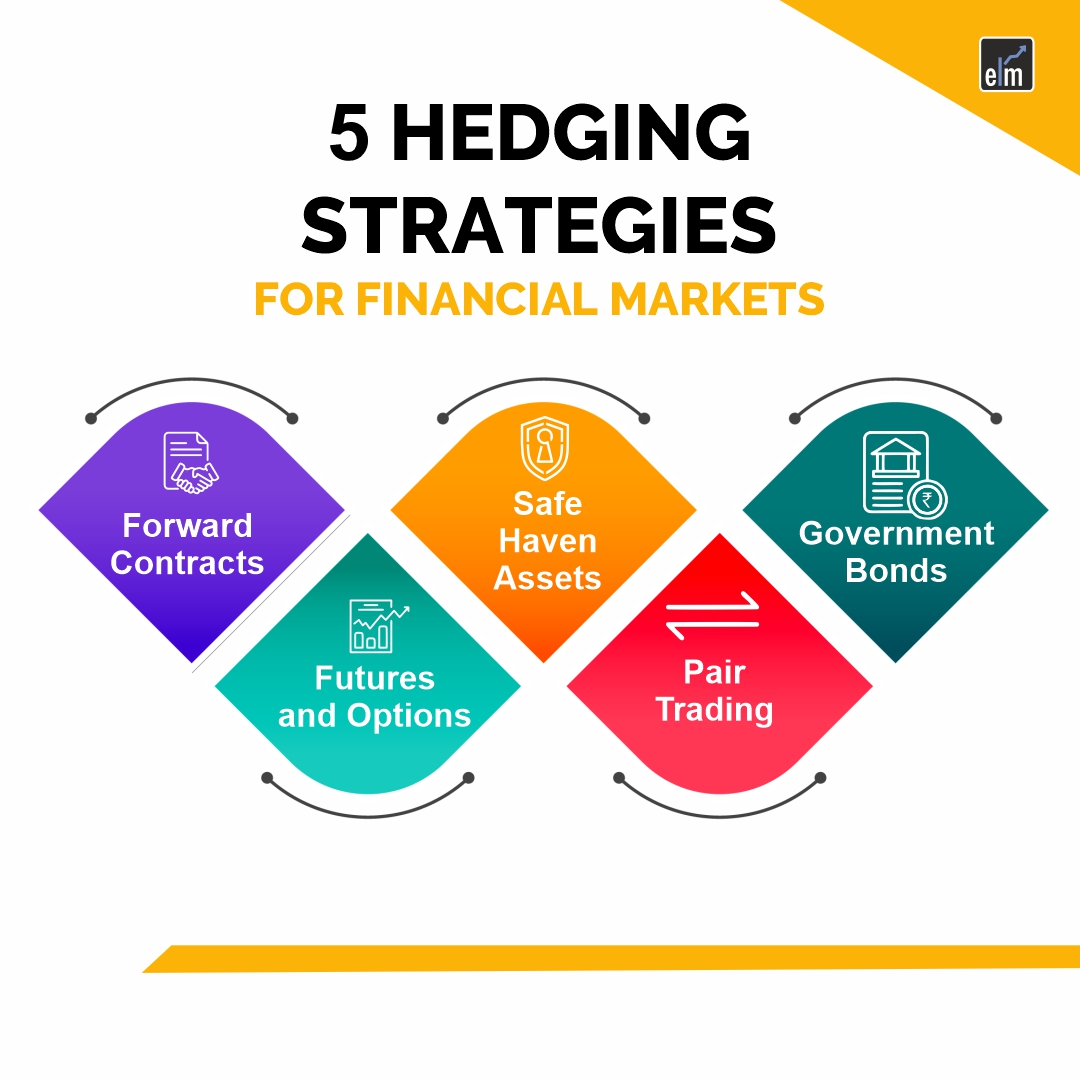
Financial derivatives come in various forms, each serving a specific purpose in a hedging strategy. Here are the four primary instruments used by professionals:
1. Forward Contracts
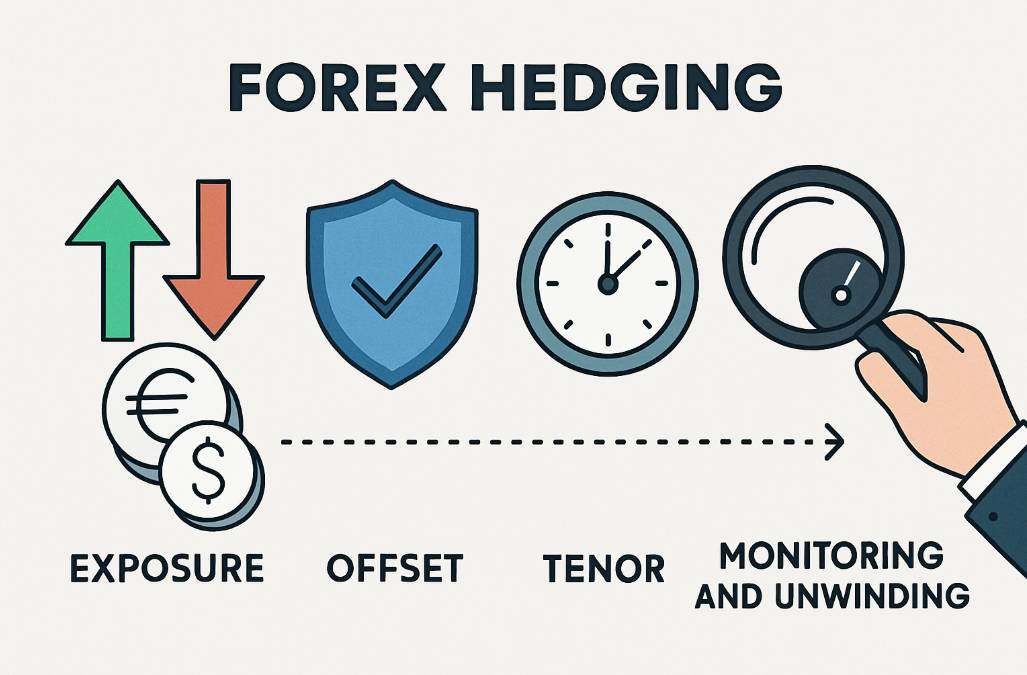
A forward contract is a customized agreement between two parties to buy or sell an asset at a specified price on a future date. These are primarily used in the foreign exchange (Forex) markets. For instance, an American company expecting a payment in Euros in six months might enter a forward contract to lock in the current exchange rate, protecting themselves against a potential drop in the Euro's value.
2. Futures Contracts
Futures are similar to forwards but are standardized and traded on an exchange. This makes them more liquid and accessible. Farmers often use futures to hedge the price of their crops. By selling wheat futures, a farmer can lock in a price today for a harvest that won't be ready for months, ensuring they stay profitable even if the market price of wheat plummets.
3. Options
Options provide the "right," but not the obligation, to buy (Call) or sell (Put) an asset at a predetermined price. Options are highly popular because they offer flexibility. If the market moves in your favor, you can let the option expire worthless and enjoy the gains on your primary investment. If the market moves against you, the option provides a "floor" to your losses.
4. Swaps
Swaps are complex derivatives where two parties exchange cash flows. The most common type is an interest rate swap. A company with a variable-rate loan might enter a swap to trade those payments for a fixed-rate payment, thereby hedging against the risk of rising interest rates.
Key Strategies in Derivative Hedging
Investors don't just buy derivatives randomly; they employ specific strategies based on their goals:
- Short Hedge: This involves selling a futures contract. It is used by those who already own an asset and expect its price to fall.
- Long Hedge: This involves buying a futures contract. It is used by those who need to buy an asset in the future and want to lock in a low price now to avoid price spikes.
- Cross-Hedging: This occurs when an investor hedges using a derivative of a different but related asset. For example, hedging jet fuel costs using crude oil futures because the two prices are highly correlated.
| Fitur/Aspek | Deskripsi |
|---|---|
| Primary Objective | Risk reduction and loss mitigation rather than profit maximization. |
| Instruments Used | Options, Futures, Forwards, and Swaps. |
| Cost of Hedging | Includes transaction fees, premiums (for options), and potential opportunity costs. |
| Market Context | Used in Commodities, Equities, Forex, and Interest Rate markets. |
| Complexity | Ranges from simple (buying a Put option) to highly complex (multi-leg swaps). |
Benefits and Limitations of Hedging
While hedging is a powerful tool, it is not a "magic bullet" that guarantees success. It is important to weigh the pros and cons before implementing these strategies in a portfolio.
The Benefits
The most obvious benefit is protection. Hedging provides a safety net during periods of high volatility. Furthermore, it allows businesses to achieve predictable cash flows. For a global corporation, knowing exactly what their currency exchange rates or raw material costs will be allows for much more accurate long-term budgeting and planning. Finally, hedging can increase liquidity in the broader financial markets by allowing participants to manage risks that would otherwise be unbearable.
The Limitations
Hedging is not free. There are transaction costs and premiums that can eat into your overall returns. Moreover, if the market moves in a positive direction, a hedge can lead to opportunity cost. For example, if you hedge your gold portfolio against a price drop and the price of gold actually skyrockets, your hedge might prevent you from realizing the full extent of those gains. There is also the risk of "imperfect hedging," where the derivative does not perfectly track the underlying asset, leaving some risk unaddressed.
Hedging vs. Speculation: Knowing the Difference
It is common to confuse hedging with speculation, as both involve the use of derivatives. However, their motivations are polar opposites. A speculator enters the market to take on risk in exchange for the possibility of significant profit; they bet on which way the price will move. A hedger enters the market to transfer or eliminate risk; they already have an exposure to the asset and want to neutralize it. In short, speculators want the risk that hedgers are trying to get rid of.
FAQ: Frequently Asked Questions
1. Is hedging the same as diversification?
No. Diversification involves spreading investments across different assets to reduce unsystematic risk. Hedging involves taking a specific technical position to offset the risk of a specific asset or portfolio.
2. Can retail investors perform hedging?
Yes. Many retail brokerage accounts allow the trading of options and futures. Simple strategies like buying "Married Puts" (buying a put option for a stock you own) are common among individual investors.
3. Does hedging guarantee that I won't lose money?
No. Hedging reduces the impact of adverse price movements, but it does not eliminate all risk. Costs like premiums and the possibility of a "basis risk" (the hedge not perfectly correlating with the asset) can still result in losses.
4. What is the "Hedge Ratio"?
The hedge ratio is the value of the hedging instrument compared to the value of the underlying asset. A ratio of 1 (or 100%) means the investment is fully protected, though this is often expensive to maintain.
Conclusion: The Strategic Importance of Hedging
In conclusion, hedging in financial derivatives is an indispensable skill for anyone serious about navigating the financial markets. It shifts the focus from "how much can I make?" to "how much can I afford to lose?" By utilizing instruments like futures, options, and swaps, investors can protect themselves from the inherent unpredictability of the global economy.
While it requires a deep understanding of market mechanics and comes with its own set of costs, the peace of mind and financial stability provided by a well-executed hedge are invaluable. Whether you are a farmer protecting your harvest, a corporation managing currency fluctuations, or a retail investor safeguarding your retirement fund, hedging provides the strategic shield necessary to survive and thrive in a volatile world. As with any financial strategy, it is recommended to consult with a financial advisor to ensure that your hedging techniques align with your overall risk tolerance and investment goals.
What Is Hedging In Financial Derivatives
What Is Hedging In Financial Derivatives Wallpapers
Collection of what is hedging in financial derivatives wallpapers for your desktop and mobile devices.
Captivating What Is Hedging In Financial Derivatives Moment in 4K
Find inspiration with this unique what is hedging in financial derivatives illustration, crafted to provide a fresh look for your background.

Crisp What Is Hedging In Financial Derivatives Picture Collection
This gorgeous what is hedging in financial derivatives photo offers a breathtaking view, making it a perfect choice for your next wallpaper.

Detailed What Is Hedging In Financial Derivatives Image Collection
Transform your screen with this vivid what is hedging in financial derivatives artwork, a true masterpiece of digital design.
Beautiful What Is Hedging In Financial Derivatives Capture Digital Art
Discover an amazing what is hedging in financial derivatives background image, ideal for personalizing your devices with vibrant colors and intricate designs.

Crisp What Is Hedging In Financial Derivatives Background for Mobile
Immerse yourself in the stunning details of this beautiful what is hedging in financial derivatives wallpaper, designed for a captivating visual experience.
Detailed What Is Hedging In Financial Derivatives Photo Digital Art
Transform your screen with this vivid what is hedging in financial derivatives artwork, a true masterpiece of digital design.
Exquisite What Is Hedging In Financial Derivatives Scene for Mobile
Immerse yourself in the stunning details of this beautiful what is hedging in financial derivatives wallpaper, designed for a captivating visual experience.

Lush What Is Hedging In Financial Derivatives Landscape Collection
Immerse yourself in the stunning details of this beautiful what is hedging in financial derivatives wallpaper, designed for a captivating visual experience.
Artistic What Is Hedging In Financial Derivatives Landscape in 4K
Find inspiration with this unique what is hedging in financial derivatives illustration, crafted to provide a fresh look for your background.
Serene What Is Hedging In Financial Derivatives Capture Photography
Discover an amazing what is hedging in financial derivatives background image, ideal for personalizing your devices with vibrant colors and intricate designs.
Vibrant What Is Hedging In Financial Derivatives View Illustration
Transform your screen with this vivid what is hedging in financial derivatives artwork, a true masterpiece of digital design.

Gorgeous What Is Hedging In Financial Derivatives Artwork Photography
This gorgeous what is hedging in financial derivatives photo offers a breathtaking view, making it a perfect choice for your next wallpaper.
Spectacular What Is Hedging In Financial Derivatives Picture in HD
A captivating what is hedging in financial derivatives scene that brings tranquility and beauty to any device.

Artistic What Is Hedging In Financial Derivatives Abstract for Your Screen
Find inspiration with this unique what is hedging in financial derivatives illustration, crafted to provide a fresh look for your background.
Vivid What Is Hedging In Financial Derivatives Artwork Illustration
Experience the crisp clarity of this stunning what is hedging in financial derivatives image, available in high resolution for all your screens.
Beautiful What Is Hedging In Financial Derivatives Capture Concept
Experience the crisp clarity of this stunning what is hedging in financial derivatives image, available in high resolution for all your screens.

High-Quality What Is Hedging In Financial Derivatives Picture Digital Art
Experience the crisp clarity of this stunning what is hedging in financial derivatives image, available in high resolution for all your screens.

Vivid What Is Hedging In Financial Derivatives Moment in HD
Discover an amazing what is hedging in financial derivatives background image, ideal for personalizing your devices with vibrant colors and intricate designs.
High-Quality What Is Hedging In Financial Derivatives Capture Concept
Transform your screen with this vivid what is hedging in financial derivatives artwork, a true masterpiece of digital design.

Gorgeous What Is Hedging In Financial Derivatives Wallpaper for Mobile
A captivating what is hedging in financial derivatives scene that brings tranquility and beauty to any device.
Download these what is hedging in financial derivatives wallpapers for free and use them on your desktop or mobile devices.