What Is Hedging In Trading
What Is Hedging In Trading? The Ultimate Guide to Risk Management
In the volatile world of financial markets, uncertainty is the only constant. Whether you are trading stocks, forex, commodities, or cryptocurrencies, price fluctuations can occur at any moment, driven by economic reports, geopolitical events, or shifts in investor sentiment. For seasoned traders and institutional investors, the primary tool used to mitigate these risks is known as hedging. But what exactly is hedging in trading, and how can it protect your portfolio from significant losses?
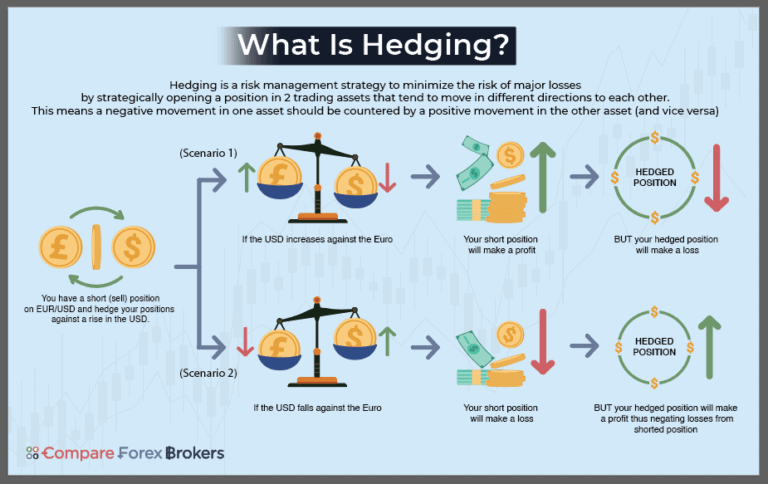
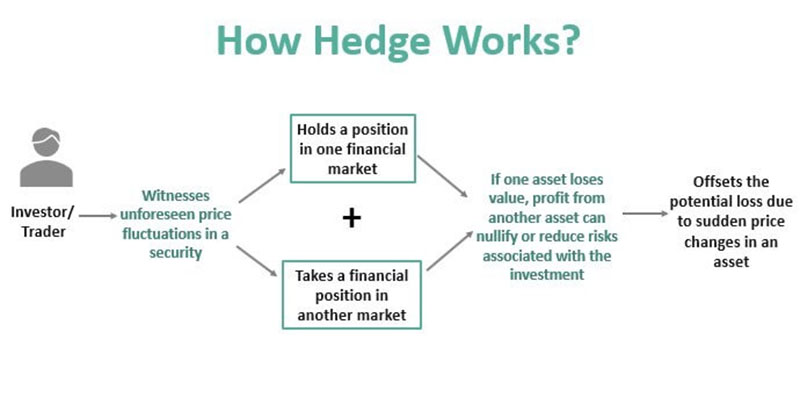
Essentially, hedging is a risk management strategy used to offset potential losses in one investment by taking an opposite position in a related asset. Think of it as an insurance policy for your portfolio. While you hope you never have to "use" the insurance in a way that suggests your primary trade failed, having it in place provides a safety net that limits your downside exposure. In this comprehensive guide, we will dive deep into the mechanics of hedging, the strategies involved, and how you can apply it to your trading journey.
Understanding the Core Concept of Hedging
To understand hedging, it is helpful to look at real-world analogies. When you buy car insurance, you are hedging against the financial risk of an accident. You pay a premium (a small cost) to protect yourself against a much larger potential loss. In trading, the concept is identical. A trader who owns a particular stock might fear that the market price will drop in the short term. To protect their investment, they might enter a secondary trade that would profit if the stock price falls.
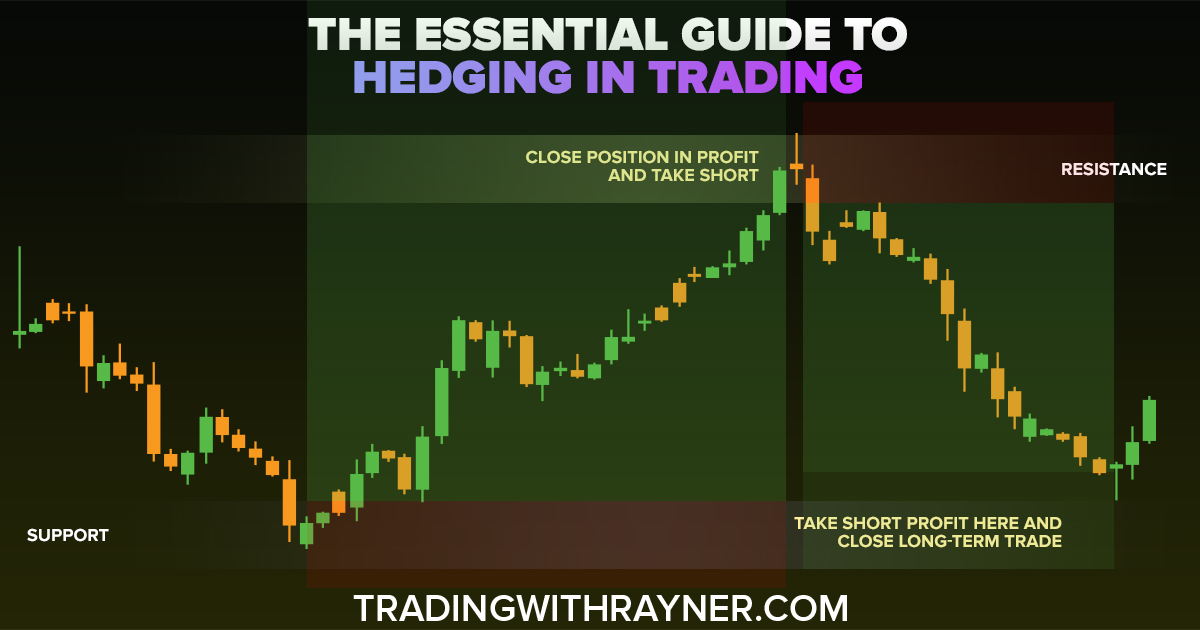
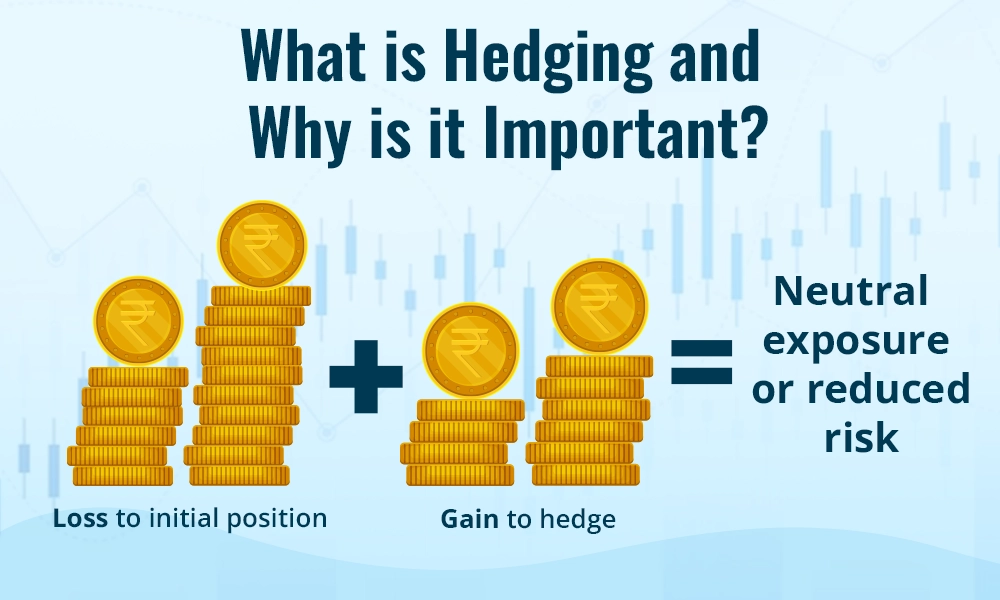
It is important to note that hedging is not about making a profit; it is about reducing loss. When you hedge, you are essentially creating a "neutral" position. If your primary investment gains value, your hedge will likely lose value, resulting in a lower net profit than if you hadn't hedged at all. However, if your primary investment loses value, your hedge will gain value, significantly reducing the overall impact on your capital. For many professional traders, the cost of the hedge is a small price to pay for the peace of mind and capital preservation it provides.
Common Hedging Strategies in Financial Markets
There is no one-size-fits-all approach to hedging. Depending on the asset class and the trader's objectives, several strategies can be employed. Here are the most common methods used in modern trading:
1. Direct Hedging
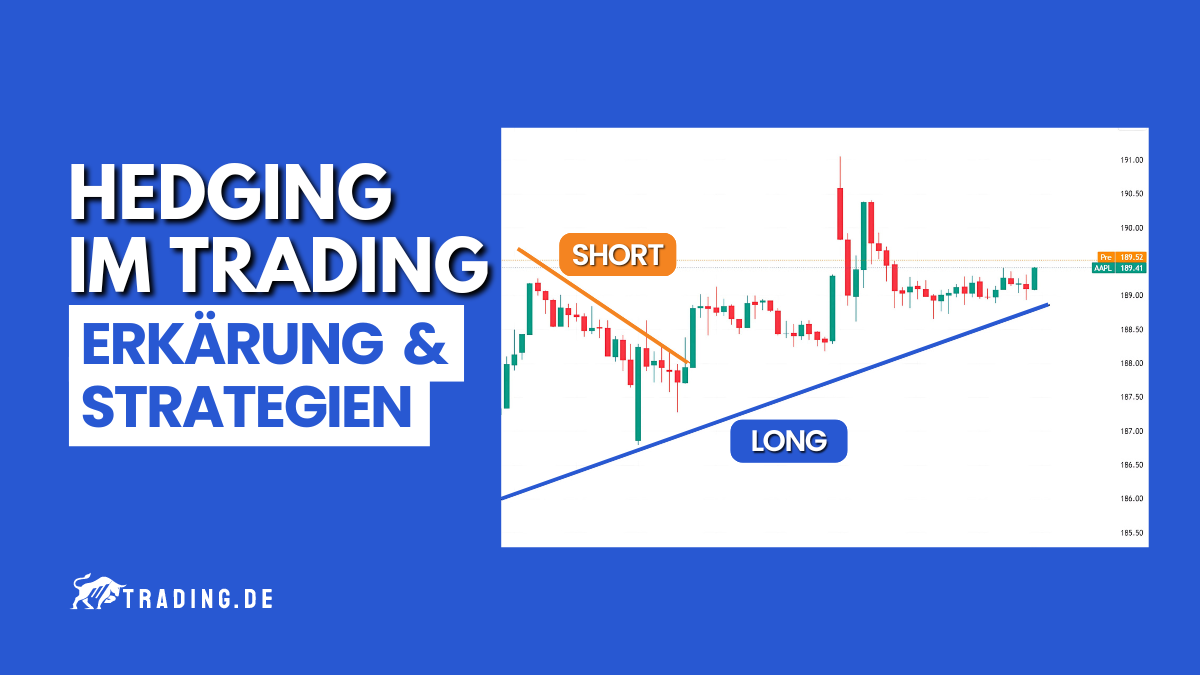
Direct hedging occurs when a trader opens two opposing positions on the same asset simultaneously. For example, if you are "Long" (buying) 1 lot of EUR/USD, you would simultaneously open a "Short" (selling) position of 1 lot on EUR/USD. While many brokers (especially in the US under FIFO rules) do not allow this, it is a common practice in international forex trading to "freeze" a profit or loss during periods of high volatility.
2. Diversification
While often considered a separate concept, diversification is the most basic form of hedging. By spreading your capital across various assets that are not perfectly correlated (e.g., stocks, bonds, and gold), you reduce the risk that a single market event will wipe out your entire portfolio. If the stock market crashes, gold often rises, acting as a natural hedge.
3. Using Derivatives (Options and Futures)
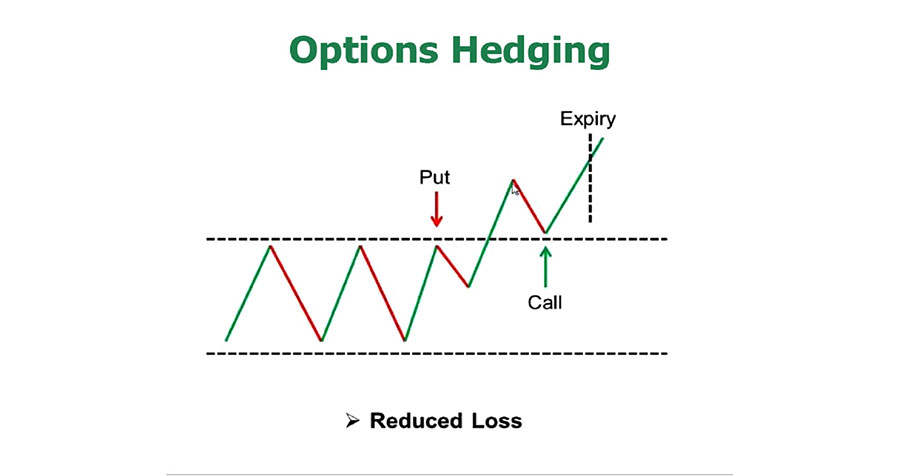
Derivatives are the most powerful tools for hedging. Options give a trader the right, but not the obligation, to buy or sell an asset at a specific price. A popular strategy is the "Married Put," where an investor buys a stock and simultaneously buys a "Put" option. If the stock price falls below the option's strike price, the trader can sell the stock at that strike price, effectively capping their losses.
4. Cross-Hedging
Cross-hedging involves hedging a position in one asset by taking an opposite position in a different, but highly correlated, asset. For example, an investor with a large portfolio of airline stocks might hedge their exposure by buying futures contracts on oil. Since airline profitability is inversely related to fuel prices, a spike in oil prices (which would hurt the stocks) would lead to a profit in the oil futures trade.
| Feature/Aspect | Description |
|---|---|
| Primary Objective | To reduce or eliminate the risk of price fluctuations in an investment. |
| Cost of Hedging | Often involves transaction fees, spreads, or option premiums. |
| Common Instruments | Options, Futures, CFDs, and Inverse ETFs. |
| Market Neutrality | The goal is to create a balance where market moves have minimal impact on total equity. |
| Profit Potential | Typically limits the maximum profit in exchange for downside protection. |
The Pros and Cons of Hedging
Every strategy in trading comes with a trade-off. While hedging is a vital tool for institutional giants like hedge funds and pension funds, individual retail traders must weigh the benefits against the drawbacks.
The Advantages
- Capital Protection: The most significant benefit is the preservation of capital during bear markets or "Black Swan" events.
- Reduced Volatility: Hedging smoothes out the equity curve of a trading account, making the psychological aspect of trading easier to manage.
- Flexibility: It allows traders to stay in long-term positions even during short-term market corrections.
The Disadvantages
- Cost: Hedging is not free. Every time you open a hedge, you pay commissions and spreads. Over time, these costs can eat into your overall returns.
- Capped Profits: If the market moves in your favor, the hedge will lose money, meaning your total profit will be lower than if you had simply taken the risk.
- Complexity: Advanced hedging requires a deep understanding of derivatives and market correlations, which can be challenging for beginners.
Why Do Professional Traders Hedge?
For professional traders, hedging is less about "fear" and more about "mathematical necessity." Large funds often manage billions of dollars; they cannot simply "exit" a position without causing a massive price slippage. Therefore, they use futures and options to protect their holdings. Furthermore, hedging allows for more precise Risk/Reward ratios. By knowing exactly how much you stand to lose (the floor), you can manage your leverage more effectively.
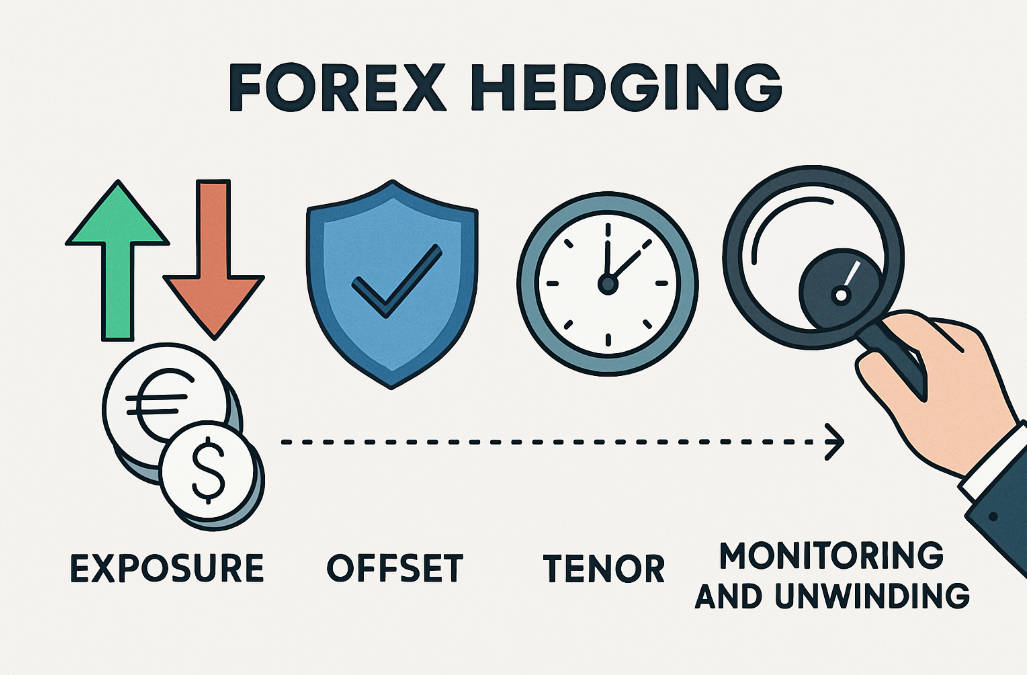
In the Forex market, companies use hedging to protect against currency fluctuations. An American company expecting a payment in Euros three months from now might use a forward contract to lock in the current exchange rate, ensuring that a drop in the Euro doesn't reduce their revenue. This is known as operational hedging, and it is a cornerstone of global trade.
FAQ: Frequently Asked Questions About Hedging
1. Is hedging the same as diversification?
Not exactly. While both aim to reduce risk, diversification spreads risk across different assets to minimize the impact of one failing. Hedging is more targeted; it involves taking a specific technical position to offset the risk of a specific asset you already own.
2. Can I hedge with a small trading account?
Yes, though it may be more difficult due to transaction costs. Retail traders often use CFDs (Contracts for Difference) or micro-futures to hedge small positions without needing the capital required for full-sized contracts.
3. Is hedging legal?
Hedging is perfectly legal in most parts of the world. However, some specific rules apply. For instance, the CFTC in the United States prohibits "simultaneous" long and short positions on the same currency pair in the same account (the FIFO rule). Traders in the US often use different accounts or different instruments to achieve the same hedging effect.
4. Does hedging guarantee I won't lose money?
No. Hedging can fail if the assets used for the hedge do not correlate as expected (basis risk) or if the cost of maintaining the hedge exceeds the protection it provides. It is a tool for risk reduction, not risk elimination.
Conclusion
In conclusion, understanding what hedging is in trading is essential for anyone looking to transition from a casual speculator to a professional-minded investor. By implementing hedging strategies—whether through options, futures, or asset correlation—you empower yourself to navigate the markets with confidence. While it requires a bit of an "insurance premium" in the form of costs and capped upside, the ability to survive a market crash and keep your capital intact is invaluable.
Before you begin hedging, ensure you have a solid grasp of the instruments you are using. Start small, track your results, and remember that the goal of hedging is consistent, long-term survival in the markets. By protecting your downside, the upside will eventually take care of itself.
What Is Hedging In Trading
What Is Hedging In Trading Wallpapers
Collection of what is hedging in trading wallpapers for your desktop and mobile devices.

Crisp What Is Hedging In Trading Photo Collection
This gorgeous what is hedging in trading photo offers a breathtaking view, making it a perfect choice for your next wallpaper.
Captivating What Is Hedging In Trading Moment in 4K
Find inspiration with this unique what is hedging in trading illustration, crafted to provide a fresh look for your background.

Artistic What Is Hedging In Trading Photo Collection
Immerse yourself in the stunning details of this beautiful what is hedging in trading wallpaper, designed for a captivating visual experience.
Beautiful What Is Hedging In Trading Design for Desktop
Explore this high-quality what is hedging in trading image, perfect for enhancing your desktop or mobile wallpaper.
Serene What Is Hedging In Trading Capture Photography
Discover an amazing what is hedging in trading background image, ideal for personalizing your devices with vibrant colors and intricate designs.

Vivid What Is Hedging In Trading Artwork Digital Art
Discover an amazing what is hedging in trading background image, ideal for personalizing your devices with vibrant colors and intricate designs.

Beautiful What Is Hedging In Trading Moment in HD
Transform your screen with this vivid what is hedging in trading artwork, a true masterpiece of digital design.

Lush What Is Hedging In Trading Artwork Photography
This gorgeous what is hedging in trading photo offers a breathtaking view, making it a perfect choice for your next wallpaper.

Detailed What Is Hedging In Trading Image Collection
Transform your screen with this vivid what is hedging in trading artwork, a true masterpiece of digital design.

Stunning What Is Hedging In Trading Capture in HD
Find inspiration with this unique what is hedging in trading illustration, crafted to provide a fresh look for your background.
Detailed What Is Hedging In Trading Photo Digital Art
Transform your screen with this vivid what is hedging in trading artwork, a true masterpiece of digital design.

Stunning What Is Hedging In Trading Background for Mobile
This gorgeous what is hedging in trading photo offers a breathtaking view, making it a perfect choice for your next wallpaper.
Amazing What Is Hedging In Trading Landscape Art
Explore this high-quality what is hedging in trading image, perfect for enhancing your desktop or mobile wallpaper.
Exquisite What Is Hedging In Trading Picture for Your Screen
Find inspiration with this unique what is hedging in trading illustration, crafted to provide a fresh look for your background.

Stunning What Is Hedging In Trading Scene for Your Screen
Immerse yourself in the stunning details of this beautiful what is hedging in trading wallpaper, designed for a captivating visual experience.
Spectacular What Is Hedging In Trading Abstract Collection
This gorgeous what is hedging in trading photo offers a breathtaking view, making it a perfect choice for your next wallpaper.
Vivid What Is Hedging In Trading Artwork Illustration
Experience the crisp clarity of this stunning what is hedging in trading image, available in high resolution for all your screens.

High-Quality What Is Hedging In Trading Landscape Illustration
Transform your screen with this vivid what is hedging in trading artwork, a true masterpiece of digital design.
Stunning What Is Hedging In Trading Scene for Your Screen
This gorgeous what is hedging in trading photo offers a breathtaking view, making it a perfect choice for your next wallpaper.
Vivid What Is Hedging In Trading Image for Your Screen
Experience the crisp clarity of this stunning what is hedging in trading image, available in high resolution for all your screens.
Download these what is hedging in trading wallpapers for free and use them on your desktop or mobile devices.