Kiwi green card holders advised to be upfront about previous convictions when entering US
Kiwi green card holders advised to be upfront about previous convictions when entering US
Navigating international borders as a Lawful Permanent Resident (LPR) can be a seamless experience, but for New Zealand citizens holding U.S. green cards, a single past mistake can lead to significant legal hurdles. Recent advisories highlight that Kiwi green card holders advised to be upfront about previous convictions when entering US are better positioned to protect their residency status than those who attempt to conceal their history. As U.S. Customs and Border Protection (CBP) increases its use of integrated digital databases and biometric screening, any discrepancy between a traveler's statements and their official record can trigger immediate secondary inspections, detention, or even the commencement of removal proceedings. Understanding the intersection of criminal law and immigration policy is now essential for every permanent resident planning a trip abroad.
Kiwi green card holders must disclose all previous criminal convictions, including those that were expunged or dismissed, when re-entering the United States to avoid charges of fraud or willful misrepresentation. Failure to be upfront can lead to a traveler being classified as an "arriving alien" rather than a "returning resident," subjecting them to grounds of inadmissibility that could result in the loss of their green card and mandatory deportation. Legal experts emphasize that while some minor offenses may not lead to removal, lying about them to a federal officer almost certainly creates a permanent bar to future immigration benefits, including U.S. citizenship.
The Critical Importance of Honesty at the U.S. Border
For many New Zealanders living in the United States, the green card represents years of hard work, financial investment, and family stability. However, this status is not an absolute right; it is a privilege that can be revoked if the holder is found to be inadmissible under U.S. immigration law. When a green card holder returns from an international trip, they undergo an inspection process where transparency is the most powerful tool for maintaining their status. U.S. border officers have the authority to ask detailed questions about a traveler's personal background, including their criminal history in both the U.S. and their home country.
The danger of non-disclosure is two-fold. First, the underlying crime itself might be a "deportable" or "inadmissible" offense. Second, and often more severely, the act of withholding that information is considered "fraud or willful misrepresentation" to gain an immigration benefit. This secondary offense is a standalone ground for inadmissibility that is notoriously difficult to waive. By being upfront, a traveler allows their legal counsel to argue why a specific conviction should not affect their status, whereas a lie often closes the door to such defenses.
How U.S. Customs and Border Protection (CBP) Processes Returning Residents
Upon landing at a U.S. port of entry, a green card holder is typically processed as a "returning resident." In this capacity, the officer checks for valid documentation and ensures the resident has not abandoned their status by staying outside the country for too long (usually more than 180 days). However, if the officer's database flags a criminal record, the traveler’s status can shift to that of an "arriving alien." This shift is critical because "arriving aliens" are subject to the full list of inadmissibility grounds found in Section 212 of the Immigration and Nationality Act.
CBP officers now have real-time access to international criminal databases, including records from New Zealand’s justice system. This means that an arrest in Auckland from ten years ago that a traveler might have forgotten—or thought was "wiped" from their record—will likely appear on an officer's screen in Los Angeles or Honolulu. The officer is not looking to re-try the case; they are looking to see if the traveler is honest and if the crime falls under categories like "Crimes Involving Moral Turpitude" (CIMT) or "Aggravated Felonies."
Crimes Involving Moral Turpitude (CIMT) and Their Impact
One of the most complex areas of U.S. immigration law involves "Crimes Involving Moral Turpitude." This is a broad category that generally includes offenses involving fraud, larceny, or intent to harm. For a Kiwi green card holder, a conviction for something as seemingly minor as shoplifting or a low-level fraud offense can be classified as a CIMT. Under the law, a single CIMT conviction can lead to a finding of inadmissibility if it was committed within five years of admission and carried a potential sentence of one year or more.
The "petty offense exception" may protect some travelers if they have only one such conviction, the maximum penalty possible for the crime did not exceed one year, and the person was not sentenced to a term of imprisonment greater than six months. However, determining whether a specific New Zealand conviction fits this exception requires a technical analysis of both New Zealand and U.S. statutes. This is why being upfront is essential; it provides the opportunity to present a legal brief or "CBP entry letter" prepared by an attorney that explains why the offense fits within a legal exception.
Aggravated Felonies: The Fast Track to Removal
While the term "Aggravated Felony" sounds like it would only apply to violent crimes, its definition in U.S. immigration law is surprisingly broad. It can include drug trafficking, certain theft offenses, and even failure to appear in court. For green card holders, a conviction labeled as an aggravated felony is a devastating blow. It often leads to mandatory detention and prevents the individual from applying for most forms of relief from deportation.
New Zealand citizens should be aware that what is considered a "misdemeanor" in another jurisdiction might be classified as an "aggravated felony" for U.S. immigration purposes. If a traveler is upfront about such a history, they may be able to seek "post-conviction relief" to vacate or modify the sentence before traveling, thereby mitigating the immigration consequences. Attempting to enter without disclosing such a record frequently results in the traveler being placed directly into an immigration detention facility from the airport.
Navigating the Secondary Inspection Process
If a CBP officer decides that more information is needed, the traveler will be referred to "secondary inspection." This is a more intensive screening process that can last several hours. During this time, officers may search luggage and even electronic devices like smartphones and laptops. It is important to remain calm and truthful. While U.S. citizens have an absolute right to enter the country, green card holders are still subject to inspection and must prove they are eligible to remain.
| Risk Factor | Potential Immigration Consequence |
|---|---|
| Failure to Disclose Conviction | Inadmissibility due to Fraud/Misrepresentation |
| Crime Involving Moral Turpitude | Possible Removal Proceedings or Ineligibility for Citizenship |
| Aggravated Felony Conviction | Mandatory Detention and Permanent Deportation |
| Travel Over 180 Days | Treatment as "Arriving Alien" and Status Scrutiny |
During secondary inspection, you have the right to an interpreter if you do not understand the questions, and you have the right to review any statement before signing it. However, there is no general right to have an attorney present during the initial inspection at a port of entry. If you are a non-citizen and find yourself detained, you should ask to speak with your consulate or request a list of legal providers. The most important rule in secondary inspection is never to sign Form I-407, which is a "Record of Abandonment of Lawful Permanent Resident Status," unless you actually intend to give up your green card and leave the U.S. permanently.
The Trap of Expunged or "Wiped" Records
A common misconception among Kiwi travelers is that a record expunged under New Zealand’s "Clean Slate" scheme or similar legislation does not need to be disclosed. For U.S. immigration purposes, this is incorrect. The U.S. government defines a "conviction" differently than many other countries. Even if a record was expunged, dismissed after a diversion program, or "wiped" from a public database, it still counts as a conviction for immigration purposes if there was a formal judgment of guilt or if the person entered a plea of guilty or nolo contendere and some form of punishment or restraint was imposed.
Lying about an expunged record is a frequent cause of green card revocations. When the CBP officer finds the "hidden" record, the traveler’s credibility is destroyed. It is far safer to provide the officer with the original court dispositions and proof of the expungement. This shows that while a mistake was made, the traveler has been rehabilitated and is being honest about their past, which can be a mitigating factor in an officer's discretionary decisions.
Drug Offenses and Federal Law Conflicts
Drug-related offenses are treated with extreme severity by U.S. immigration authorities. Because immigration is a federal matter, federal law applies at the border. This is particularly relevant for offenses involving marijuana. Even if a traveler was involved with marijuana in a state where it is legal, or had a minor possession charge in New Zealand that resulted in a small fine, this can trigger a "reason to believe" that the individual is a drug trafficker or has a controlled substance violation. These are often lifetime bars to entry.
Kiwi green card holders are advised to be exceptionally cautious regarding any drug-related history. Even admitting to drug use—without a conviction—to a CBP officer can lead to a finding of inadmissibility. If you have any drug-related history, consulting with an immigration attorney before traveling is not just recommended; it is essential for the preservation of your residency status.
Preparing for a Smooth Re-entry: Practical Tips
To avoid the stresses of secondary inspection and the threat of removal, Kiwi green card holders should take proactive steps before they even book a flight. First, obtain a "Certified Copy" of your New Zealand criminal record and any U.S. court dispositions. Having these documents on hand allows you to provide immediate, accurate information to an officer. Second, if your trip will last more than six months, apply for a Re-entry Permit (Form I-131) before you leave the United States. This document serves as proof that you did not intend to abandon your residency.
Additionally, maintain strong ties to the United States. Officers look for evidence that the U.S. is your actual home. This includes maintaining a U.S. address, filing U.S. tax returns as a resident, keeping U.S. bank accounts, and having family ties in the country. If an officer questions your intent to remain a permanent resident, having proof of these ties can quickly resolve the issue and allow you to proceed through customs.
Frequently Asked Questions
1. Do I really have to tell them about a minor conviction from 20 years ago?
Yes. U.S. immigration law has no "statute of limitations" on criminal convictions. An old record can still be used as a ground for inadmissibility or to prove a lack of good moral character during the naturalization process. Honesty is always the best policy to avoid fraud charges.
2. What happens if I am referred to secondary inspection?
You will be taken to a separate area for further questioning. Officers may search your bags and phone. Remain polite, answer questions truthfully, and do not sign any documents that waive your rights or abandon your status without legal advice.
3. Can the officer take my green card away at the airport?
A CBP officer cannot "revoke" your permanent resident status on the spot. Only an immigration judge can do that. However, an officer can take your physical card as evidence and issue you a "Notice to Appear" (NTA) in immigration court. They may also give you a temporary stamp in your passport to show your status until your court date.
4. Should I travel if I have a pending criminal case?
It is highly risky to travel with an unresolved criminal case. CBP may see the arrest and detain you until the case is resolved, or treat the pending charges as a reason to find you inadmissible. Consult an attorney before leaving the U.S. in this situation.
5. Does a DUI count as a crime of moral turpitude?
Usually, a simple DUI is not considered a CIMT. However, a DUI involving multiple offenses, driving with a suspended license, or causing serious injury can be classified as a CIMT or even an aggravated felony depending on the specific circumstances and sentencing.
Conclusion
The guidance for New Zealand citizens is clear: Kiwi green card holders advised to be upfront about previous convictions when entering US are taking the most vital step in safeguarding their future in America. While the prospect of disclosing a past mistake to a federal officer is daunting, the alternative—a discovery of that mistake coupled with a charge of fraud—is far worse. By preparing documentation in advance, understanding the legal categories of their past offenses, and maintaining total transparency, Lawful Permanent Residents can navigate the complexities of the U.S. border with confidence. Protecting your green card requires vigilance, but with honesty and the right legal support, your status can remain secure for years to come.
Kiwi green card holders advised to be upfront about previous convictions when entering US
Kiwi green card holders advised to be upfront about previous convictions when entering US Wallpapers
Collection of kiwi green card holders advised to be upfront about previous convictions when entering us wallpapers for your desktop and mobile devices.

Stunning Kiwi Green Card Holders Advised To Be Upfront About Previous Convictions When Entering Us Design Photography
This gorgeous kiwi green card holders advised to be upfront about previous convictions when entering us photo offers a breathtaking view, making it a perfect choice for your next wallpaper.

Vibrant Kiwi Green Card Holders Advised To Be Upfront About Previous Convictions When Entering Us Capture in HD
Explore this high-quality kiwi green card holders advised to be upfront about previous convictions when entering us image, perfect for enhancing your desktop or mobile wallpaper.
Vivid Kiwi Green Card Holders Advised To Be Upfront About Previous Convictions When Entering Us Artwork for Desktop
Experience the crisp clarity of this stunning kiwi green card holders advised to be upfront about previous convictions when entering us image, available in high resolution for all your screens.
Detailed Kiwi Green Card Holders Advised To Be Upfront About Previous Convictions When Entering Us Photo Digital Art
Explore this high-quality kiwi green card holders advised to be upfront about previous convictions when entering us image, perfect for enhancing your desktop or mobile wallpaper.
Vibrant Kiwi Green Card Holders Advised To Be Upfront About Previous Convictions When Entering Us Abstract Art
Explore this high-quality kiwi green card holders advised to be upfront about previous convictions when entering us image, perfect for enhancing your desktop or mobile wallpaper.

Captivating Kiwi Green Card Holders Advised To Be Upfront About Previous Convictions When Entering Us Capture for Desktop
This gorgeous kiwi green card holders advised to be upfront about previous convictions when entering us photo offers a breathtaking view, making it a perfect choice for your next wallpaper.

Exquisite Kiwi Green Card Holders Advised To Be Upfront About Previous Convictions When Entering Us Design in 4K
Find inspiration with this unique kiwi green card holders advised to be upfront about previous convictions when entering us illustration, crafted to provide a fresh look for your background.
Mesmerizing Kiwi Green Card Holders Advised To Be Upfront About Previous Convictions When Entering Us Capture Digital Art
Explore this high-quality kiwi green card holders advised to be upfront about previous convictions when entering us image, perfect for enhancing your desktop or mobile wallpaper.
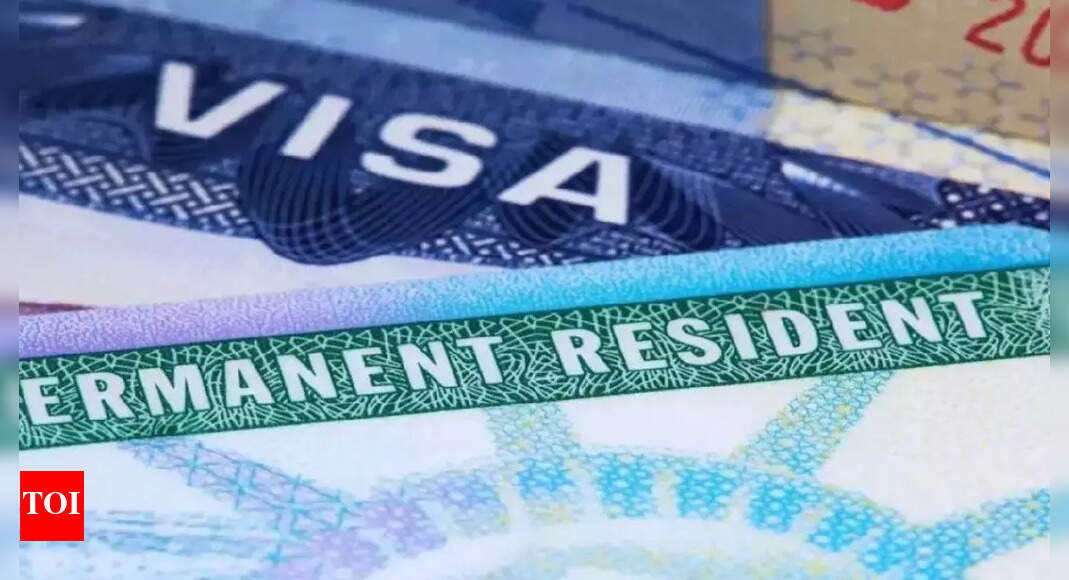
Breathtaking Kiwi Green Card Holders Advised To Be Upfront About Previous Convictions When Entering Us Capture Collection
Explore this high-quality kiwi green card holders advised to be upfront about previous convictions when entering us image, perfect for enhancing your desktop or mobile wallpaper.

Artistic Kiwi Green Card Holders Advised To Be Upfront About Previous Convictions When Entering Us Image for Mobile
Immerse yourself in the stunning details of this beautiful kiwi green card holders advised to be upfront about previous convictions when entering us wallpaper, designed for a captivating visual experience.
.jpg "Beautiful Kiwi Green Card Holders Advised To Be Upfront About Previous Convictions When Entering Us Scene Concept")
Beautiful Kiwi Green Card Holders Advised To Be Upfront About Previous Convictions When Entering Us Scene Concept
Explore this high-quality kiwi green card holders advised to be upfront about previous convictions when entering us image, perfect for enhancing your desktop or mobile wallpaper.

Vivid Kiwi Green Card Holders Advised To Be Upfront About Previous Convictions When Entering Us Moment for Mobile
Explore this high-quality kiwi green card holders advised to be upfront about previous convictions when entering us image, perfect for enhancing your desktop or mobile wallpaper.

Vivid Kiwi Green Card Holders Advised To Be Upfront About Previous Convictions When Entering Us Picture for Mobile
Experience the crisp clarity of this stunning kiwi green card holders advised to be upfront about previous convictions when entering us image, available in high resolution for all your screens.

Amazing Kiwi Green Card Holders Advised To Be Upfront About Previous Convictions When Entering Us Moment in 4K
Transform your screen with this vivid kiwi green card holders advised to be upfront about previous convictions when entering us artwork, a true masterpiece of digital design.

Spectacular Kiwi Green Card Holders Advised To Be Upfront About Previous Convictions When Entering Us Image Illustration
Find inspiration with this unique kiwi green card holders advised to be upfront about previous convictions when entering us illustration, crafted to provide a fresh look for your background.

Crisp Kiwi Green Card Holders Advised To Be Upfront About Previous Convictions When Entering Us Artwork in 4K
This gorgeous kiwi green card holders advised to be upfront about previous convictions when entering us photo offers a breathtaking view, making it a perfect choice for your next wallpaper.

Serene Kiwi Green Card Holders Advised To Be Upfront About Previous Convictions When Entering Us Capture Art
Discover an amazing kiwi green card holders advised to be upfront about previous convictions when entering us background image, ideal for personalizing your devices with vibrant colors and intricate designs.

Gorgeous Kiwi Green Card Holders Advised To Be Upfront About Previous Convictions When Entering Us Background Nature
A captivating kiwi green card holders advised to be upfront about previous convictions when entering us scene that brings tranquility and beauty to any device.

Amazing Kiwi Green Card Holders Advised To Be Upfront About Previous Convictions When Entering Us Design Digital Art
Experience the crisp clarity of this stunning kiwi green card holders advised to be upfront about previous convictions when entering us image, available in high resolution for all your screens.
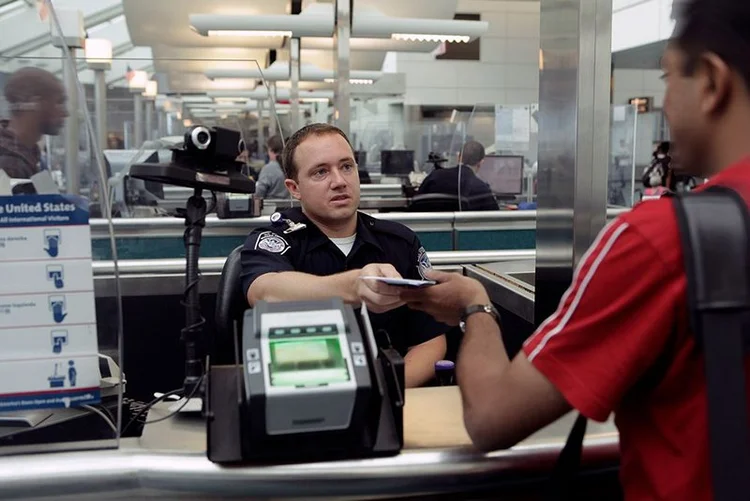
Mesmerizing Kiwi Green Card Holders Advised To Be Upfront About Previous Convictions When Entering Us Moment Collection
Explore this high-quality kiwi green card holders advised to be upfront about previous convictions when entering us image, perfect for enhancing your desktop or mobile wallpaper.
Download these kiwi green card holders advised to be upfront about previous convictions when entering us wallpapers for free and use them on your desktop or mobile devices.