Live Updates: Seized ship taken toward Iran as Trump and China's Xi agree Strait of Hormuz "must remain open"
Live Updates: Seized ship taken toward Iran as Trump and China's Xi agree Strait of Hormuz "must remain open"
The global geopolitical landscape reached a fever pitch today as news broke of a vessel seizure near the United Arab Emirates, occurring simultaneously with a high-stakes diplomatic breakthrough in Beijing. While unauthorized personnel boarded a ship northeast of Fujairah and directed it toward Iranian territorial waters, U.S. President Donald Trump and Chinese President Xi Jinping issued a rare joint affirmation regarding the sanctity of international shipping lanes. This juxtaposition of escalating maritime tension and superpower alignment marks a critical turning point in the ongoing conflict within the Persian Gulf, as the world watches whether diplomatic pressure can curb the rising tide of "outright piracy" and naval blockades that have paralyzed global energy markets.
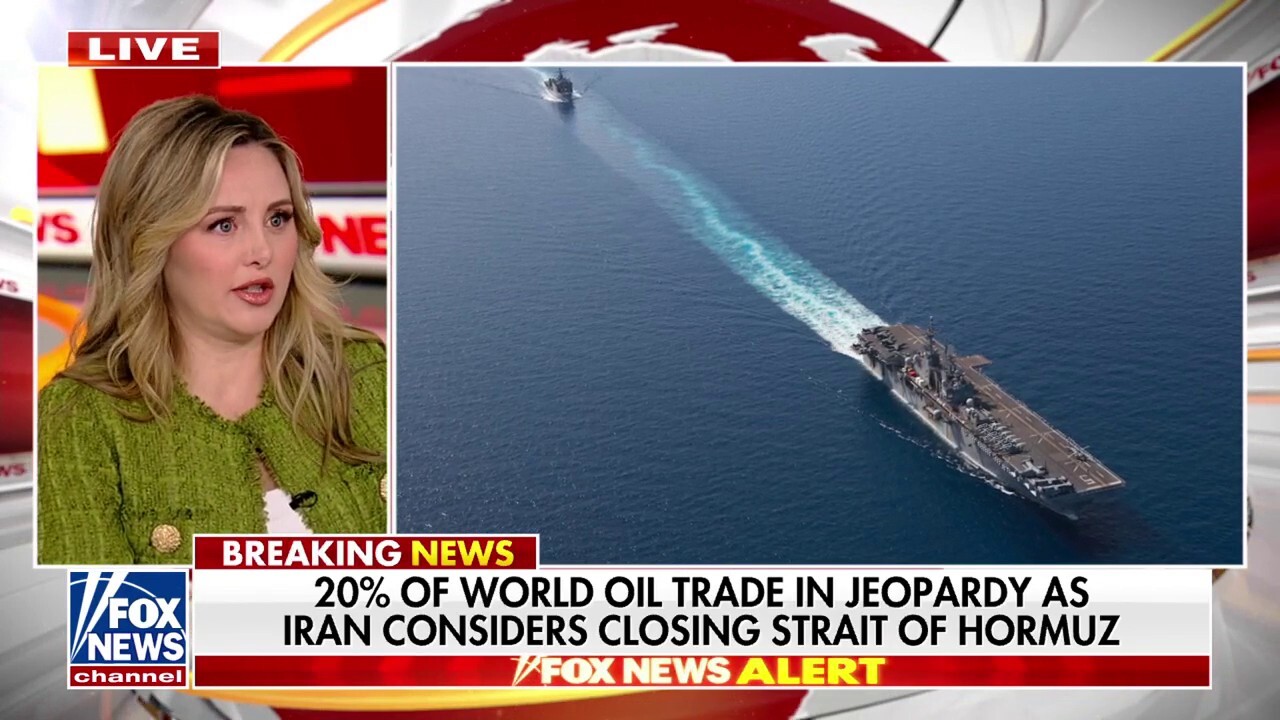
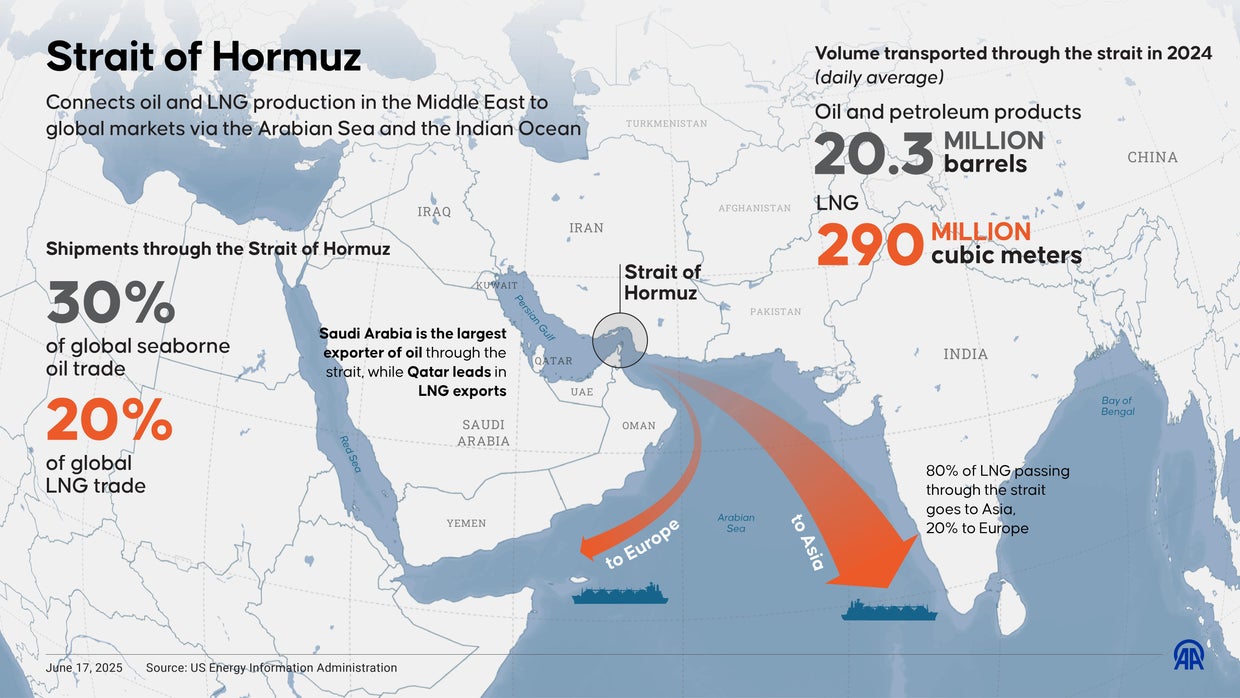
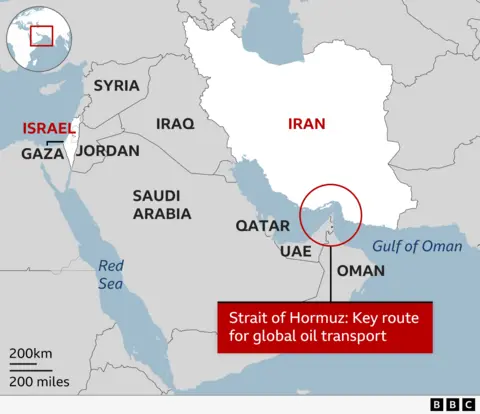
The seizure of a Honduras-flagged research vessel, reportedly functioning as a floating armory, underscores the volatility of the Strait of Hormuz, where roughly 20 percent of the world's oil and gas supply is currently at risk. In a significant diplomatic shift, Presidents Trump and Xi agreed during their Beijing summit that the Strait of Hormuz must remain open to support the free flow of energy, with China explicitly opposing the militarization of the waterway and any attempts to impose transit tolls. This alignment between the world's two largest economies seeks to stabilize energy prices—which have seen gas prices in the U.S. surge from $2.98 to $4.53 per gallon—and provide a united front against Iranian efforts to exert total operational control over the strategic chokepoint.
High-Stakes Seizure off the Coast of Fujairah
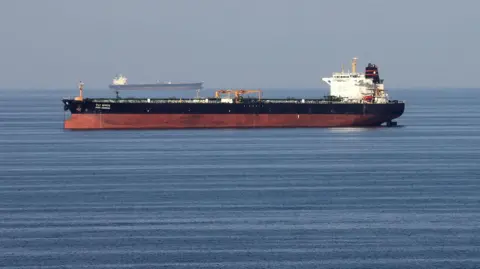
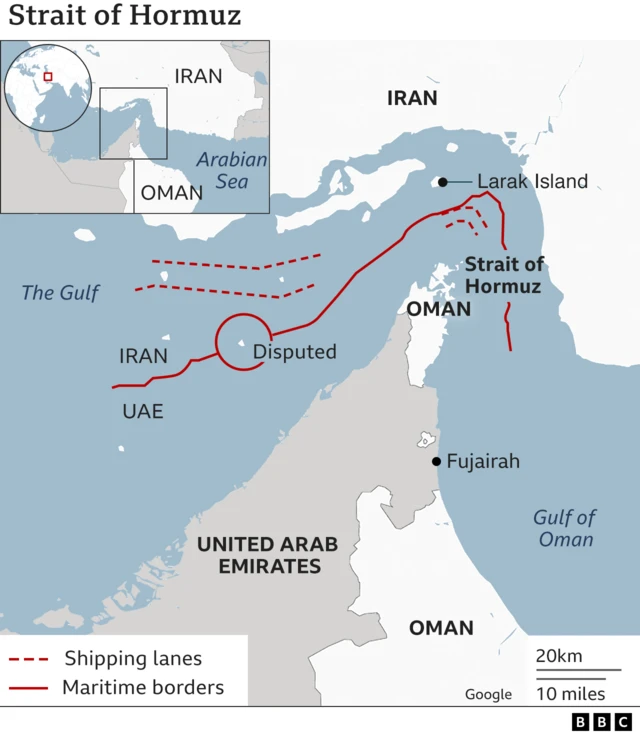
Early Thursday morning, the United Kingdom Maritime Trade Operations (UKMTO) center issued an urgent warning after receiving reports of a vessel being boarded by unauthorized personnel. The incident occurred approximately 38 nautical miles northeast of the UAE port of Fujairah, a vital oil export terminal. According to the advisory, the ship was taken while at anchor and was immediately observed heading toward Iranian territorial waters. While initial reports were vague, maritime analysts and sources close to the situation identified the vessel as the Hui Chuan, a research ship known to be used as a "floating armory" for maritime security guards.
The timing of this seizure is particularly sensitive. It follows months of escalating hostilities that began in February 2026. The act of taking a vessel near such a critical hub as Fujairah demonstrates the reach of Iranian naval assets and their willingness to intervene in the passage of ships that they deem non-compliant with their new, unilaterally imposed protocols. For the international community, this represents a direct challenge to the "freedom of navigation" that has underpinned global trade for decades. The British military and various international monitoring groups are currently tracking the vessel, though its recovery remains a complex military and diplomatic puzzle.
Trump and Xi Find Rare Common Ground in Beijing
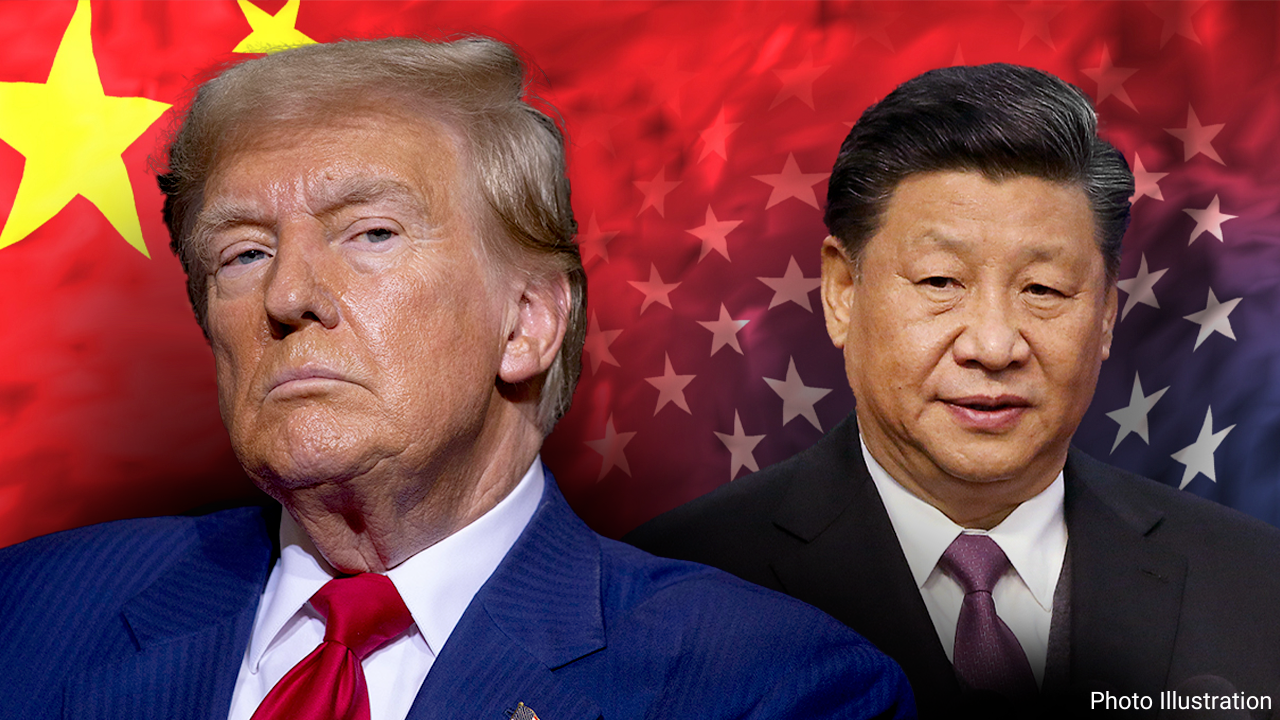
In a move that surprised many seasoned diplomats, President Donald Trump's visit to China has yielded a significant consensus on Middle Eastern stability. Despite ongoing trade disputes and disagreements over Taiwan, both leaders utilized their two-hour meeting at the Great Hall of the People to address the energy crisis. The White House confirmed that Trump and Xi Jinping agreed that the Strait of Hormuz "must remain open." This is a major win for the Trump administration, which has seen its approval ratings suffer under the weight of "war-induced inflation" and skyrocketing fuel costs.
Xi Jinping's stance is particularly impactful given China's role as a major purchaser of Iranian oil. By publicly aligning with the U.S. on the issue of the Strait, Beijing is signaling to Tehran that there are limits to its "strategic partnership." While China continues to facilitate the passage of its own tankers through Iranian coordination, its opposition to a formal tolling system and the further militarization of the waterway suggests it wants a return to predictable trade. Secretary of State Marco Rubio noted that while the U.S. did not ask for China to act as a formal mediator, the alignment of interests is undeniable: no major economy can withstand the prolonged closure of the world's most important energy artery.
The Humanitarian Cost: 20,000 Seafarers Stranded
Beyond the headlines of naval maneuvers and presidential summits lies a growing humanitarian crisis. The International Maritime Organization (IMO) has reported that approximately 20,000 seafarers are currently impacted by the instability in the Persian Gulf. These mariners, including port workers and offshore crews, are often caught in the crossfire of blockades and seizures. Many are stranded on vessels that are unable to exit the Gulf due to the Iranian blockade or the corresponding U.S. counter-blockade. The IMO has called for an urgent "safe-passage framework" to allow for the evacuation of merchant ships and to ensure that crew members receive essential supplies like food, water, and fuel.
The psychological toll on these workers is immense. Reports have surfaced of projectile attacks on bulk carriers and tankers, such as the recent hit on a ship 23 nautical miles northeast of Doha. For these seafarers, the "war zone" is not a metaphor but a daily reality. The international community's failure to secure the Strait has turned civilian commercial vessels into pawns in a geopolitical game. President Trump's "Project Freedom" was launched specifically as a "humanitarian gesture" to guide these trapped ships to safety, yet the mission remains fraught with danger as Iranian forces continue to challenge the presence of the U.S. Navy in what they consider their territorial property.
Iranian Protocols and the Struggle for Sovereignty
Tehran's perspective, voiced by Foreign Minister Abbas Araghchi, is that the Strait of Hormuz is technically "open," but with a significant caveat: all vessels must cooperate with the Iranian Navy. Iran has effectively rewritten the rules of navigation in the region, demanding that ships request clearance and, in some cases, pay what the U.S. describes as an "illegal toll." Araghchi has blamed the current crisis on "American aggression" and the U.S.-led blockade of Iranian ports, arguing that Tehran's actions are a necessary response to protect its national security and economic interests.
The demand for "cooperation" is seen by the West as a move toward total annexation of the international waterway. Iranian officials have stated that the Strait belongs to Iran and they will not give it up "at any price." This hardline stance is designed to provide leverage in any future negotiations regarding Iran's nuclear program and the lifting of economic sanctions. By showing it can disrupt 20% of the world's oil at will, Iran forces the global powers to the table, even as it risks total military confrontation with the U.S. and Israel.
| Key Incident/Agreement | Status/Impact |
|---|---|
| Ship Seizure off Fujairah | Honduras-flagged research vessel taken toward Iranian waters |
| Trump-Xi Beijing Summit | Joint agreement that the Strait of Hormuz must remain open |
| Project Freedom Launch | U.S. Navy mission to escort 1,550+ stranded vessels |
| Global Gas Price Surge | U.S. national average rose from $2.98 to $4.53 per gallon |
| China-Iran Oil Protocol | Tehran authorized passage for Chinese tankers for $1/barrel "fee" |
The Economic Fallout: From Brent Crude to Gas Pumps
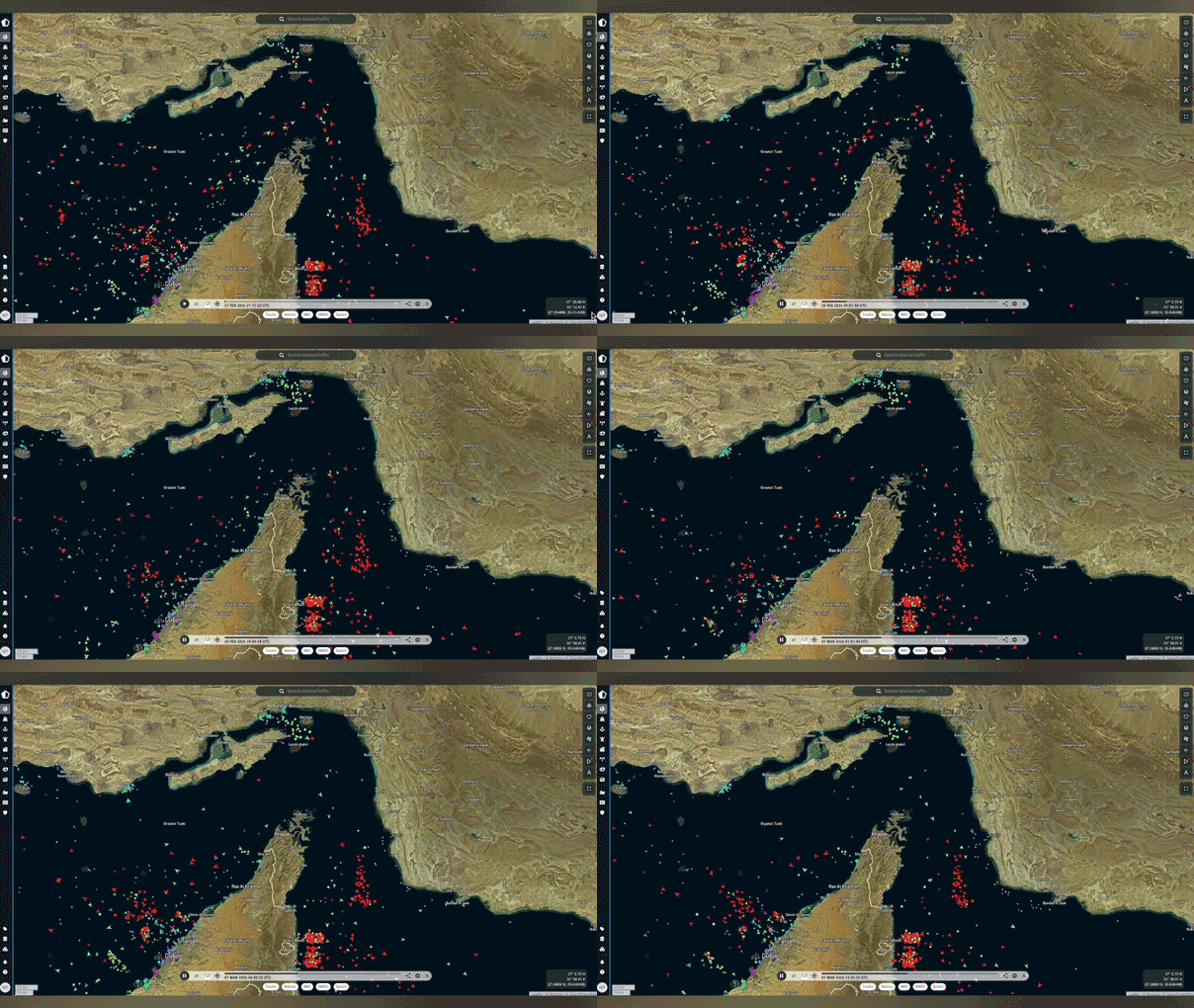
The effective closure of the Strait of Hormuz has sent shockwaves through the global economy. Brent crude prices have hit their highest levels since 2022, reflecting the massive disruption in supply. Before the conflict began in February, approximately 135 ships transited the Strait daily; that number plummeted to near zero at the height of the hostilities. Even with recent "goodwill gestures" allowing a handful of Chinese and Japanese tankers to pass, the volume is a mere fraction of what is required to maintain global price stability. The U.S. Treasury has noted that the blockade is a major driver of domestic inflation, complicating the Federal Reserve's efforts to manage the economy.
For countries like Japan, South Korea, and India, which are heavily dependent on Middle Eastern energy, the crisis is an existential threat. Japan currently has dozens of ships blocked in the Gulf, and Prime Minister Sanae Takaichi has described the recent passage of a single tanker as a "positive development" in an otherwise dire situation. The economic pressure is not limited to energy; insurance premiums for Gulf-bound vessels have skyrocketed, and many "war risk" clauses have been triggered, making it financially impossible for many shipowners to operate in the region without government-backed guarantees or military escorts.
Project Freedom: Escorts in a War Zone
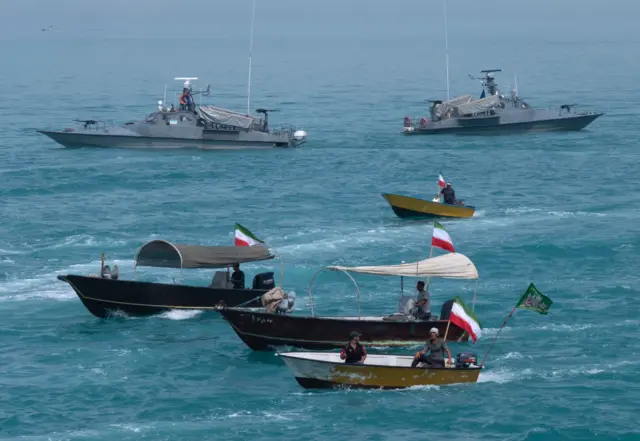
In response to the paralysis of maritime trade, President Trump announced "Operation Project Freedom." The mission's goal is to provide U.S. Navy escorts for commercial ships trying to exit the Persian Gulf. Defense Secretary Pete Hegseth has described this as a "temporary mission" to guide more than 22,500 mariners to safety. However, the operation has been anything but smooth. U.S. Central Command has reported numerous "tense encounters" with Iranian fast-attack boats and has had to intercept drones and cruise missiles targeting the convoys.
The U.S. military strategy involves setting up "enhanced security areas" and coordinating closely with allies like Oman. However, the mission is complicated by the dual nature of the conflict. While the U.S. is trying to "liberate" commercial shipping, it is also maintaining its own blockade of Iranian ports to prevent the shipment of weapons and the export of sanctioned oil. This "blockade vs. counter-blockade" dynamic has created a maritime stalemate where every move by one side is met with a provocative response from the other, such as the seizure of the Hui Chuan today.
International Reactions and Diplomatic Efforts
The global community is largely divided on how to handle the Hormuz crisis. The UN Security Council has seen multiple resolutions tabled, only to be vetoed by Russia or China in the past. However, the new consensus between Trump and Xi might pave the way for a more unified UN response. More than 110 nations are currently co-sponsoring a resolution that condemns the Iranian blockade and demands the removal of illegal sea mines. Meanwhile, the BRICS group, meeting in New Delhi, has become a forum for Iran to air its grievances against "Western piracy" and "illegal blockades."
Regional players like the UAE and Saudi Arabia are in a delicate position. The UAE has normalized relations with Israel but remains wary of being drawn into a direct war with Iran. The reports of Benjamin Netanyahu's "secret visit" to the UAE, while denied by the Gulf nation, highlight the complex intelligence and security cooperation happening behind the scenes. These nations are balancing their security needs with the desire to keep their oil flowing, often playing both sides by coordinating with the U.S. while maintaining open channels with Tehran to avoid being targeted by Iranian missiles.
The Future of Global Maritime Security
The events of today—the ship seizure and the Trump-Xi agreement—suggest that the era of "uncontested" freedom of navigation may be over. We are seeing the emergence of a "fragmented" maritime order where passage is granted based on political alignment, "fees," or military might. If Iran is successful in formalizing its control over the Strait, it could set a precedent for other strategic chokepoints around the world, such as the South China Sea or the Bab el-Mandeb. The international community is currently debating whether a new "Law of the Sea" is needed to address the realities of modern hybrid warfare and state-sponsored piracy.
As the U.S. considers reviving "Project Freedom" and allies like South Korea weigh their contributions, the focus remains on preventing a total regional war. The "stand-off" in the Gulf is a test of will between a superpower attempting to maintain the status quo and a regional power determined to upend it. The joint statement from Beijing offers a glimmer of hope that diplomacy might yet find a way to reopen the Strait, but the sight of a seized vessel being towed toward Iran serves as a stark reminder of how close the world remains to the edge of a global energy catastrophe.
Frequently Asked Questions
What ship was seized near the UAE today?
The vessel is reported to be the Honduras-flagged fishery research vessel Hui Chuan, which is often used as a floating armory for security personnel.
Why did Trump and Xi Jinping meet in Beijing?
They met for a high-stakes summit to discuss trade, regional stability, and the reopening of the Strait of Hormuz, agreeing that the waterway must remain open for energy flow.
How has the Strait of Hormuz closure affected gas prices?
In the United States, the national average for a gallon of regular gas has risen to $4.53, up from $2.98 before the conflict began.
What is "Project Freedom"?
It is a U.S. Navy mission launched by President Trump to escort and guide stranded merchant ships safely out of the Persian Gulf and through the Strait of Hormuz.
What are Iran's conditions for reopening the Strait?
Iran has demanded reparations for the war, recognition of its sovereignty over the Strait, and an end to the U.S. naval blockade of its ports.
FAQ Schema:
{ "@context": "https://schema.org", "@type": "FAQPage", "mainEntity": [ { "@type": "Question", "name": "What ship was seized near the UAE today?", "acceptedAnswer": { "@type": "Answer", "text": "The vessel is reported to be the Honduras-flagged fishery research vessel Hui Chuan, which is often used as a floating armory for security personnel." } }, { "@type": "Question", "name": "Why did Trump and Xi Jinping meet in Beijing?", "acceptedAnswer": { "@type": "Answer", "text": "They met for a high-stakes summit to discuss trade, regional stability, and the reopening of the Strait of Hormuz, agreeing that the waterway must remain open for energy flow." } }, { "@type": "Question", "name": "How has the Strait of Hormuz closure affected gas prices?", "acceptedAnswer": { "@type": "Answer", "text": "In the United States, the national average for a gallon of regular gas has risen to $4.53, up from $2.98 before the conflict began." } }, { "@type": "Question", "name": "What is Project Freedom?", "acceptedAnswer": { "@type": "Answer", "text": "It is a U.S. Navy mission launched by President Trump to escort and guide stranded merchant ships safely out of the Persian Gulf and through the Strait of Hormuz." } }, { "@type": "Question", "name": "What are Iran's conditions for reopening the Strait?", "acceptedAnswer": { "@type": "Answer", "text": "Iran has demanded reparations for the war, recognition of its sovereignty over the Strait, and an end to the U.S. naval blockade of its ports." } } ] }
Conclusion
The situation in the Strait of Hormuz remains a volatile mix of active maritime conflict and intense diplomatic maneuvering. While the seizure of the Hui Chuan demonstrates Iran's ongoing capability and resolve to disrupt shipping, the historic alignment between President Trump and President Xi Jinping provides a potent counterweight. The agreement that the "Strait must remain open" signals a rare moment of global unity against the total control of international waters by a single regional entity. As "Project Freedom" continues its dangerous mission to escort thousands of mariners to safety, the coming days will determine if this superpower consensus can be translated into a lasting ceasefire and a return to the stable energy markets that the global economy desperately requires. For now, the world remains on high alert, watching every nautical mile of the Persian Gulf for the next sign of escalation or peace.
Live Updates: Seized ship taken toward Iran as Trump and China's Xi agree Strait of Hormuz "must remain open"
Live Updates: Seized ship taken toward Iran as Trump and China's Xi agree Strait of Hormuz "must remain open" Wallpapers
Collection of live updates: seized ship taken toward iran as trump and china's xi agree strait of hormuz "must remain open" wallpapers for your desktop and mobile devices.

Artistic Live Updates: Seized Ship Taken Toward Iran As Trump And China's Xi Agree Strait Of Hormuz "must Remain Open" Image for Mobile
Immerse yourself in the stunning details of this beautiful live updates: seized ship taken toward iran as trump and china's xi agree strait of hormuz "must remain open" wallpaper, designed for a captivating visual experience.
Spectacular Live Updates: Seized Ship Taken Toward Iran As Trump And China's Xi Agree Strait Of Hormuz "must Remain Open" Moment for Mobile
A captivating live updates: seized ship taken toward iran as trump and china's xi agree strait of hormuz "must remain open" scene that brings tranquility and beauty to any device.
Beautiful Live Updates: Seized Ship Taken Toward Iran As Trump And China's Xi Agree Strait Of Hormuz "must Remain Open" Artwork Art
Transform your screen with this vivid live updates: seized ship taken toward iran as trump and china's xi agree strait of hormuz "must remain open" artwork, a true masterpiece of digital design.
Serene Live Updates: Seized Ship Taken Toward Iran As Trump And China's Xi Agree Strait Of Hormuz "must Remain Open" Image Concept
Transform your screen with this vivid live updates: seized ship taken toward iran as trump and china's xi agree strait of hormuz "must remain open" artwork, a true masterpiece of digital design.
Breathtaking Live Updates: Seized Ship Taken Toward Iran As Trump And China's Xi Agree Strait Of Hormuz "must Remain Open" Moment Digital Art
Explore this high-quality live updates: seized ship taken toward iran as trump and china's xi agree strait of hormuz "must remain open" image, perfect for enhancing your desktop or mobile wallpaper.
Artistic Live Updates: Seized Ship Taken Toward Iran As Trump And China's Xi Agree Strait Of Hormuz "must Remain Open" Artwork Illustration
A captivating live updates: seized ship taken toward iran as trump and china's xi agree strait of hormuz "must remain open" scene that brings tranquility and beauty to any device.
Vibrant Live Updates: Seized Ship Taken Toward Iran As Trump And China's Xi Agree Strait Of Hormuz "must Remain Open" View in 4K
Discover an amazing live updates: seized ship taken toward iran as trump and china's xi agree strait of hormuz "must remain open" background image, ideal for personalizing your devices with vibrant colors and intricate designs.
Breathtaking Live Updates: Seized Ship Taken Toward Iran As Trump And China's Xi Agree Strait Of Hormuz "must Remain Open" Design Digital Art
Discover an amazing live updates: seized ship taken toward iran as trump and china's xi agree strait of hormuz "must remain open" background image, ideal for personalizing your devices with vibrant colors and intricate designs.

Gorgeous Live Updates: Seized Ship Taken Toward Iran As Trump And China's Xi Agree Strait Of Hormuz "must Remain Open" Picture Digital Art
Immerse yourself in the stunning details of this beautiful live updates: seized ship taken toward iran as trump and china's xi agree strait of hormuz "must remain open" wallpaper, designed for a captivating visual experience.
Crisp Live Updates: Seized Ship Taken Toward Iran As Trump And China's Xi Agree Strait Of Hormuz "must Remain Open" Design Concept
Find inspiration with this unique live updates: seized ship taken toward iran as trump and china's xi agree strait of hormuz "must remain open" illustration, crafted to provide a fresh look for your background.
Beautiful Live Updates: Seized Ship Taken Toward Iran As Trump And China's Xi Agree Strait Of Hormuz "must Remain Open" Design Illustration
Discover an amazing live updates: seized ship taken toward iran as trump and china's xi agree strait of hormuz "must remain open" background image, ideal for personalizing your devices with vibrant colors and intricate designs.
Lush Live Updates: Seized Ship Taken Toward Iran As Trump And China's Xi Agree Strait Of Hormuz "must Remain Open" Artwork Concept
Find inspiration with this unique live updates: seized ship taken toward iran as trump and china's xi agree strait of hormuz "must remain open" illustration, crafted to provide a fresh look for your background.

Breathtaking Live Updates: Seized Ship Taken Toward Iran As Trump And China's Xi Agree Strait Of Hormuz "must Remain Open" Image Collection
Discover an amazing live updates: seized ship taken toward iran as trump and china's xi agree strait of hormuz "must remain open" background image, ideal for personalizing your devices with vibrant colors and intricate designs.
Spectacular Live Updates: Seized Ship Taken Toward Iran As Trump And China's Xi Agree Strait Of Hormuz "must Remain Open" Picture Art
A captivating live updates: seized ship taken toward iran as trump and china's xi agree strait of hormuz "must remain open" scene that brings tranquility and beauty to any device.
Beautiful Live Updates: Seized Ship Taken Toward Iran As Trump And China's Xi Agree Strait Of Hormuz "must Remain Open" Design Art
Explore this high-quality live updates: seized ship taken toward iran as trump and china's xi agree strait of hormuz "must remain open" image, perfect for enhancing your desktop or mobile wallpaper.
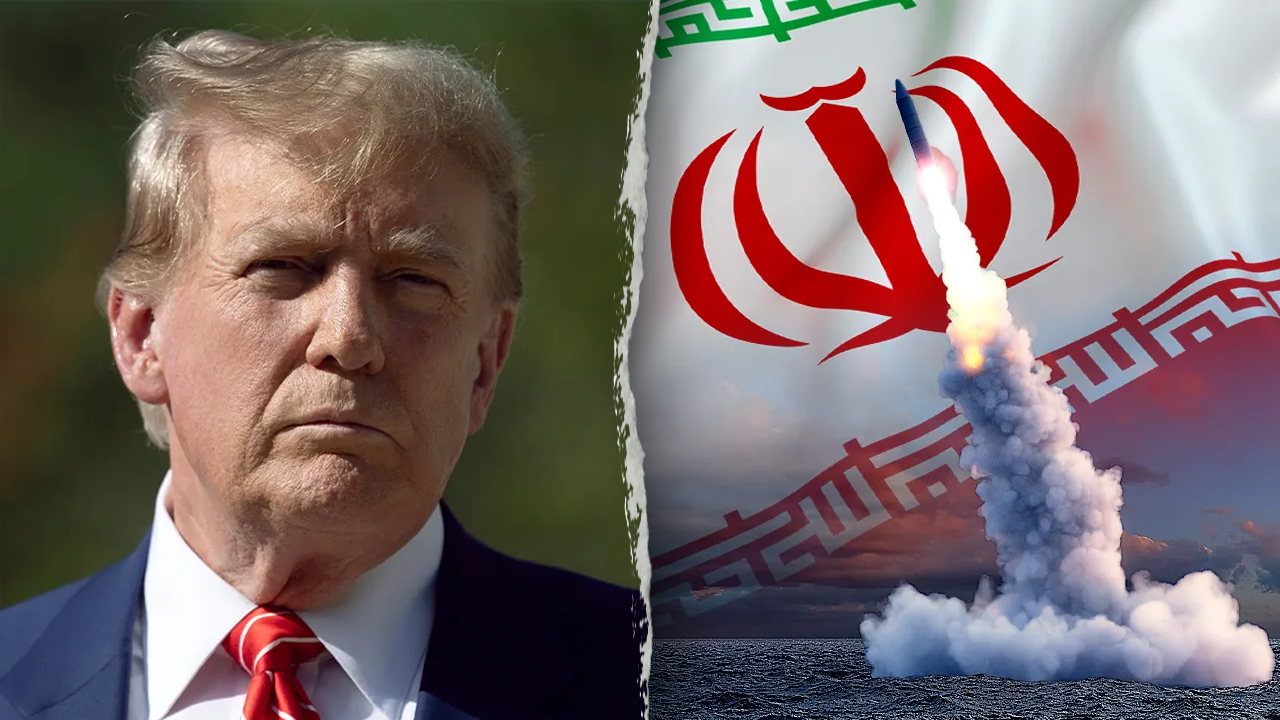
Detailed Live Updates: Seized Ship Taken Toward Iran As Trump And China's Xi Agree Strait Of Hormuz "must Remain Open" Moment Collection
Explore this high-quality live updates: seized ship taken toward iran as trump and china's xi agree strait of hormuz "must remain open" image, perfect for enhancing your desktop or mobile wallpaper.

Detailed Live Updates: Seized Ship Taken Toward Iran As Trump And China's Xi Agree Strait Of Hormuz "must Remain Open" Photo in 4K
Transform your screen with this vivid live updates: seized ship taken toward iran as trump and china's xi agree strait of hormuz "must remain open" artwork, a true masterpiece of digital design.

Exquisite Live Updates: Seized Ship Taken Toward Iran As Trump And China's Xi Agree Strait Of Hormuz "must Remain Open" Design for Mobile
Immerse yourself in the stunning details of this beautiful live updates: seized ship taken toward iran as trump and china's xi agree strait of hormuz "must remain open" wallpaper, designed for a captivating visual experience.

Breathtaking Live Updates: Seized Ship Taken Toward Iran As Trump And China's Xi Agree Strait Of Hormuz "must Remain Open" Scene Digital Art
Explore this high-quality live updates: seized ship taken toward iran as trump and china's xi agree strait of hormuz "must remain open" image, perfect for enhancing your desktop or mobile wallpaper.
Detailed Live Updates: Seized Ship Taken Toward Iran As Trump And China's Xi Agree Strait Of Hormuz "must Remain Open" Wallpaper Digital Art
Experience the crisp clarity of this stunning live updates: seized ship taken toward iran as trump and china's xi agree strait of hormuz "must remain open" image, available in high resolution for all your screens.
Download these live updates: seized ship taken toward iran as trump and china's xi agree strait of hormuz "must remain open" wallpapers for free and use them on your desktop or mobile devices.