What Is Hedging In Financial Markets
What Is Hedging In Financial Markets: A Comprehensive Guide to Managing Risk
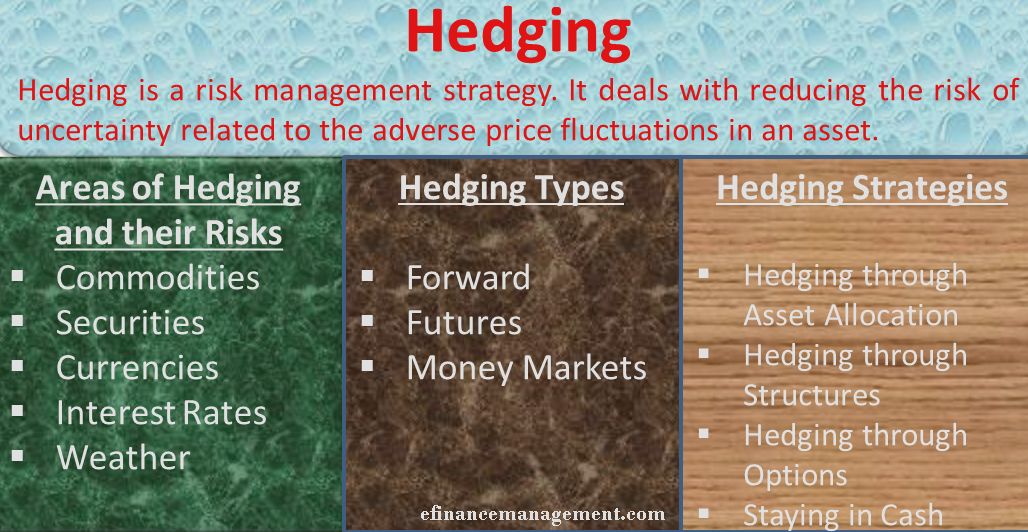
In the volatile world of finance, uncertainty is the only constant. Whether you are a retail investor, a corporate treasurer, or a professional fund manager, the primary objective is often not just to maximize gains, but to protect capital from unforeseen market swings. This is where hedging comes into play. But what is hedging in financial markets exactly, and how can it be used to safeguard your portfolio?
Think of hedging as an insurance policy for your investments. Just as you pay a premium to protect your home against fire or your car against accidents, investors use hedging strategies to offset potential losses in their primary positions. While it may seem complex, the underlying principles are fundamental to sound financial management. In this article, we will dive deep into the mechanisms, instruments, and strategies of hedging to help you navigate market volatility with confidence.
The Core Concept: How Hedging Works
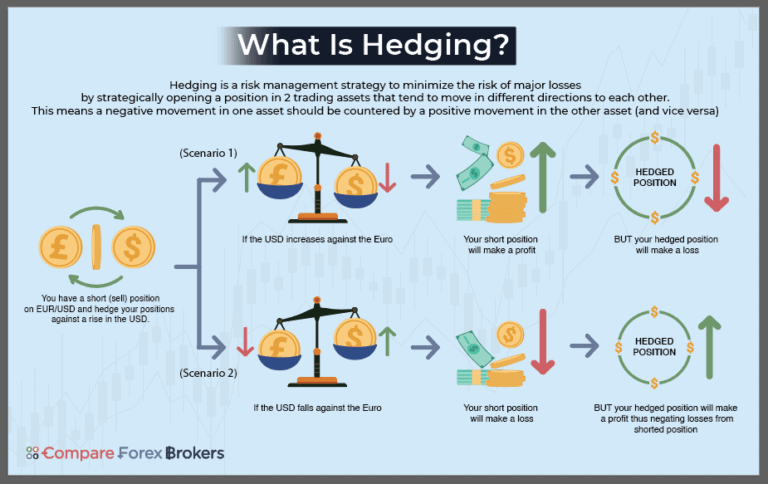
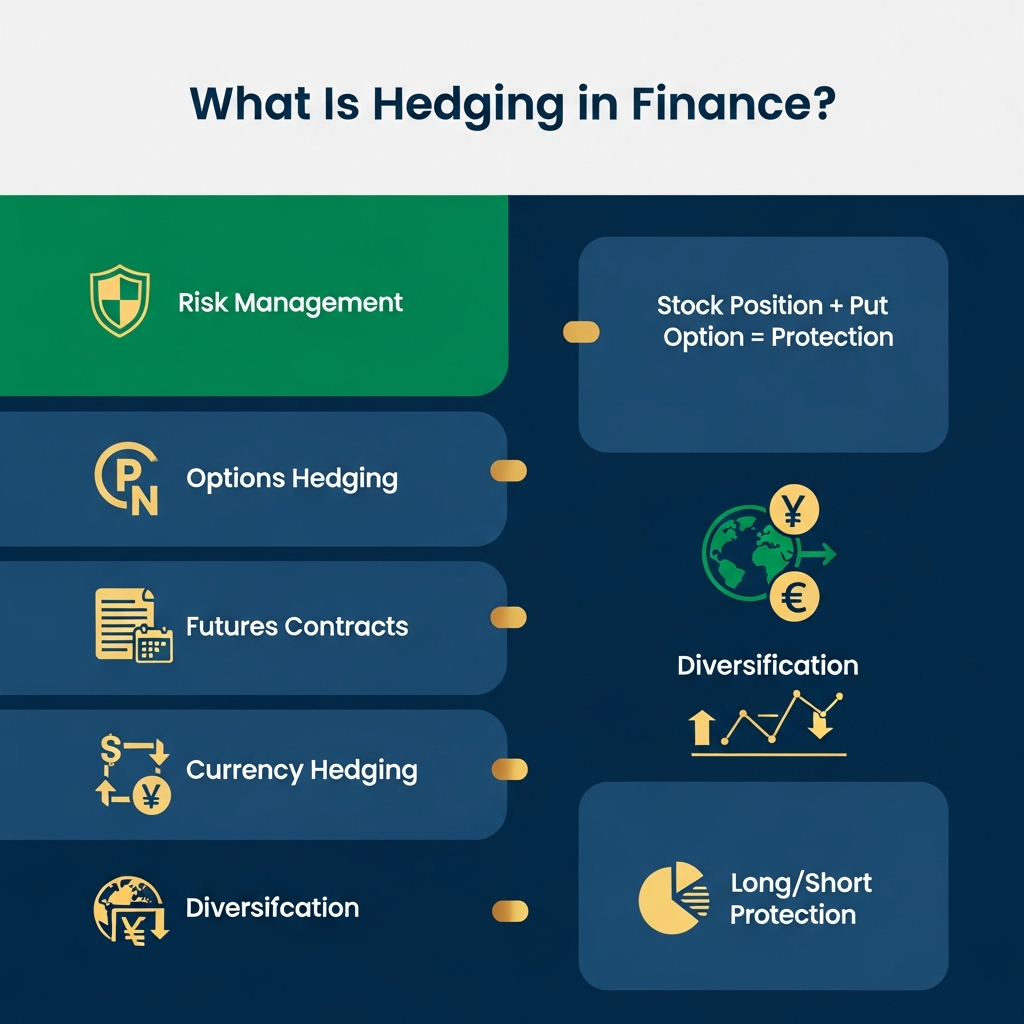
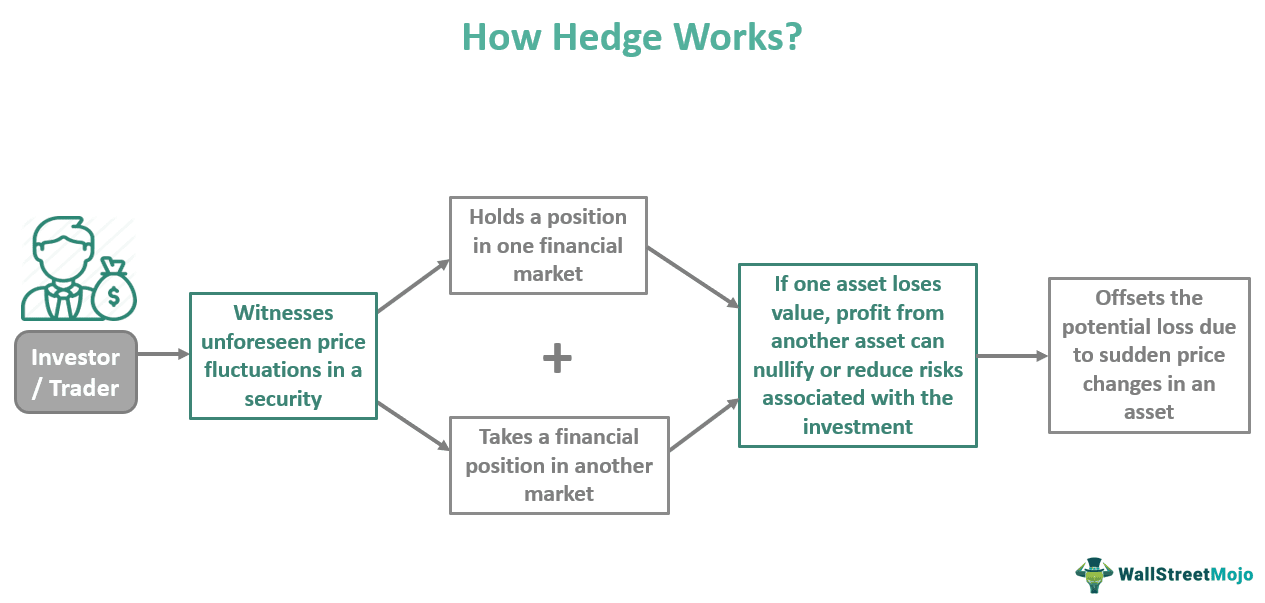
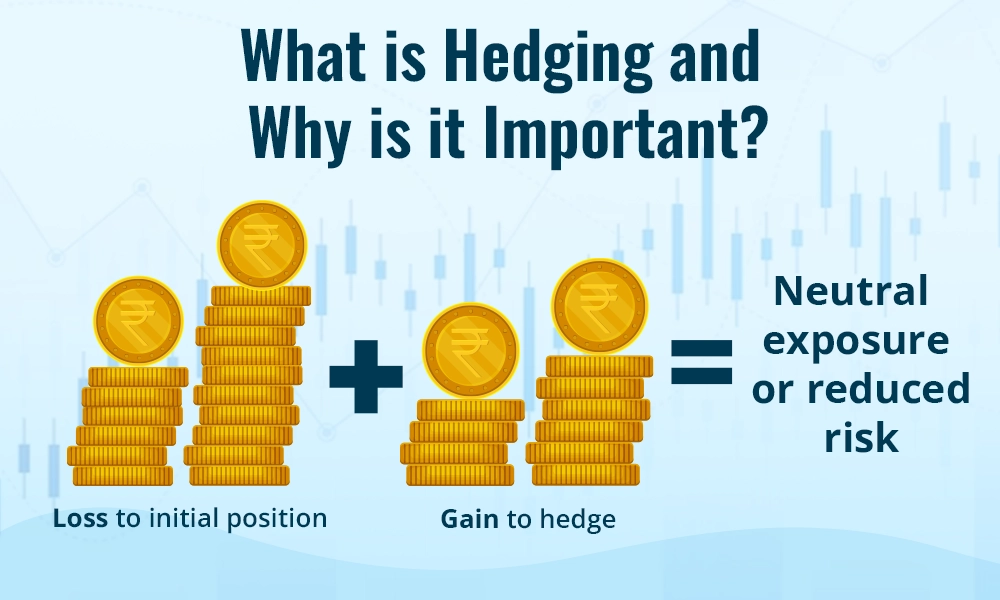
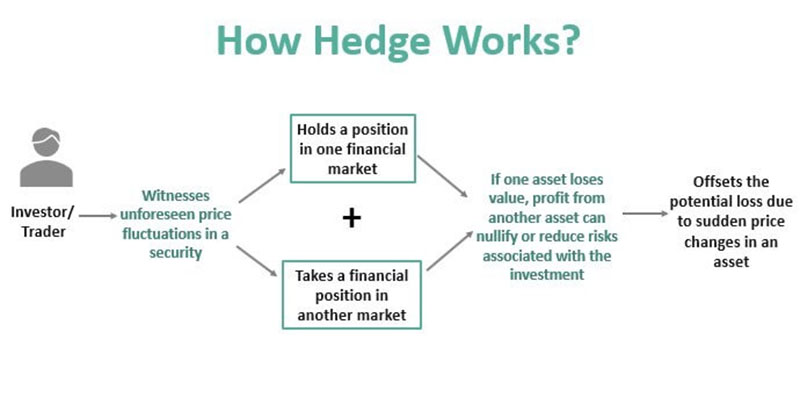
At its simplest, hedging involves taking an offsetting position in a related security to mitigate the risk of adverse price movements. If you own an asset (a "long" position) and you fear its price might drop, you can enter into a secondary transaction that would profit if the price actually falls. The gain from the second position offsets the loss from the first.
It is important to understand that hedging is not a strategy designed to make money. Instead, it is a risk management tool designed to reduce "downside risk." By hedging, you are essentially trading potential profit for peace of mind. If the market moves in your favor, your hedge will likely incur a small loss or cost, which reduces your total profit. However, if the market moves against you, the hedge provides a cushion that prevents catastrophic financial damage.
The Relationship Between Correlation and Hedging
Effective hedging relies heavily on the concept of correlation. For a hedge to work, the hedging instrument must have a negative correlation (or a very specific positive correlation) with the asset being protected. For example, if you own airline stocks, you might hedge against rising fuel prices by buying oil futures. Since high oil prices typically hurt airline profitability, the profit from the oil futures would offset the decline in the stock price.
Common Instruments Used for Hedging
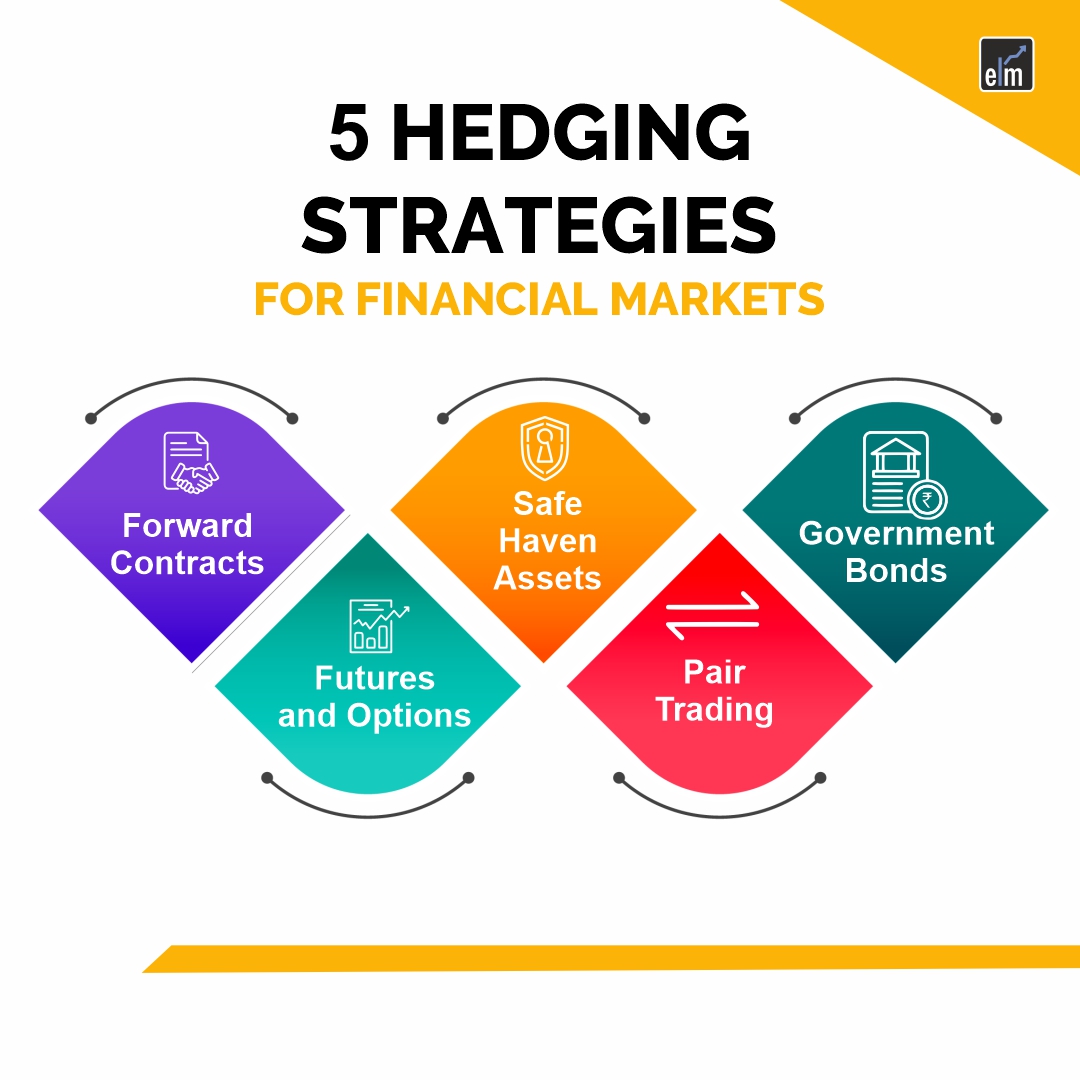
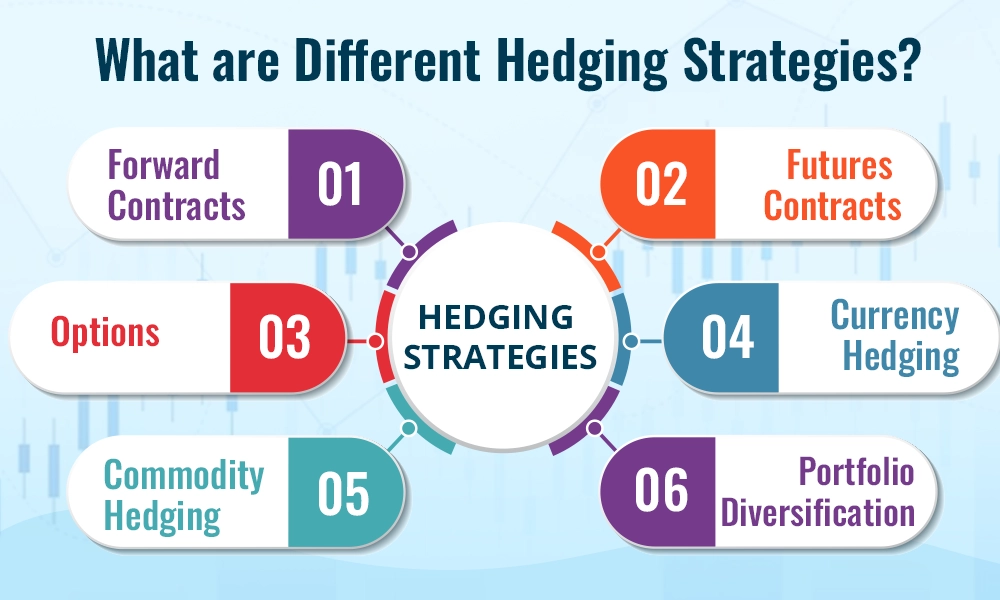
Professional traders and institutional investors use a variety of financial instruments to construct their hedges. Most of these fall under the category of derivatives—contracts whose value is derived from an underlying asset.
1. Options Contracts
Options are among the most popular hedging tools. A "Put Option" gives the holder the right, but not the obligation, to sell an asset at a predetermined price. If the market price drops below that level, the investor can still sell at the higher price, effectively capping their losses. Conversely, "Call Options" can be used by those who need to buy an asset in the future but fear prices will rise.
2. Futures Contracts
Futures are standardized agreements to buy or sell an asset at a specific price on a future date. They are commonly used by commodity producers (like farmers) and consumers (like manufacturers). A wheat farmer might sell wheat futures to lock in a price for their harvest months in advance, protecting themselves against a drop in market prices before the crop is ready.
3. Forwards
Similar to futures, forwards are contracts to buy or sell an asset at a future date. However, forwards are non-standardized and traded over-the-counter (OTC). They are highly customizable, making them ideal for large corporations managing specific currency risks or interest rate exposures.
| Hedging Feature/Aspect | Detailed Description |
|---|---|
| Primary Objective | To reduce or eliminate the risk of price fluctuations in an existing investment. |
| Common Tools | Options, Futures, Forwards, Swaps, and Inverse ETFs. |
| Cost Factor | Involves transaction costs or premiums, which can reduce overall portfolio returns. |
| Risk Reduction | Provides a safety net against market volatility but limits upside potential. |
| User Profile | Used by individual investors, corporations, and hedge funds for capital preservation. |
Top Hedging Strategies for Different Markets
Depending on the asset class, different strategies may be more effective. Here are the most common approaches used in modern finance:
Portfolio Diversification
While not a "transactional" hedge like a derivative, diversification is the most basic form of hedging. By spreading investments across different asset classes (stocks, bonds, real estate, gold), an investor reduces the impact of a crash in any single sector. When stocks are down, gold or bonds often hold their value or increase, providing a natural hedge.
The "Married Put" Strategy
This is a popular strategy for stock investors. An investor buys a stock and simultaneously buys a put option for the same number of shares. This creates a "floor" for the stock price. No matter how low the stock drops, the investor has the guaranteed right to sell it at the put option's strike price.
Cross-Hedging
Cross-hedging occurs when an investor uses a related but different instrument to hedge a position. For instance, if there is no direct liquid futures market for a specific type of jet fuel, an airline might hedge using crude oil futures. The assumption is that the prices of jet fuel and crude oil move in tandem.
Currency Hedging
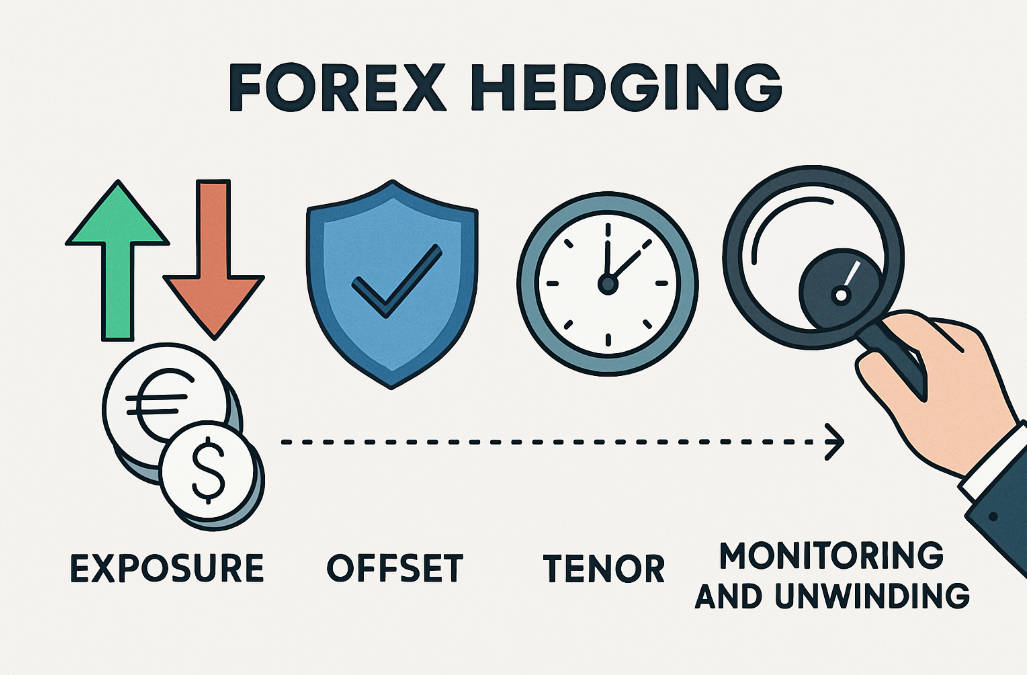
Multinational corporations use currency hedging to protect against exchange rate fluctuations. If a US company expects to receive a payment in Euros in six months, they may enter a forward contract to sell Euros for Dollars at today’s rate. This ensures that a weakening Euro won't reduce the value of their expected revenue.
The Pros and Cons of Hedging
Like any financial strategy, hedging comes with trade-offs. It is rarely a "perfect" solution. Understanding the advantages and disadvantages is crucial for any market participant.
The Advantages:
- Downside Protection: The primary benefit is limiting losses during market downturns.
- Stability: Hedging allows businesses to predict future costs and revenues more accurately, which is vital for long-term planning.
- Flexibility: Investors can hedge specific risks (like interest rates) without selling their core long-term assets.
The Disadvantages:
- Cost: Hedging isn't free. Whether it's the premium for an option or the commission on a futures contract, these costs eat into profits.
- Complexity: Advanced hedging requires a deep understanding of derivatives and market mechanics. Poorly executed hedges can lead to "over-hedging" or unexpected losses.
- Limited Upside: Because a hedge is designed to profit when your main asset loses, it will also lose value when your main asset gains. This results in a "capped" or reduced overall profit during bull markets.
FAQ: Frequently Asked Questions
1. Is hedging the same as speculating?
No. Speculation involves taking on risk in hopes of making a profit from market movements. Hedging is the opposite; it involves taking a position to reduce existing risk. A speculator wants the risk, while a hedger wants to get rid of it.
2. Can a hedge fail to protect an investment?
Yes. This is often referred to as "basis risk." Basis risk occurs when the price movement of the hedging instrument does not perfectly correlate with the asset being hedged. If the two move differently than expected, the hedge may not provide the intended protection.
3. Do I need a lot of money to start hedging?
Not necessarily. While institutional hedging involves millions of dollars, retail investors can use simple tools like Inverse ETFs (Exchange Traded Funds) or buying a few put options to protect their personal portfolios from market volatility.
4. Is hedging considered gambling?
Quite the contrary. In the financial world, not hedging is often seen as more of a gamble, especially for corporations with massive exposure to commodity prices or foreign exchange rates. Hedging is a conservative, defensive maneuver.
Conclusion
Understanding what is hedging in financial markets is a vital milestone for any serious investor or business professional. While the technicalities of derivatives and contracts can be intimidating, the core philosophy is simple: protecting yourself against the "what ifs" of the market. By effectively utilizing tools like options, futures, and diversification, you can transform the unpredictable nature of the financial markets into a manageable variable.
However, remember that hedging is a balancing act. The goal is to find the right level of protection without paying away all your potential gains in fees and premiums. As you refine your investment strategy, consider how hedging can play a role in your risk management framework, ensuring that you remain solvent and successful even when the market takes an unexpected turn.
What Is Hedging In Financial Markets
What Is Hedging In Financial Markets Wallpapers
Collection of what is hedging in financial markets wallpapers for your desktop and mobile devices.

Detailed What Is Hedging In Financial Markets Image Collection
Transform your screen with this vivid what is hedging in financial markets artwork, a true masterpiece of digital design.

Crisp What Is Hedging In Financial Markets Photo Collection
This gorgeous what is hedging in financial markets photo offers a breathtaking view, making it a perfect choice for your next wallpaper.
Captivating What Is Hedging In Financial Markets Moment in 4K
Find inspiration with this unique what is hedging in financial markets illustration, crafted to provide a fresh look for your background.
Beautiful What Is Hedging In Financial Markets Capture Digital Art
Discover an amazing what is hedging in financial markets background image, ideal for personalizing your devices with vibrant colors and intricate designs.

Gorgeous What Is Hedging In Financial Markets Artwork Photography
This gorgeous what is hedging in financial markets photo offers a breathtaking view, making it a perfect choice for your next wallpaper.
Beautiful What Is Hedging In Financial Markets Photo Collection
Experience the crisp clarity of this stunning what is hedging in financial markets image, available in high resolution for all your screens.
Serene What Is Hedging In Financial Markets Capture Photography
Discover an amazing what is hedging in financial markets background image, ideal for personalizing your devices with vibrant colors and intricate designs.
Artistic What Is Hedging In Financial Markets Landscape in 4K
Find inspiration with this unique what is hedging in financial markets illustration, crafted to provide a fresh look for your background.
Spectacular What Is Hedging In Financial Markets Picture in HD
A captivating what is hedging in financial markets scene that brings tranquility and beauty to any device.
Beautiful What Is Hedging In Financial Markets Capture Concept
Experience the crisp clarity of this stunning what is hedging in financial markets image, available in high resolution for all your screens.
Detailed What Is Hedging In Financial Markets Photo Digital Art
Transform your screen with this vivid what is hedging in financial markets artwork, a true masterpiece of digital design.
Vibrant What Is Hedging In Financial Markets View Illustration
Transform your screen with this vivid what is hedging in financial markets artwork, a true masterpiece of digital design.

High-Quality What Is Hedging In Financial Markets Picture Digital Art
Experience the crisp clarity of this stunning what is hedging in financial markets image, available in high resolution for all your screens.
Vivid What Is Hedging In Financial Markets Artwork Illustration
Experience the crisp clarity of this stunning what is hedging in financial markets image, available in high resolution for all your screens.

Detailed What Is Hedging In Financial Markets Landscape in HD
Transform your screen with this vivid what is hedging in financial markets artwork, a true masterpiece of digital design.

Vivid What Is Hedging In Financial Markets Background in 4K
Transform your screen with this vivid what is hedging in financial markets artwork, a true masterpiece of digital design.

Captivating What Is Hedging In Financial Markets Photo Concept
Find inspiration with this unique what is hedging in financial markets illustration, crafted to provide a fresh look for your background.
Stunning What Is Hedging In Financial Markets Photo Digital Art
A captivating what is hedging in financial markets scene that brings tranquility and beauty to any device.

Vibrant What Is Hedging In Financial Markets Design Concept
Explore this high-quality what is hedging in financial markets image, perfect for enhancing your desktop or mobile wallpaper.

Vivid What Is Hedging In Financial Markets Moment in HD
Discover an amazing what is hedging in financial markets background image, ideal for personalizing your devices with vibrant colors and intricate designs.
Download these what is hedging in financial markets wallpapers for free and use them on your desktop or mobile devices.