What Is Hedging In Financial Terms
What Is Hedging In Financial Terms? A Comprehensive Guide to Risk Management
In the volatile world of finance, uncertainty is the only constant. Whether you are a retail investor dabbling in stocks or a multinational corporation dealing with international trade, market fluctuations can pose significant threats to your capital. This is where the concept of hedging comes into play. Often described as an "insurance policy" for investments, hedging is a strategic move used to limit or offset the probability of loss from price fluctuations in Commodities, currencies, or securities.
To understand what hedging is in financial terms, one must look beyond the jargon. At its core, hedging is about risk reduction rather than profit maximization. While most people invest to make money, they hedge to ensure they don’t lose it. In this guide, we will explore the mechanics of hedging, the instruments used, and why it is a cornerstone of modern financial management.
Understanding the Core Concept: How Does Hedging Work?
The easiest way to understand hedging is through a real-world analogy: insurance. When you buy home insurance, you are hedging against the risk of fire or natural disasters. You pay a premium to an insurance company so that if a catastrophic event occurs, your financial loss is covered. In financial markets, hedging works similarly, but instead of an insurance agent, you use financial instruments known as derivatives.
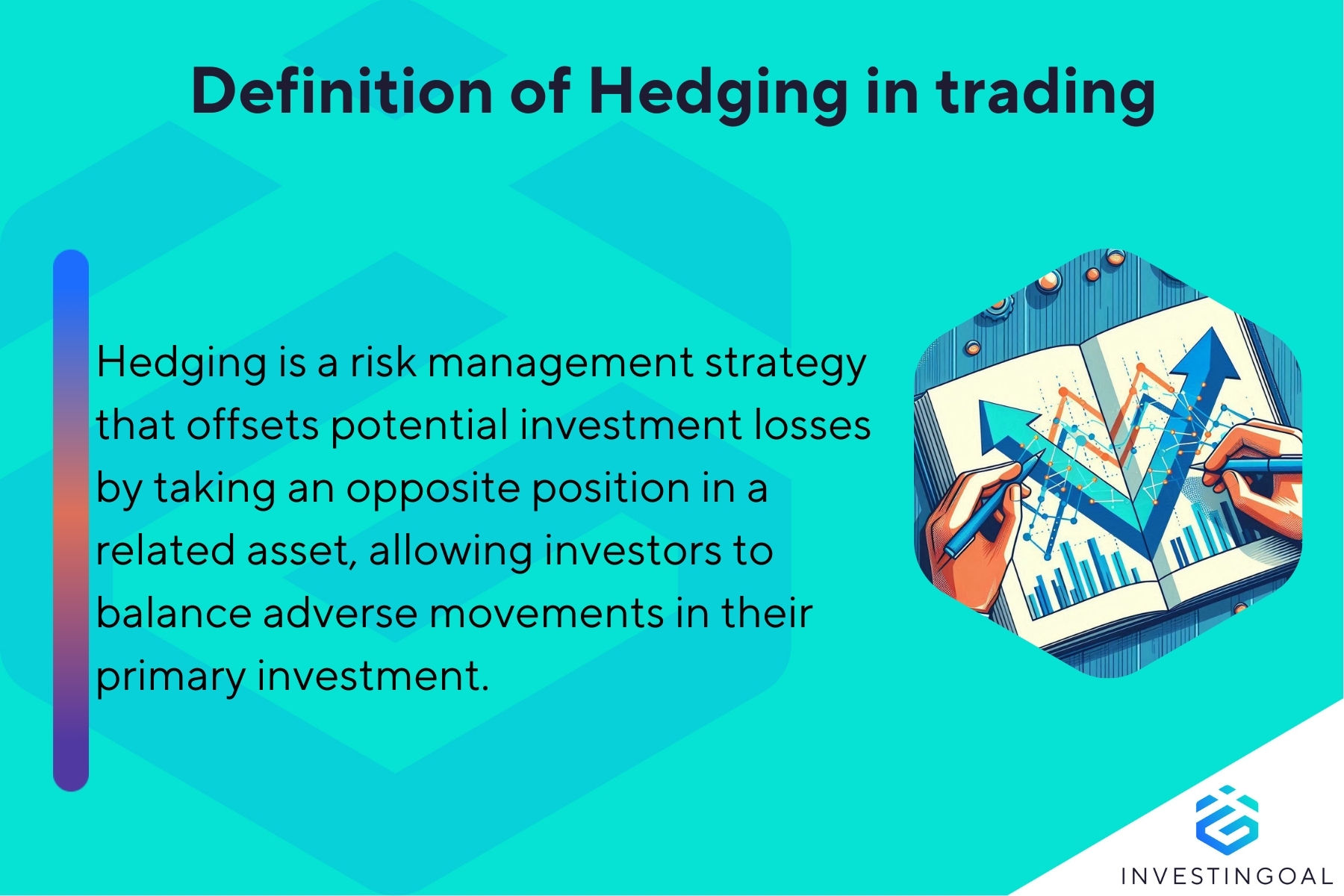
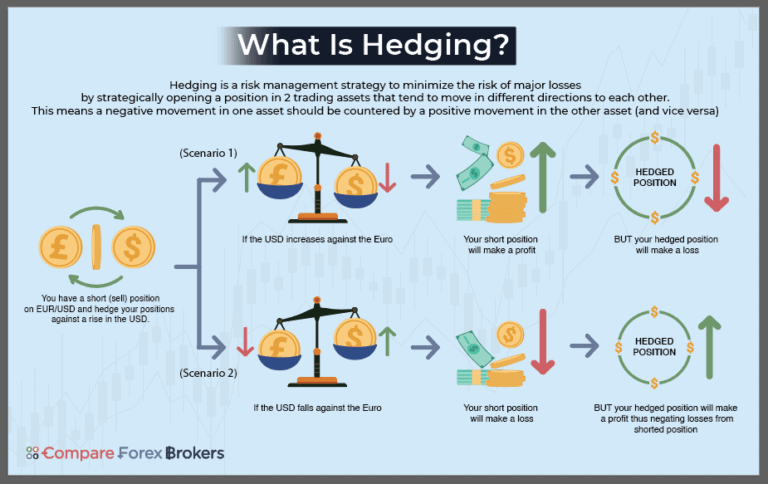
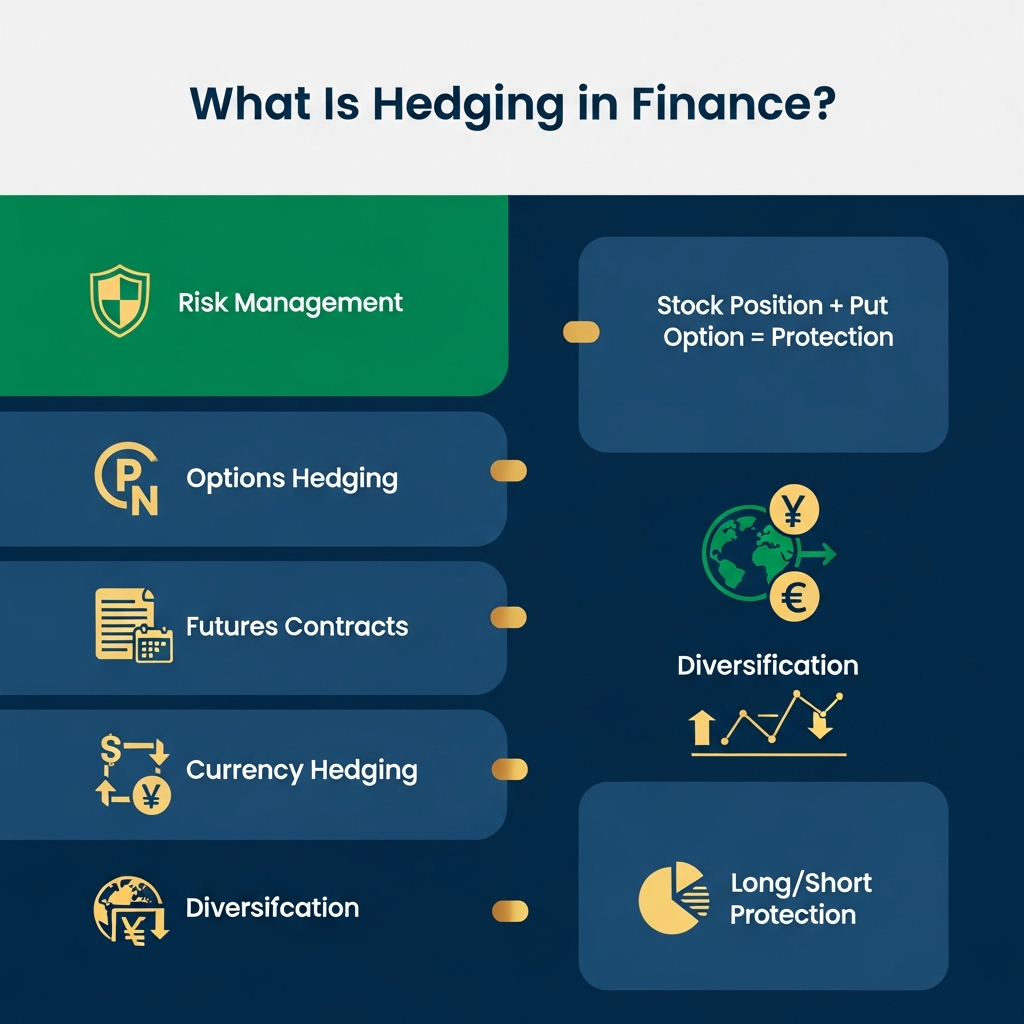
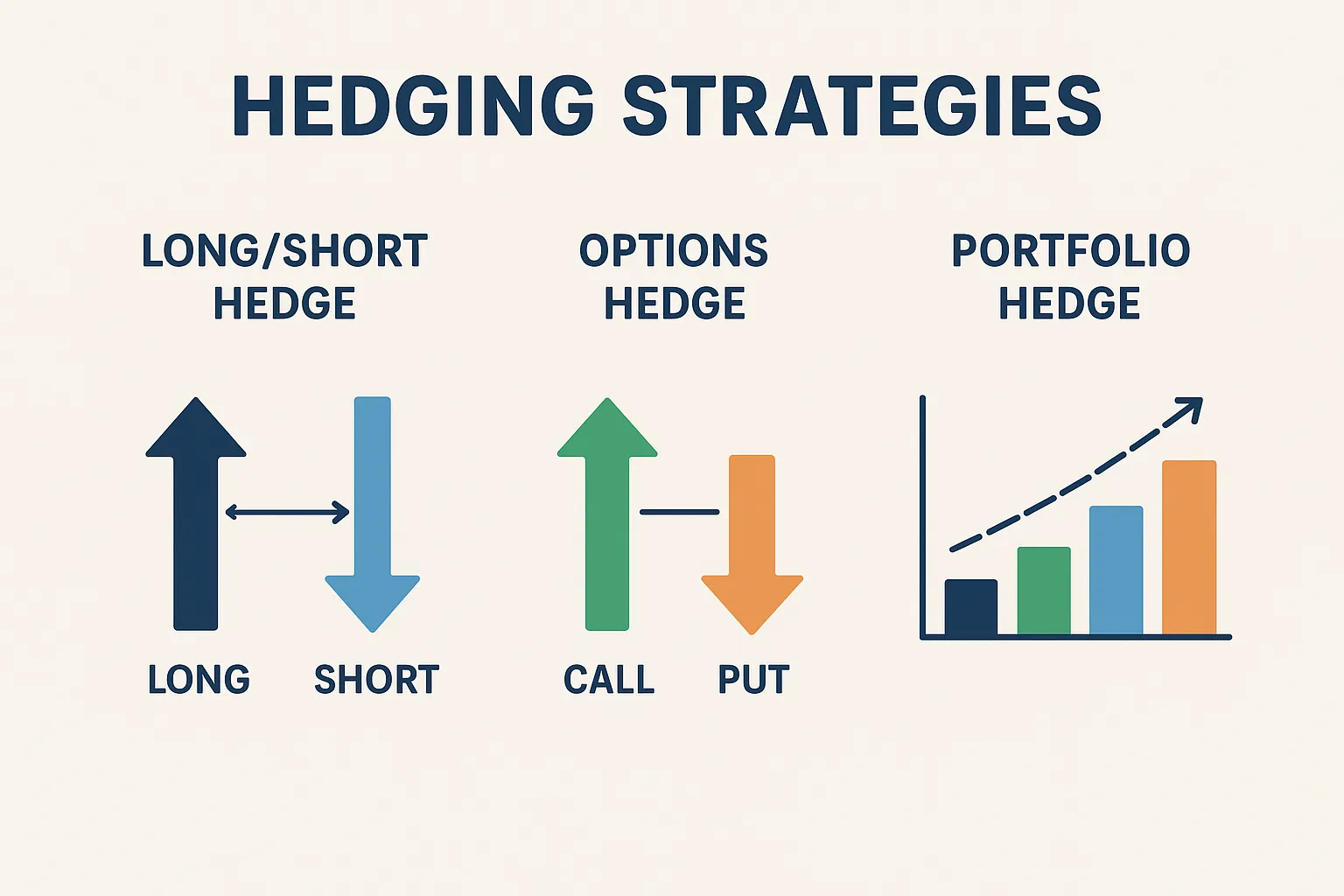
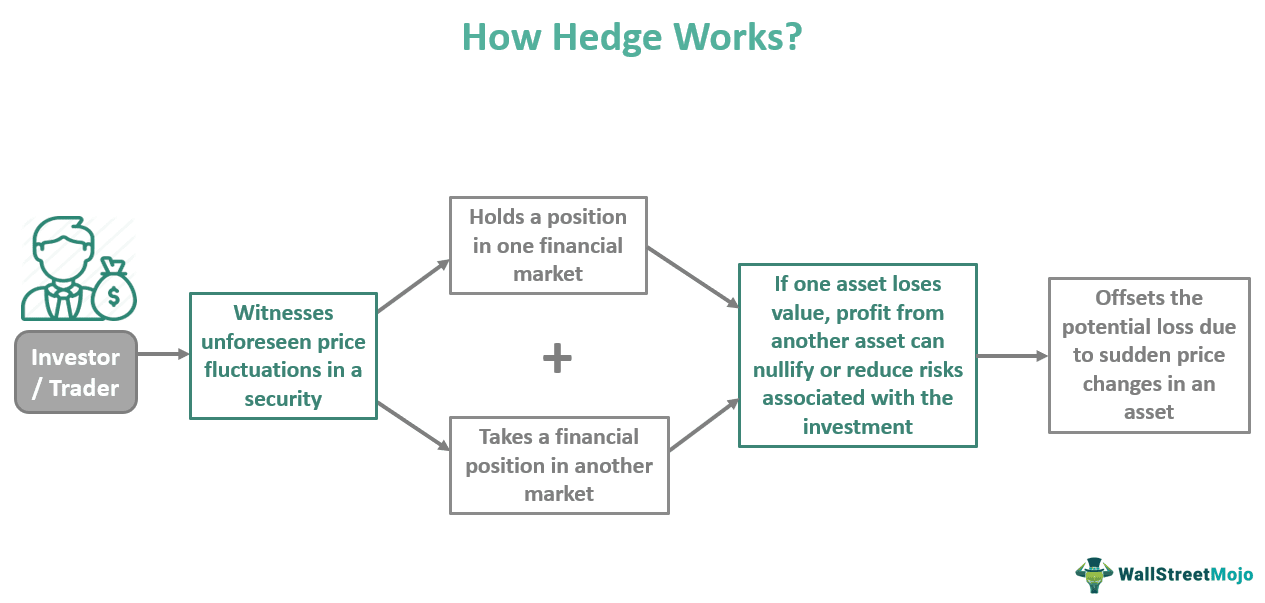
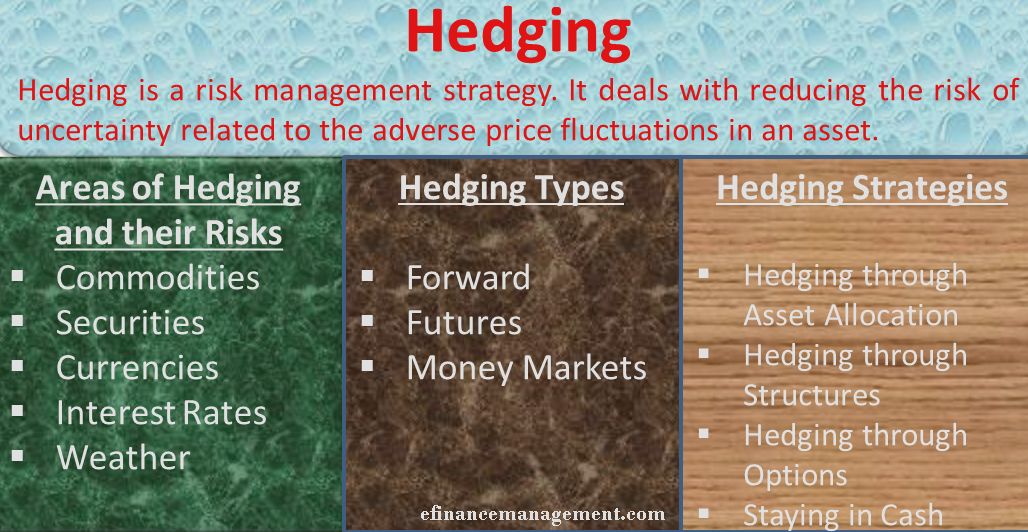
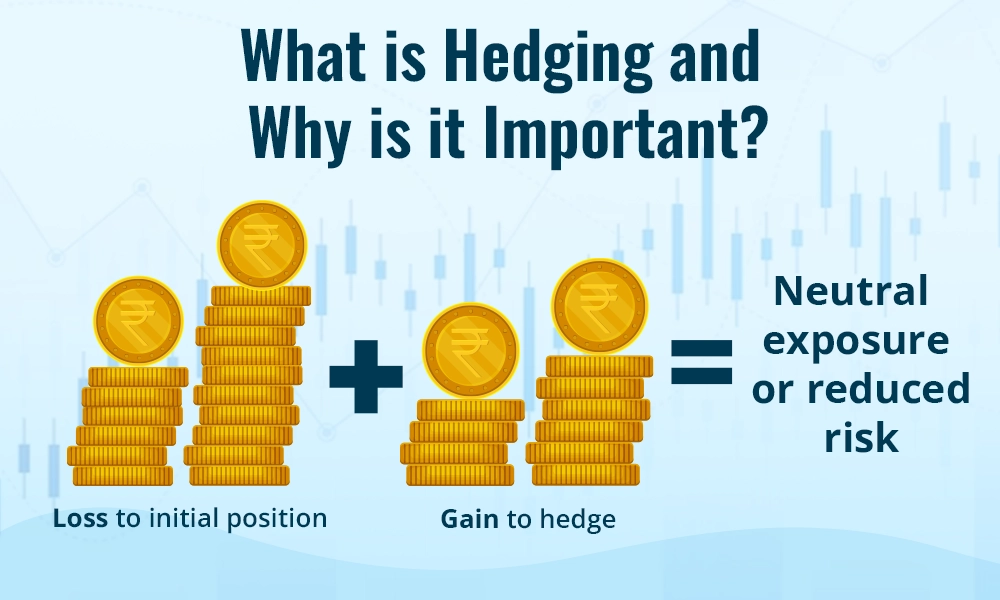
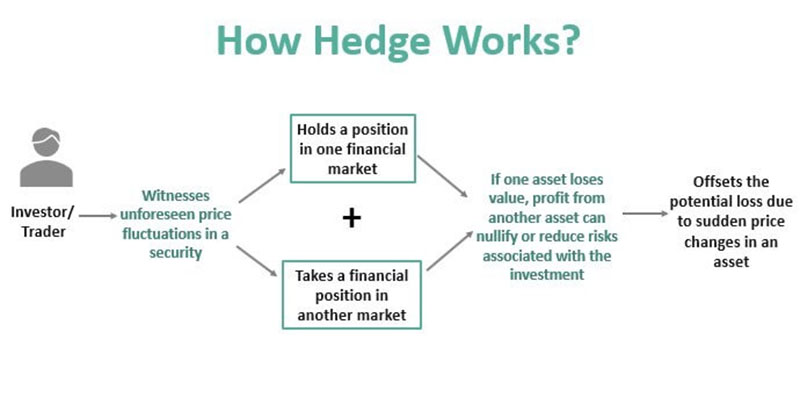
Hedging involves taking an offsetting position in a related security. If an investor owns a stock (a long position) and fears its price might drop, they can take a "short" position in a related derivative. If the stock price falls, the profit from the short position helps offset the loss from the stock. The goal is not necessarily to make money on the hedge itself, but to reach a "neutral" state where market movements have a minimal impact on the overall portfolio value.
Common Types of Hedging Strategies
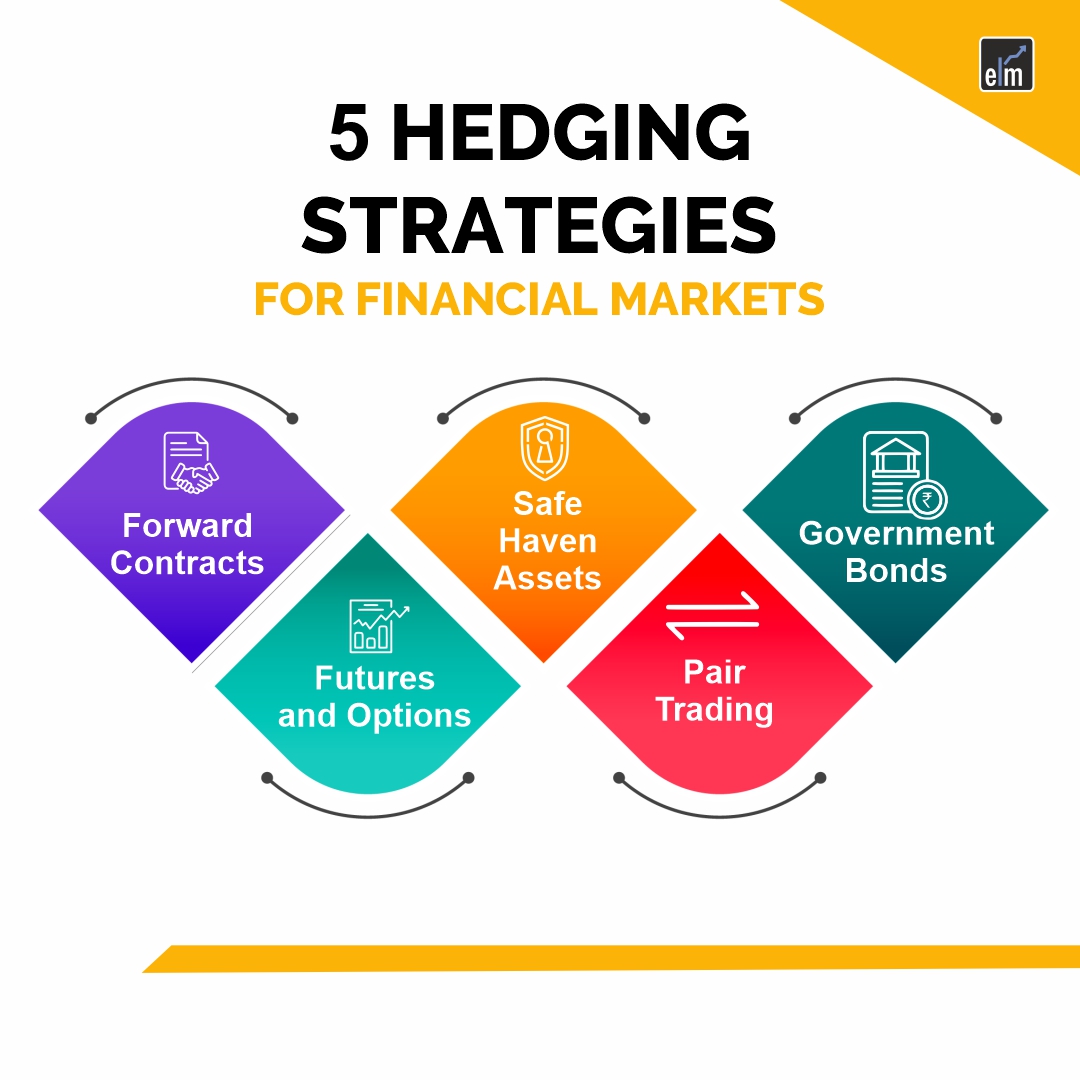
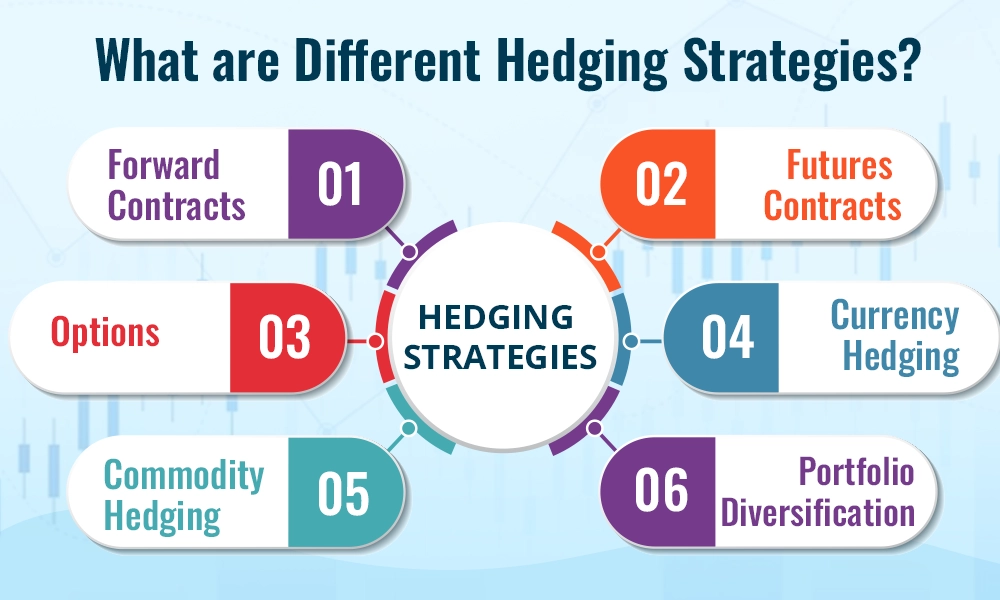
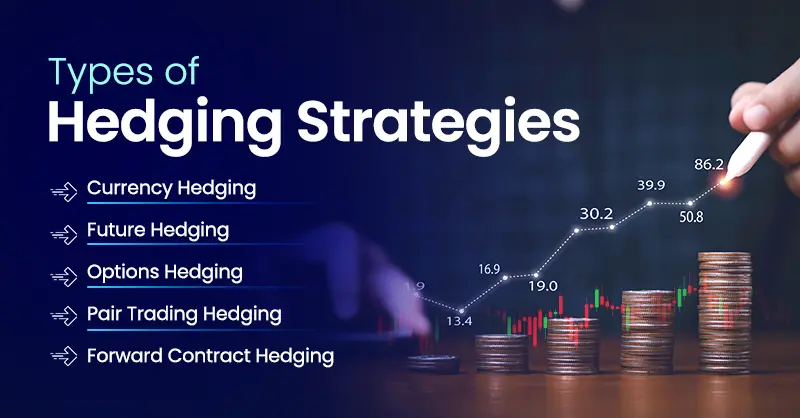
Depending on the asset class and the level of risk, investors use various strategies to protect their interests. Here are the most prevalent methods used in the financial industry:
1. Derivatives (Options and Futures)
Derivatives are the primary tools for hedging. These are contracts whose value is derived from an underlying asset.
- Options: A "Put Option" gives the holder the right to sell a stock at a specific price. If the stock market crashes, the put option increases in value, protecting the investor.
- Futures: These are contracts to buy or sell an asset at a predetermined price on a future date. Farmers often use futures to lock in a price for their crops before harvest, hedging against the risk of falling prices.
2. Diversification
While not a direct contract like a derivative, diversification is often called "the only free lunch in finance." By spreading investments across different asset classes (stocks, bonds, real estate, gold), an investor reduces the risk that a single event will wipe out their entire wealth. When one asset class performs poorly, another may perform well, providing a natural hedge.
3. Currency Hedging
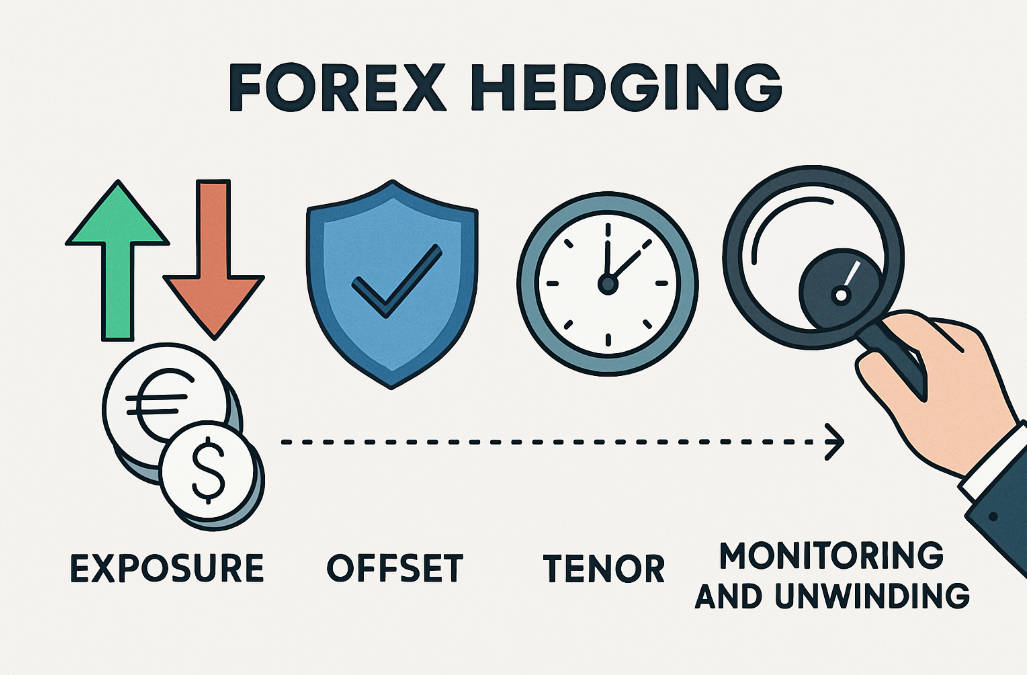
For businesses operating globally, exchange rate volatility is a massive risk. A company based in the US selling products in Europe might lose money if the Euro weakens against the Dollar. To mitigate this, they use "Forward Contracts" to lock in an exchange rate for future transactions, ensuring their profit margins remain stable regardless of currency fluctuations.
The Essential Components of Hedging
To better understand how hedging is structured, the following table outlines the key aspects of a typical hedging transaction.
| Feature/Aspect | Description |
|---|---|
| Primary Objective | Risk mitigation and downside protection rather than generating high returns. |
| Common Instruments | Options, Futures, Forwards, Swaps, and Diversified Portfolios. |
| Cost of Hedging | Usually involves transaction fees or premiums (similar to insurance premiums). |
| Ideal Market Condition | High volatility or uncertain economic environments. |
| Risk-Reward Tradeoff | Reduces potential losses but also limits potential maximum gains. |
Hedging vs. Speculation: Knowing the Difference
It is common for beginners to confuse hedging with speculation, as both often involve the use of derivatives. However, the intent behind the two is polar opposite. A speculator takes on risk in the hopes of making a significant profit from price movements. They have no underlying interest in the asset other than its price changes.
A hedger, on the other hand, already has an exposure to an asset and seeks to reduce the risk associated with it. For example, an airline company is naturally exposed to the price of jet fuel. If fuel prices rise, their expenses skyrocket. By hedging fuel prices through futures contracts, the airline isn't trying to "bet" on the oil market; they are simply trying to stabilize their operating costs so they can plan their budget effectively.
The Pros and Cons of Hedging in Finance
Like any financial strategy, hedging comes with its own set of advantages and drawbacks. It is not a magic shield, and it requires careful execution.
The Advantages
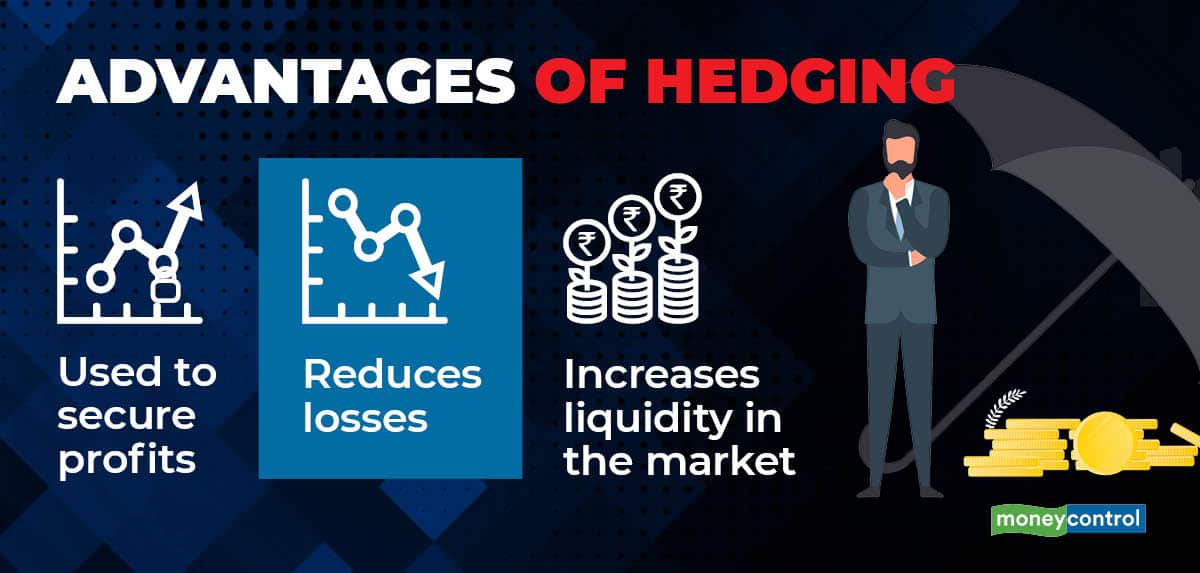
- Stability: Hedging provides predictable outcomes in an unpredictable market, which is crucial for long-term financial planning.
- Protection Against Market Crashes: During black swan events or sudden economic downturns, hedged portfolios suffer significantly less than unhedged ones.
- Increased Liquidity: Hedging allows businesses to keep operating without the fear of sudden bankruptcy due to unfavorable price swings.
The Disadvantages
- Costs: Hedging isn't free. Whether it's the premium paid for an option or the commission for a futures contract, these costs can eat into your total returns.
- Complexity: Sophisticated hedging strategies require a deep understanding of financial mathematics and market mechanics.
- Limited Upside: This is the most significant drawback. If you hedge against a price drop and the market actually goes up, your hedge will likely result in a loss that cancels out some of your gains.
Frequently Asked Questions (FAQ)
1. Is hedging only for large corporations and professional investors?
No. While large corporations use complex swaps and forwards, everyday investors use hedging too. Diversifying your retirement account between stocks and bonds is a basic form of hedging. Even buying "put options" on a trading app is a form of retail hedging.
2. Does hedging guarantee that I won't lose money?
No. Hedging is designed to reduce risk, not eliminate it entirely. A "perfect hedge" that eliminates all risk is very rare and usually very expensive. Most hedges are partial protections.
3. When is the best time to start hedging?
The best time to hedge is when volatility is low and "insurance" is cheap. Trying to hedge in the middle of a market crash is often expensive because the cost of options (premiums) spikes during high-volatility periods.
Conclusion: Is Hedging Right for You?
Understanding "what is hedging in financial terms" is essential for anyone looking to navigate the markets with a long-term perspective. It is the bridge between reckless gambling and conservative wealth preservation. While it requires a certain level of expertise and involves costs that can reduce your profit margins, the peace of mind and financial security it provides are often worth the price.
For the average investor, a simple strategy of asset diversification and perhaps a few protective options during uncertain times is usually sufficient. For businesses, hedging is an indispensable tool for survival in a globalized economy. Ultimately, hedging is about taking control of your financial destiny, ensuring that while you may not catch every market peak, you will certainly survive the valleys.
What Is Hedging In Financial Terms
What Is Hedging In Financial Terms Wallpapers
Collection of what is hedging in financial terms wallpapers for your desktop and mobile devices.
Spectacular What Is Hedging In Financial Terms Scene for Desktop
A captivating what is hedging in financial terms scene that brings tranquility and beauty to any device.
Captivating What Is Hedging In Financial Terms Moment in 4K
Find inspiration with this unique what is hedging in financial terms illustration, crafted to provide a fresh look for your background.
Beautiful What Is Hedging In Financial Terms Capture Digital Art
Discover an amazing what is hedging in financial terms background image, ideal for personalizing your devices with vibrant colors and intricate designs.
Beautiful What Is Hedging In Financial Terms Photo Collection
Experience the crisp clarity of this stunning what is hedging in financial terms image, available in high resolution for all your screens.

Vivid What Is Hedging In Financial Terms Moment in HD
Discover an amazing what is hedging in financial terms background image, ideal for personalizing your devices with vibrant colors and intricate designs.
Artistic What Is Hedging In Financial Terms Landscape in 4K
Find inspiration with this unique what is hedging in financial terms illustration, crafted to provide a fresh look for your background.
Serene What Is Hedging In Financial Terms Capture Photography
Discover an amazing what is hedging in financial terms background image, ideal for personalizing your devices with vibrant colors and intricate designs.
Mesmerizing What Is Hedging In Financial Terms Photo Art
Experience the crisp clarity of this stunning what is hedging in financial terms image, available in high resolution for all your screens.
Spectacular What Is Hedging In Financial Terms Picture in HD
A captivating what is hedging in financial terms scene that brings tranquility and beauty to any device.
High-Quality What Is Hedging In Financial Terms Photo in HD
Transform your screen with this vivid what is hedging in financial terms artwork, a true masterpiece of digital design.
Beautiful What Is Hedging In Financial Terms View in 4K
Discover an amazing what is hedging in financial terms background image, ideal for personalizing your devices with vibrant colors and intricate designs.

Crisp What Is Hedging In Financial Terms Background for Mobile
Immerse yourself in the stunning details of this beautiful what is hedging in financial terms wallpaper, designed for a captivating visual experience.
Vibrant What Is Hedging In Financial Terms View Illustration
Transform your screen with this vivid what is hedging in financial terms artwork, a true masterpiece of digital design.
Spectacular What Is Hedging In Financial Terms Wallpaper Nature
Immerse yourself in the stunning details of this beautiful what is hedging in financial terms wallpaper, designed for a captivating visual experience.
Detailed What Is Hedging In Financial Terms Photo Digital Art
Transform your screen with this vivid what is hedging in financial terms artwork, a true masterpiece of digital design.
Vivid What Is Hedging In Financial Terms Artwork Illustration
Experience the crisp clarity of this stunning what is hedging in financial terms image, available in high resolution for all your screens.
Beautiful What Is Hedging In Financial Terms Capture Concept
Experience the crisp clarity of this stunning what is hedging in financial terms image, available in high resolution for all your screens.
Captivating What Is Hedging In Financial Terms Moment in 4K
A captivating what is hedging in financial terms scene that brings tranquility and beauty to any device.

Gorgeous What Is Hedging In Financial Terms Artwork Photography
This gorgeous what is hedging in financial terms photo offers a breathtaking view, making it a perfect choice for your next wallpaper.
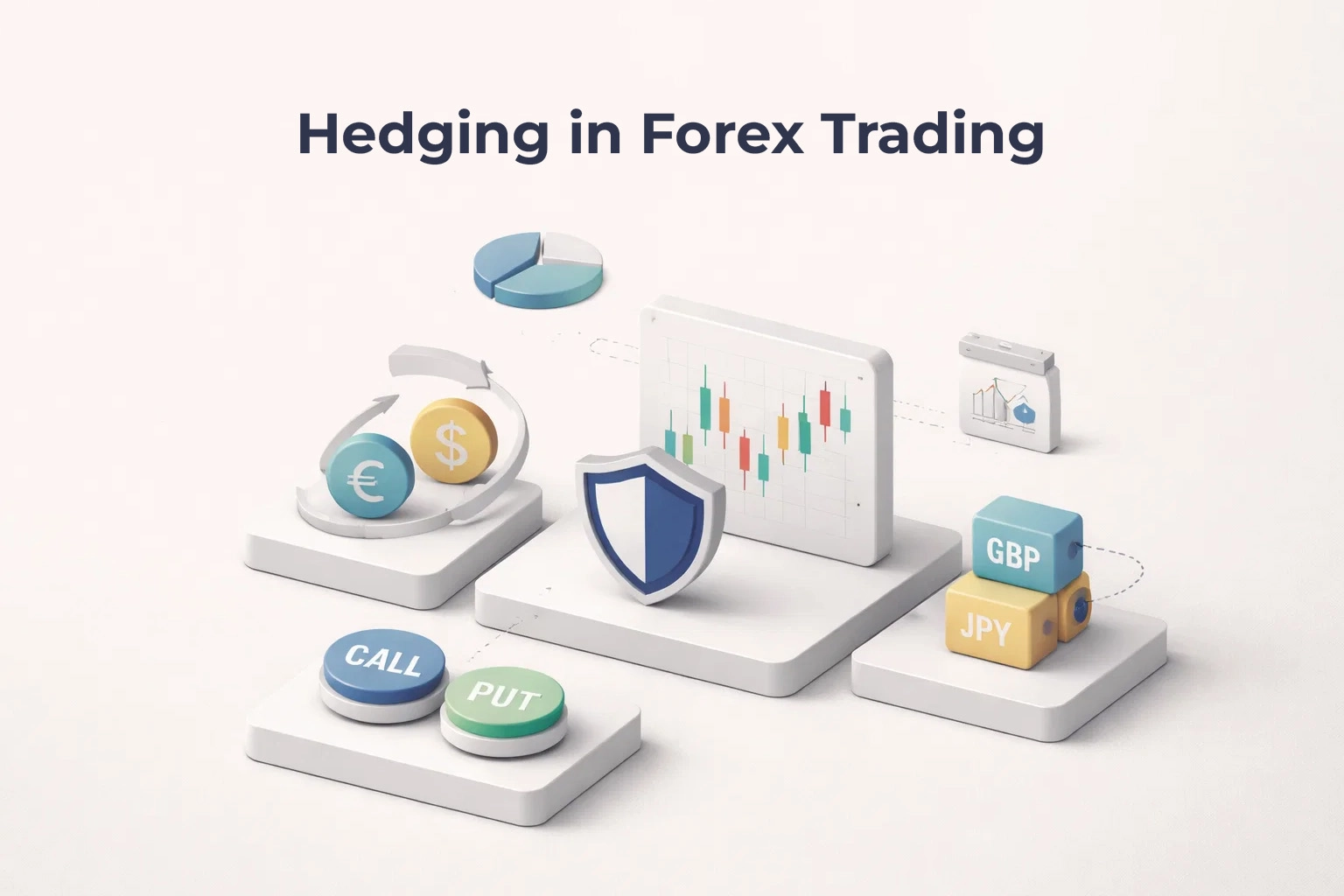
Stunning What Is Hedging In Financial Terms Background for Mobile
This gorgeous what is hedging in financial terms photo offers a breathtaking view, making it a perfect choice for your next wallpaper.
Download these what is hedging in financial terms wallpapers for free and use them on your desktop or mobile devices.